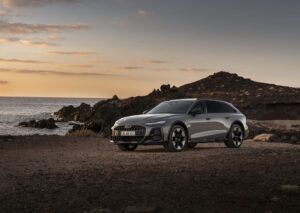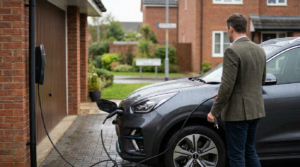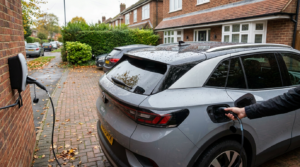
Mercedes EQB salary sacrifice still works in 2026, even though the car itself is now a run-out model. For a higher-rate taxpayer, a representative EQB 250+ scheme lands around £542 a month net in year one, and that buys you the only seven-seat option most premium payroll lists offer. Our view: take it for the seats and the tax break, but read the early-exit terms first, and know that new orders now point at the GLB Electric successor.
The EQB salary-sacrifice numbers at a glance (CDE data)
CDE cross-referenced UK salary-sacrifice listings from loveelectric, My Electric Lease and Octopus Electric Vehicles against fleetnews company-car P11D records, EV Database range figures and the HMRC company-car appropriate-percentage tables, checked 4 June 2026. The key figures that drive the maths below are summarised here.
- P11D values (fleetnews): EQB 250+ from £52,745, EQB 300 4MATIC from £55,255, EQB 350 4MATIC from £56,755.
- Range, claimed versus real (EV Database): the 250+ claims up to 321 miles WLTP but returns nearer 255 miles in real combined use; the 4MATIC versions sit lower again, and rapid charging tops out around 100kW.
- Tax and reliability signals: the zero-emission BiK rate is 4% for 2026/27 per HMRC, and Mercedes has issued recall activity covering some EQB-era cars, including an electric power-steering software action and a high-voltage battery action on certain builds, so check the exact car on the DVSA recall service by registration, along with its MOT history, before you commit.
Why a seven-seat EV still belongs on a payroll list
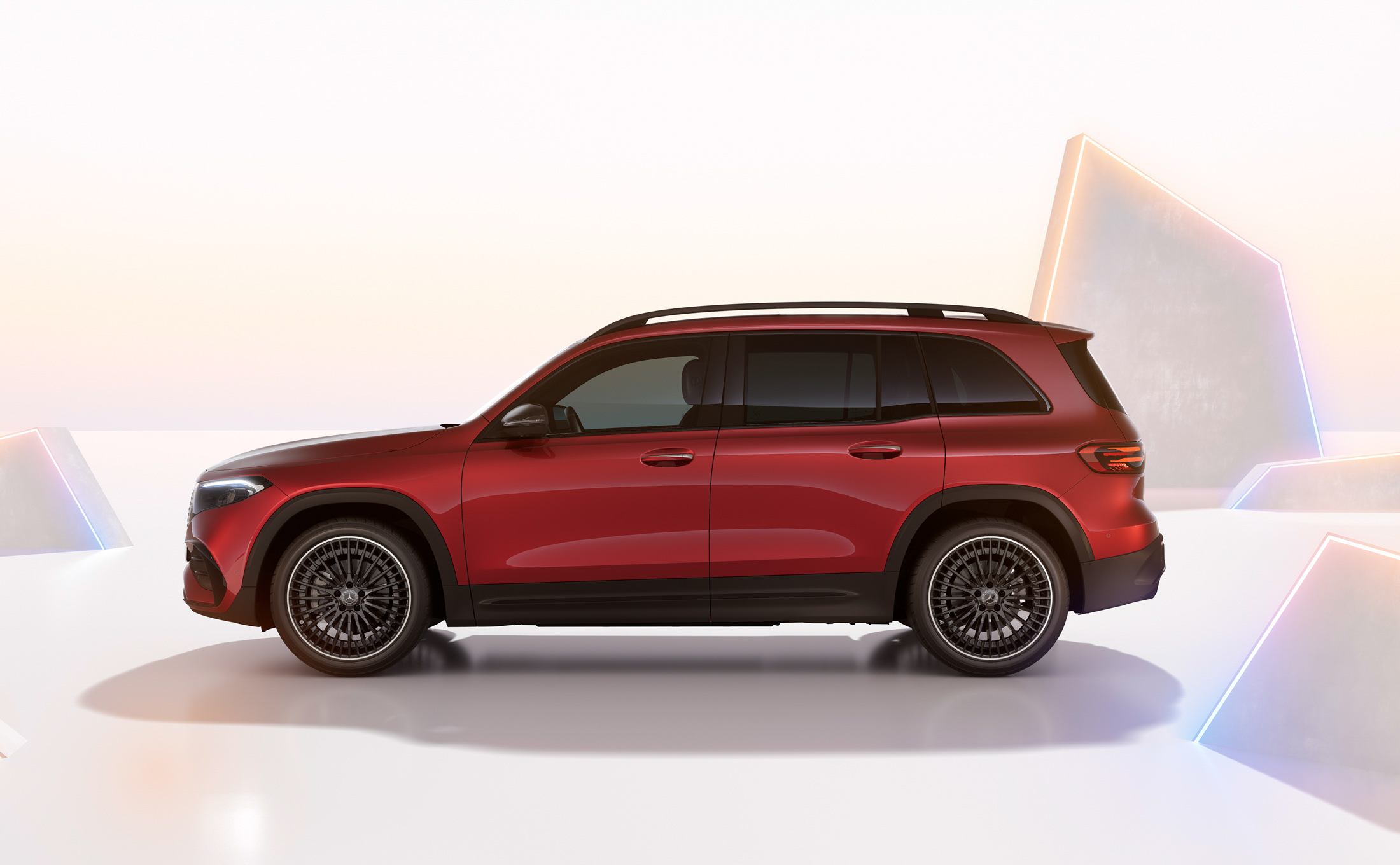
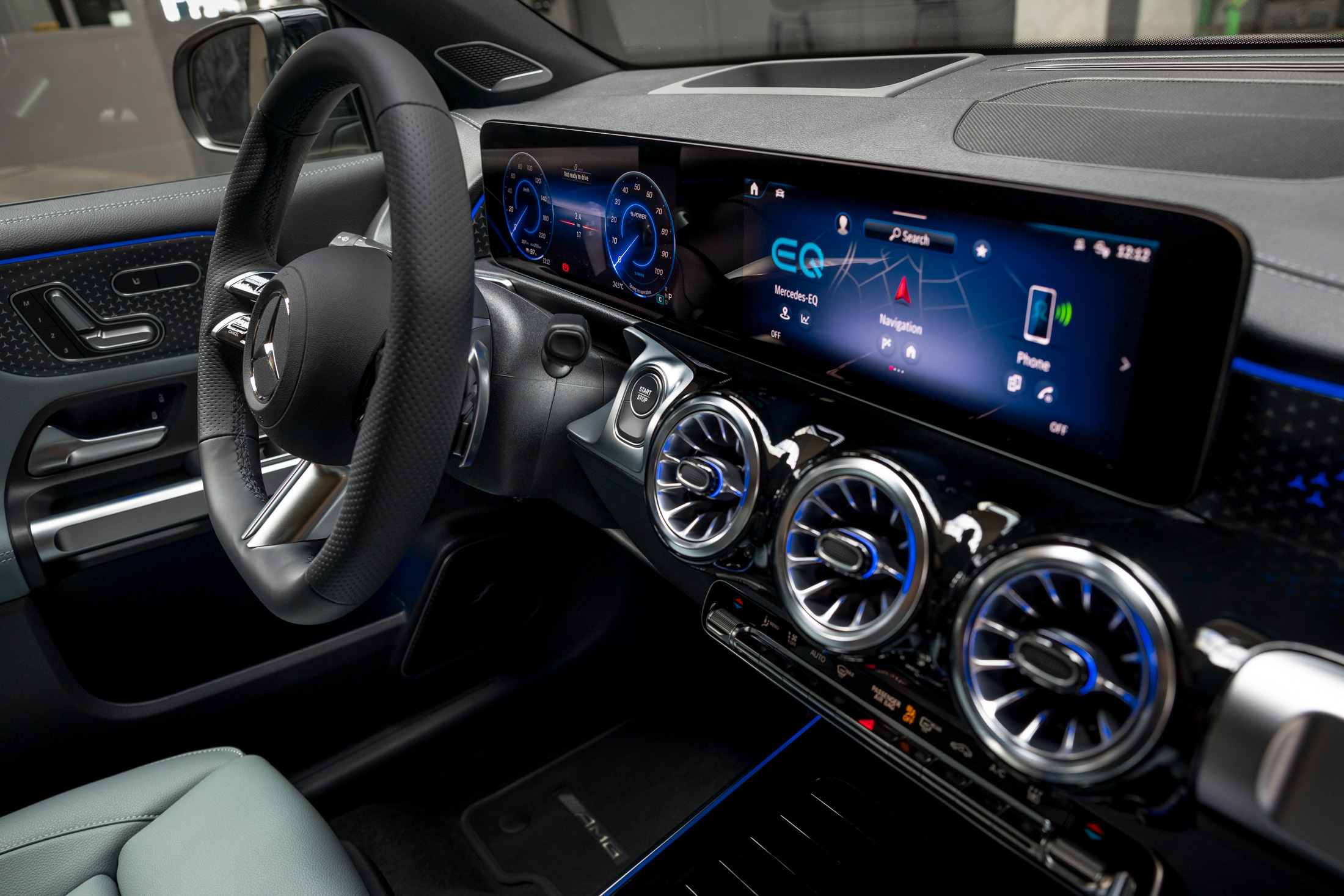
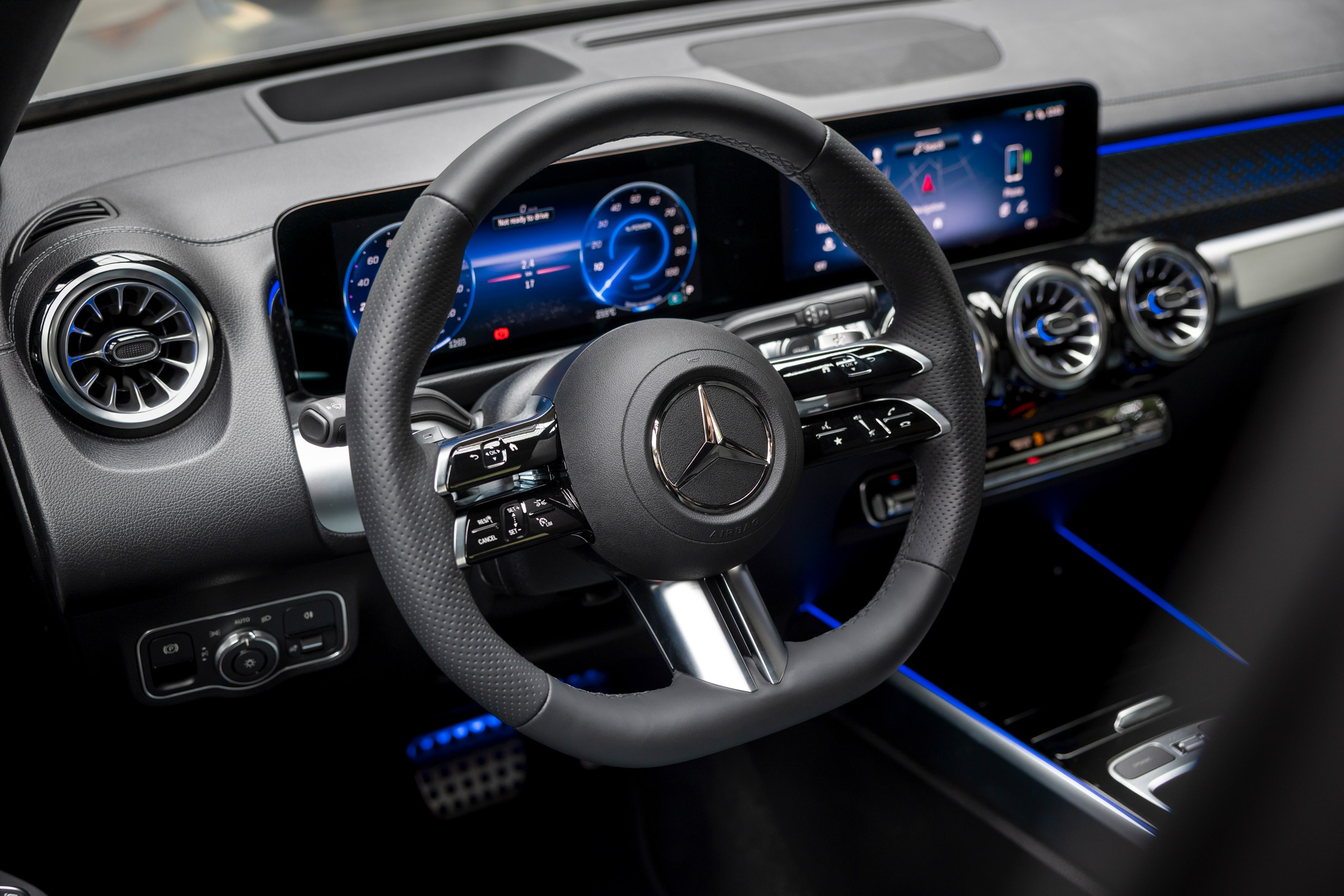
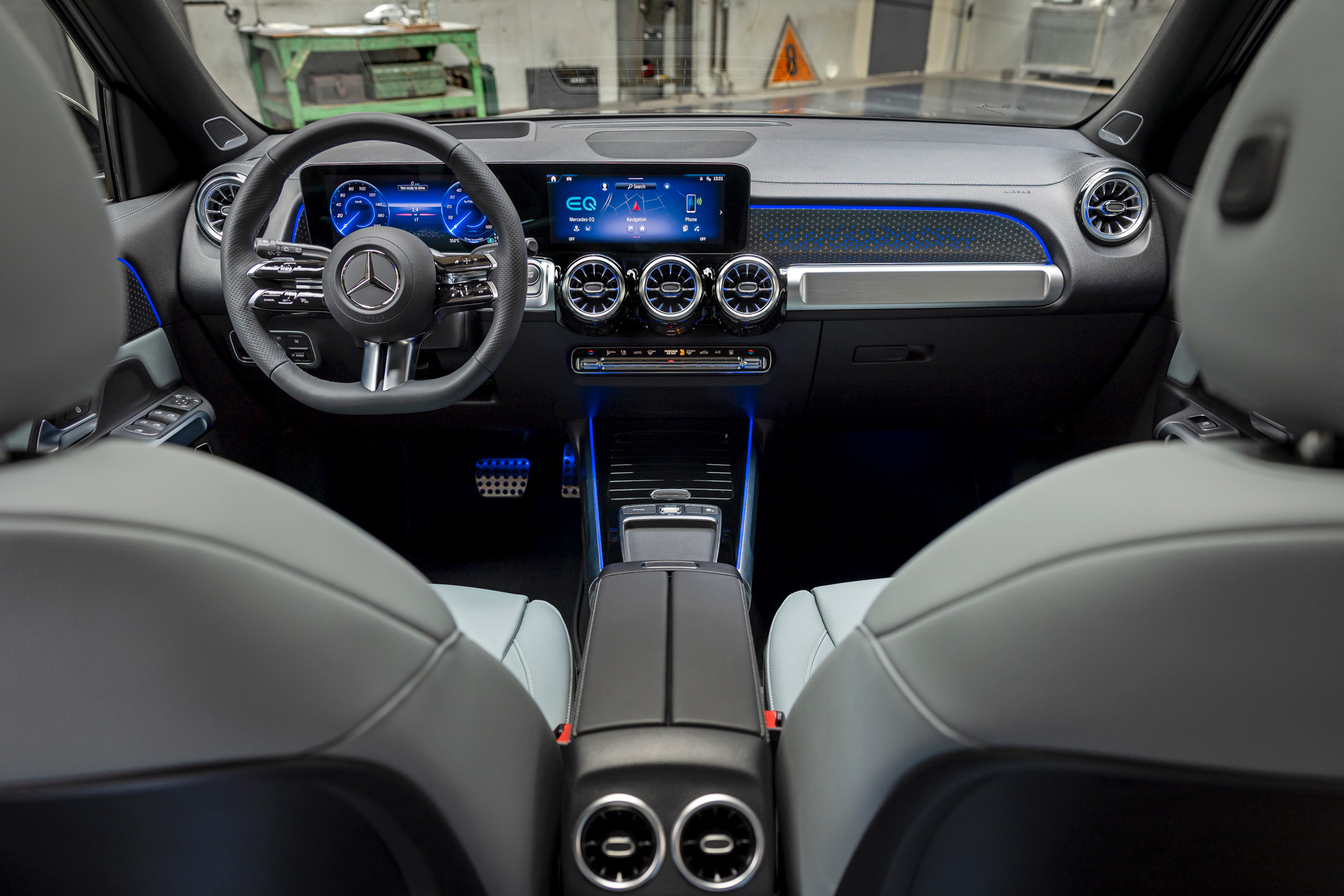
The case for the EQB is unusual. Most premium electric SUVs on a scheme seat five; the EQB seats seven, with a third row that suits children and occasional adults. That single fact is why a family higher-rate taxpayer keeps it on the shortlist over a five-seat Audi Q4 e-tron salary sacrifice or the smaller Mercedes EQA. The EQB shares its underpinnings and cabin with the EQA, so you get the same MBUX dual-screen layout and the same well-built interior, just with more metal behind the rear doors.
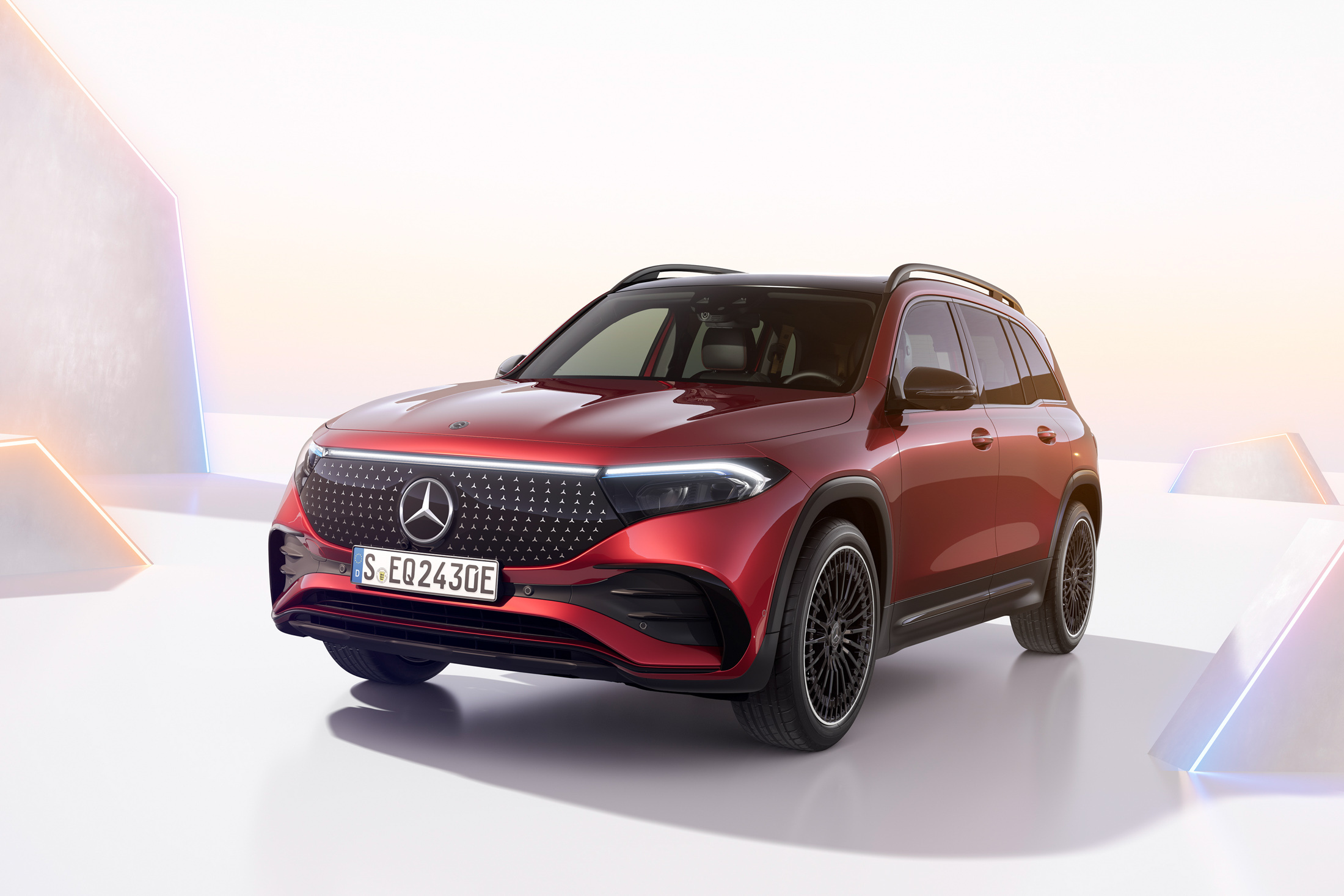
There is one honesty point to clear up front. Mercedes ended EQB production in early 2026 and replaced it with the GLB Electric (badged GLB with EQ Technology), which starts from around £46,100 and offers a longer 85kWh battery. The EQB is therefore a run-out and approved-used play now rather than a fresh factory order. The good news for payroll buyers: providers including loveelectric, My Electric Lease and Octopus Electric Vehicles still list remaining EQB stock on salary sacrifice in 2026, and used-car salary sacrifice schemes can place an EQB too. If you want a brand-new order, the GLB Electric is the natural replacement to price up alongside it.
How salary sacrifice works and who qualifies
Salary sacrifice lets you give up a slice of gross pay in exchange for a fully maintained electric car. Because the sacrifice comes out before Income Tax and National Insurance, you pay less of both, and the taxable benefit on an EV is currently very low. You need an employer that runs a scheme, and your sacrifice cannot take your gross pay below the National Minimum Wage, which rules the EQB out for lower earners but not for the senior staff and business owners these schemes target. If you are weighing this against taking the cash instead, our breakdown of salary sacrifice versus a car allowance sets out when each wins.
The Mercedes EQB salary sacrifice maths, step by step
The tax works in two parts. First, the gross sacrifice saves you Income Tax at your marginal rate plus employee National Insurance. For a higher-rate taxpayer earning between £50,271 and £125,140, the sacrifice comes off the top of your pay, above the National Insurance Upper Earnings Limit, so the NI relief is 2%, not the 8% main rate. That gives 42% total relief for a 40% taxpayer and 47% for a 45% additional-rate taxpayer. Second, you pay Benefit-in-Kind on the company-car benefit: P11D value multiplied by the appropriate percentage multiplied by your tax rate.
Per HMRC’s published appropriate-percentage tables (last checked 4 June 2026), the zero-emission BiK rate is 4% in 2026/27, then 5% in 2027/28, 7% in 2028/29 and 9% in 2029/30 under the schedule in the 2028 to 2030 company-car tax rates. The fifth year, 2030/31, has not been legislated yet, so we run the numbers over four years rather than invent a rate. Most EQB scheme terms run three or four years anyway.
Worked example: EQB 250+ for a 40% and a 45% taxpayer
We use the EQB 250+ Sport Executive, with a P11D value of £52,745 (fleetnews company-car data) and a representative gross sacrifice of £814 a month, which is the loveelectric scheme rate for an EQB 250+ including insurance, servicing, tyres and breakdown cover. The figures below are our own transparent calculation from those inputs. They are illustrative; your employer scheme, mileage and electricity allowance will move them.
| Cost line (EQB 250+, £814 gross/month) | 40% taxpayer | 45% taxpayer |
|---|---|---|
| Income Tax and NI relief on sacrifice | £341.88/mo | £382.58/mo |
| Take-home pay reduction before BiK | £472.12/mo | £431.42/mo |
| Year-one BiK tax (P11D £52,745 at 4%) | £70.33/mo | £79.12/mo |
| Month-one net cost | £542.45/mo | £510.54/mo |
| Four-year net cost total (BiK rising 4% to 9%) | £27,936 | £26,642 |
Two things stand out. The 45% taxpayer nets slightly cheaper despite paying more BiK, because the 47% relief on the sacrifice outweighs the higher benefit charge. And the four-year total climbs as the BiK rate rises from 4% to 9%, so the headline year-one number understates the real cost over a full term. The employee National Insurance saving alone is worth about £16 a month, or roughly £195 a year, on top of the Income Tax relief.
What a provider quote actually shows
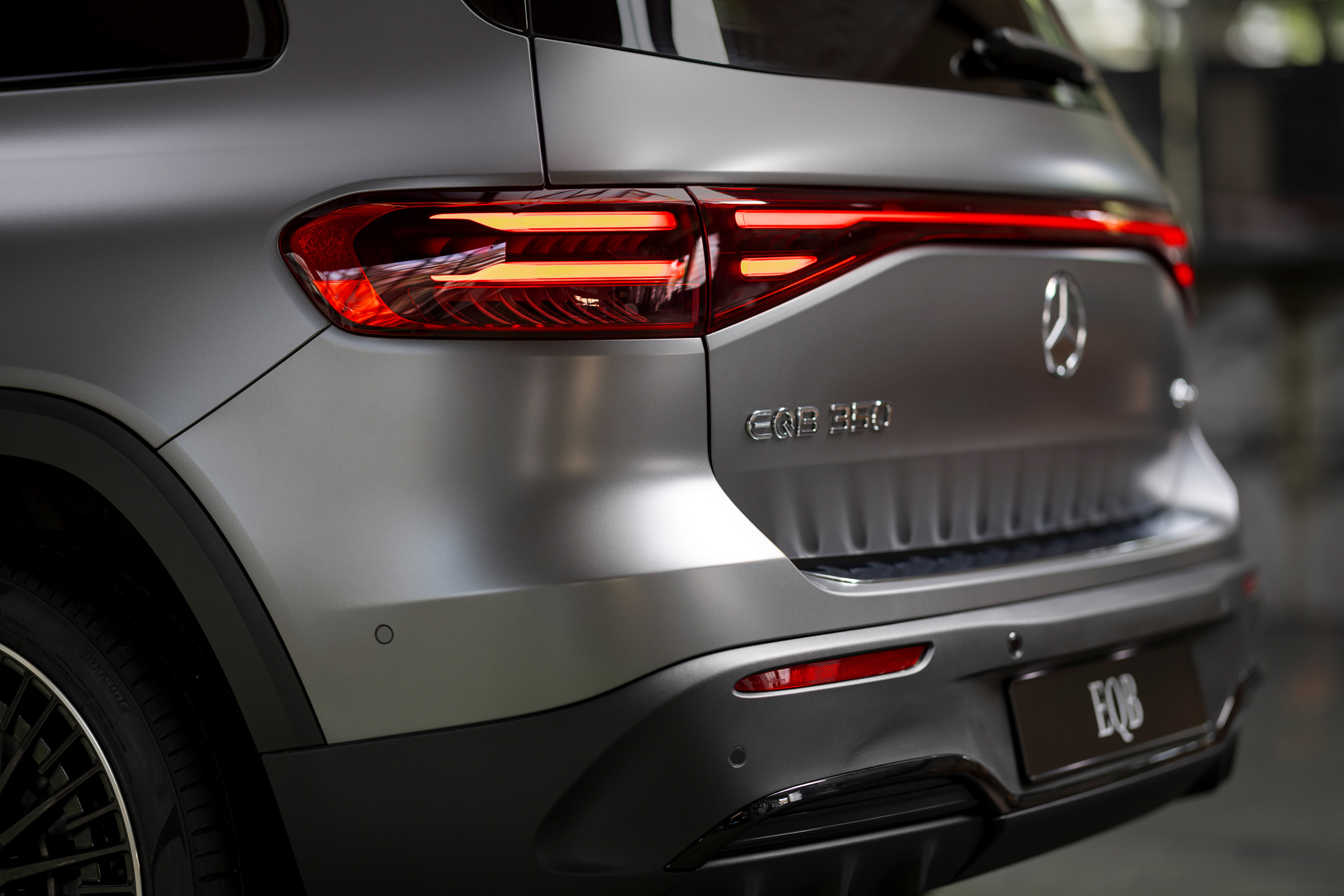
Published provider figures will not always match a clean P11D calculation, and that is normal. loveelectric quotes an EQB 250+ at roughly £503 a month net take-home for a 40% taxpayer on its own example, lower than our £542 month-one figure because the published net depends on what is bundled into the gross rate, the exact P11D and trim, and how each scheme passes back employer National Insurance. Treat any single provider headline as a starting point and ask for the full breakdown: gross sacrifice, what is included, the term, the mileage cap and the early-exit terms. For a sense of how providers differ on those terms, our Octopus EV versus loveelectric scheme comparison is the place to start.
Range honesty: WLTP versus what you will see
The EQB 250+ claims up to 321 miles WLTP from its 70.5kWh usable battery, but independent figures put a realistic combined range nearer 255 miles, and a cold motorway run will pull that lower again. The all-wheel-drive EQB 300 4MATIC (P11D £55,255) and EQB 350 4MATIC (P11D £56,755) trade range for traction and pace, with WLTP figures in the 250 to 285 mile band and real-world numbers lower still, as the Mercedes-Benz UK EQB pages set out by trim. For a family that mostly does the school run, supermarket and the odd long trip, the 250+ is the sensible choice; if you regularly tow or carry a full load, the 4MATIC versions make more sense despite the range hit. Charging tops out around 100kW, so this is not a car for back-to-back motorway sprints.
Why a family picks the EQB over an EQA or Q4
Strip the badges away and the EQB earns its place for one reason: seats. An EQA or a Q4 e-tron will be a little cheaper and a little longer-legged on range, but neither carries seven. If you have school-age children or grandparents to ferry, that third row is the deciding factor, and there is almost nothing else on a premium payroll list that offers it at this price. The closest seven-seat EV alternative on a scheme is the far pricier Volvo EX90 salary sacrifice, which sits in a different budget bracket entirely. If you do not need the seats, the saloon-shaped Mercedes EQE SUV salary sacrifice gives you more range and presence for the money.
Common misconceptions that cost EQB drivers money
Three traps catch payroll buyers. First, the BiK rate is not fixed: it rises every year, so your net cost in year four is meaningfully higher than year one, as our table shows. Second, leaving your employer mid-term can trigger early-exit charges unless the scheme carries early-termination protection, so check that clause before you sign. Third, insurance, tyres and charging are not always included; some schemes bundle them, some do not, and the EQB’s appetite for tyres on the bigger wheels is not trivial. A scheme that looks cheap on the gross figure can cost more once you add the missing pieces. The same discipline applies to any EV on payroll, including a Tesla Model Y salary sacrifice, where the bundle contents vary just as much.
How the EQB fits the wider 2026/27 EV tax picture
The 4% appropriate percentage that makes the EQB attractive applies to every fully electric company car in 2026/27, which is why a payroll lease remains the cheapest route into a premium EV for a higher-rate taxpayer. The gap to a petrol or diesel equivalent, where BiK can run to 37% or more, is enormous. If you want the full rate context before you decide, our explainer on company car tax for 2026/27 and EV BiK walks through the schedule and where it is heading. The EQB is not the longest-range or fastest-charging EV you can put on a scheme, but at this price with seven seats and a 4% benefit charge, the maths is hard to argue with for the right family.
Our view on Mercedes EQB salary sacrifice: take it for the seats and the tax, but go in with your eyes open. For a 40% taxpayer, a representative EQB 250+ at around £542 a month net in year one is strong value for a seven-seat premium EV, and the 45% earner nets a little less again. The catches are real: range trails the WLTP claim, charging is merely adequate, the BiK rate climbs to 9% by 2029/30, and the car is now a run-out model with a recall history worth checking. We would take the 250+ over the thirstier 4MATIC versions unless you genuinely need all-wheel drive, insist on early-termination protection in the contract, and confirm exactly what the gross rate bundles. If you want a brand-new order rather than run-out stock, price the GLB Electric successor alongside it before you commit. For a family that needs the third row, this is one of the few schemes that delivers it.
A note on scope: this is general consumer guidance, not personalised financial, tax or insurance advice. The figures here are illustrative and depend on your salary, tax band, employer scheme and personal circumstances. Check the current HMRC, FCA and MoneyHelper guidance and speak to a regulated adviser before you commit.
Can you still get a Mercedes EQB on salary sacrifice in 2026?
How much does an EQB cost a 40% taxpayer on salary sacrifice?
What is the BiK rate on the EQB for 2026/27?
What is the real-world range of the EQB?
Is the EQB better than an EQA or Audi Q4 e-tron for salary sacrifice?
What happens to my EQB scheme if I leave my job?
Where to check the EQB numbers before you commit
Before you sign anything, run these checks. Confirm the current zero-emission BiK rate on the HMRC company-car tax pages so your BiK figure is current. Ask your scheme provider for the full gross-to-net breakdown, the term, the mileage cap and the early-termination terms in writing. Cross-check the EQB’s recall and MOT record on the gov.uk MOT history service and the DVSA recall service by registration, since some EQB-era cars are covered by recall actions. Compare a run-out EQB against a new GLB Electric quote so you know what you are giving up on range and charging. And speak to a regulated tax adviser if your pay sits near a tax-band threshold, where the sacrifice can shift your marginal position.