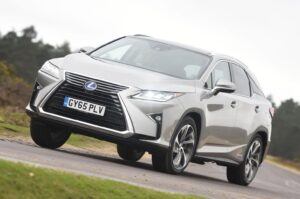
Lexus RX insurance sits high for a hybrid SUV with a reputation for never breaking, with current cars landing in ABI groups 42 to 46 depending on trim. The reason is value and theft risk, not unreliability, and the honest answer for a UK buyer is that the right trim choice and the standard factory security do more to shape your premium than any aftermarket gadget a tracker firm will try to sell you. Here is what the groups actually are, what Lexus fits as standard, and how to read the keyless-theft headlines without panic-buying.
What real owners say (CDE data)
CDE cross-referenced the Lexus UK insurance group ratings PDF (issued 31 July 2024), Parkers group listings for the 2022-on RX, and aggregated owner discussion across PistonHeads and the Lexus Owners Club on theft, premiums and security, reviewed 9 June 2026.
- Most-praised aspects: long-term reliability and low running stress, dealer service quality, and resale strength that softens the high insurance group on paper.
- Most-criticised aspects: insurance quotes that jump on the F Sport trims, postcode loading in London and the South East, and patchy clarity from insurers on what counts as adequate security.
- Reliability signal: the RX consistently rates among the most dependable large SUVs in UK owner surveys, and the theft concern is driven by desirability and parts value rather than any mechanical fault, with the most-quoted theft data dating to a 2021 to 2023 insurer sample rather than current-year figures.
Lexus RX insurance groups, 42 to 46 explained
The current RX, the fifth-generation AL30 launched in the UK in 2022, spans ABI groups 42 to 46 out of 50. The Lexus UK insurance group ratings document dated 31 July 2024 places the RX 350h petrol-hybrid variants in groups 42 to 43 across Premium Pack, Premium Plus Pack, F Sport Design and Takumi trims, with the RX 450h+ plug-in hybrid at 44 to 45, and the warm RX 500h F Sport Performance reaching the high 40s. Parkers lists the RX 350h F Sport Design at group 43 and the RX 500h F Sport at group 46, which matches. Every rated model carries a security rating of grade E and the T1 marker, the strongest factory-security band the rating panel awards.
Groups in the 40s sound alarming until you see the company the RX keeps. A group 43 to 46 rating is normal for a £63,000-plus premium SUV, and it sits below the worst of the German rivals once you option them up. If you want the full picture of how the rating panel arrives at these numbers, our explainer on how premium car insurance groups are decided walks through the repair-cost and performance inputs that push a model up or down the scale.
Why the trim you pick moves the premium
The spread from group 42 to group 46 is roughly the difference between a sensible Premium-trim RX 350h and a fully-loaded RX 500h F Sport Performance. Those four groups are not trivial: each step up the ABI scale typically adds to the base risk price before your own postcode, age and history are even applied. The 500h carries a more powerful turbocharged hybrid drivetrain, bigger brakes, larger alloys and bespoke F Sport body parts, all of which raise the cost of a repair and therefore the group. If your priority is the lowest realistic premium, the RX 350h in Premium or Premium Plus trim is the one to quote first.
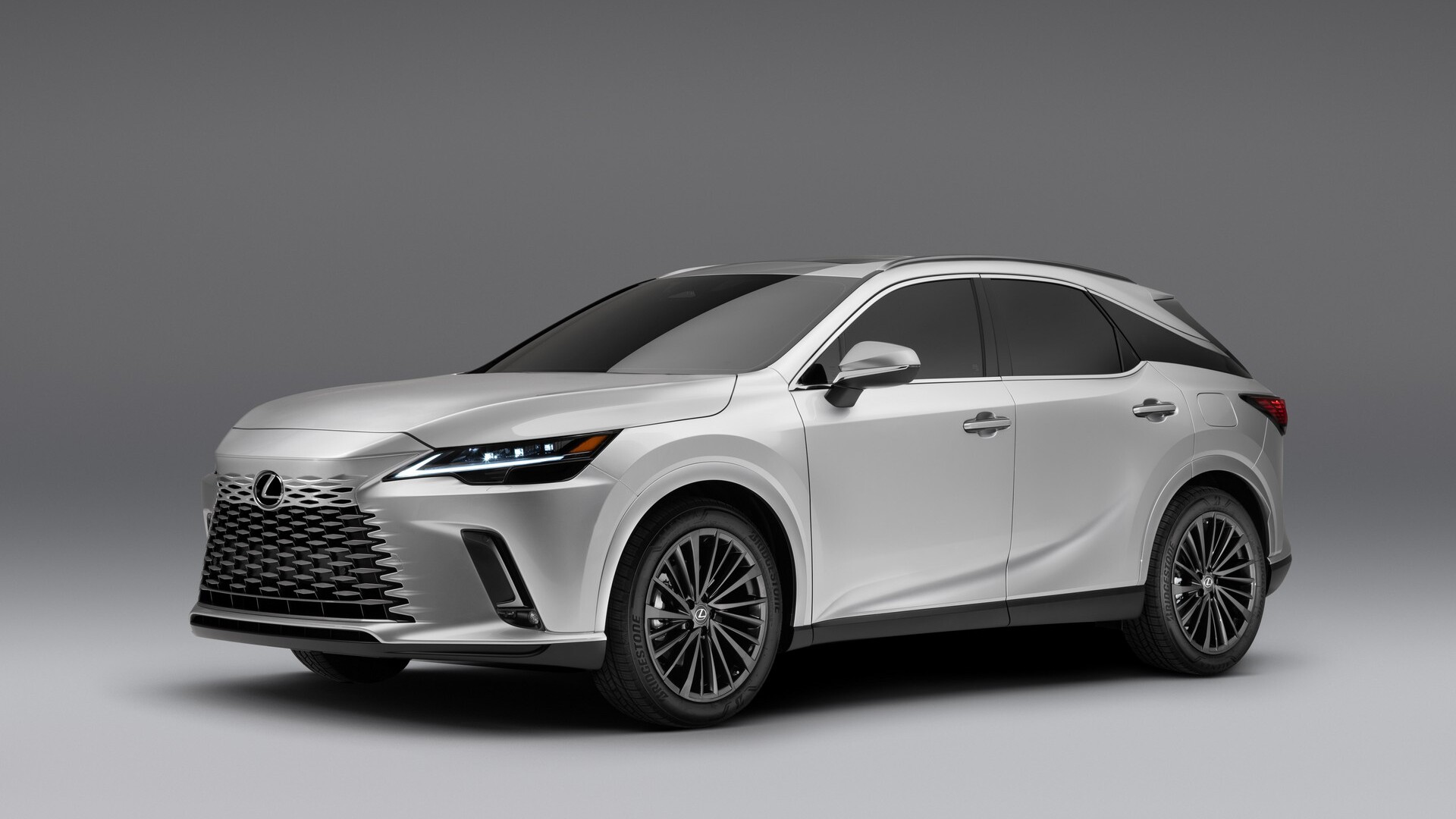
On price, Lexus UK lists the RX 350h Premium from around £63,445 in early 2026, with the RX 450h+ Premium plug-in hybrid from roughly £65,095 and higher trims climbing past £77,000. The brief flagged the 450h+ flagship from £63,995; the figure we use is the Lexus-published £65,095 for the 450h+ Premium, since trim and dealer-pack differences explain the gap and the higher number is the safer one to quote. Either way, this is a high-value car, and the value itself is most of the reason the group sits where it does. If you are weighing the running-cost case over time, the way the RX holds money is a genuine offset, much as we found in our look at Lexus NX residual values further down the range.
The keyless-theft headlines, read honestly
You will have seen the number: Lexus theft claims up 513 per cent, with the RX among the most-targeted models. That figure comes from insurer LV data covering September 2021 to September 2023, reported via Zego and This is Money, and in that same sample the RX accounted for around 54 per cent of all Lexus theft claims. It is real, but it is a two-year-old snapshot, not a current 2026 rate, and it is insurer data rather than anything Lexus published about its own cars. Treat it as evidence that desirable Japanese SUVs became a relay-attack target in that period, not as a live verdict on a car you would insure today.
The methods matter because they shape what actually protects the car. Thieves on these platforms have used relay attacks to extend the signal from a key left near a front door, and on some 2022-on cars, controller-area-network injection through the headlight or wheel-arch wiring. That is why a faraday pouch for the key and an OBD or CAN guard are sensible, but neither is a substitute for understanding the security the car already carries. The vendor-led pages that dominate this search exist to sell you a tracker; a tracker helps recovery after a theft, it does not stop one.
The factory security most buyers do not know they have
Lexus fits a Thatcham Category 1 alarm and engine immobiliser as standard on the current RX, which is the strongest factory tier and is what earns the grade E, T1 marker on the insurance ratings. More usefully against relay theft, the RX uses a motion-sensor smart key that drops into a sleep state after a few minutes of inactivity, so a key sitting still on a hall table stops broadcasting and cannot be relayed. It is a quietly effective defence that the tracker-selling pages rarely mention.
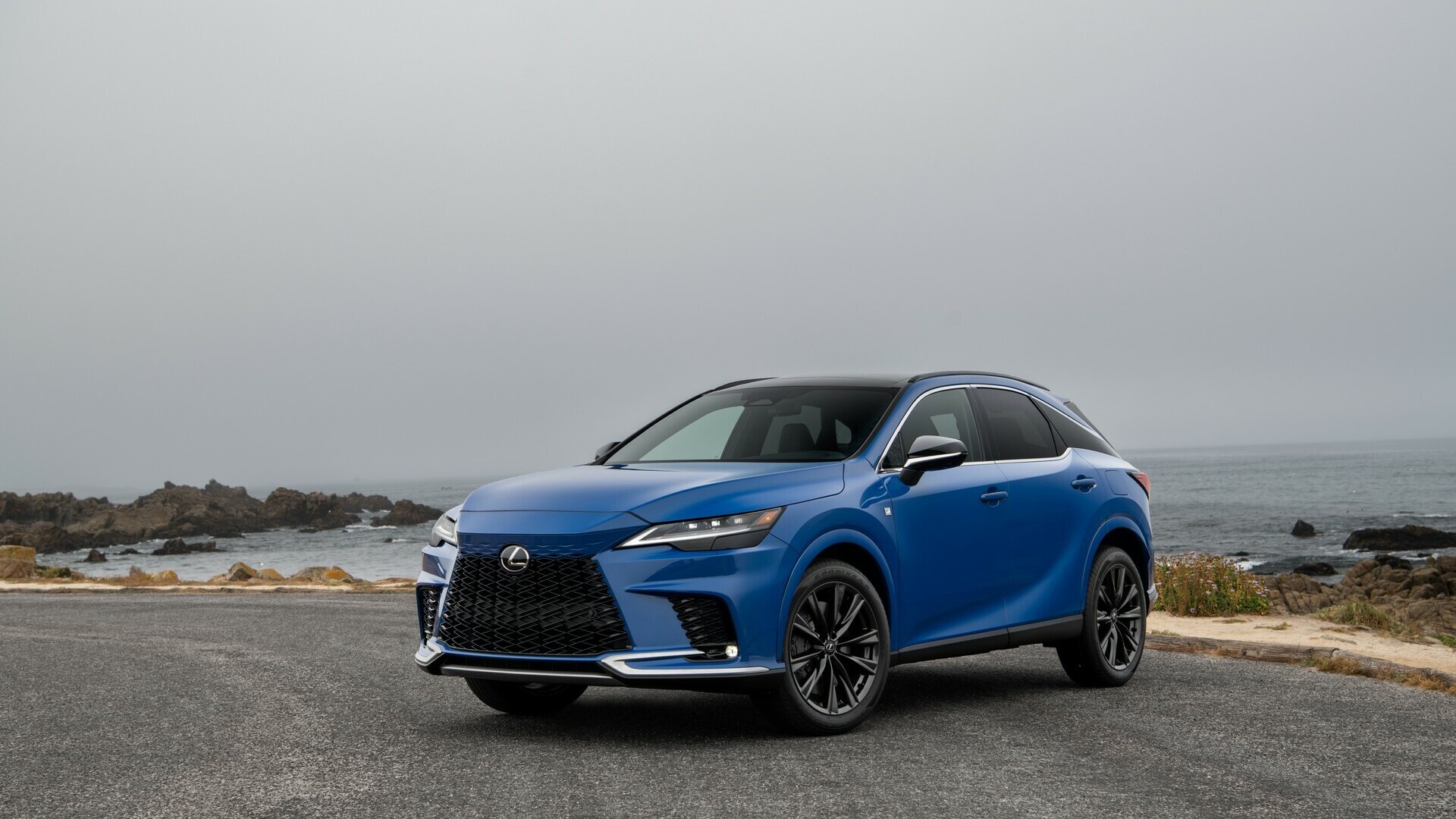
Where a tracker does earn its place is on the highest-value trims and in high-theft postcodes, where some insurers will ask for a Thatcham-approved S5 device before they quote a competitive price at all. We set out when that requirement bites, and what an S5 unit actually does, in our guide to Thatcham S5 trackers and keyless theft. The point is to fit one because your insurer rewards it, not because a scare-led pop-up told you to.
Lexus RX insurance: the fixed-price offer, and where it stands now
Part of the Lexus RX insurance story over the past year was a manufacturer-backed answer to exactly these premium spikes. Lexus ran a three-year fixed-price insurance offer for retail buyers covering purchases between 1 November 2025 and 31 March 2026, open to drivers aged 27 to 76 with a full UK licence, at least a year of UK residency and a clean record, with a quoted example of £480 a year on the smaller LBX. It was a genuinely interesting idea, because a fixed premium for three years removes the renewal-shock risk that hits high-group cars hardest.
The honest position in June 2026 is that the offer window closed on 31 March 2026 and we could not verify a current replacement, so do not buy an RX expecting to walk into that exact deal today. Check the live Lexus UK offers and the dealer directly for what is running now. The wider lesson holds though: a manufacturer prepared to underwrite three years of premium tells you it expects a well-secured, well-built car to be insurable at a sane price, which is the opposite of the message the tracker-sellers push.
How to cut the quote without cutting cover
The levers that actually move an RX premium are mundane and within your control. Choose a lower-group RX 350h Premium over a 500h F Sport if you can live without the warm trim. Garage the car overnight where possible and keep the key in a signal-blocking pouch. Set a sensible voluntary excess, but read the trade-off first in our breakdown of voluntary and compulsory excess on a premium car so you are not left exposed on a claim. On a high-value SUV, also consider whether you want valuation certainty, which is where agreed value versus market value cover becomes worth understanding. Owners of equally targeted high-value SUVs face the same maths, as our piece on why Range Rover insurance costs run so high shows.
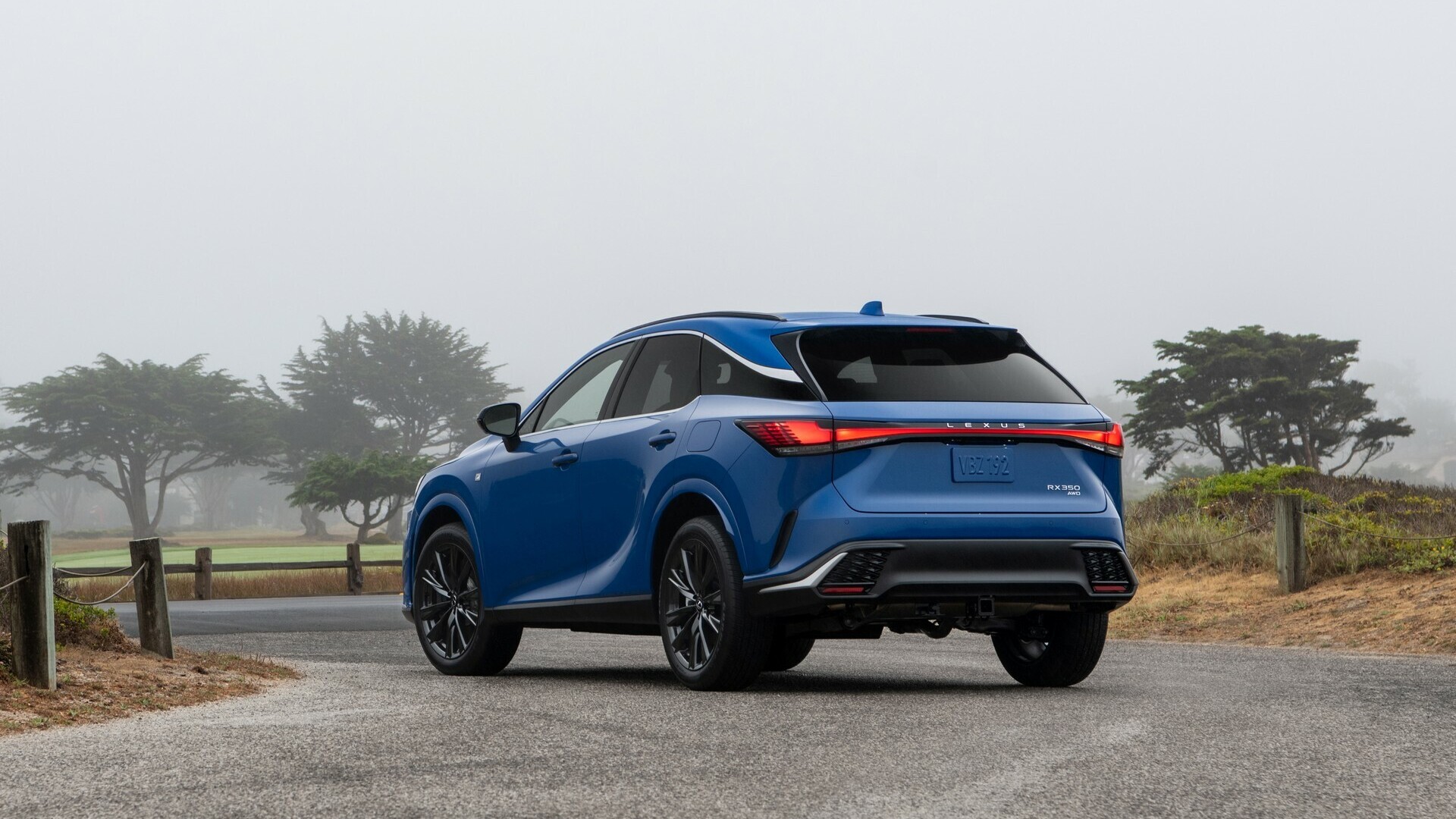
One more route many buyers miss: a slightly older self-charging RX from the previous AL20 generation sits a few groups lower, costs far less to buy and insure, and carries the same reliability reputation. If a brand-new car is not essential, our Lexus RX 450h AL20 used buyer’s guide makes the case for the bullet-proof hybrid at roughly half the new-car price.
Where to check before you insure
Five practical checks before you commit to an RX and a policy:
- Confirm the exact ABI group for the precise trim and model year on Parkers’ RX insurance-group listing before you quote, because one trim step can cross a group boundary.
- Read the standard security on the current car at the Lexus UK security page so you know what the car already has before paying for extras.
- Ask the insurer in writing whether a Thatcham-approved S5 tracker is required for your postcode and trim, and what discount it earns if fitted.
- Compare general guidance on protecting yourself from keyless theft via Thatcham Research, the body behind the security ratings insurers use.
- Confirm the current Lexus offers and any insurance support directly with a Lexus Centre, since the 2025 to 2026 fixed-price deal has closed and terms change.
Lexus RX insurance reads worse on the group sheet than it feels in practice. Yes, the current car sits in groups 42 to 46, and yes, desirable Japanese SUVs were a relay-theft target in the 2021 to 2023 period the headlines lean on. But this is a car the factory secures to the top Thatcham tier, fits with a sleep-mode key that defeats the most common attack, and that holds its value strongly enough to soften the premium over time. Our view is to insure the trim you genuinely need rather than the one you fancy: an RX 350h Premium will quote meaningfully cheaper than a 500h F Sport, and the gap funds a faraday pouch and an insurer-approved tracker with change to spare. Buy the security you control, not the fear a tracker advert is selling, and the RX is one of the more sensible high-value SUVs to run.
What insurance group is the Lexus RX in?
The current 2022-on Lexus RX sits in ABI groups 42 to 46 out of 50. The RX 350h petrol-hybrid trims fall in groups 42 to 43, the RX 450h+ plug-in hybrid in 44 to 45, and the RX 500h F Sport Performance reaches group 46, per the Lexus UK insurance ratings and Parkers. Trim and model year set the exact group, so always confirm before you quote.
Is the Lexus RX a high theft risk in 2026?
The widely quoted figure of Lexus theft claims rising 513 per cent comes from insurer LV data for September 2021 to September 2023, not a current 2026 rate, and the RX made up around 54 per cent of Lexus claims in that sample. It reflects a relay-attack wave on desirable Japanese SUVs in that period. Current cars carry stronger factory defences, so treat the headline as dated context rather than today’s verdict.
What standard security does a new Lexus RX have?
Every current RX ships with a Thatcham Category 1 alarm and engine immobiliser, the top factory tier, which earns its grade E, T1 security marker on the insurance ratings. It also uses a motion-sensor smart key that enters a sleep state after a few minutes of inactivity, so a stationary key stops broadcasting and cannot be relayed. That sleep-mode key is the most effective standard defence against the common relay attack.
Do I need a tracker to insure a Lexus RX?
Not always, but on the highest-value trims and in high-theft postcodes some insurers ask for a Thatcham-approved S5 tracker before they quote competitively. A tracker aids recovery after a theft rather than preventing one, so fit it because your insurer rewards it with a lower price, alongside a faraday key pouch and overnight garaging, not because a scare-led advert told you to.
Is the Lexus three-year fixed-price insurance offer still available?
No. Lexus ran a three-year fixed-price insurance offer for retail purchases between 1 November 2025 and 31 March 2026, open to drivers aged 27 to 76 with a full UK licence, a year of UK residency and a clean record. That window has closed and we could not verify a current replacement as of June 2026, so check the live Lexus UK offers and your dealer for whatever is running now.
Which Lexus RX trim is cheapest to insure?
The RX 350h in Premium or Premium Plus trim is the lowest-group choice at group 42 to 43, so it quotes cheapest. The RX 500h F Sport Performance sits at group 46 with bigger brakes, larger alloys and bespoke body parts that raise repair costs. If a low premium matters more than the warm trim, quote the 350h Premium first and add a signal-blocking key pouch.