Car Deal ExpertIndependent UK car-buying guidance: premium used cars, finance, salary-sacrifice EVs, insurance, recalls and consumer protection since 2008.
Gap Insurance in 2026: Is It Worth It After the FCA Shake-Up?
After the FCA forced GAP insurers to slash commission in 2024, is gap insurance worth buying in 2026? The real answer comes down to where you buy it , and the…
Gap Insurance in 2026: Is It Worth It After the FCA Shake-Up?.
For every £100 drivers spent on gap insurance in 2022, just over £6 came back as a claim. The rest, in too many cases, paid the people selling it. That single figure , buried in the Financial Conduct Authority’s value-measures data , is what blew the whole market open, and it’s why the FCA persuaded insurers to suspend sales on 9 February 2024. Two years on, gap insurance is back on sale, reshaped , and the question I keep getting asked is whether the shake-up made it worth buying, or just slightly less indefensible.
My answer is more interesting than a yes or no. The product the regulator went after , the one sold to you across a dealer’s desk while you sign for the car , is still the one I’d be wary of. The version you buy yourself, a week later, with a clear head, is a genuinely different proposition. The FCA didn’t kill gap insurance. It exposed how much of what you paid was never insurance at all.
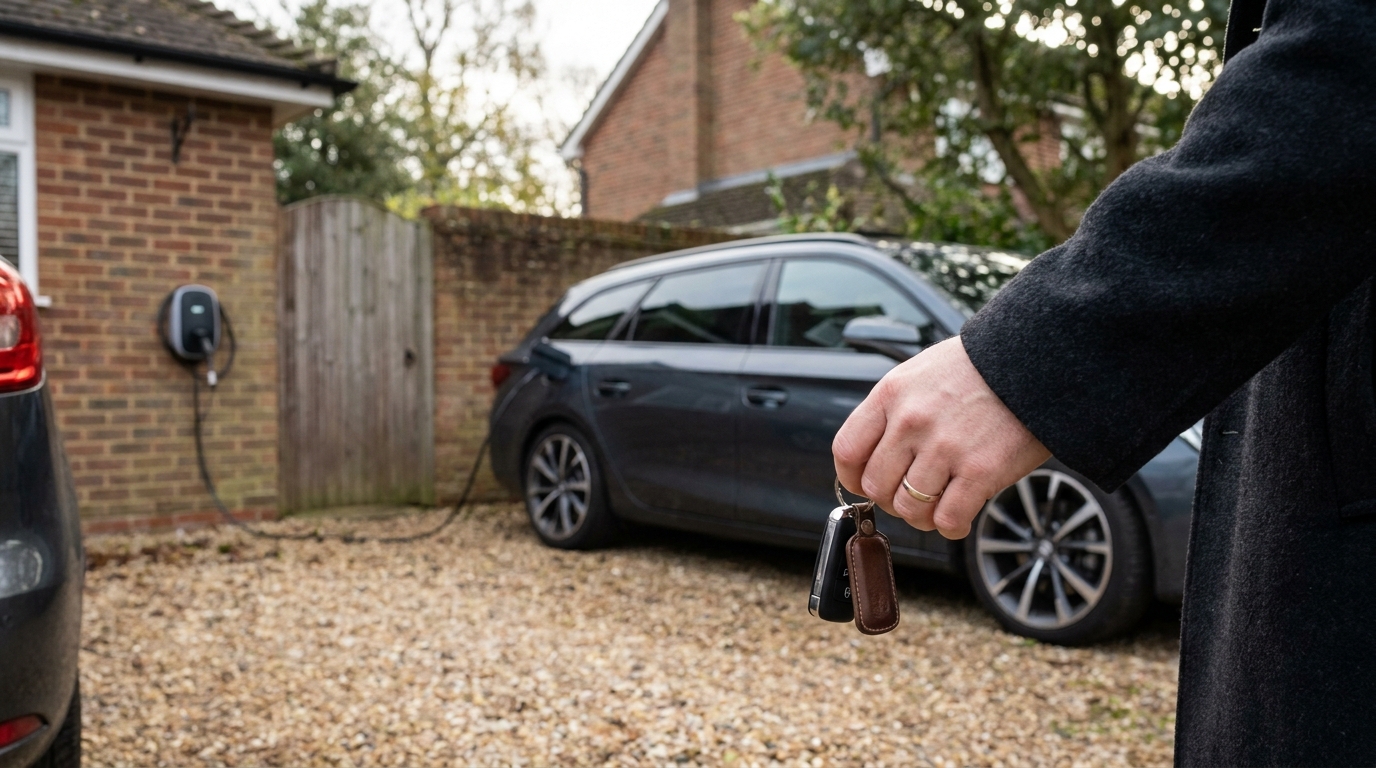
Image: Assurant
What the regulator actually found
Strip away the press-release language and the numbers are stark. The FCA’s data showed that, on average, only around 6% of gap insurance premiums were ever paid back to customers as claims. At the same time, some firms were handing over as much as 70% of the premium in commission to the parties selling the policy , typically the dealership. With 2.4 million gap policies in force, that’s a lot of money flowing to the forecourt rather than into cover.
Image: CDE
Under the Consumer Duty, that’s not a grey area. A product where six pence in the pound comes back as protection and seventy pence goes to the salesperson does not represent fair value, and the regulator said so plainly. Firms accounting for the bulk of the market agreed to pause new sales while they reworked the maths.
Image: CDE
The FCA didn’t decide gap insurance was a bad idea. It decided that paying 70% of your premium to the person selling it was , and that’s a distinction worth holding onto.
Image: Assurant
What changed when sales came back
The pause wasn’t permanent. From 24 May 2024 the FCA allowed firms to recommence selling , Fortegra, Motors Insurance, AmTrust Europe and Financial & Legal among the first , but only after they’d cut commission to “materially lower” levels. Sheldon Mills, the FCA’s executive director of consumers and competition, framed it bluntly: “We took action when our data showed that customers were not getting a fair deal.”
Image: CDE
The intended effect is to drag the claims ratio up from that dismal 6% towards roughly 30% , meaning a far larger share of every premium actually exists to protect you. That’s the part that matters. A policy paying out 30p in the pound is still no charity, but it’s a recognisable insurance product rather than a commission-harvesting exercise dressed up as one.
Where you buy it still decides almost everything
Here’s the bit the headlines about the shake-up tend to skate over: the single biggest lever on whether gap insurance is worth it isn’t the FCA’s intervention at all. It’s where you buy the policy.
Image: CDEImage: CDE
Gap cover, three-year term
Bought at the dealer’s desk
Bought independently online
Typical price range
£300 to £800
From around £90
Standalone average
Around £350 (forecourt)
Just under £240 (return-to-invoice)
Insurance Premium Tax
20% (higher rate)
12% (standard rate)
Where I’d buy
Avoid
Winner: cheaper, lower tax, cleaner value
Dealer versus independent gap insurance, based on the FCA’s value-measures findings and current independent-provider pricing.
Buy it from the dealer selling you the car and you’re often looking at £300 to £800 for three years, with the dealership’s standalone forecourt average sitting around £350. Buy the same style of cover from an independent provider online and prices start from roughly £90 for three years, with typical return-to-invoice policies averaging a little under £240. That’s not a small gap. Buying away from the forecourt can cut the cost by more than half.
Part of that difference is tax, and it’s a quirk worth knowing. Insurance Premium Tax is charged at the higher 20% rate when gap cover is sold to you by the same dealer selling the car , but at the standard 12% rate when you buy it standalone. So the forecourt version is more expensive before anyone has added a penny of margin. The regulator squeezed the commission; it didn’t touch the tax structure.
Image: CDE
Who it’s genuinely worth it for in 2026
I don’t think gap insurance is a con. I think it’s a narrow product that’s been sold far too widely. It earns its place for a specific buyer: someone driving a new or nearly-new car they’ve financed or leased, where depreciation and the finance settlement can leave a real shortfall if the car is written off.
Image: CDE
The depreciation maths is the whole argument. A new car can shed 15–35% of its value in the first year and up to around 60% over three. If your car is stolen or written off, your motor insurer pays today’s market value , not what you paid, and not what you still owe the finance company. Return-to-invoice gap cover bridges back to the original purchase price; vehicle-replacement cover (averaging closer to £340) aims to fund a brand-new equivalent. For a buyer with a £40,000 car on PCP, that shortfall in year one can run to thousands. That’s the scenario gap insurance was actually built for, and where I’d consider it , bought independently, at the standalone rate.
Image: CDE
Who should leave it well alone
Plenty of people are sold it who shouldn’t be. If you bought an older car outright with cash, there’s no finance shortfall to bridge and the sums rarely justify the premium. If your comprehensive policy already includes new-car replacement in the first year, you may be paying twice for the same protection. And if you’re the kind of owner who keeps a car for a decade, the depreciation curve flattens and the case thins with every year you hold it. Gap insurance is a young-car, financed-car product. Outside that, I’d keep my money.
The change still coming in 2026
The story isn’t quite finished. As part of its wider drive to simplify the insurance rulebook, the FCA is due to decide during 2026 whether the gap-specific rules are even still needed , the question being whether the 2024 clean-up did enough to stop the harm, or whether the guardrails should stay. For buyers, the practical takeaway doesn’t change either way: the protection you get now reflects a market under scrutiny, and that scrutiny is exactly what made the product defensible again.
The version I’d buy , and the one I’d leave on the forecourt
So, is gap insurance worth it after the shake-up? For the right driver, in its reformed, independently-bought form, yes , and more so than at any point before the FCA stepped in. If I’d just financed a new car and the idea of carrying a four-figure shortfall after a write-off kept me up at night, I’d buy return-to-invoice cover online, pay the 12% tax rate, and treat it as cheap peace of mind on an expensive asset.
Image: CDE
What I would not do is sign for it across the desk in the same ten minutes I signed for the car, at the 20% rate, on a policy whose commission history is the whole reason the regulator got involved. The product is finally closer to fair value. Whether you actually get fair value still comes down to the oldest rule in motoring finance: never buy the add-on from the person selling you the car.
Buyer action
Where to check next
Use this as the final check before paying a deposit, signing finance paperwork or relying on a headline monthly figure.
We use cookies to make this site work, measure how it is used, and (with your consent) personalise advertising. Strictly necessary cookies always run. Analytics and advertising cookies run only if you accept. See our Cookie Policy and Privacy Policy.
Car Deal Expert — independent UK automotive publisher since 2008.