Choosing between credit cards for a premium car deposit comes with a catch most buyers get wrong: Section 75, the powerful consumer right people assume protects a card deposit, only covers items costing up to £30,000, so a £40,000-plus car falls outside it entirely. That changes the whole calculation. For premium buyers the real reasons to use a card are rewards from the likes of Amex, Barclaycard Avios and NatWest, plus chargeback recourse on the amount you pay. This guide explains exactly what protection you do and do not get, and how to use a card the right way without relying on cover you have not actually got.
What CDE found on paying a car deposit by card
We looked at how a credit-card deposit actually behaves at a UK dealer, drawing on the Section 75 rules in the Consumer Credit Act 1974 and the published guidance from MoneyHelper and MoneySavingExpert. The headline most premium buyers miss: Section 75’s whole-purchase protection stops at a £30,000 cash price, so on a £40,000-plus car the rewards and chargeback are the real benefits, not statutory cover.
- The £30,000 cap: Section 75 joint liability applies to single items costing more than £100 and up to £30,000, so it does not cover a premium car priced above that.
- Most common limit: dealers cap how much you can put on a card, often to a few thousand pounds, to manage their fees.
- The deal-breaker: carrying a balance at a standard purchase APR wipes out any rewards within months.
Why pay a premium car deposit on a credit card at all
There are two genuine reasons, and the order depends on the car’s price. On a car costing £30,000 or less, the headline reason is protection: paying any part on a credit card gives you Section 75 rights on the whole car that a debit card or bank transfer do not. On a premium car above £30,000, that whole-car Section 75 cover does not apply, so the main reasons become rewards and the chargeback recourse your card scheme offers on the amount you actually pay. Either way, a deposit of a couple of thousand pounds on the right card earns Avios, cashback or points that a bank transfer earns nothing on, so putting the deposit on a card is usually still worthwhile, provided you clear the balance straight away.
What a credit card is not good for is funding the whole car. Dealers limit card payments, and the standard purchase APR on any balance you cannot clear is far higher than dedicated car finance. The card is a tool for the deposit and for protection, not a way to borrow tens of thousands of pounds.
Section 75 and the £30,000 cap that catches premium buyers
Under Section 75 of the Consumer Credit Act 1974, when you buy a single item costing more than £100 and up to £30,000 and pay any part on a credit card, the card provider is jointly and severally liable with the retailer for breach of contract or misrepresentation, on the whole purchase price. That is genuinely powerful, but the cap is the catch: a car with a cash price above £30,000 is outside Section 75 altogether, so a card deposit on a £40,000 or £60,000 premium car does not give you whole-car Section 75 cover. This is the single most common misconception we see, and it matters because premium buyers are exactly the people who assume they are protected when they are not.
Two things partly fill the gap. For a cash price between £30,001 and £60,260, Section 75A can apply, but only through a “linked credit agreement”, finance arranged specifically to buy that car, such as dealer-arranged PCP or hire purchase, not a general reward credit card paying a deposit, and you must pursue the dealer first. Separately, chargeback (a Visa, Mastercard or Amex scheme rule rather than a legal right) lets you ask your card provider to reverse the amount you actually paid if, say, the dealer fails to deliver, within time limits. So on a premium car, a card deposit gives you chargeback on the deposit and any rewards, not blanket Section 75 on the whole car. Keep the paperwork and pay the dealer directly either way.
The reward cards worth using: Amex, Barclaycard Avios, NatWest
Once protection is sorted, rewards are the tie-breaker. American Express cards earn Membership Rewards points or Avios and tend to offer the richest earn rates, but acceptance at car dealers is patchier than Visa or Mastercard, so check before you rely on it. Barclaycard’s Avios card suits buyers building points towards flights, and NatWest’s Reward range offers straightforward cashback that is easy to value. The right card depends on what you already collect and how you spend the rest of the year, not on the car alone. Always read the current terms on the issuer’s own page, because reward rates, fees and welcome offers change frequently.
| Card type | Best for | Watch out for |
|---|---|---|
| American Express (Rewards / Avios) | Highest earn rates, points collectors | Dealer acceptance, annual fees on premium cards |
| Barclaycard Avios | Building Avios towards flights | Earn caps and fees, check current terms |
| NatWest Reward | Simple, easy-to-value cashback | Lower earn than premium points cards |
The catch: dealer card caps and clearing the balance
Two things stop the card trick being a free lunch. First, almost every dealer caps card payments, commonly somewhere between £500 and a few thousand pounds, because they pay a merchant fee on every card transaction. That is fine: on a car up to £30,000 a part-payment still secures Section 75 on the whole car, and on a pricier premium car the deposit is the amount your chargeback rights and rewards attach to anyway. Second, and more important, the rewards only beat the cost if you clear the statement in full. Carry the balance at a typical purchase APR and the interest will dwarf any cashback or Avios within a couple of months. Treat the card as a payment method you settle immediately, never as borrowing. If you are weighing how big a deposit to put down at all, our premium PCP deposit strategy guide covers the wider decision.
0% purchase cards versus putting it on finance
If you genuinely need to spread the deposit rather than clear it at once, a 0% purchase credit card can be cheaper than dealer finance for that slice, provided you repay it before the promotional period ends and you can still get the deposit onto the card within the dealer’s cap. But this is a narrow tactic, not a way to fund a car: the moment the 0% period lapses the rate jumps, and the sums only work with discipline. For the car itself, compare proper finance routes instead, as we do in our PCP vs HP comparison and our look at the FCA motor-finance redress scheme. A credit card protects and rewards your deposit; it should not be financing the balance.
For a clear explanation of how Section 75 protection works and when you can claim, this guidance from Martin Lewis is worth watching before you pay any deposit.
How to use a card for your deposit the right way
Do it in this order and the card works for you, not against you:
- Confirm the dealer accepts your card and ask its maximum card payment before you commit.
- Put at least part of the deposit on a credit card: on a car up to £30,000 this secures whole-car Section 75, and on a pricier car it gives chargeback and rewards.
- Keep the receipt, order form and any advertised description in case you ever need to claim.
- Pay the card statement in full the moment it lands, so no interest is charged.
- Pick the card by the rewards you actually use, and check the current terms on the issuer’s page.
- Never use the card to fund the balance of the car; compare proper finance for that.
Our view on credit cards for a premium car deposit is simple: use one, but know what it does. On a car costing £30,000 or less, a card deposit buys you genuine Section 75 protection on the whole car, which is worth far more than any points. Above £30,000, that whole-car cover does not apply, so the case rests on rewards plus chargeback on the amount you pay, still useful, but not the safety net many assume. Treat the rewards from Amex, Barclaycard Avios or NatWest as a welcome extra and choose by what you already collect. The buyers who get burned are those who think Section 75 has their £50,000 car covered when it does not, and those who fund the balance on a card and let it run at a purchase APR. Pay the deposit on a card, settle it immediately, keep your paperwork, and understand exactly which protection applies.
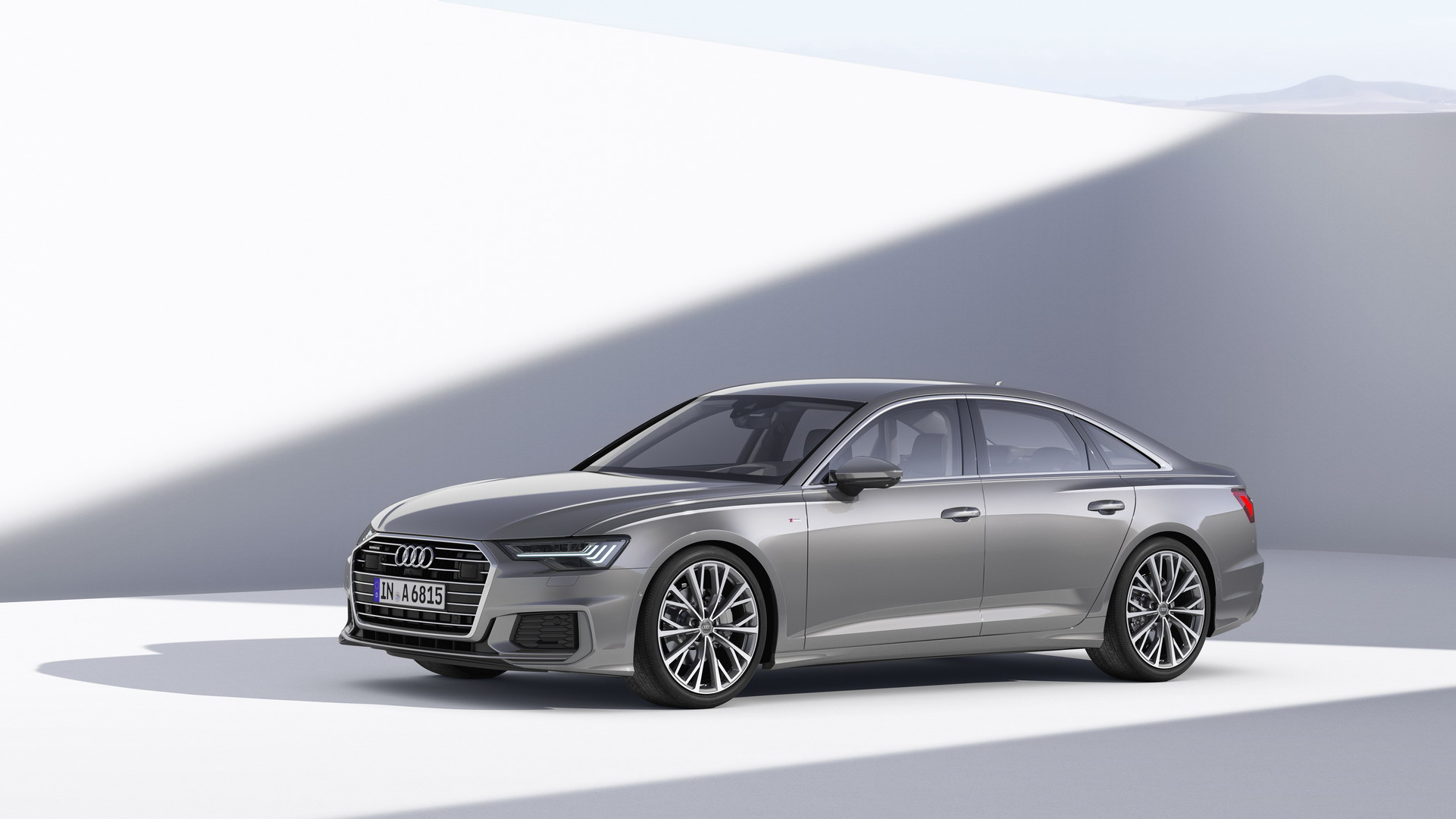
Should I pay my car deposit on a credit card?
Does Section 75 cover a £40,000 car bought with a card deposit?
Which credit card is best for a premium car deposit?
How much of a car can I put on a credit card?
Will using a credit card affect my car finance application?
Related reading on CDE
Buyer action
Where to check next
Use this as the final check before paying a deposit, signing finance paperwork or relying on a headline monthly figure.