Section 75 of the Consumer Credit Act 1974 is the single most valuable consumer protection in UK retail finance.
[cde-callout type=”methodology” title=”How CDE compared the cards for a £5,000-£10,000 car deposit”]
We walked each issuer’s published UK terms on 25 May 2026, cross-referenced MoneySavingExpert and Which? credit-card analyses, and verified Section 75 mechanics against the 1974 Act (legislation.gov.uk) and FCA-aligned MoneyHelper guidance. Issuer fees and earn rates are cited from published cardholder agreements; readers should confirm currency on issuer pages before applying. Dealer surcharge ranges are observational across major UK groups — always confirm with your retailer before card payment.
[/cde-callout]
Why your car deposit belongs on a credit card (Section 75 in 60 seconds)
Section 75 of the Consumer Credit Act 1974 is the single most valuable consumer protection in UK retail finance. If you use credit to pay a supplier and that supplier breaches the contract or misrepresents the goods, “the creditor, with the supplier, shall accordingly be jointly and severally liable to the debtor” (s.75(1), Consumer Credit Act 1974). Your card company is on the hook for the dealer’s misdeeds, up to the full value of the contract.

Critically, you do not need to put the whole car on credit to trigger s.75. MoneySavingExpert puts it cleanly: “you get the protection for the whole cost of an item or service, even if you only pay for a part of it on credit.” Pay £100 of a £20,000 used car on a credit card and the issuer is jointly liable for the full £20,000.
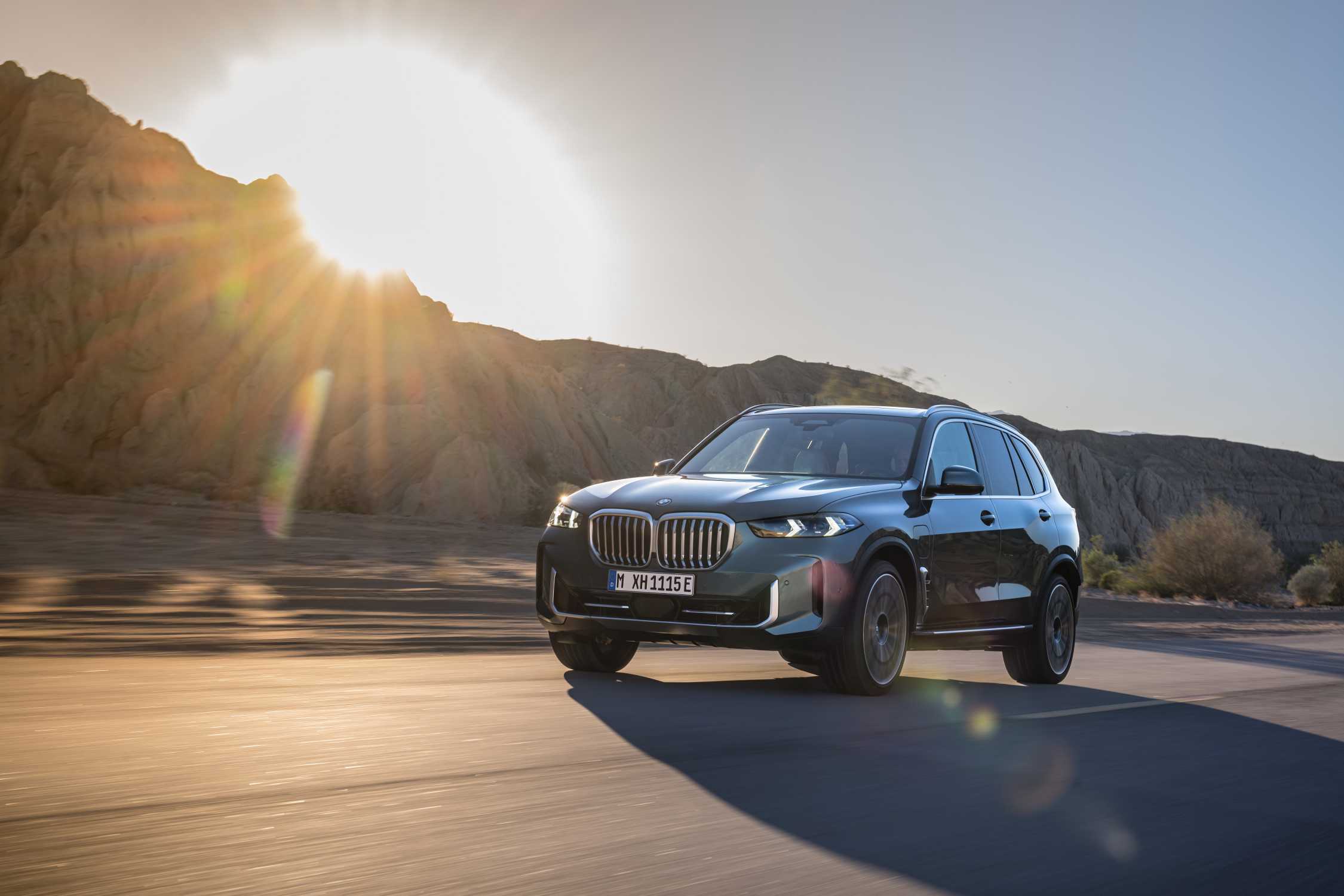
The catch — and the entire reason this post exists — is the statutory ceiling. Section 75(3)(b) excludes any single item with a cash price below £100 or more than £30,000. Range Rover Sport at £85,000? Outside s.75. Porsche Macan at £65,000? Outside s.75. BMW X5 at £67,000? Outside s.75. The £30,000 ceiling has not moved since 1974, despite five decades of car-price inflation, and it is the central trap of premium-car deposit advice.

The Section 75 trap: why Amex Platinum (Charge Card) gives you ZERO protection
Here is the second trap, and the one premium-car forums often miss. Section 75 applies only to regulated credit agreements. A charge card — the kind you must pay off in full each month, with no rolling balance — is not a credit agreement within the meaning of the 1974 Act. MoneySavingExpert states this directly: Section 75 covers “credit cards, store cards, store instalment credit, PayPal Credit, and payments made via Apple Pay or Google Pay” but not charge cards.
- American Express Platinum Card: charge card — no statutory s.75 cover.
- British Airways American Express Premium Plus: charge card — no statutory s.75 cover.
- British Airways American Express (free): charge card — no statutory s.75 cover.
- American Express Preferred Rewards Gold: charge card — no statutory s.75 cover.
American Express has historically offered a goodwill scheme that mirrors s.75 on charge cards for some claims, but it is a voluntary commercial policy, not a statutory right enforceable through the Financial Ombudsman on the same footing. If you want the legal protection, you need a Visa or Mastercard credit card. The single most important sentence here: the most prestigious card in most premium-buyer wallets — the Amex Platinum — carries the weakest consumer-credit protection for a car deposit.
Best card for points and miles on a £5,000+ car deposit
Despite the s.75 caveats above, plenty of premium buyers will still want to maximise the points haul on a five-figure deposit. The pure points calculation, with the major caveat that none of these charge products gives you statutory s.75:
- American Express Platinum Card (charge): 1 Membership Rewards point per £1, transferable to airline partners. A £5,000 deposit earns 5,000 MR points — worth roughly £50 to £100 in airline redemption value. Annual fee per Amex UK published terms is £650 at time of writing — confirm on the current Amex UK product page before applying.
- British Airways American Express Premium Plus (charge): 1.5 Avios per £1, with a companion voucher triggered at £15,000 annual spend. £5,000 deposit earns 7,500 Avios. Annual fee per BA Amex published terms is £300 — verify currency on the BA Amex UK page.
- British Airways American Express (free, charge): 1 Avios per £1, no fee, lower earn, and companion voucher requires £30,000 spend.
The BA Premium Plus is mathematically the winner per £1 spent. But again — charge card, no s.75. If you go this route, accept the trade-off and use the deposit only as a points play.
Best card for s.75 protection AND meaningful earn
You want a Visa or Mastercard credit card (so s.75 applies), with a points programme that survives a five-figure single transaction. Two candidates stand out on the 2026 UK market:
- Barclaycard Avios Plus Mastercard: a true credit card, so Section 75 applies. Avios per £1 with a points uplift on the first 12 months and companion-voucher mechanic broadly similar to the BA Amex tier. Monthly fee published on the Barclaycard product page — verify before applying. The closest the UK market gets to “Avios earn plus statutory s.75” in one product.
- NatWest Reward Black Credit Card: Visa/Mastercard credit product (so s.75 applies), £24 monthly fee per NatWest’s published terms, cashback on bill-pay categories. Less raw earn than the Avios cards but cashback is realised value, not airline-redemption funny money.
The £30,000 ceiling still bites. Even with a Visa/Mastercard credit card, s.75 protection only triggers where the cash price is £100-£30,000. A £25,000 used Audi Q5? Perfect candidate. A £75,000 Audi Q7? The s.75 ceiling is breached the moment you sign — no card choice rescues it. For the over-£30,000 buyer, the realistic protection is Section 75A, which applies to linked credit agreements between £30,000 cash price and £60,260 credit, where the supplier is untraceable, unresponsive, insolvent or has not satisfied a reasonable claim. Critically, s.75A applies to your finance agreement (PCP, HP, dealer-arranged loan), not your credit-card deposit.
Best 0% purchase card to spread the deposit interest-free
For buyers who would rather keep the deposit interest-free for 12-24 months than chase Avios, a 0% purchase credit card is the right product (issued by Barclaycard, Tesco Bank, M&S Bank, Sainsbury’s Bank and others). Durations and headline rates change with the rate cycle — check current best buys on MoneySavingExpert before applying.
- Visa or Mastercard credit card (Section 75 applies up to the £30,000 ceiling).
- 0% interest on purchases for 12-24 months.
- Credit limit at least £5,000-£10,000. Initial limits on 0% purchase cards are often lower than premium reward cards, and the issuer will not raise it for a single transaction.
- No purchase fee.
The trap: a 0% purchase card only stays 0% if you meet the minimum monthly payment every cycle. Miss one and the issuer can revoke the promotional rate and revert to the standard purchase APR, which on most UK cards sits comfortably above 20%. Set the direct debit before you tap the card.
Dealer surcharges and how to avoid the 2.5-3% card fee
The Consumer Rights (Payment Surcharges) Regulations 2018 banned surcharges on consumer Visa/Mastercard/Amex retail payments, but the ban does not apply to commercial cards, and motor-trade fee practice for retail consumers remains a fact-specific area. In practice, some dealer groups still apply a “handling fee” or “card processing fee” on card deposits above a £1,000-£3,000 threshold. Across the major UK premium-car groups (Mercedes-Benz Retail Group, BMW Park Lane, Sytner, Lookers, JCT600, HR Owen, JLR Approved retailers) policies vary by individual site — some accept up to £5,000 on personal credit card fee-free, others surcharge above £1,000-£3,000.
The practical move: ring the sales manager and ask for the cap and fee schedule in writing. If the dealer wants a 2.5% surcharge on a £5,000 deposit, that is £125 against perhaps £50 of Avios value — a losing trade. If the dealer takes £3,000 fee-free and the points are worth £30-£60, that is a win. The numbers are at the margin, so they matter.

[cde-callout type=”data” title=”Card-by-card comparison for a £5,000 premium-car deposit”]
| Card | Annual fee | Earn rate on £5,000 spend | s.75 cover | Foreign-spend cost | Notes |
|---|---|---|---|---|---|
| Amex Platinum (Charge) | £650 (Amex UK published) | 5,000 Membership Rewards points | NO (charge card) | Verify on Amex UK terms page | Highest perceived prestige, weakest statutory protection |
| BA Amex Premium Plus (Charge) | £300 (BA Amex UK published) | 7,500 Avios (1.5/£1) | NO (charge card) | Verify on BA Amex UK terms | Best Avios earn rate but no s.75 |
| Barclaycard Avios Plus (Mastercard Credit) | Monthly fee — verify Barclaycard published terms | Avios per £1 — verify current rate | YES (subject to £100-£30k cap) | Verify on Barclaycard terms | Best balance of Avios earn + s.75 cover |
| NatWest Reward Black (Credit) | £24/month (NatWest published) | Cashback on bill categories + reward rate | YES (subject to £100-£30k cap) | Verify on NatWest terms | Cashback is realised value, not airline funny-money |
| Chase UK Debit Card | £0 | 1% cashback (first year, capped) | NO (debit, not credit) | 0% on debit purchases | No s.75 because no credit relationship |
Card fees and earn rates change. Confirm each on the issuer’s current UK terms page before applying. Section 75 cap of £100-£30,000 cash price applies to all Visa/Mastercard credit-card transactions regardless of card.
[/cde-callout]
For a premium-car buyer in 2026, the credit-card-deposit conversation is more nuanced than popular advice admits. The headline trick — “put £100 on a credit card to trigger Section 75” — is real and powerful, but only on cars priced £100-£30,000. At £55,000-£100,000 you are entirely outside the s.75 regime. Section 75A may catch the finance side, but it lives with the finance house, not the card. The card decision therefore becomes mostly about points, fees, and dealer-surcharge arithmetic. Our preference for buyers of £30,000-plus cars: a Visa or Mastercard credit card with Avios or cashback earn that survives a £5,000 single spend, and a dealer confirmed in writing to accept the card fee-free up to your deposit amount. Skip the Amex Platinum prestige play unless the lounge access and travel insurance justify the £650 annual fee on its own merits.
Does an Amex Platinum Card give me Section 75 protection on a car deposit?
No. The Amex Platinum is a charge card, not a credit card, so Section 75 statutory protection does not apply. Amex operates a voluntary goodwill scheme that mirrors some s.75 outcomes, but it is a commercial policy, not a statutory right enforceable by the Financial Ombudsman on the same footing. For statutory cover, use a Visa or Mastercard credit card (subject to the £100-£30,000 cash-price ceiling).
How much will my car dealer charge me to use a credit card for the deposit?
It varies by dealer group and by individual site. Most UK premium dealers accept personal-card deposits up to £1,000-£3,000 fee-free; above that cap some sites apply a 2.5-3% surcharge, often labelled “handling fee” or “card processing fee.” The legal position under the Consumer Rights (Payment Surcharges) Regulations 2018 is fact-specific for motor trade. Ring the sales manager and ask for the cap and surcharge schedule in writing before signing.
Is a 0% purchase credit card a good way to pay a car deposit?
Yes, with caveats. A 0% Visa or Mastercard purchase card gives Section 75 cover on the transaction (if the cash price is £100-£30,000) and lets you spread the deposit interest-free for 12-24 months. Meet the minimum monthly payment every cycle — miss one and the issuer can revoke the 0% rate. Check the credit limit will cover your deposit before applying.
Can I claim through s.75 if my dealer goes out of business after I pay the deposit?
If your car’s cash price is £100-£30,000, yes — Section 75 makes your card issuer jointly liable for the supplier’s contractual obligations, including delivering a car you have paid a deposit on. If the cash price exceeds £30,000, Section 75 does not apply, but Section 75A may — that provision covers linked credit agreements where the cash price is over £30,000 and the credit does not exceed £60,260, and applies where the supplier is insolvent, untraceable, or unresponsive. Section 75A applies to the finance agreement, not the card deposit.
Which UK premium car dealers waive credit-card surcharges?
Policies vary by retail group and by site within each group. Manufacturer-owned retail (BMW Park Lane, Mercedes-Benz Retail Group), independent groups (Sytner, Lookers, JCT600, HR Owen) and JLR Approved retailers all set their own caps. Most accept personal-card deposits up to £1,000-£3,000 fee-free; above that some surcharge and some do not. Ask your sales manager for the cap and fee in writing before paying.
Related reading
- PCP vs HP in the UK in 2026: which premium-car finance product makes sense at £55k-£100k
- PCP early settlement in 2026: the half-rule, voluntary termination, and what really happens at the end of the agreement
- FCA motor finance redress 2026: the live status of the DCA scheme and what you can still claim
- More CDE coverage of UK auto loans, PCP, HP and car finance
Buyer action
Where to check next
Use this as the final check before paying a deposit, signing finance paperwork or relying on a headline monthly figure.