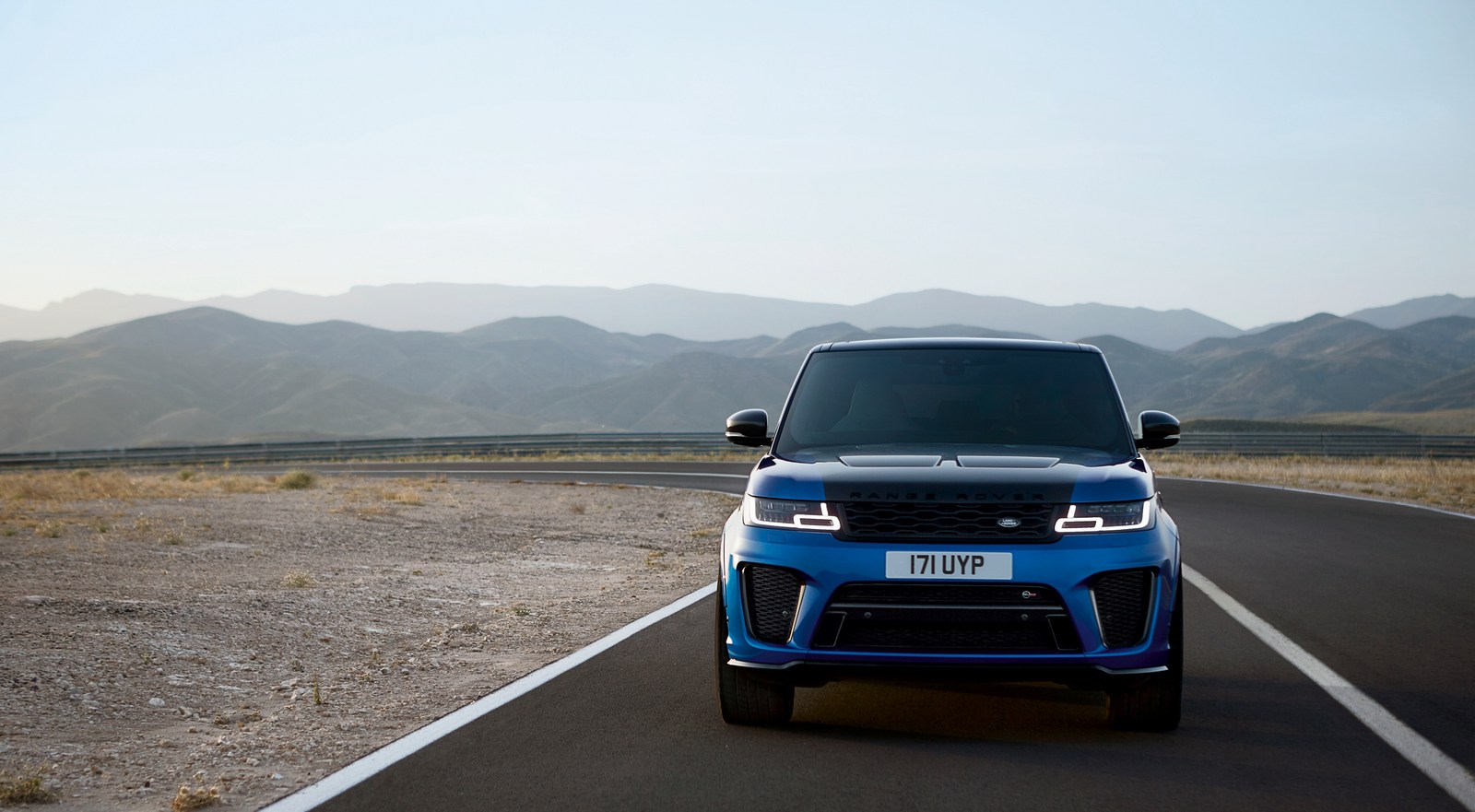
Range Rover Sport L494 used buying guide: 2018-2020 SDV6 HSE is the sweet spot. We compare engines, common faults, Approved Used costs and rivals.
What real owners say about the L494 Range Rover Sport
based on Honest John Real MPG submissions for the 2013 to 2022 Range Rover Sport, Honest John’s 2013 to 2022 reliability review, PistonHeads Land Rover subforum owner threads searched for “L494 reliability” (2024 to 2026), the DVSA vehicle recall lookup, and Land Rover’s Approved Used pre-owned scheme terms, all accessed 25 May 2026.
- Most-praised: ride quality on air suspension, cabin refinement at motorway speeds, towing capability up to 3,500kg braked, and the way the eight-speed ZF gearbox masks the diesel’s weight.
- Most-criticised: air suspension compressor failures, infotainment freezes on pre-facelift Touch units, AdBlue and EGR niggles on SDV6 cars, and patchy parking sensors. Honest John’s reliability section also logs a small number of severe engine failures on early diesels.
- Reliability signal: mixed. Honest John Real MPG owners report 33.3 mpg average for the 3.0 SDV6 against an official 40.4 mpg, and 46.6 mpg for the P400e plug-in hybrid (versus an unrealistic official figure tied to a small charged battery). Owners on PistonHeads consistently rate facelift (2018 onwards) cars more highly than 2014 to 2016 examples.
The L494 generation in two sentences: 2013 to 2022, three engine families
The L494 is the second-generation Range Rover Sport, built at Solihull from 2013 to 2022 on the aluminium D7u architecture it shares with the L405 Range Rover. Compared with the L320 it replaced, the L494 shed roughly 420kg, gained the air suspension as standard on most trims, and moved infotainment from the analogue switch-heavy InControl interface to (from 2017) the dual-screen Touch Pro Duo system.
Across the run, JLR offered three engine families that matter to a UK used buyer in 2026. The diesels: a 3.0 TDV6 and SDV6 (around 250 to 306bhp) and an SDV8 4.4 V8 diesel discontinued in late 2018. The petrols: a supercharged 5.0 V8 in the SVR (550bhp, then 575bhp from the facelift), and from 2018 the 3.0 P400 mild-hybrid straight-six (395bhp) when JLR’s Ingenium six replaced the older 3.0 supercharged V6. The plug-in hybrid P400e (404bhp) also arrived in 2018, pairing a 2.0 turbocharged four with a 13.1kWh battery. Every L494 uses the ZF 8HP eight-speed automatic with permanent four-wheel drive, which is the single most durable part of the car.
The model year break that defines a used buyer’s shortlist is the 17.5MY facelift, sold from late 2017 as 2018 model year cars. That brought new front and rear styling, the matrix LED headlights, the Touch Pro Duo screens, the smarter SDV6 with 306bhp on HSE Dynamic, and a far cleaner WLTP picture on the diesels. If you are sifting auction listings, that is the line in the sand.
The best year to buy: 2018 to 2020 SDV6 SE with full Land Rover Approved history
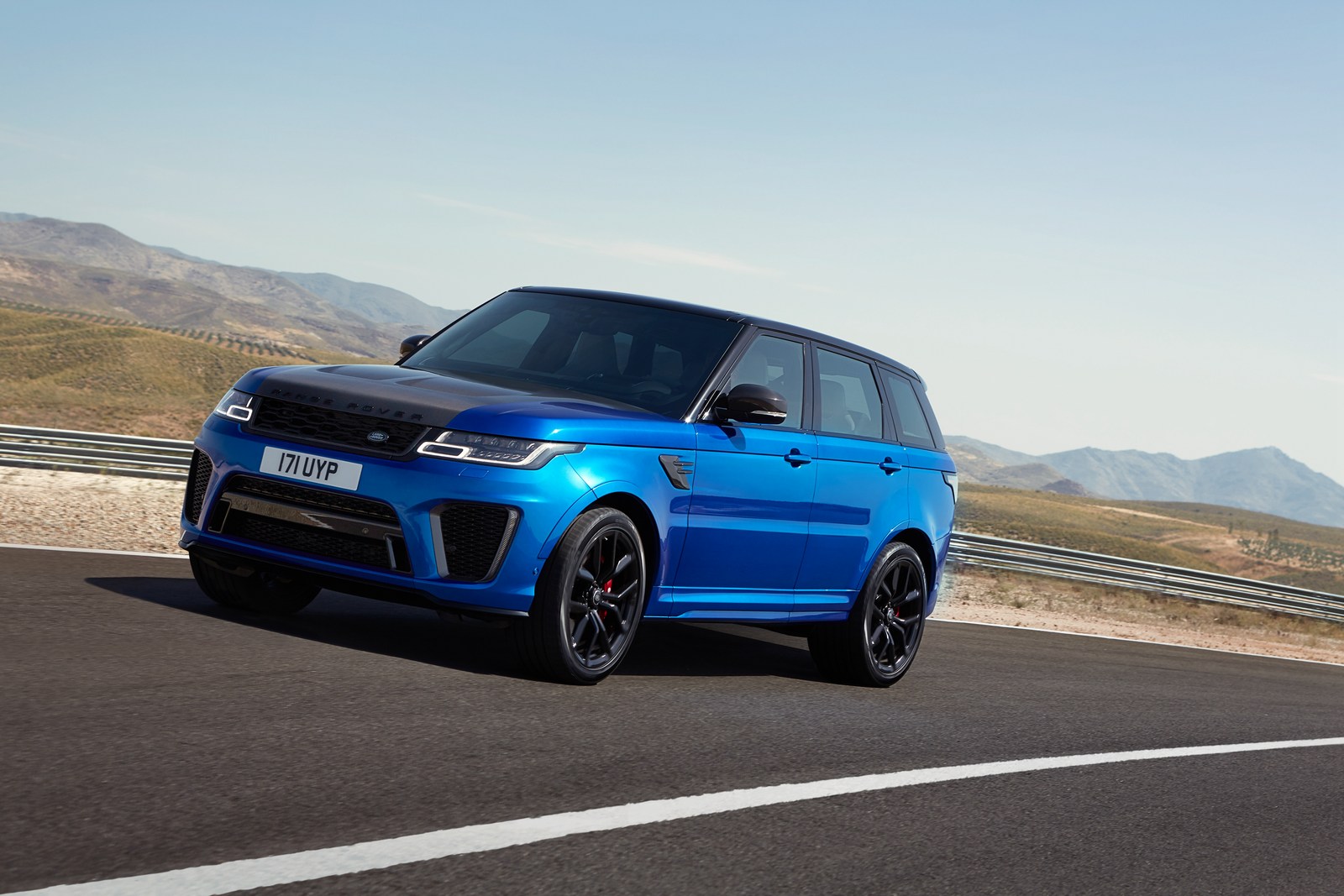
If we had to write the buyer’s sticker for someone bringing £35,000 to £45,000 to a forecourt this week, it would read: 2018 to 2020, 3.0 SDV6 (306bhp), HSE trim, under 60,000 miles, ideally with Land Rover Approved Pre-Owned status. There are three reasons.
First, the facelift fixed the L494’s two big ownership headaches. The pre-2017 InControl Touch infotainment was the most-complained-about part of the car on PistonHeads owner threads, with freezes, slow boots and a clunky map. Touch Pro Duo replaced it with two 10-inch screens and a much faster processor. Second, the 306bhp SDV6 became the volume HSE engine: enough torque (700Nm) to tow 3,500kg, enough refinement to do 600-mile days, and the WLTP combined figure pushed past 32 mpg. Honest John Real MPG owners report a 33.3 mpg average for the 3.0 SDV6, which is rare for a 2.3-tonne SUV. Third, prices have settled: a 2019 HSE Dynamic with circa 50,000 miles is now £35,000 to £42,000 at Approved dealers and £30,000 to £36,000 in the trade.
The car to avoid in the same money is the early 2014 SDV6 with no full service history. The first-year cars had the older 8HP70 software calibration, a more failure-prone EAS air suspension compressor, and (on diesels) the chain-driven timing setup that has been responsible for a handful of severe engine failures reported on Honest John’s reliability page at 32,000 to 63,000 miles. Approved Used is meaningful here: every Land Rover Approved Pre-Owned car gets a 165 point inspection and a 24 month warranty as standard, which on a £40,000 used buy is real protection. If you are weighing the approved premium against the cash savings of a private sale, see our piece on PCP vs HP UK 2026 for finance product context, and UK GAP insurance 2026 for what cover to add on top.
Engines compared: SDV6 vs SDV8 vs P400 vs P400e vs SVR V8
The three engines a P1 buyer should care about are the SDV6, the P400 and the P400e. The SDV8 4.4 V8 diesel is a glorious thing (740Nm, fuel economy in the mid 20s), but it was discontinued in 2018, parts and DPF are getting expensive, and resale is soft. The SVR is a separate market: in 2026 a 2018 575bhp SVR is roughly £45,000 to £58,000, and it is a track-day toy first, daily second.
| Spec (UK) | 3.0 SDV6 HSE 306bhp | 3.0 P400 MHEV HSE 395bhp | P400e PHEV HSE |
|---|---|---|---|
| WLTP combined MPG (claimed) | 32.1 mpg | 27.8 mpg | up to 88 mpg (battery dependent) |
| Honest John Real MPG (owners) | 33.3 mpg | n/a (insufficient submissions) | 46.6 mpg |
| Braked towing capacity | 3,500 kg | 3,500 kg | 2,500 kg |
| Insurance group (Thatcham) | 43E | 45E | 50E |
| List P11D value when new (HSE) | circa £71,000 | circa £75,000 | circa £73,000 |
The takeaway is brutal. If you are doing more than 12,000 miles a year and want to tow, take the SDV6: it is the only engine where the real-world figure is materially better than the claimed figure, because diesel WLTP is conservative. The P400 is the engine to choose if you are short hop and city-centred, value smoothness and the silent stop-start of mild-hybrid, and do not need ULEZ-free credentials yet. The P400e only makes sense if you have a home charger and your average run is under 30 miles, in which case the 46.6 mpg owner-reported average is realistic. Without home charging the P400e is the worst of both worlds: heavy, complex, and burning petrol to lug an empty battery.
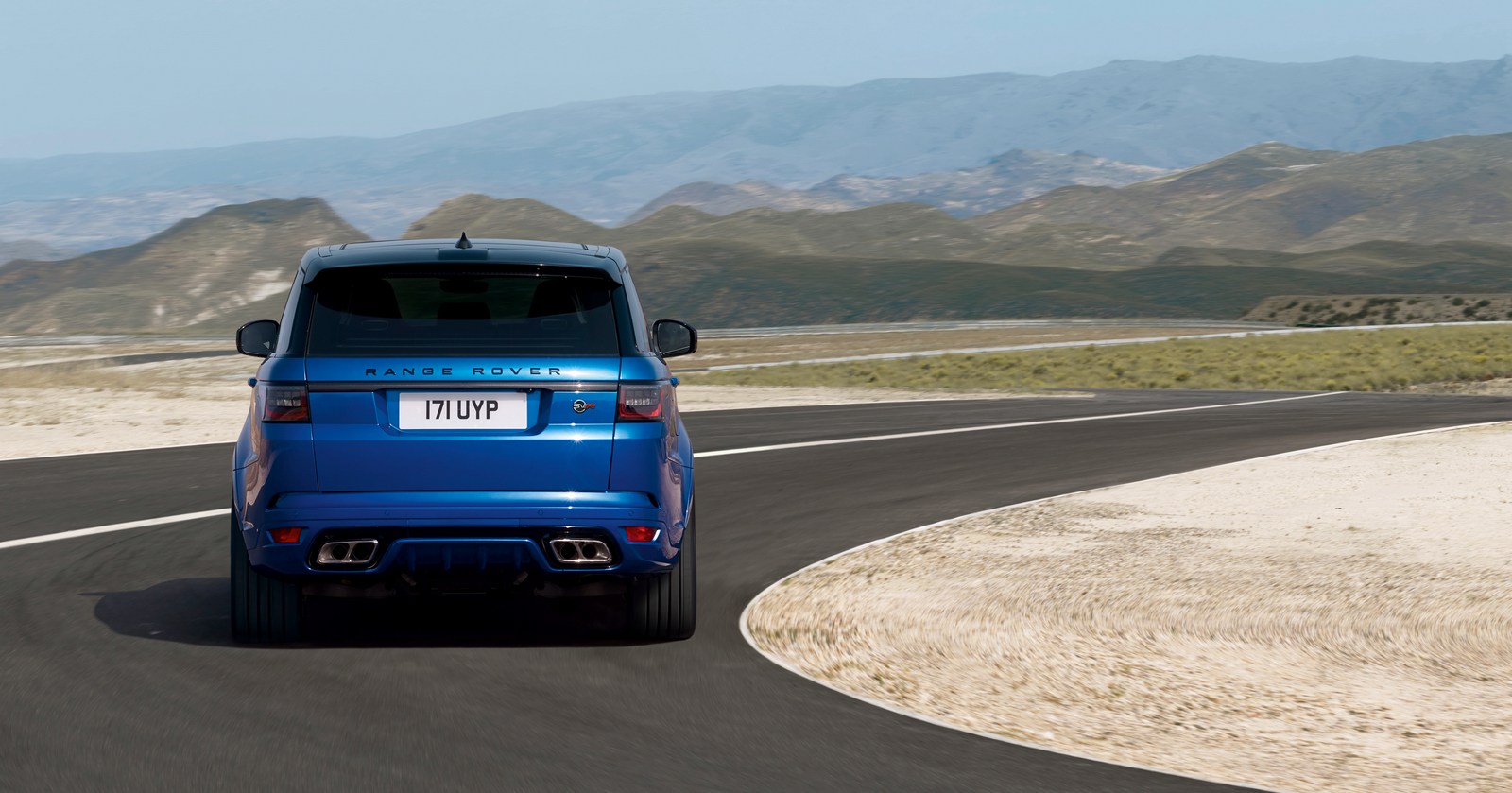
Common faults to inspect: air suspension, infotainment, timing chain, AdBlue
Treat any L494 viewing as a four point inspection. None of these are theoretical: they show up across Honest John’s “what to watch out for” section, the DVSA recall record, and PistonHeads owner threads consistently.
Air suspension. Park the car overnight before the viewing. On the test drive, raise the chassis to off-road height and lower it back. A healthy compressor cycles quickly and without grumble. A failed front strut leans the corner overnight. Replacement compressor is roughly £900 fitted at an independent JLR specialist; a strut is £1,100 to £1,500 a corner.
Infotainment. Cold-boot the head unit on the test drive, switch CarPlay on and off, then reverse to check the camera. Pre-facelift Touch units are slow but mostly usable; Touch Pro Duo is faster but the lower screen has its own known failure mode where it goes blank in cold weather. Out of warranty, a replacement lower screen module is £1,200 to £1,800.
Timing chain on SDV6 and TDV6. Listen for a rattle on cold start, particularly after a long drive followed by an overnight stand. The 3.0 V6 diesels use a wet-belt-and-chain hybrid drive and the chain tensioner can wear before 80,000 miles on neglected cars. Insist on seeing 12 months evidence of correct oil grade (5W-30 ACEA C1) and oil change intervals every 12,000 miles, not the OEM-permitted 21,000.
AdBlue and EGR. All SDV6 L494 diesels from 2016 use AdBlue (selective catalytic reduction). The dash should show no “no engine restart in X miles” warning. AdBlue tank heater failure and EGR cooler leaks are common; budget £450 for an EGR cooler at an independent. Cross-check the registration on the DVSA vehicle recall page before you commit; the L494 has been the subject of several recalls including ones covering fuel rail welds and front side airbag wiring.
What it costs to run vs an Audi Q7 or BMW X5
The honest comparison is with the 4M-generation Audi Q7 (2015 to 2024) and the F15 / G05 BMW X5. On purchase price, a 2019 Q7 50 TDI quattro S line with similar miles tracks £3,000 to £6,000 below an equivalent Range Rover Sport SDV6 HSE. The X5 xDrive30d in M Sport trim sits between the two on price.
On running cost, the Range Rover Sport loses on insurance and tyres but wins on cabin presence and (importantly for towing) approach and departure angles. Insurance for a 45 year old in the Home Counties with a clean licence: Sport HSE SDV6 is group 43E (roughly £900 to £1,400 fully comp), Q7 50 TDI is group 41E, X5 xDrive30d is group 42E. Tyres are the same 22 inch size on top-spec cars; a set of four Pirelli Scorpion Zero All Season is around £1,300 fitted.
Fuel: the SDV6’s 33 mpg owner average gives roughly £2,500 a year at 10,000 miles and £1.55/litre diesel. The Q7 50 TDI is about 36 mpg in owner tests, the X5 xDrive30d about 39 mpg, so you give up around £200 to £400 a year compared with a BMW. Servicing is closer than you would think: an interim service at an independent JLR specialist is £280 to £350 versus £250 to £320 at a comparable BMW indie. Where the Range Rover Sport bills you more is parts: a front lower control arm is roughly £290 (BMW equivalent £210), an air strut £1,200 (BMW air strut £950 on cars that have them). If you are looking at adjacent diesel SUV options, see our take on the best diesel SUV UK 2026 for towing, which puts the Discovery D300 ahead on outright capability. Sale-time costs sting too: if you are funding the purchase, the PCP early settlement rules matter, because PCPs on premium used cars get expensive to exit mid-term.
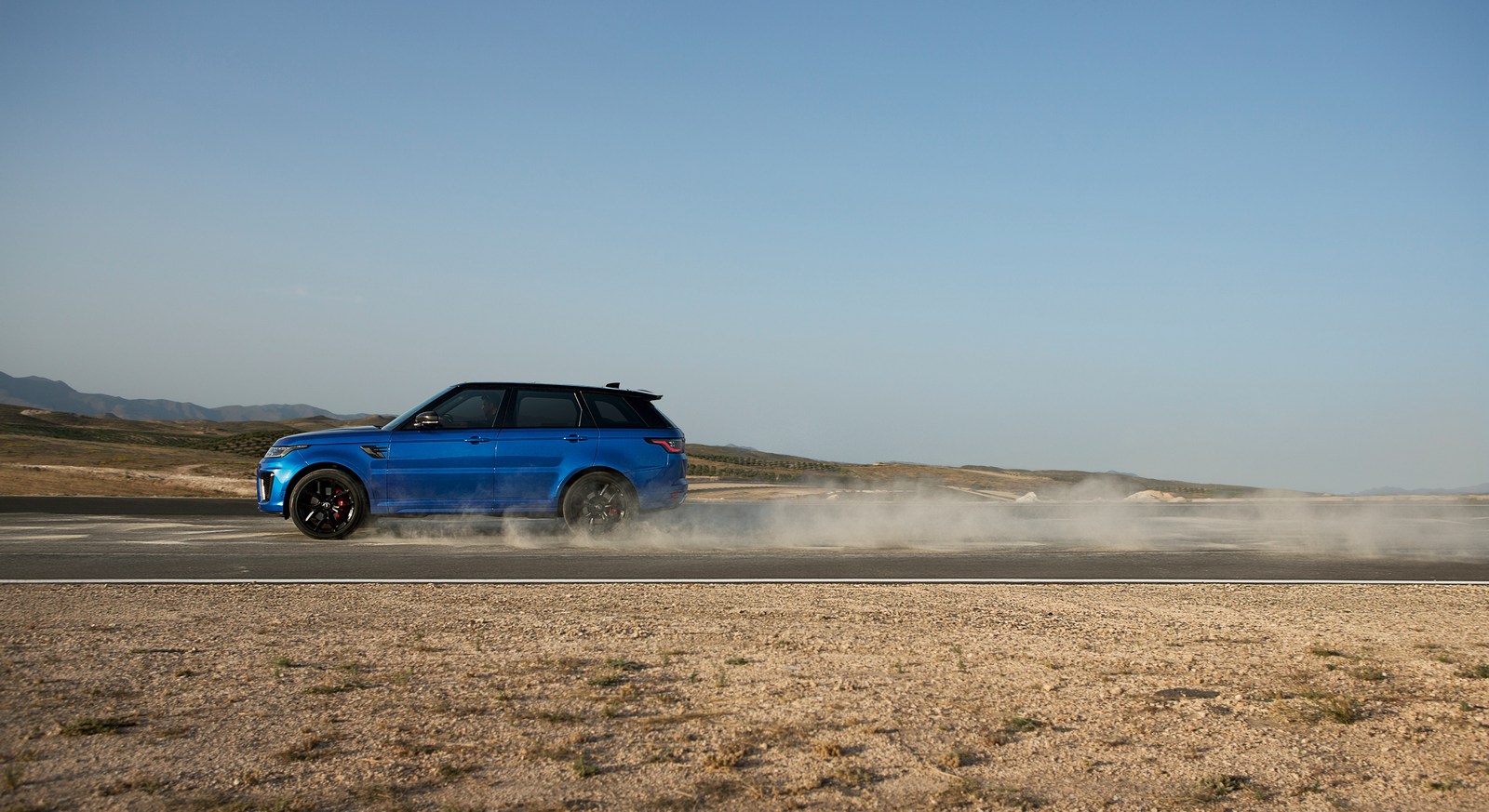
The L494 Range Rover Sport is the right used buy if, and only if, you buy it at the right point in the curve. Pre-facelift cars (2014 to mid-2017) are now cheap enough to be tempting, but you are buying a car whose infotainment was always its weakest part, with the highest air suspension failure rate on the chassis. Facelift cars (late 2017 to 2022) are the ones worth the badge: better screens, the 306bhp SDV6 in HSE Dynamic spec, the matrix LEDs, and the choice of a proper mild-hybrid petrol if you do mostly urban miles.
For most P1 buyers, the answer is a 2019 or 2020 SDV6 HSE Dynamic in Santorini Black or Eiger Grey on 22-inch wheels, bought through Land Rover Approved Pre-Owned with the 24 month warranty intact. Budget £38,000 to £44,000, ask to see the service book, insist on a full HPI, and bring a torch for the under-bonnet inspection. If the dealer cannot answer questions about the air suspension service history without checking, walk away.
Frequently asked questions
Is the L494 Range Rover Sport reliable at 60,000 miles?
It depends entirely on which generation and how it has been serviced. A 2018-onwards facelift SDV6 HSE with full Land Rover service history at 60,000 miles is a solid used buy; Honest John’s real-world data shows the engine averages 33.3 mpg and the ZF 8HP gearbox is very durable. A pre-facelift 2014 to 2016 car at the same mileage is higher risk because of older air suspension compressors, slower InControl Touch infotainment, and a couple of well-publicised early diesel engine failures.
Which Range Rover Sport L494 engine is the most reliable?
On owner reports and indie-mechanic consensus, the post-2018 3.0 SDV6 diesel (306bhp, AdBlue) is the most reliable engine in the range when properly serviced. The ZF 8HP gearbox is the single most durable component on the car. The supercharged V8 (SVR) is mechanically tough but expensive to feed; the P400e plug-in hybrid is the most complex and the costliest to fix out of warranty if the battery degrades.
Does the L494 Range Rover Sport have a timing chain or belt?
The 3.0 SDV6 and TDV6 diesels use a hybrid timing drive with a chain on the back of the engine and a wet belt at the front for the oil pump. The chain is designed for the life of the engine but the tensioner can wear early on cars run on the wrong oil grade or long service intervals. The 5.0 supercharged V8 in the SVR is chain-driven, and the P400 Ingenium straight-six is also chain-driven.
Is the air suspension on a used L494 expensive to fix?
Compressor failure is the most common air suspension issue and runs about £900 fitted at an independent JLR specialist using a Land Rover-approved Hitachi or Wabco unit. A single air strut is £1,100 to £1,500 a corner. A full four-corner replacement, which is rare, can run to £4,500. Always test the chassis-raise function on the viewing and look for a car that has been parked level overnight.
Should I buy approved used from Land Rover or a private sale?
For a £35,000-plus used L494, the Land Rover Approved Pre-Owned scheme is usually worth the premium. You get a 165 point inspection, a minimum 24 month warranty, 24/7 roadside assistance, and stronger consumer protection. A private sale can save £2,000 to £4,000 but you carry the risk on the air suspension, infotainment and timing-drive components yourself. Always run the registration through the DVSA recall lookup and an HPI check before money changes hands.
Related reading on CDE
- Best Diesel SUV UK 2026 Towing: Discovery D300 Wins
- PCP vs HP UK 2026: Which Car Finance Costs Less
- UK GAP Insurance 2026: FCA Pause Lifted, What You Are Owed
How we researched this guide
Every pick here is shortlisted from hands-on testing and time spent living with the hardware by the CDE desk, then sanity-checked against current UK pricing, manufacturer specs and real-world performance before it makes the cut. We never rank for commission — affiliate links don't change the order.
Buyer action
Where to check next
Use this as the final check before paying a deposit, signing finance paperwork or relying on a headline monthly figure.