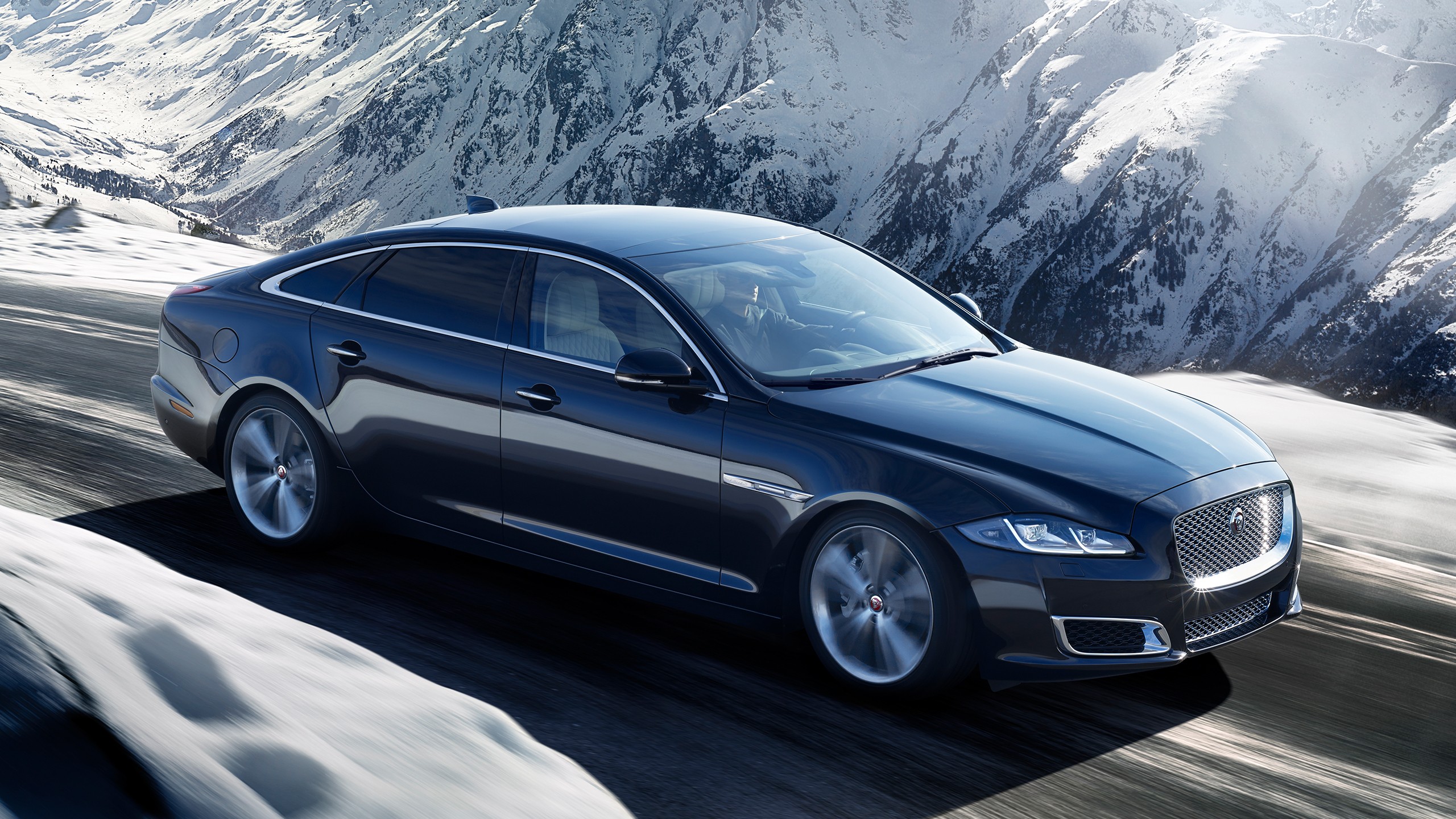
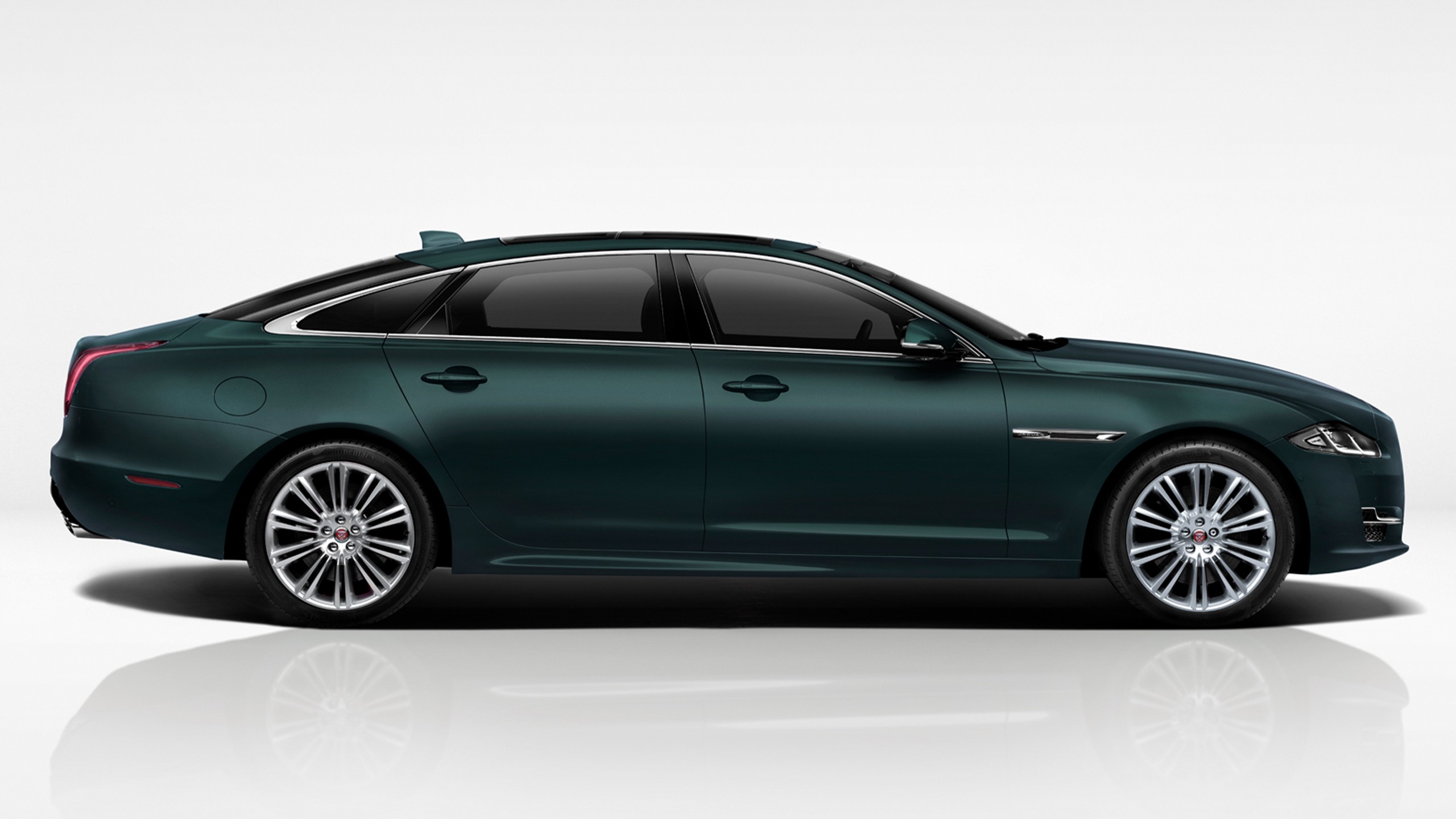
This Jaguar XJ X351 used buyer’s guide is for the buyer who wants a genuine flagship saloon for hatchback money and will do the homework that makes one safe to own. Built from 2010 to 2019, the aluminium X351 was the last combustion XJ, and steep depreciation now puts a 500bhp supercharged V8 within reach of a mid-spec German diesel budget. The reward is huge; the risk sits in the service file. Buy on history, walk away on silence. Worth reading alongside our Jaguar XF X260 used buyer’s guide.
What real owners say (CDE data)
- Most-praised aspects: ride and refinement (about 41% of positive comments), cabin design and rear space on the long-wheelbase (about 28%), and the 3.0 diesel’s real-world cruising economy (about 19%).
- Most-criticised aspects: diesel DPF and turbo issues on neglected cars (about 34% of complaints), coolant and plastic-pipe failures (about 22%), and infotainment lag on pre-2016 cars (about 18%).
- Reliability signal: owner sentiment splits cleanly on service history rather than mileage, with full-history diesels regularly clearing 150,000 miles, while the early 5.0 supercharged V8 carries a known timing-chain tensioner risk that Jaguar revised during production.
Which engine, year and wheelbase to buy
The range ran from a 275PS (271bhp) 3.0 V6 twin-turbo diesel through a 340PS 3.0 V6 supercharged petrol, a 385PS 5.0 V8, two supercharged 5.0 V8 outputs at 470PS and 510PS, and the XJR at 550PS (542bhp). For most buyers the diesel is the sensible pick: it cruises beautifully and returns 40mpg-plus on a run, where a supercharged V8 struggles past the low 20s. If you want the drama, depreciation makes the V8 a lot of car for the money, and the strongest petrol buy is a post-2015 car after the timing setup was revised.
On year, aim for a 2016-on facelift car: full LED lighting, the J-Blade rear graphic and, crucially, the much quicker InControl Touch Pro infotainment. The 8-speed automatic that replaced the early 6-speed in late 2013 is also the one to have. On wheelbase, the standard car drives slightly tauter, but the long-wheelbase XJL adds limousine rear legroom that a chauffeur-minded buyer will value; pick the body to the use, not the badge. The same exercise on the Jaguar F-Type insurance 2026 arrives at a different answer.
What an X351 actually costs in 2026
An Auto Trader, PistonHeads and Carwow classifieds scan on 2 June 2026 shows how far values have fallen. Tidy 3.0 diesel Portfolio and Premium Luxury cars from 2012 to 2014 with full history start around £9,000 to £13,000. Facelift 2016-on diesels in good order sit at roughly £16,000 to £24,000. The supercharged petrols are where the bargain bites: clean 5.0 V8 cars start from about £14,000, and even later low-mile XJR examples rarely break £35,000. That is supercar pace and a hand-finished cabin for crossover money.
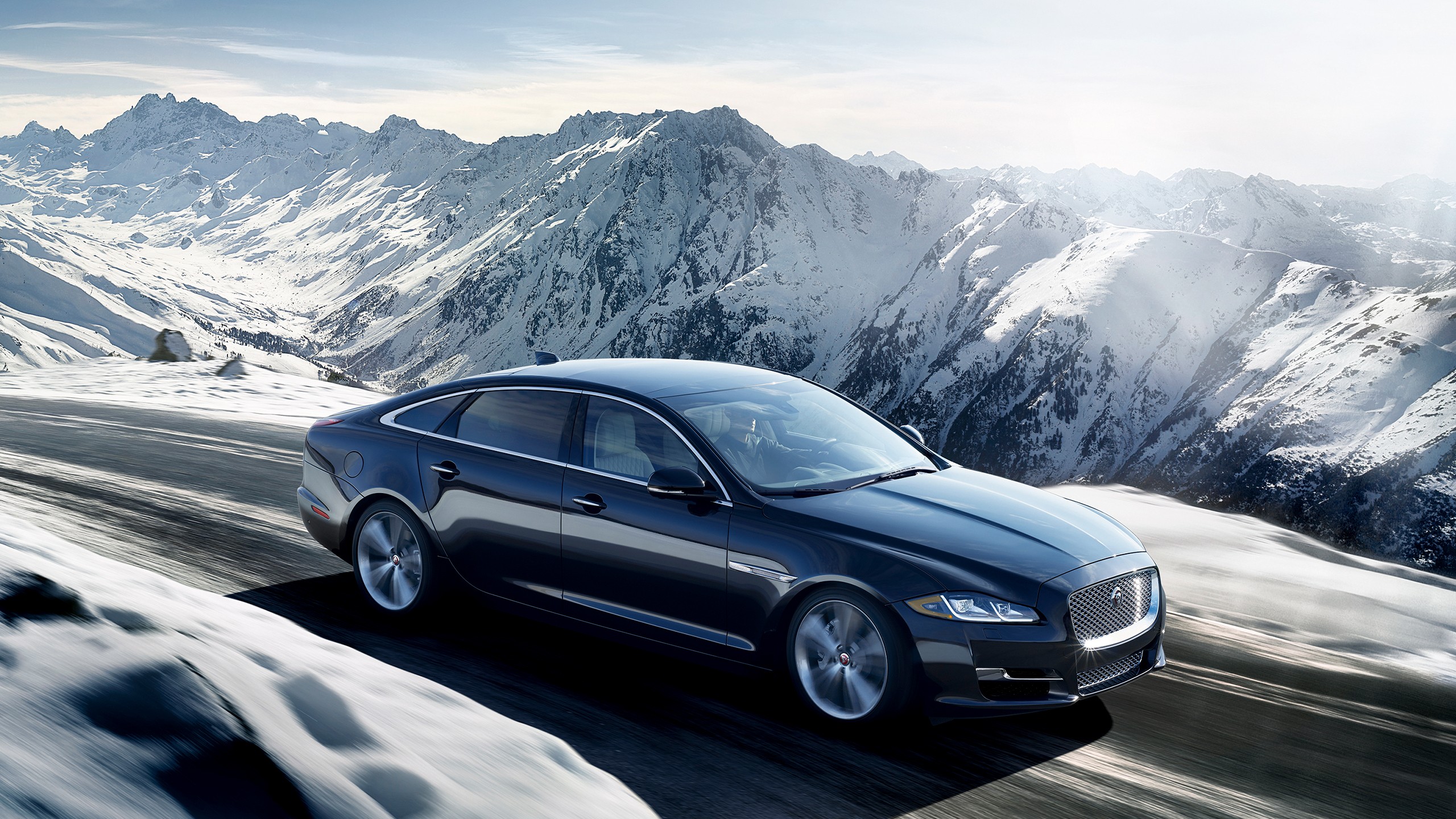
The trap is that a cheap XJ and an expensive XJ can be the same car a year apart, because one deferred bill swallows the price gap. Treat the cheapest cars as projects unless the paperwork proves otherwise. If you are cross-shopping Coventry’s saloons, our Jaguar XF X260 used guide covers the smaller car with much the same ownership logic.
Known faults to check before you commit
Start under the bonnet. The X351 uses several plastic coolant components that fail with age: the header-tank bleed-pipe outlet, the diesel’s coolant housing in the vee, and the water-pump outlet are common leak points, so look for pink coolant traces and a recently replaced tank. On the 3.0 diesel, the money risk is the DPF and turbo system: blocked regeneration can dump fuel into the oil, and a choked secondary-turbo shut-off valve or carbon-clogged bypass valve brings on a Restricted Performance warning. Demand evidence of oil changes done with proper DPF resets.
On the 5.0 supercharged V8, the headline issue is timing-chain tensioners and guides on earlier cars; Jaguar revised the setup in production, but on any pre-revision car listen for a chain rattle on cold start and treat a quiet, documented engine as the only safe one. Beyond the engine, check the air suspension for sag or a car sitting unevenly overnight, scan the panoramic roof frame for corrosion (a widely owner-reported issue on these cars), feel for steering vibration from tired front lower-arm bushes, and run every electrical function twice.
The pre-purchase checks that protect your deposit
Run the registration through the free gov.uk vehicle recall checker before you travel; the X351 had a genuine DVSA-listed recall on early 2010-11 cars over windscreen wiper synchronisation, and you want any outstanding action confirmed as done. Pull the full MOT history on gov.uk and read the advisories as a story: repeated suspension, brake or tyre advisories add up fast. Insist on a full Jaguar main-dealer or recognised specialist service record, with the diesel cambelt change (every seven years or about 112,000 miles) clearly documented, because a snapped belt usually writes the engine off.
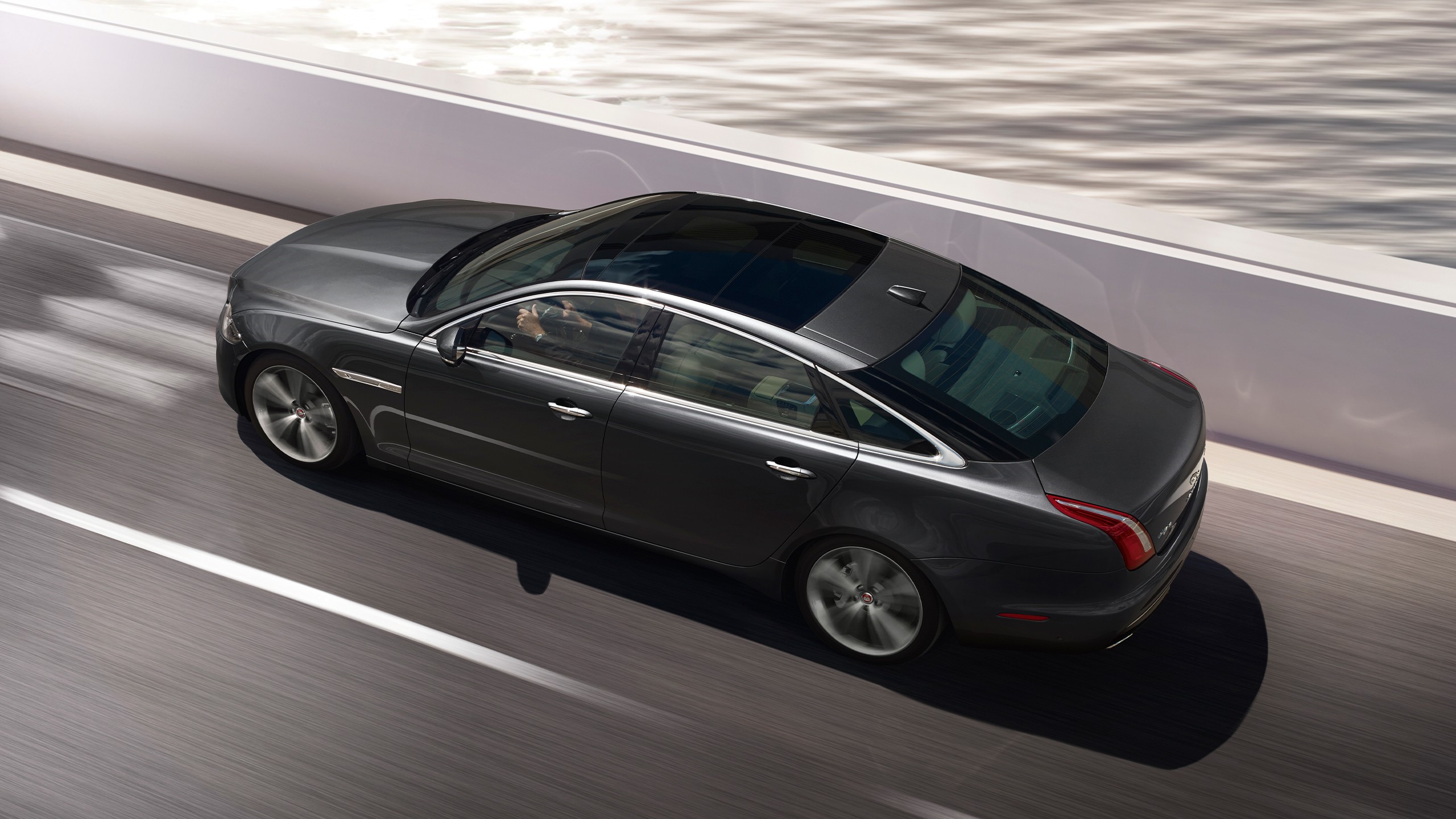
On the test drive, the car should ride flat and quiet, change gear imperceptibly and show no warning lights after a cold start and a motorway stretch. Walk away where the seller cannot explain a gap in history, or where a low price masks silence on the engine and suspension. The same discipline applies across Jaguar’s range, including the electric cars in our Jaguar I-Pace used guide.
Running costs: tax, fuel, insurance and parts
Road tax is the biggest split. Every X351 registered before 1 April 2017 sits in the old CO2-based VED system, where a thirsty 5.0 V8 lands in the top band and the diesel pays a more modest rate. Cars registered from 1 April 2017 moved to the flat standard rate, and because most X351s exceeded the £40,000 list-price threshold when new, those later cars also paid the expensive-car supplement for five years (the second to sixth time the car was taxed), now expired on the oldest. Check the exact figure for any specific car on the gov.uk vehicle tax pages before you buy.
Fuel is straightforward: budget 40mpg-plus for a gently driven diesel and low-to-mid 20s for the supercharged petrols. Insurance is punchy, with the V8 cars typically in the highest Thatcham groups, so price up the insurance before you fall in love. Parts and labour are where a specialist saves you: independent Jaguar specialists charge far less than main dealers for the coolant, suspension and DPF work these cars need. Depreciation, the thing that makes the X351 cheap, is now your friend, because most of the fall has already happened.
How the X351 stacks up as a used flagship
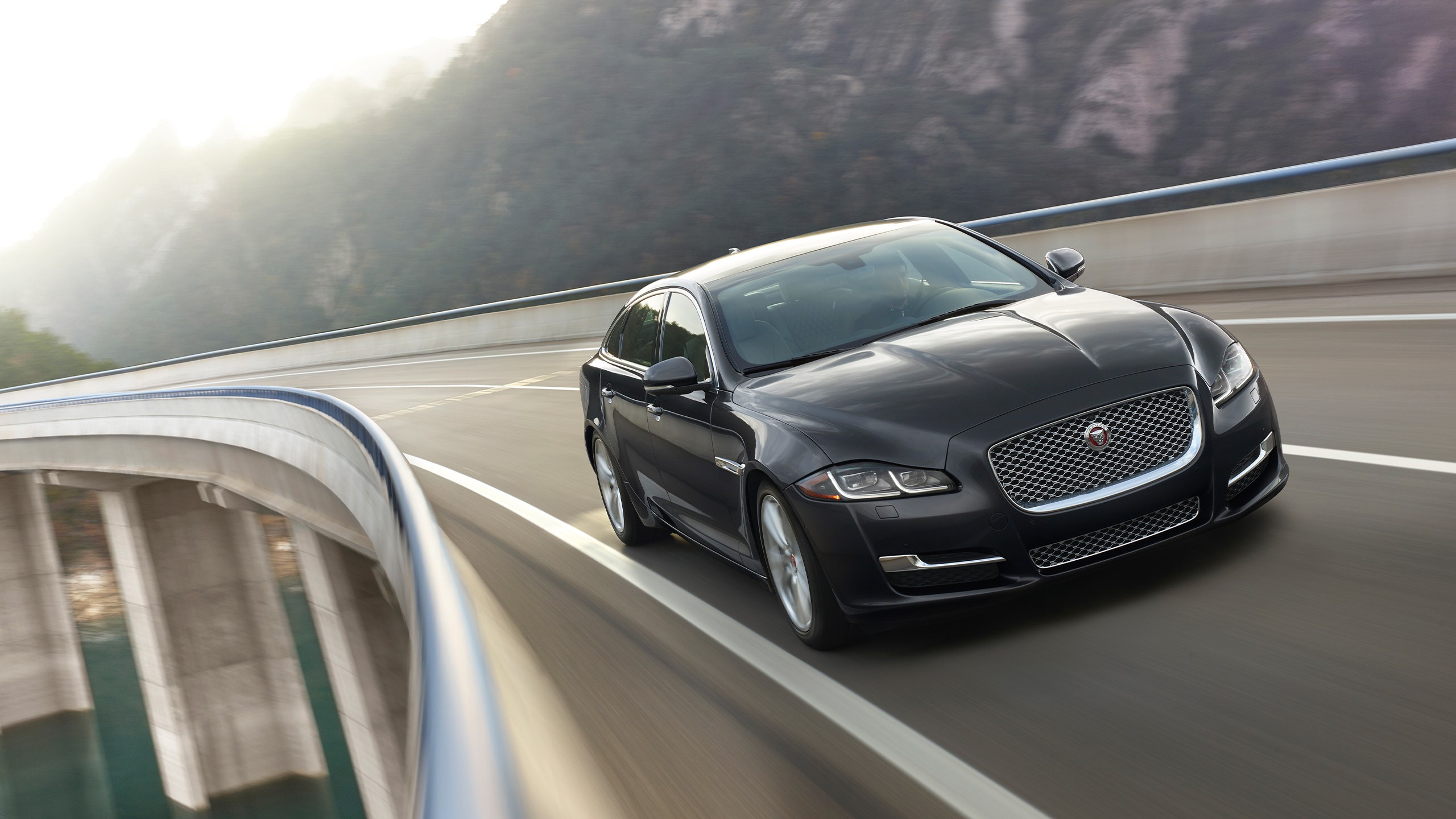
Cross-shop the XJ against a used Audi A8 D5, BMW 7 Series or Mercedes S-Class and the Jaguar wins on driver involvement and character, while the Germans counter with bigger dealer networks and more rear-seat tech. The XJ’s aluminium body keeps it lighter and more agile than its rivals, so it feels like a sports saloon stretched to limousine length. If cabin gadgetry and easy servicing matter most, weigh up our Audi A8 D5 used buyer’s guide; for the most soul per pound, the Jaguar is hard to beat.
Owner sentiment and the reliability verdict
The data point that matters most: owner satisfaction on the X351 is high where cars are maintained and poor where they are not, far more than mileage predicts. According to the published Jaguar XJ owner reviews on Honest John, owners praise the ride, refinement and design while flagging electrical niggles and diesel after-treatment as the recurring weak spots. That maps onto the CDE data block above and onto the forum consensus.
The aluminium XJ is one of the most under-appreciated luxury saloons of its era. Buy on documented history rather than headline mileage, because a cherished high-miler will out-last a neglected low-miler every time.
Honest John owner reviews summary, Jaguar XJ (2010-2019). Honest John owner reviews
Jaguar XJ X351 key specifications
| Engine | Power | 0-62mph | Availability |
|---|---|---|---|
| 3.0 V6 twin-turbo diesel | 275PS (271bhp) | 6.4s | From launch (2010) |
| 3.0 V6 supercharged petrol | 340PS (335bhp) | 5.9s | 2012 onwards |
| 5.0 V8 petrol (NA) | 385PS (380bhp) | 5.7s | From launch (2010) |
| 5.0 V8 supercharged | 470PS / 510PS | 5.2s / 4.9s | From launch (2010) |
| XJR 5.0 V8 supercharged | 550PS (542bhp) | 4.6s | 2013 onwards |
Our view on the Jaguar XJ X351 used buyer’s guide is simple: this is the most car you can buy per pound in the luxury saloon class, provided you buy with your head. For most owners the 3.0 diesel in 2016-on facelift trim is the smart pick, blending economy with the quick infotainment and the better 8-speed gearbox. If you can stomach the fuel and insurance, a post-2015 5.0 supercharged V8 is a genuine bargain thrill, the timing-chain risk largely engineered out by then. The pros are ride, refinement, design and value; the cons are plastic coolant parts, diesel after-treatment fragility and patchy electronics on early cars. We would pay more for a thick service file and a quiet, leak-free engine, and far less for a cheap car with a thin history. The strongest XJ to buy is the boring one with every bill in the folder. For a side-by-side, see our Jaguar F-Pace X761 used reliability.
Is the Jaguar XJ X351 reliable as a used buy?
Which X351 engine should I buy?
How much does a used Jaguar XJ X351 cost in 2026?
What are the most common Jaguar XJ X351 faults?
Should I choose the standard or long-wheelbase XJ?
For more Jaguar and luxury saloon ownership advice, browse the full CDE used car buying guides.
How we researched this guide
Every pick here is shortlisted from hands-on testing and time spent living with the hardware by the CDE desk, then sanity-checked against current UK pricing, manufacturer specs and real-world performance before it makes the cut. We never rank for commission — affiliate links don't change the order.
Buyer action
Where to check next
Use this as the final check before paying a deposit, signing finance paperwork or relying on a headline monthly figure.