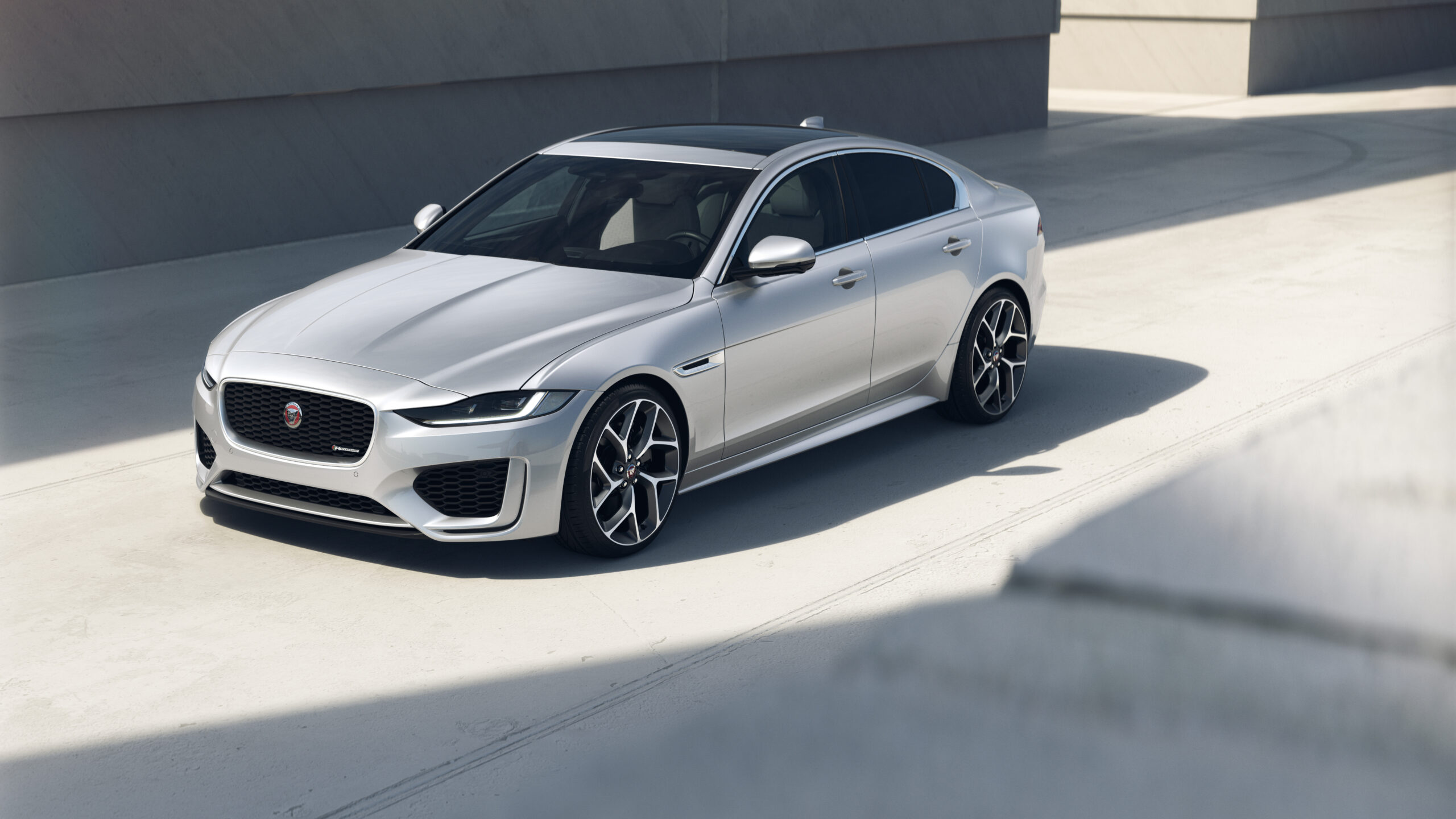
A Jaguar XE used buy is one of the cheapest ways into a genuinely good-handling compact executive saloon, with clean post-facelift R-Dynamic cars sitting around £14,000 to £22,000 in 2026. The catch is the engine: the Ingenium four-cylinder rewards a careful history check and punishes a neglected one. Our verdict is that the best XE is a low-stress petrol P250, and that a diesel is only worth it with proof of short oil-change intervals. Here is the engine, the year and the paperwork we would insist on before any deposit.
A note on scope: CDE has not road-tested this specific car. Our guidance draws on manufacturer data, UK regulator records, owner-reported faults and our used-buyer inspection checklist rather than a hands-on test of an individual vehicle. Commission an independent inspection and a full history check before you pay a deposit.
What real owners say (CDE data)
CDE cross-referenced the What Car? 2024 Reliability Survey result for the XE with Jaguar owner-forum threads and independent specialist write-ups on the Ingenium engine, reviewed 2 June 2026. The picture is a car owners enjoy driving but watch nervously on electrics and the timing chain.
- Most-praised aspects: ride and handling balance (the recurring theme, roughly a third of positive comments), steering feel, and interior comfort on later facelift cars.
- Most-criticised aspects: infotainment glitches and electrical gremlins (the single biggest complaint cluster), timing-chain anxiety on the 2.0d, and main-dealer parts cost.
- Reliability signal: the XE scored 88.1% in the What Car? 2024 Reliability Survey, 12th of 24 in the executive class, with 11.3% of owners reporting a fault; non-engine electrical and exhaust issues led the fault list at 8.6% each.
Why a Jaguar XE used buy undercuts a 3 Series and an A4
The XE (codename X760) launched in 2015 as Jaguar’s answer to the BMW 3 Series and Audi A4, built on an aluminium-intensive platform that gives it a lighter, sharper feel than most rivals. It never sold in the numbers the German cars managed, and that weak residual story is exactly why it is a used bargain now. The same money that buys a tired, high-mileage 3 Series buys a fresher, better-specced XE. If you want the direct comparison, our BMW 3 Series G20 used buyer’s guide shows where the premium sits, and the XE typically lands a clear step below it on price for an equivalent year.
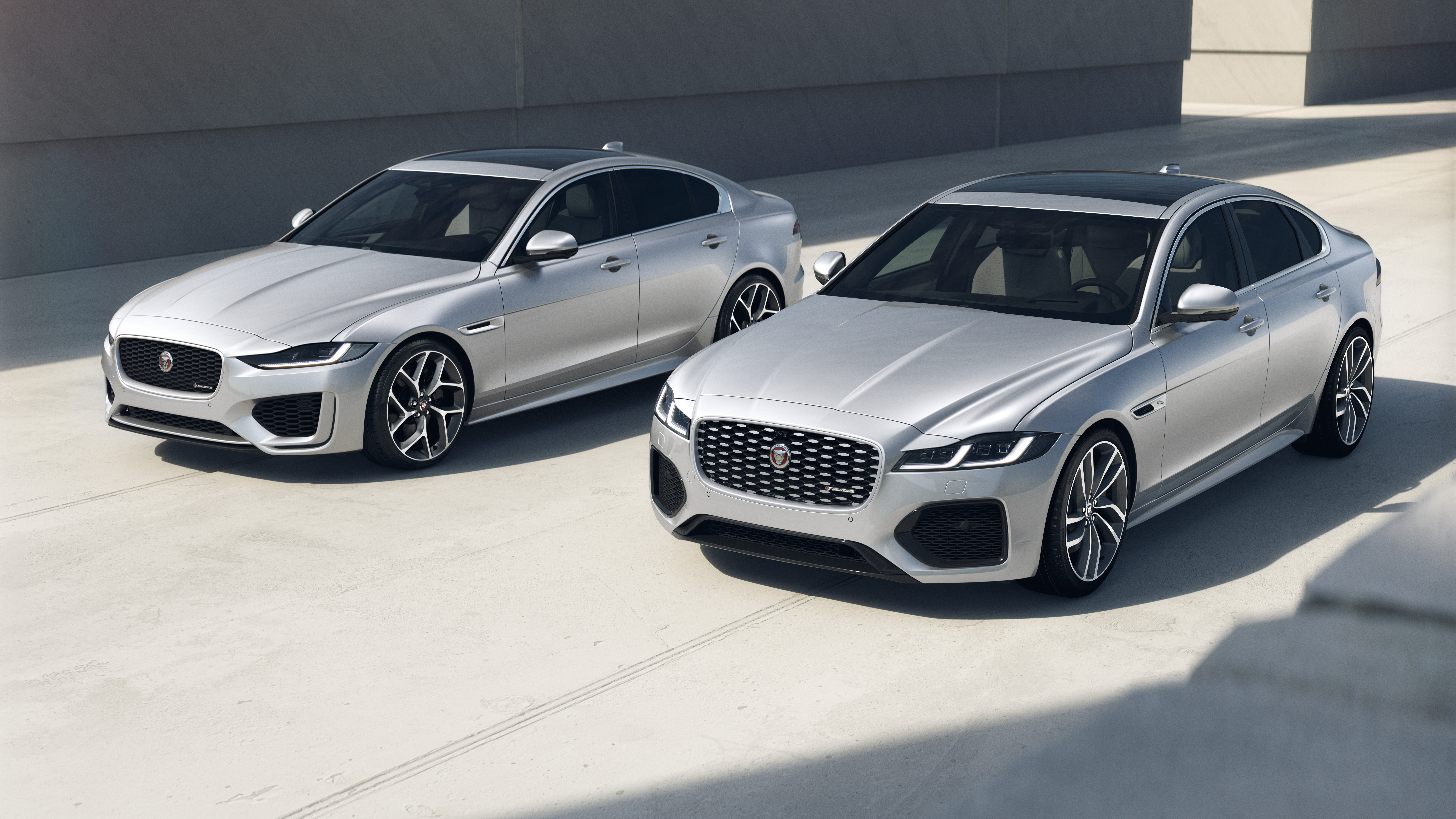
The trade-off is honest: Jaguar’s dealer network is thinner than BMW’s or Audi’s, parts can cost more, and the infotainment in pre-facelift cars feels a generation behind. You are buying driving character and value, not the badge-strong residuals or the showroom polish of the Germans. For most buyers chasing handling per pound, that is a fair swap. The aluminium structure also means body repairs after a knock need a specialist, so a clean history matters more here than on a steel-bodied rival.
Used prices in 2026: what £14,000 to £22,000 buys
The wider XE market starts well under £8,000 for early, high-mileage Prestige diesels, but those are the cars we would walk past. The sensible money sits higher. Budget around £14,000 to £18,000 for a 2019 to 2020 facelift car with the better cabin and the 10-inch touchscreen, and £18,000 to £22,000 for a low-mileage 2021 to 2022 R-Dynamic with full history. Cleaner P250 petrol examples with a tidy specification command the top of that band, while a private-sale diesel with patchy paperwork sits at the bottom. Cross-reference any asking price against the live Parkers XE used price guide before you negotiate.
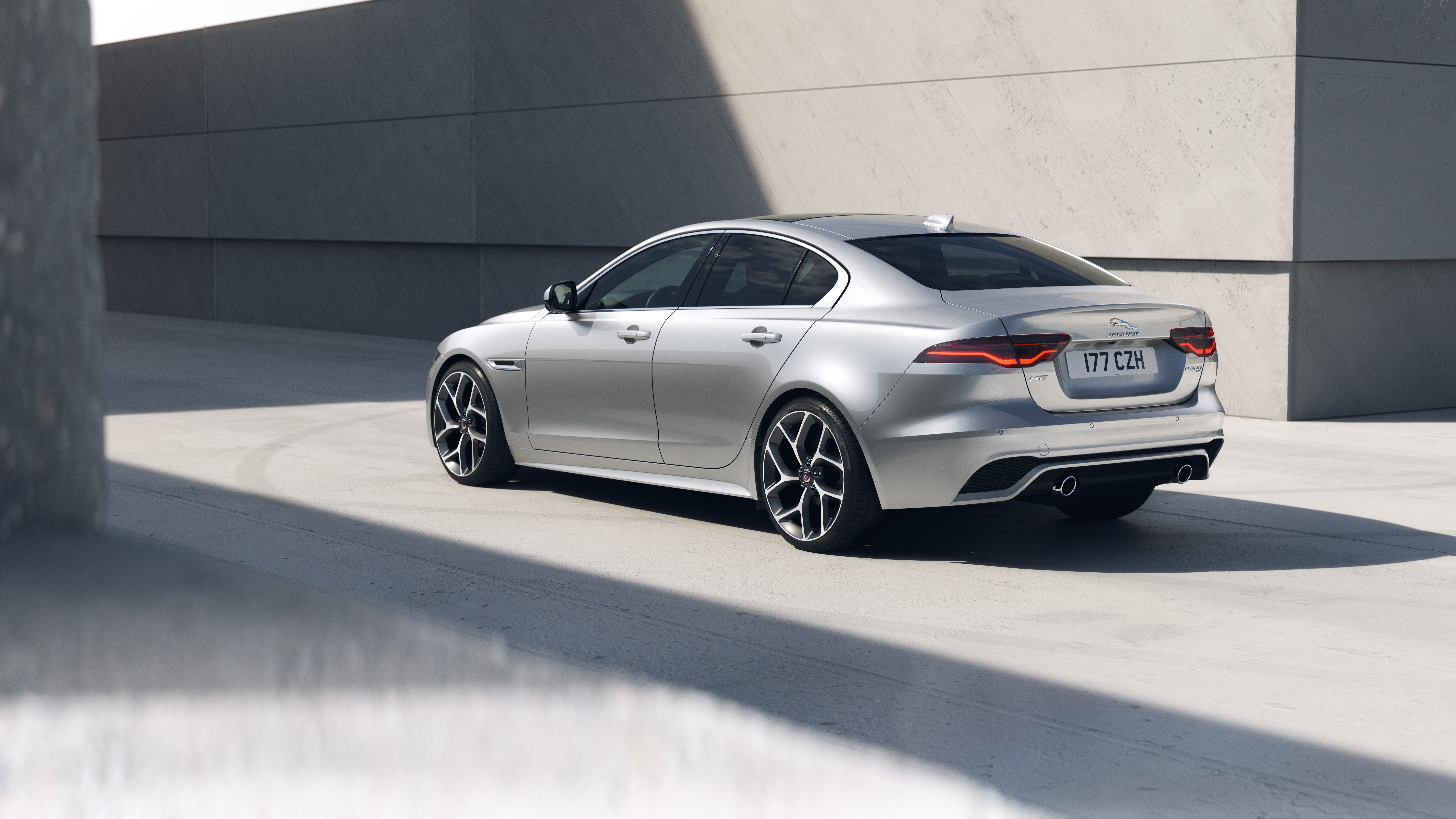
Trim matters as much as engine. R-Dynamic (and the earlier R-Sport) cars carry the sportier bumpers and better seats most buyers want, and they hold value slightly better than base Prestige and SE cars. We would pay the small premium for an R-Dynamic S over a stripped-out fleet car, but we would not chase the very largest wheels: 19-inch and 20-inch rims ride firmly on UK roads and run up tyre bills. The Jaguar XF shares much of this hardware in a bigger body, and if you need more space our Jaguar XF X260 used guide runs the same engine logic on the larger saloon.
The engine that decides everything: Ingenium 2.0d
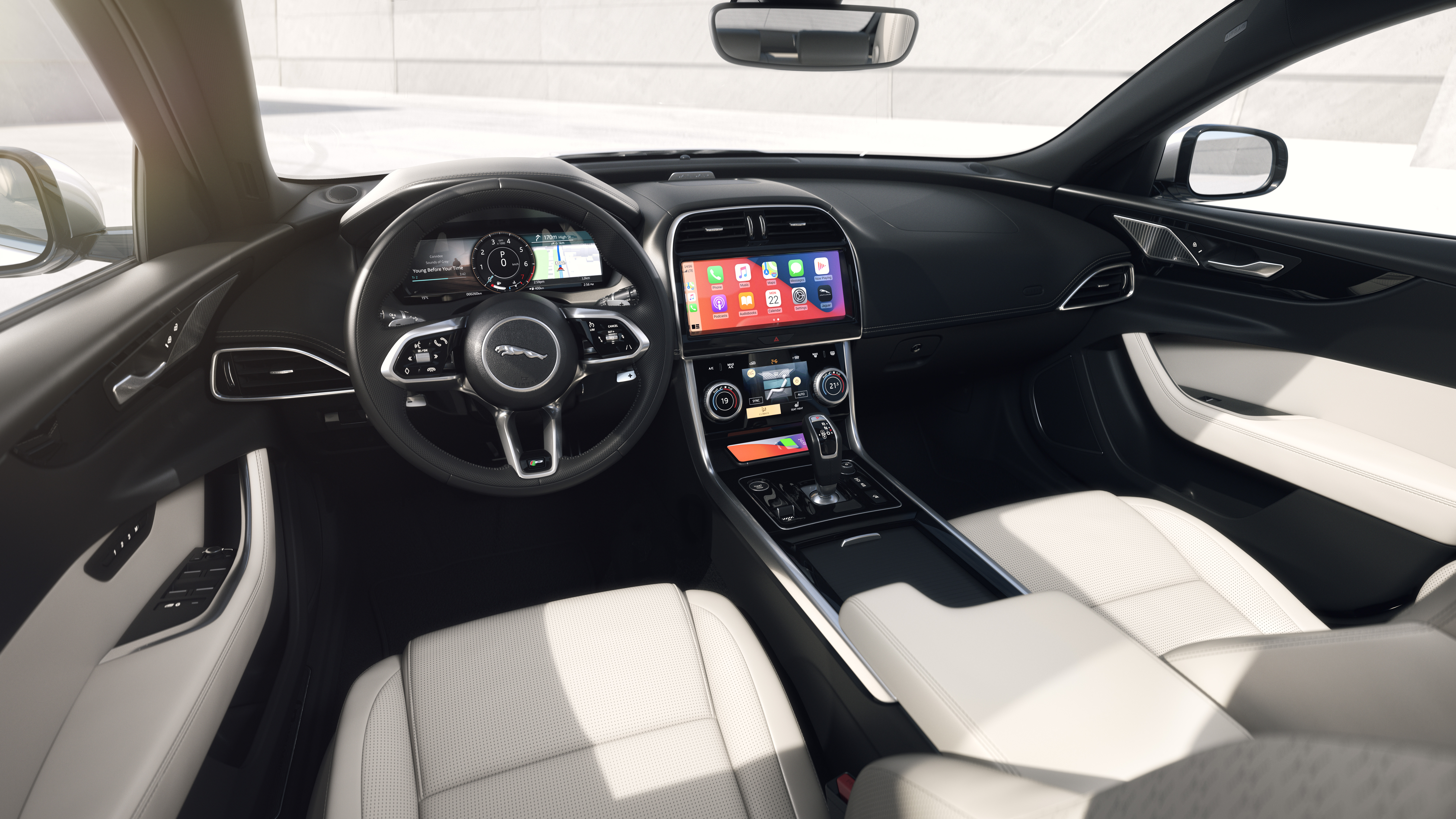
The 2.0-litre Ingenium diesel (badged D180 after the facelift, around 178bhp) is the one that needs the closest look. Independent specialists report the timing chain as the known weak point: the chain can stretch and the plastic guides wear, typically showing as a cold-start rattle from roughly 60,000 to 80,000 miles. Left unattended it can jump timing and cause serious engine damage, with specialist replacement quotes commonly in the £2,800 to £4,500 range per UK garages such as the case studies published by independent Ingenium specialists. This is not a recall item, so on an out-of-warranty car the bill is yours.
Oil dilution makes it worse. Short urban journeys that never let the diesel particulate filter regenerate properly thin the oil, and because the chain depends on clean, in-spec oil, that contamination accelerates wear. The defence is simple and you can verify it from the service book: oil and filter changes every year or every 6,000 to 10,000 miles rather than at Jaguar’s longer factory interval, plus evidence the car has done regular motorway runs. A pre-facelift diesel with two-year service gaps and a town-only history is the profile we would avoid. The same engine sits in the F-Pace, and the buying logic carries straight across to our Jaguar F-Pace X761 used reliability guide.
P250 and P300 petrol: the lower-stress choice
The petrol Ingenium units, the 247bhp P250 and the 296bhp P300, share the same family of timing-chain concerns but escape the diesel’s oil-dilution and DPF-regeneration trap, which is why we rate the P250 as the sweet spot for most used buyers. It is quick enough (0-60mph in the low six seconds for the P300, comfortably under eight for the P250), avoids the diesel’s cold-start anxiety, and suits the lower annual mileage most XE buyers actually cover. The P300 R-Dynamic adds proper pace and standard all-wheel drive on later cars, at the cost of higher fuel and insurance.
If your mileage is genuinely high and motorway-heavy, the diesel still makes economic sense on fuel, but only with the service discipline above. For everyone else, the petrol removes the single biggest reason people sell an XE in a panic. Whichever engine you choose, the same caution applies to the chain on early high-mile cars; a cold-start listen on the test drive is non-negotiable. Owners cross-shopping the bigger Jaguar saloons can compare the running-cost picture in our Jaguar XJ X351 used buyer’s guide.
JLR electrics and InControl infotainment niggles
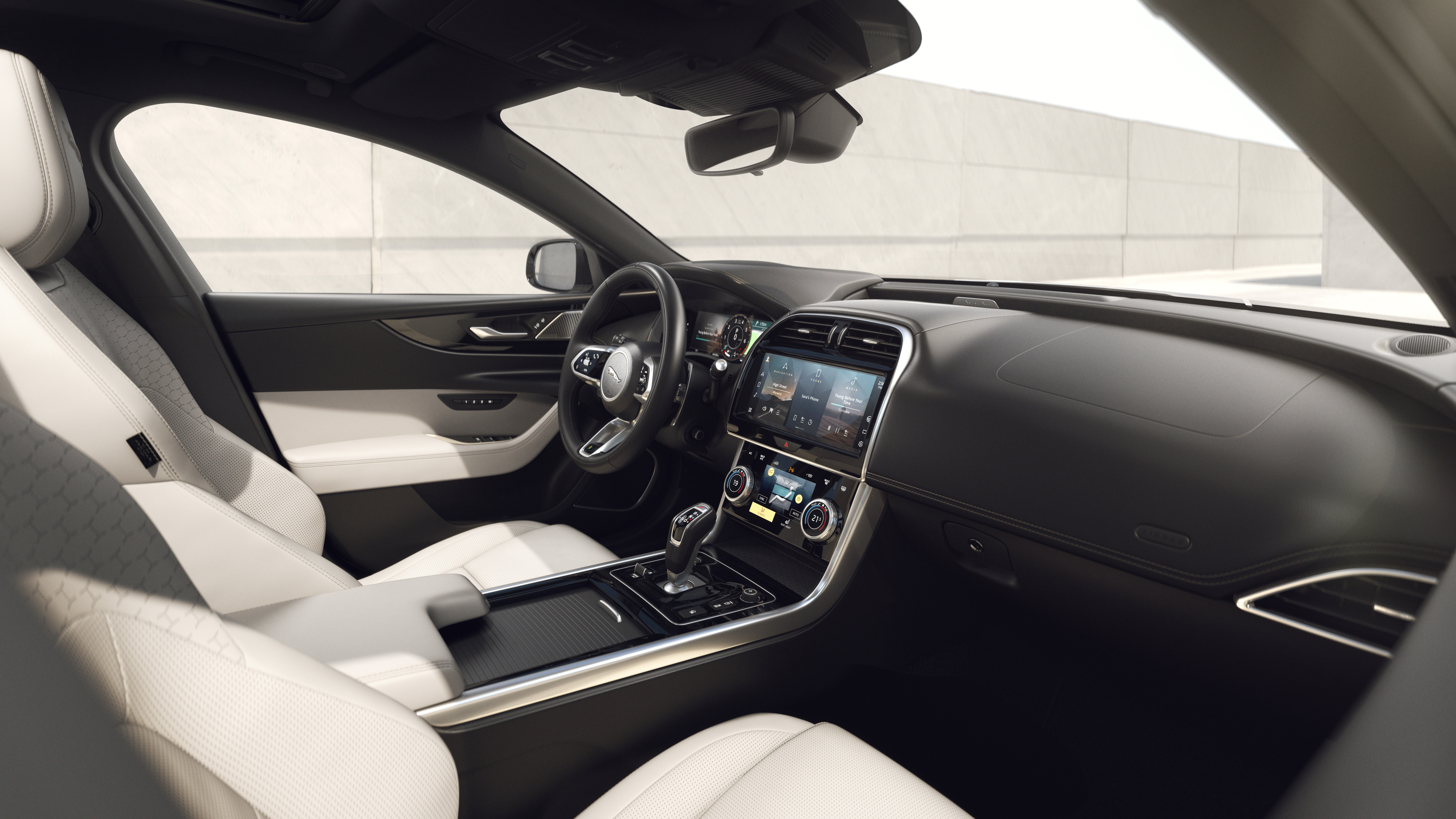
The second recurring theme in owner reports is electrical. Pre-facelift cars run Jaguar’s older InControl Touch Pro system, which owners describe as slow to boot and prone to freezing, occasional reboots and Bluetooth dropouts. Beyond the screen, the survey data points to non-engine electrical faults as a leading complaint, covering items such as door modules, parking sensors, and the odd warning-light gremlin. None of this is usually catastrophic, but it is the difference between an XE that feels premium and one that nags.
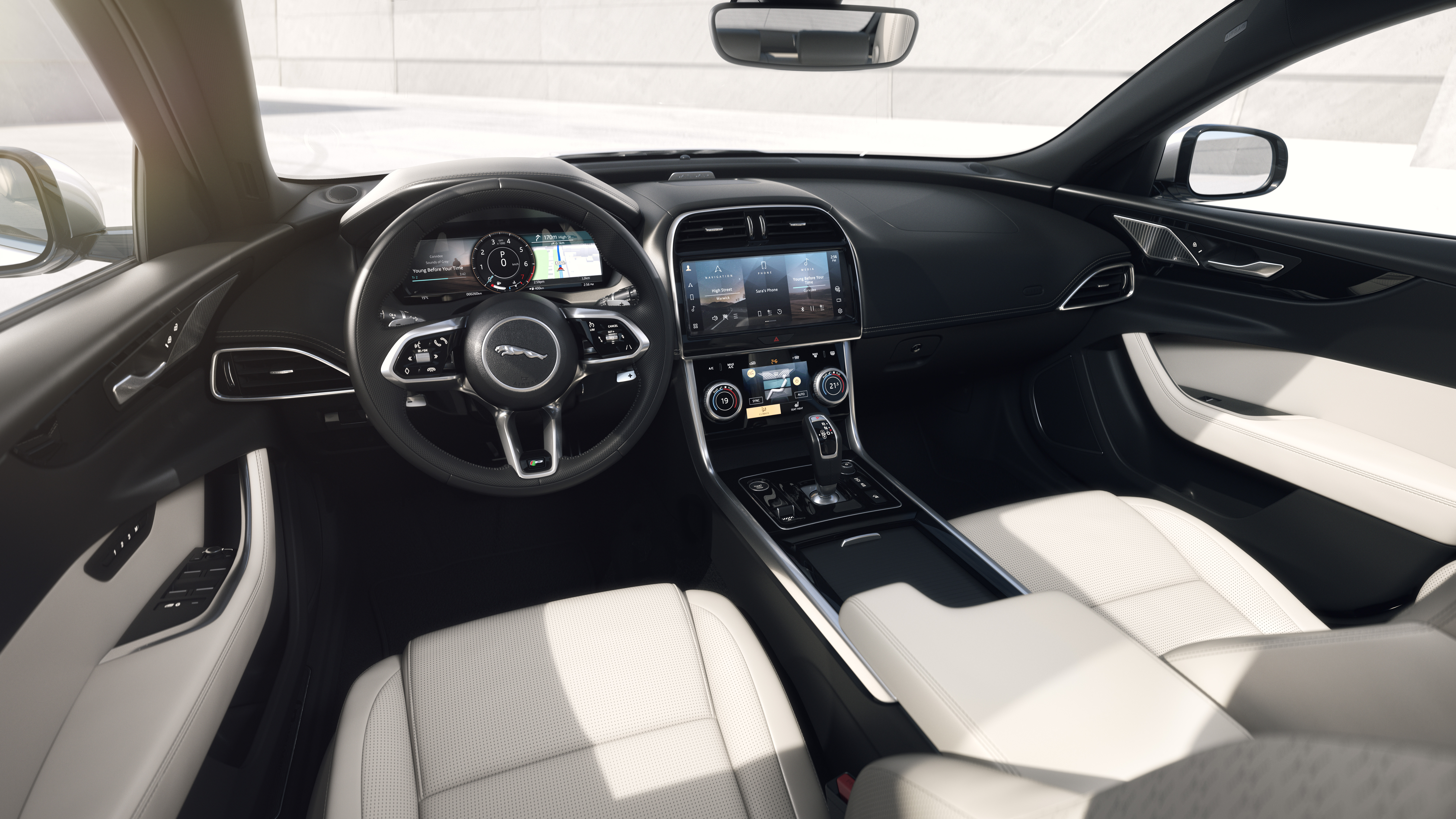
The 2019 facelift is the meaningful upgrade here: it brought the twin-screen Touch Pro Duo set-up borrowed from the I-Pace, a much-improved cabin with better materials, and a tidier centre console. That alone is why we steer buyers to a 2019-on car wherever budget allows. On the test drive, cycle every electrical item: each window, the heated seats, the screens, the cameras, the keyless entry. A car with three small electrical faults today will have five next winter, and Jaguar dealer diagnostic time is not cheap.
Best year and engine to buy
Our pick is a 2020 to 2021 facelift XE P250 R-Dynamic S with full Jaguar or specialist history, ideally on the smaller 18-inch wheels. That combination gives you the better cabin and infotainment, the petrol engine’s lower stress profile, the sporty trim that holds value, and a ride that survives British roads. If you want the diesel for motorway economy, insist on the D180 in a post-facelift car with a printed service record showing short oil-change intervals; reject any diesel that cannot prove it. Avoid the earliest 2015 to 2017 cars unless the price is genuinely low and the history is spotless, because that is where the dated infotainment and the highest-mileage engines cluster.
Pre-purchase checks before you pay a deposit
Treat the history as the product. Start the engine from stone cold and listen for a top-end rattle that settles after a few seconds; that is the timing-chain warning sign and it is your strongest negotiating lever or your reason to walk. Read the service book for genuine short oil-change intervals on a diesel. Run the registration through the free gov.uk MOT history checker to spot advisories on tyres, brakes and emissions, and to confirm the mileage climbs sensibly year on year. Budget for tyres if the car wears 19s or 20s, and check the brake discs for lipping on heavier P300 cars.
Finally, weigh the warranty question. A manufacturer Jaguar Approved Used car costs more but buys back-up on exactly the electrical and engine items the XE is known for. If you buy privately or from a non-franchised dealer, a third-party policy is worth pricing: our comparison of Warranty Direct, MotorEasy and ALA cover on used JLR cars shows what these policies actually pay out on, and the approved-used route is set out in our approved used warranty comparison.
A Jaguar XE used buy makes sense for the driver who values steering feel and ride over badge residuals, and who will do the homework. We would buy a 2020 to 2021 P250 R-Dynamic with full history and smaller wheels, pay a little more for clean paperwork, and treat the cold-start engine check as pass-or-fail. The car suits someone covering moderate mileage who wants a compact executive saloon that feels special for compact-hatchback money. It does not suit a buyer who needs cheap, predictable main-dealer support or who will skip services, because the Ingenium chain and the JLR electrics punish neglect. The diesel is only for confirmed high-mileage drivers with proof of short oil intervals. Get the right car and the XE is the most car-for-the-money in its class; get the wrong one and it is a cautionary tale. The paperwork, not the postcode, decides which you end up with.
Is the Jaguar XE 2.0d reliable?
Which Jaguar XE engine should I buy used?
What is the best year for a used Jaguar XE?
How much does a used Jaguar XE cost in 2026?
Why is the Jaguar XE cheaper than a BMW 3 Series?
Where to check before you buy
Build your shortlist from a mix of sources and verify each car independently. Scan Auto Trader and PistonHeads for asking prices and to read the specification on each listing, then sanity-check the value against the Parkers used price guide. Run the registration through the free gov.uk MOT history checker for advisory patterns on tyres, brakes and emissions, and confirm the mileage progression looks honest. Use an HPI-style check to confirm there is no outstanding finance and the car has not been written off. For a diesel, ask the seller for the printed service record and look specifically for short oil-change intervals. If you want manufacturer back-up on the electrics and engine, price a Jaguar Approved Used car against a private buy plus a separate warranty policy, and read the small print on betterment and claim limits before you commit.
How we researched this guide
Every pick here is shortlisted from hands-on testing and time spent living with the hardware by the CDE desk, then sanity-checked against current UK pricing, manufacturer specs and real-world performance before it makes the cut. We never rank for commission — affiliate links don't change the order.