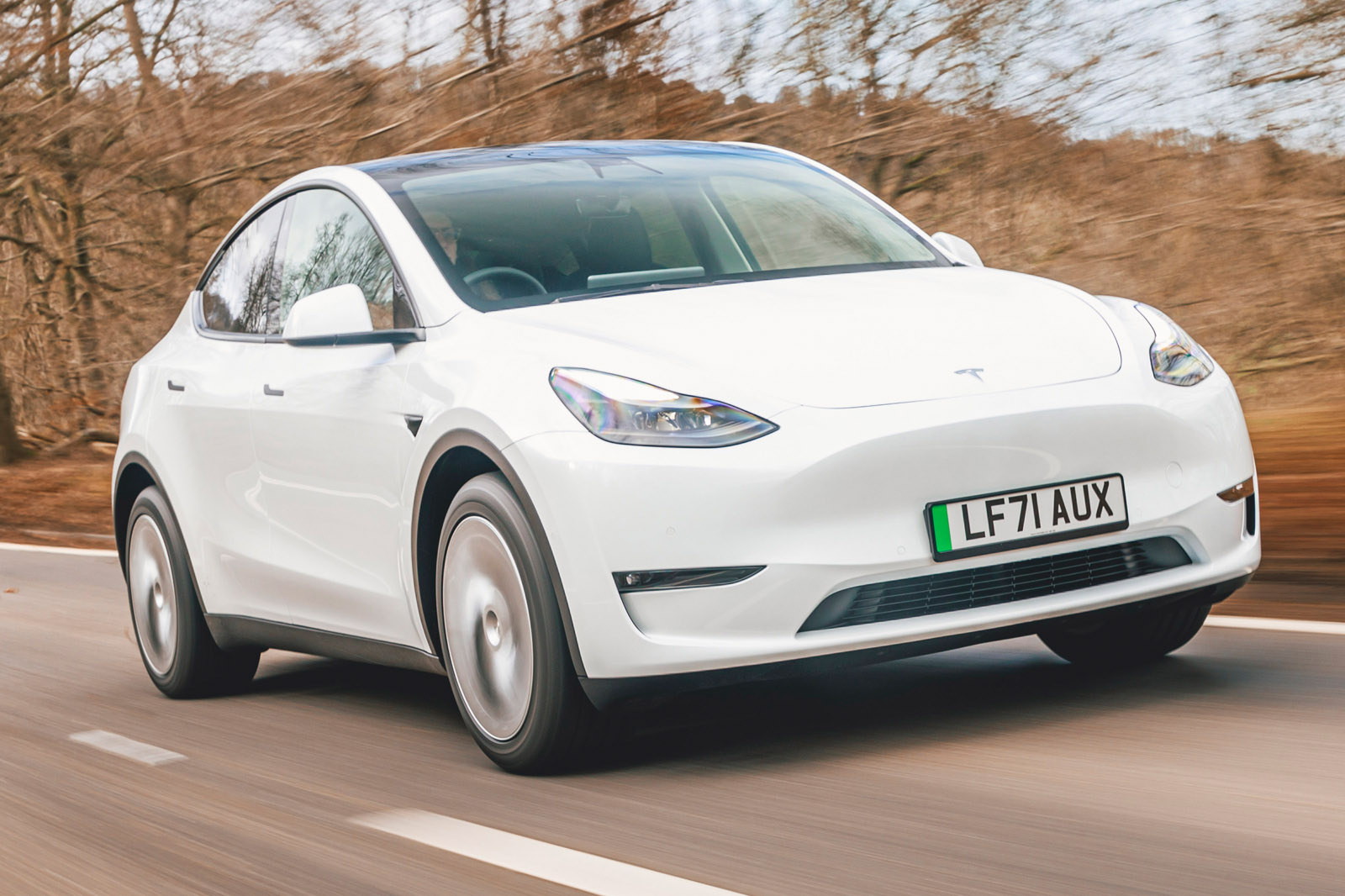
Best used family EV for 2026: why a three-year-old EV is the buy , and the one I'd pick.
A 2023 Tesla Model Y Long Range that wore a sticker close to £55,000 new now changes hands for a touch over £30,000 – and the rivals undercutting it are, in the one respect that defines a long motorway day, quicker to charge than cars launched this year. That is the strange, lopsided logic of the used electric market in 2026, and it is exactly why a three-year-old family EV is the most interesting thing on a forecourt right now. The case rests on hard data: the largest real-world study of its kind, published by Geotab across more than 22,700 vehicles in early 2026, found EV batteries retain 81.6% of their original capacity after eight years – comfortably above the threshold most owners fear they will breach.
I spend my days reading auction sheets and warranty small print, and the question I get asked more than any other is whether buying someone else’s three-year-old EV is brave or foolish. My answer has hardened into a position: for a family that can charge at home, it is neither — it is the smartest money in the showroom. But only if you buy the right car, and only if you know which fears to ignore and which to take seriously.
Why three years old is the number that matters
Depreciation does its cruellest work in the first 36 months, and EVs have taken that hit harder than almost any combustion equivalent. That is miserable for the original owner and a gift for the second. A car engineered to a near-£55,000 brief — the body control, the cabin materials, the safety kit — does not stop being a near-£55,000 car the day its value halves. You are buying the engineering at a discount the first owner paid for.
The trap is assuming "cheaper" means "compromised." It doesn’t. A 2023 registration lands you on mature versions of the current platforms, with the early software bugs patched and, crucially, a meaningful slice of manufacturer warranty still running. This is not about chasing the lowest number on a screen; it is about buying a genuinely premium family car for the price of a mid-spec new supermini. The value is in the tier, not the bargain.
The battery question, answered with numbers
Here is the fear that stops most people, and here is why I think it is largely misplaced. Average that Geotab dataset out and annual degradation works out at roughly 2.3% a year — the 81.6% retained over eight years spread evenly — and the weight of the evidence now points the same way: this is no longer the systemic risk it was once assumed to be. Most manufacturers guarantee the traction battery to 70% of capacity over eight years or 100,000 miles. The real-world average sits well clear of that line for the life of the warranty.
A three-year-old EV battery that has lost six or seven per cent of its capacity is not a problem to solve — it is a car doing exactly what the data said it would.
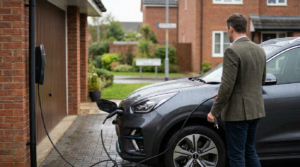
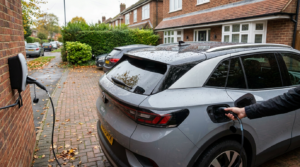
What this means in practice: a battery health certificate matters far more than the odometer. Ask for one, or insist a State of Health check is run before you sign. A car with a printed SoH figure in the high 90s and a clean fast-charging history is worth paying over the odds for; a suspiciously cheap example with no battery paperwork and a former life as an airport taxi is not. Service history is non-negotiable — many of these cars were maintained at franchised dealers precisely to keep the warranty alive, and that audit trail is your protection.
The cars I would actually shortlist
| Model (2023) | Typical used price | What it’s known for | The deciding factor |
|---|---|---|---|
| Tesla Model Y Long Range | around £30,000 (from ~£22,000 higher-mileage) | Up to 331 miles claimed, Supercharger network, hard-to-beat efficiency | The efficiency-led pick for higher-mileage drivers |
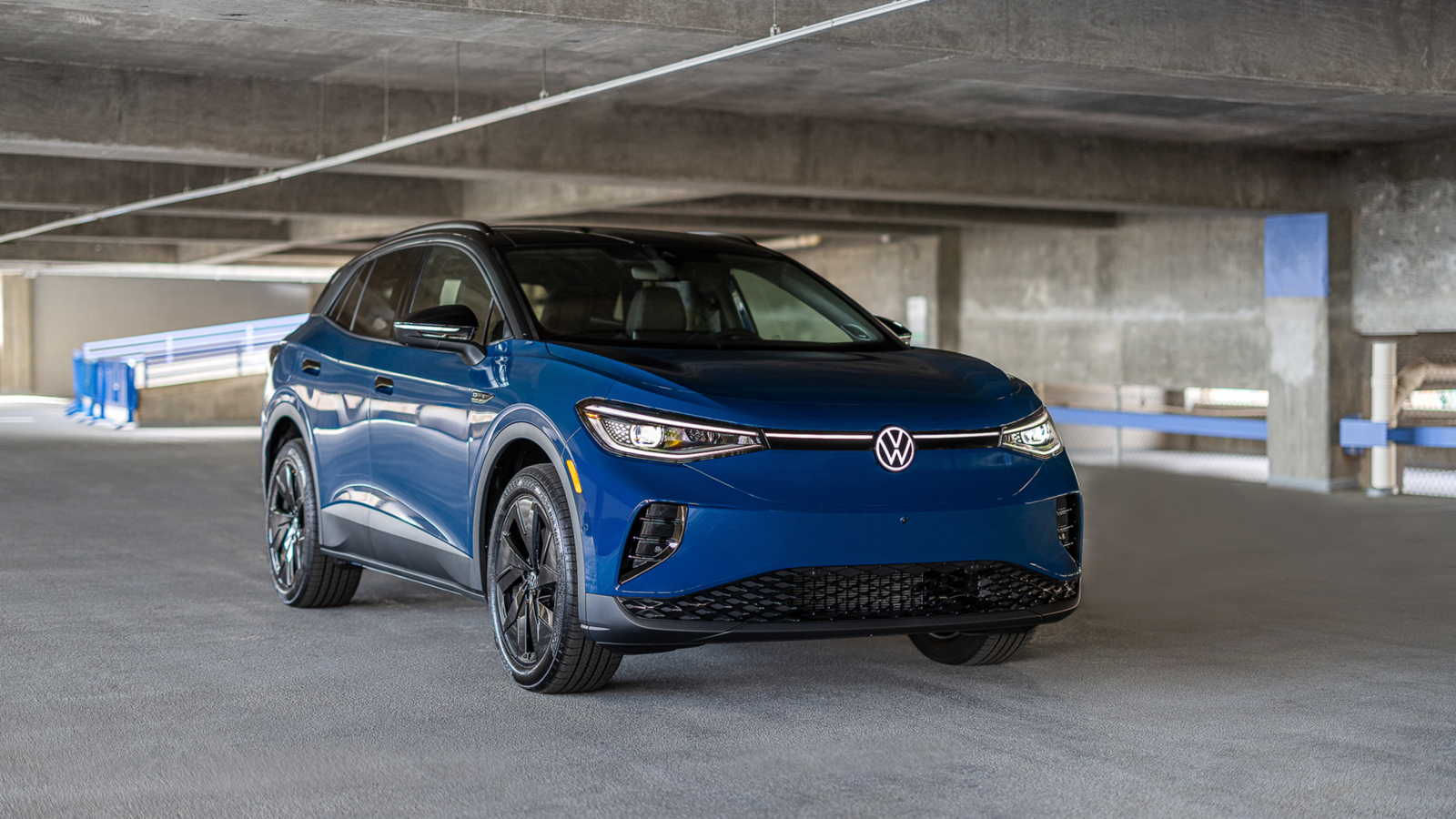
| Hyundai Ioniq 5 | strong 2023 cars near £20,000 (from ~£15,200) | 800-volt rapid charging, Vehicle-to-Load, roomy E-GMP cabin | Co-pick, bought on battery health first |
| Kia EV6 | around £22,600 for a 2023 GT-Line S | 263–361 miles, 800-volt charging, Vehicle-to-Load | Transferable 7-year/100,000-mile warranty seals it |
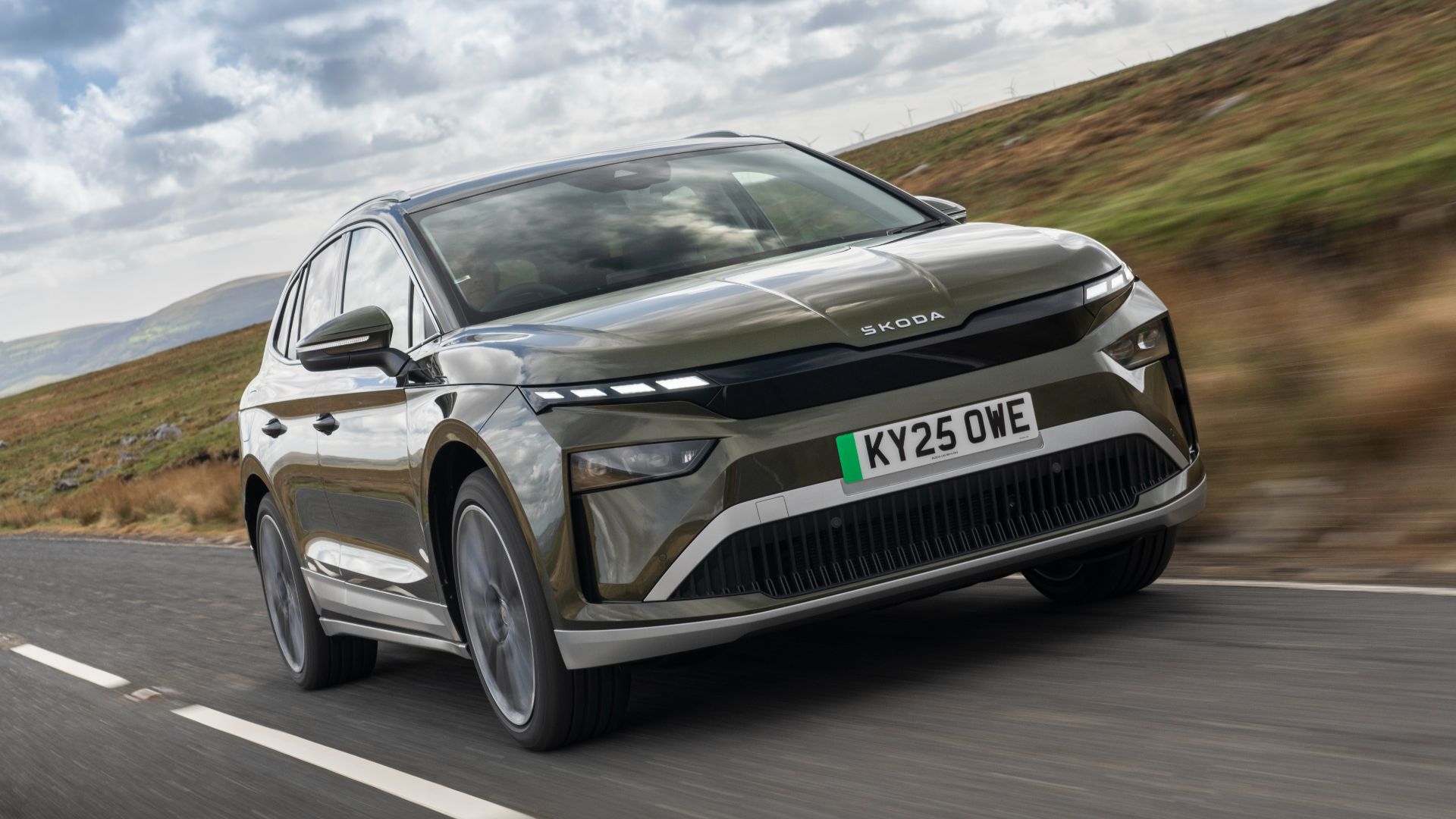
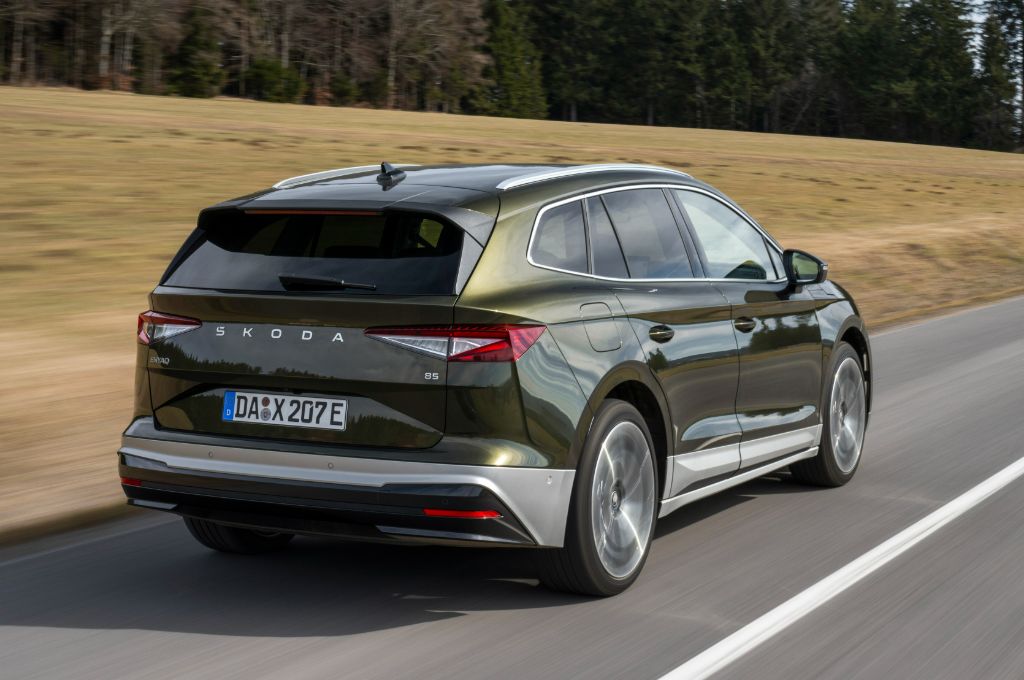
| Skoda Enyaq 80 (82kWh) | around £20,000 | 250–280 miles real-world, the biggest cabin here | New lists from £39,010, so the used maths favours patience |
| Where I land | EV6 or Ioniq 5 on battery-health certificate first; Model Y as the efficiency-led alternative for high-mileage drivers. | ||
Start with the obvious one. A 2023 Tesla Model Y Long Range claims up to 331 miles, though high-200s is the honest figure on a cold motorway. Listings sit around £30,000 for a tidy Long Range, with higher-mileage examples dipping toward £22,000 per Autocar’s used review. It is the default for a reason: space, the Supercharger network, ruthless efficiency. But the default is not always my pick.
The cars I keep steering families toward are the Korean pair built on the E-GMP platform. A used Hyundai Ioniq 5 now starts from around £15,200 for earlier cars, with strong 2023 examples nearer £20,000, and its sibling the Kia EV6 spans roughly £18,700 to £44,499, with a clean 2023 GT-Line S around £22,600. The EV6’s official range runs from 263 to 361 miles depending on drivetrain, the rear-drive long-range car topping the spread.
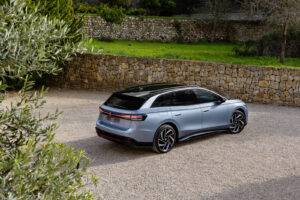
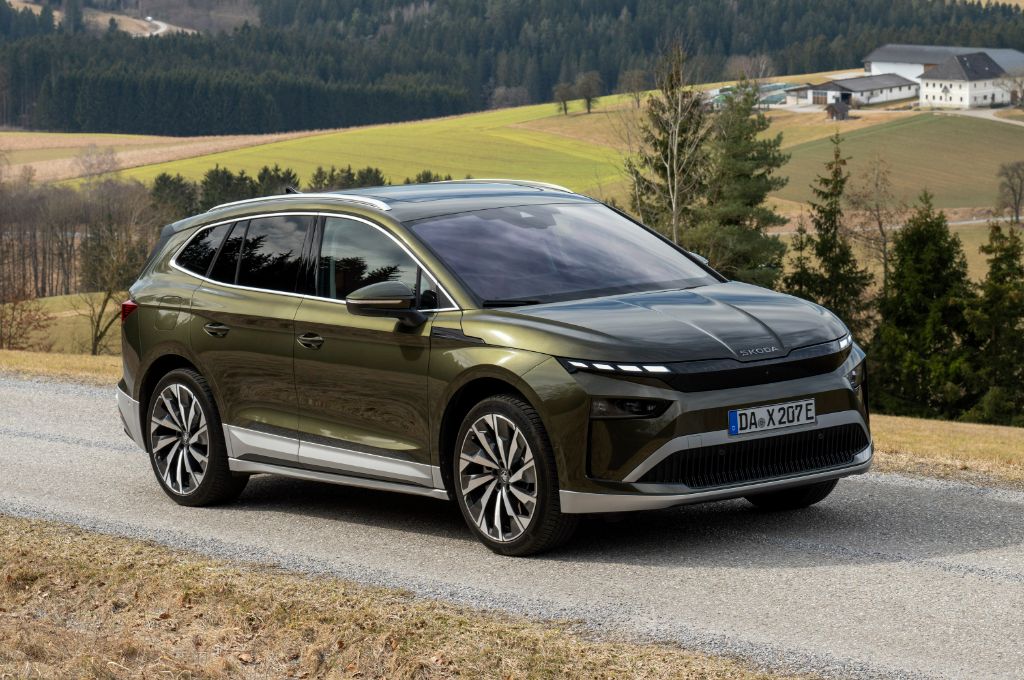
If outright cabin space is the priority, the Skoda Enyaq deserves a look. An 82kWh "80" can be had used near £20,000, delivering a real-world 250–280 miles — against a new entry price that Electrifying now lists from £39,010. The maths there is stark, and it favours the patient used buyer every time.
The 800-volt trick that newer money can’t always buy
This is the detail that turns the Ioniq 5 and EV6 from sensible into genuinely clever. Both ride on an 800-volt architecture that lets them pull a 10–80% charge in around 18 minutes on a 350kW connector — a figure plenty of brand-new, more expensive EVs still cannot match. Both also offer Vehicle-to-Load, up to 3.6kW of household power out of the car for a campsite, a coffee machine on the touchline, or a power cut at home. You are buying a three-year-old car that out-charges and out-features things rolling off the line today. That is the kind of inversion that only happens in a fast-moving, heavily depreciating market.
The Kia warranty seals it for me. Kia’s seven-year, 100,000-mile cover transfers to you as the second owner — so a 2023 EV6 can still have four years of manufacturer protection in hand. For a family weighing the unknowns of used-EV ownership, that runway is worth real money and real peace of mind.
Who should hold off
I am not going to pretend this works for everyone. If you cannot charge at home or at work, the economics wobble badly — public rapid charging erodes the running-cost advantage that makes the whole proposition sing. If you routinely drive 250-plus motorway miles in one hit in winter, the gap between an EV’s claimed and real range will frustrate you, and you should either buy the longest-range version you can or wait. And if a private seller cannot produce service records or a battery health figure, walk away, however tempting the price. The good cars sell themselves on paperwork; the risky ones sell themselves on discount.
For everyone else — the school run, the supermarket, the occasional long weekend, charged overnight on a home tariff — the case is overwhelming. The broader market backs this up; outlets from Parkers to the used-buying specialists now treat the three-year-old family EV as a mainstream recommendation rather than an enthusiast’s gamble.
What three years of someone else’s depreciation buys you
If it were my own money and my own family, I would put a 2023 Kia EV6 or Hyundai Ioniq 5 at the top of the list, chosen on battery health certificate first and colour second, with the Tesla Model Y as the efficiency-led alternative for higher-mileage drivers. The 800-volt charging, the transferable warranty on the Kia, and the simple fact that the steepest depreciation has already been absorbed by someone else — that combination is hard to argue with. The thing that would change my mind is the charging question. No home or workplace socket, and I would not buy any of these yet. But sort that out first, and a three-year-old family EV in 2026 is, to my eye, the most car you can buy for the money without buying new at all.
How we researched this guide
Every pick here is shortlisted from hands-on testing and time spent living with the hardware by the CDE desk, then sanity-checked against current UK pricing, manufacturer specs and real-world performance before it makes the cut. We never rank for commission — affiliate links don't change the order.
Buyer action
Where to check next
Use this as the final check before paying a deposit, signing finance paperwork or relying on a headline monthly figure.