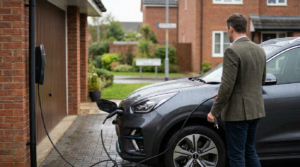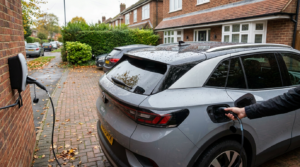
Choosing a home EV charger in 2026 comes down to one question for a premium driver: do you want the smartest scheduling on a cheap overnight tariff, or the cleverest way to pour your own solar into the car? Ohme and Pod Point lead the first camp, Zappi owns the second, and Hypervolt sits between them on design. All four are 7.4kW, so the real difference is software, warranty and how well each plays with Octopus.
What the spec sheets actually say
CDE compared the published specifications, warranty terms, charging modes and indicative pricing for the Ohme Home Pro, myenergi Zappi, Pod Point Solo 3S and Hypervolt Home 3 Pro from each maker’s own product pages, checked 4 June 2026. Prices move with installer, cable length and any grant you qualify for.
- Longest warranty: Pod Point Solo 3S at five years, against three years for Ohme, Zappi and Hypervolt.
- Best for solar: Zappi (ECO/ECO+/FAST diversion) and Hypervolt (Eco and Super Eco solar-only), with Pod Point offering solar integration too; Ohme leans on tariff timing rather than physical solar diversion.
- Best for a pure off-peak Octopus home: Ohme and Pod Point, both with deep smart-tariff scheduling and a tethered option.
Why every home EV charger now starts at 7.4kW
On a standard single-phase UK home supply, all four chargers here top out at the same 7.4kW (32A), adding roughly 25 to 30 miles of range per hour. That is enough to refill a depleted Tesla Model Y or Polestar 4 overnight. Three-phase 22kW units exist (Zappi sells one), but almost no UK home has three-phase power, so the contest is between four 7.4kW boxes that differ on brains, not brawn.
That is why this guide weighs software and warranty over headline kilowatts. If you are still deciding whether a sal-sac car even belongs on your driveway, our breakdown of premium EV deposit strategy sets out where a charger fits in the wider running-cost picture before you commit.
Smart-tariff scheduling: where Ohme and Pod Point pull ahead
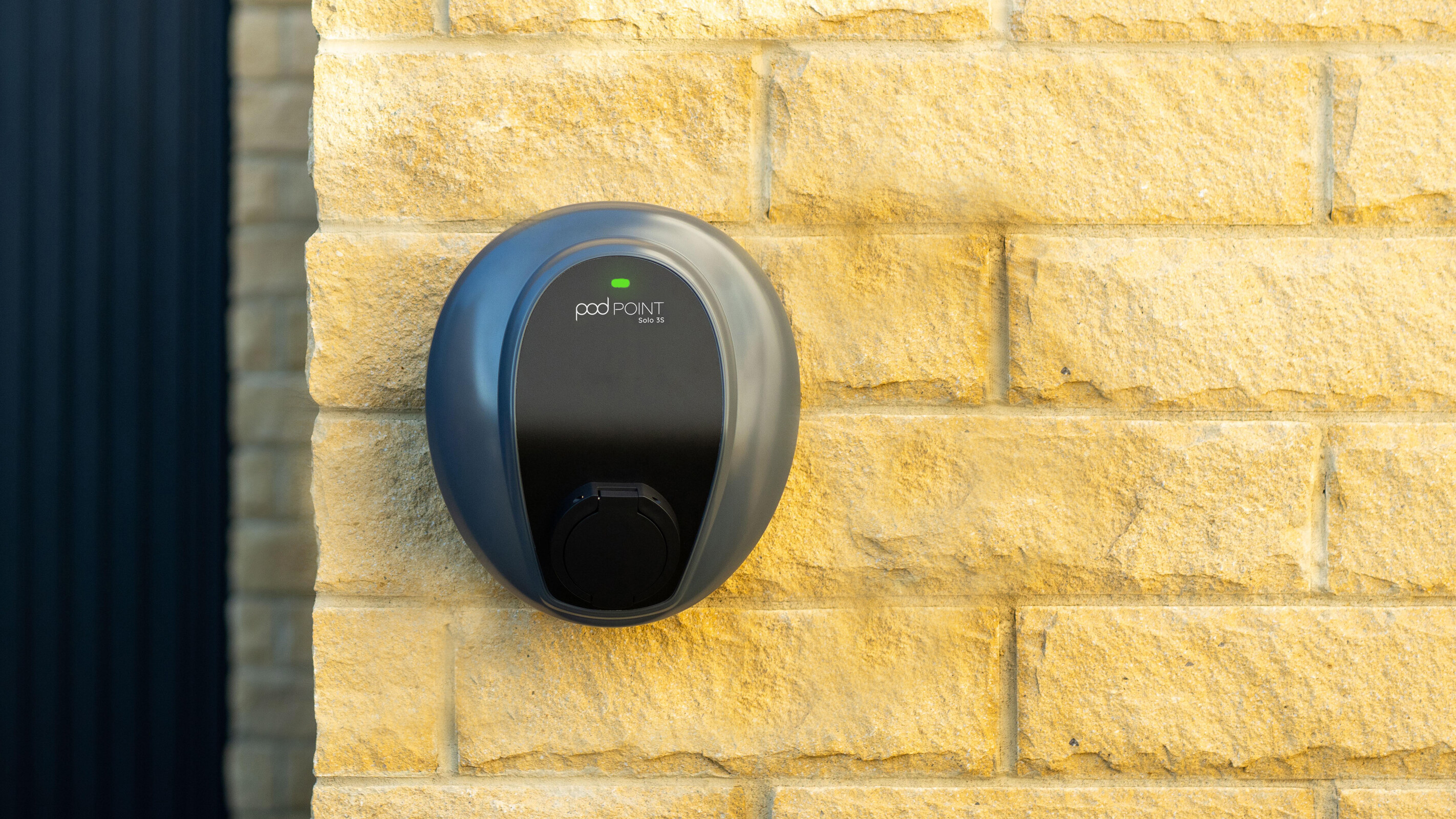
If your plan is to charge on Intelligent Octopus Go and never think about it again, scheduling quality is the whole game. Intelligent Octopus Go gives 8p/kWh in a guaranteed window between 23:30 and 05:30, plus extra cheap slots the platform finds automatically (Octopus product page, checked 4 June 2026). The Ohme Home Pro is built around exactly this: it integrates directly with Octopus, Agile and other time-of-use tariffs and schedules charging to the cheapest half-hours with no daily input. Pod Point’s Solo 3S app does the same job and adds over-the-air updates.
Zappi and Hypervolt also schedule to tariffs, but their headline feature is solar, not tariff finesse. For a higher-rate taxpayer running a payroll EV, that distinction matters; the same logic shapes our Octopus EV versus Loveelectric salary sacrifice comparison, where the energy package can swing total cost more than the lease line.

Solar and eco modes: the Zappi case
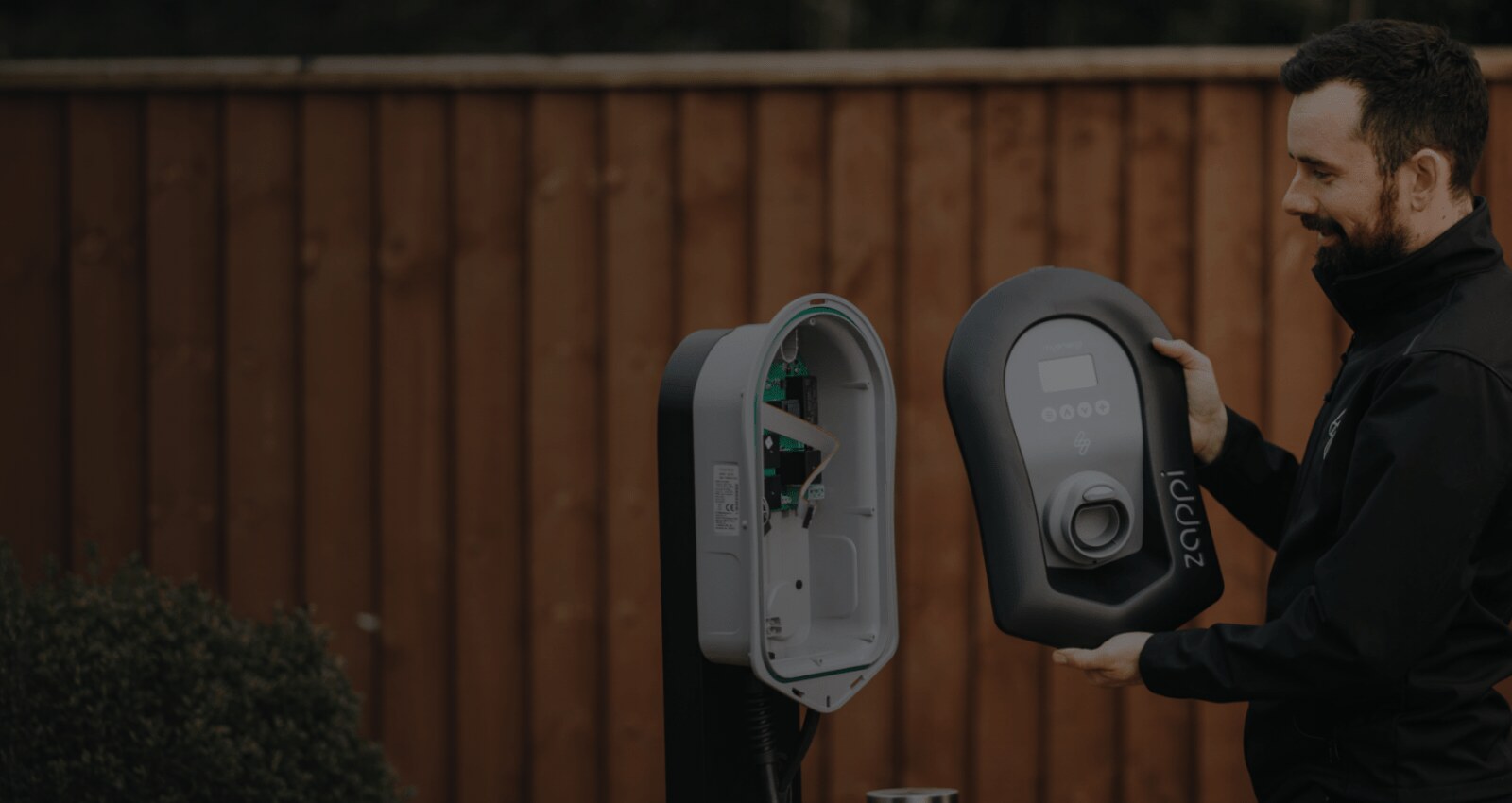
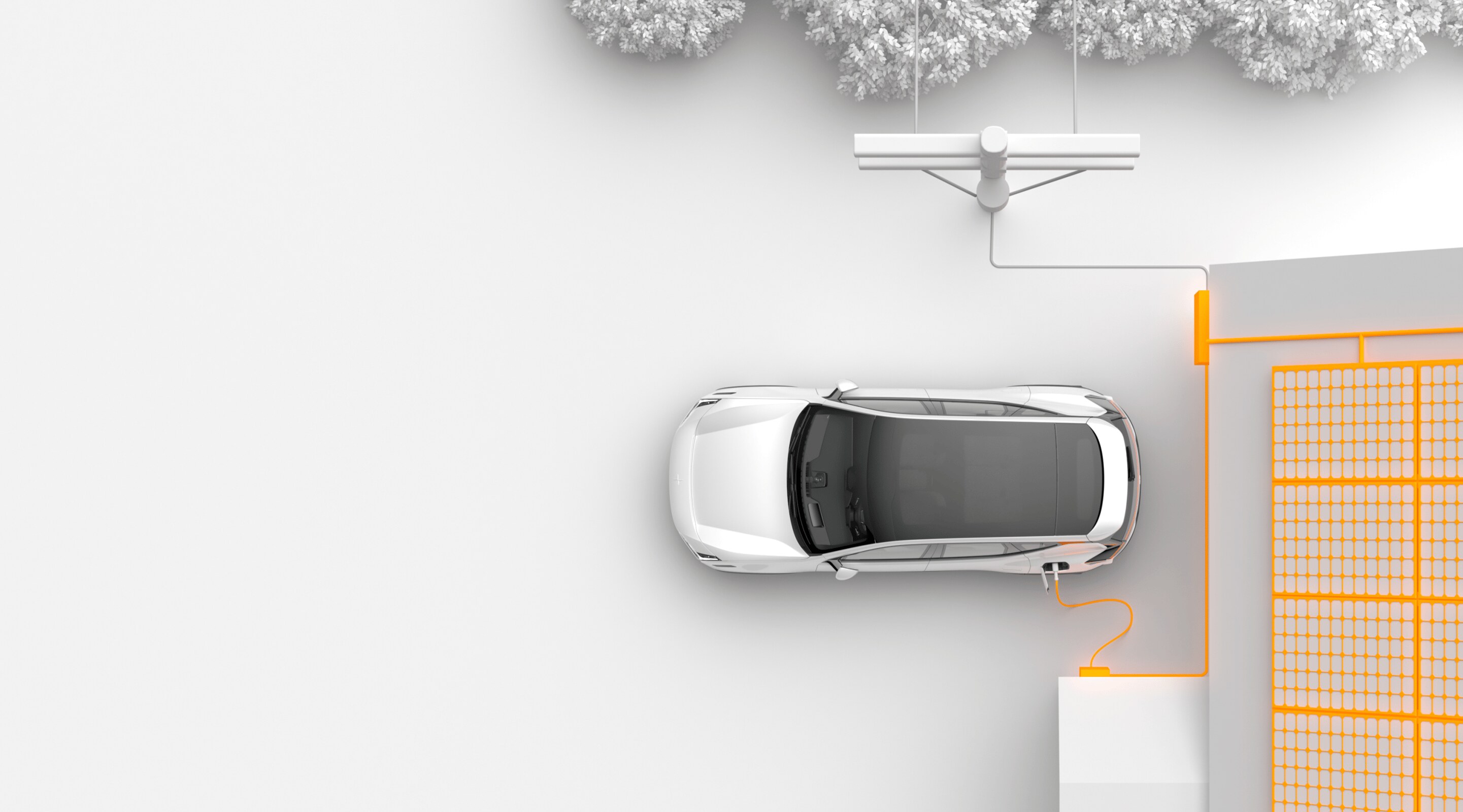
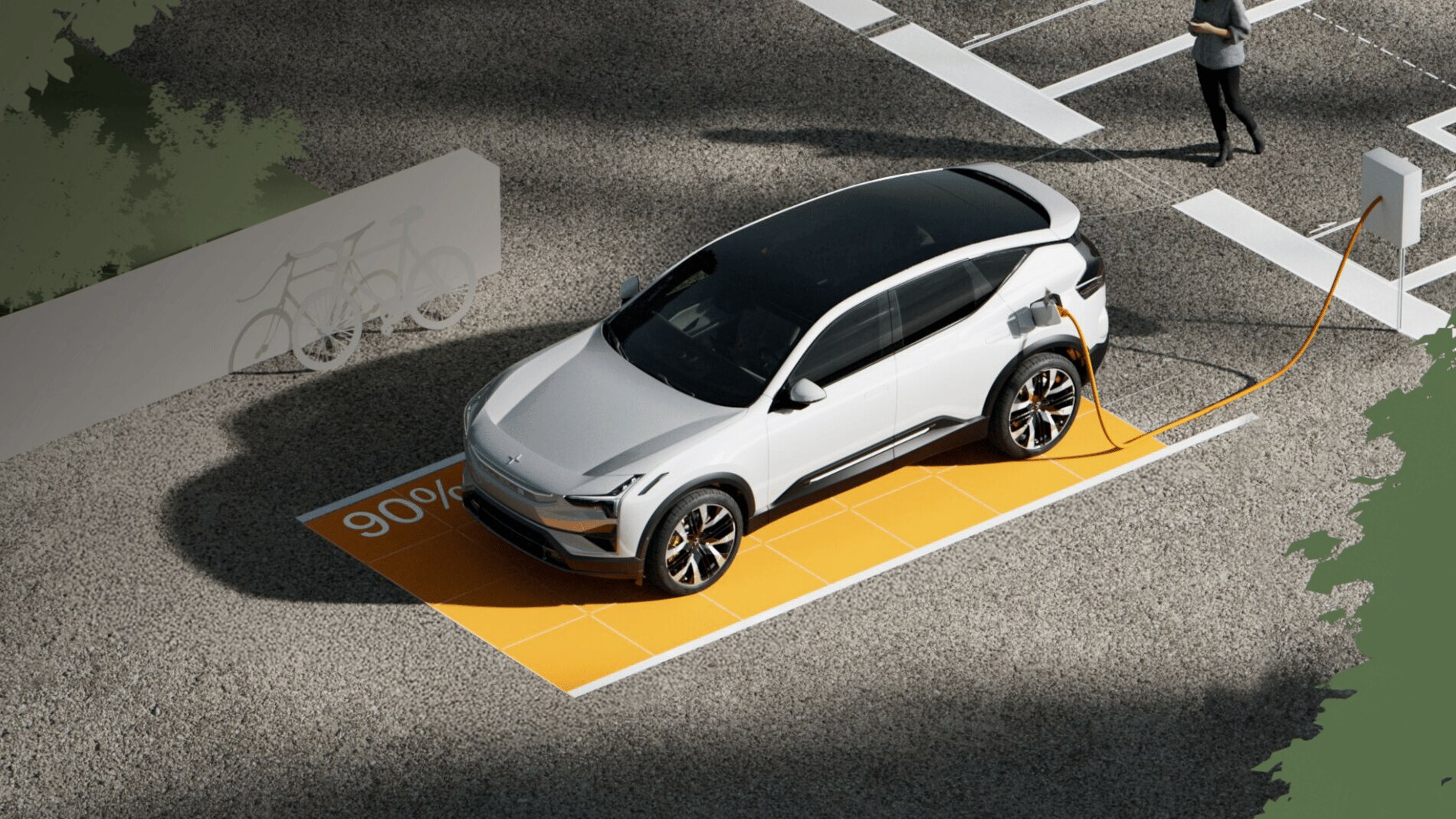
The Zappi earns its following from drivers with solar panels. Its ECO and ECO+ modes use current-transformer clamps to watch household generation and divert only surplus solar into the car, so you charge on sunshine you would otherwise export for a few pence; FAST mode just charges flat out. Hypervolt’s Home 3 Pro answers with Eco (solar and grid) and Super Eco (solar only) plus automatic load management, and Pod Point’s Solo 3S offers solar integration too. Ohme is the outlier: it optimises by tariff, not by physical solar diversion, which is fine if your saving comes from cheap overnight units rather than panels.
Our rule is simple. Solar on the roof, pick Zappi or Hypervolt. No panels and a cheap night rate, the diversion hardware is dead weight and Ohme or Pod Point make more sense.
Tethered versus untethered, and app quality
Tethered means the cable is fixed to the unit (grab and plug, no bending into the boot); untethered means a tidier box and a socket you bring your own cable to. Ohme Home Pro ships tethered as standard with a 5m or 8m lead. Zappi and Pod Point sell both tethered and untethered. Hypervolt’s Home 3 Pro is tethered with 5m, 7.5m or 10m options. For a two-car premium household where one cable lives in the garage, tethered usually wins on convenience; for a clean wall and shared cables, untethered looks neater.
On apps, Ohme’s colour screen and Pod Point’s mature app are the standouts for tariff drivers, while myenergi’s app is the deepest for those who want to see solar flows in real time. None is bad; the question is whether you want energy dashboards or a set-and-forget timer.
The OZEV grant: who still gets help in 2026
The old plug-in grant for houses with a private driveway closed years ago, but the EV chargepoint grant survives for renters and flat owner-occupiers. Per gov.uk’s chargepoint grant guidance, the support covers 75% of the cost to buy and install a socket, up to £500 per socket from April 2026 (up from £350), and you need your own private off-street parking. Funding is confirmed until 31 March 2027. Claims go through an OZEV-approved installer, who deducts the grant from your invoice. All four chargers here have OZEV-approved variants, so eligibility is about your property, not the brand.
If you rent or own a flat, that is £500 off before you start. For a homeowner with a driveway, no grant applies, so the headline price is what you pay. Worth weighing alongside the wider EV buyer incentives in the UK for 2026 when you tot up the cost of going electric.
Install cost bands and warranty: what you actually pay
Indicative installed prices in 2026 cluster between roughly £800 and £1,200 fitted, depending on cable run, consumer-unit work and any earthing upgrade. The Ohme Home Pro starts from around £999 including standard installation; Pod Point’s Solo 3S sits near £1,099 untethered or £1,149 tethered before fitting extras. Zappi and Hypervolt land in a similar band, with Hypervolt the design-led premium pick. Treat all figures as indicative, since a complex install can add a few hundred pounds.
| Charger | Power | Warranty | Tethered/untethered | Solar mode |
|---|---|---|---|---|
| Ohme Home Pro | 7.4kW | 3 years | Tethered (5m/8m) | Tariff-led, no diversion |
| myenergi Zappi | 7.4kW | 3 years | Both | ECO/ECO+ solar diversion |
| Pod Point Solo 3S | 7.4kW | 5 years | Both | Solar integration |
| Hypervolt Home 3 Pro | 7.4kW | 3 years | Tethered (5/7.5/10m) | Eco/Super Eco solar-only |
Warranty is the quiet differentiator. Pod Point’s five years against the field’s three is genuine reassurance over a typical ownership span, and matters more on a charger you expect to outlast two cars. The same long-horizon thinking applies to your vehicle choice, as our look at what buyers should know about the Range Rover Electric spells out.
Which charger suits a salary-sacrifice driver on Octopus
A salary-sacrifice driver typically has no solar and lives on a cheap overnight tariff, because that is where the running-cost saving sits. For that profile, deep tariff scheduling beats solar hardware, which points to Ohme or Pod Point. Pair an Ohme Home Pro with Intelligent Octopus Go and your marginal mile costs about 8p/kWh, a fraction of public rapid charging. The maths echoes our Tesla Model Y salary sacrifice and BMW iX salary sacrifice workings, where cheap home charging is what makes the payroll case stack up.
The off-peak-only home that does have solar is the one case where we would override the default. There, a Zappi turns spare summer generation into free miles, and the slightly fiddlier app pays for itself. Watch the clip below for how the Octopus side of that schedules in practice before you pick the box on the wall.
For most readers, the best home EV charger in 2026 is the one that matches your energy setup, not the one with the flashiest spec. If you are a salary-sacrifice or off-peak driver on Octopus with no solar, our view is the Ohme Home Pro or Pod Point Solo 3S: both schedule cleanly to Intelligent Octopus Go, both offer tethered convenience, and Pod Point’s five-year warranty is the longest here. If you have solar panels, the Zappi is the one we would fit, because its ECO diversion turns surplus generation into free range a tariff-only charger cannot capture. Hypervolt is the design-led pick if the unit’s looks matter on a visible wall and you want solar-only charging. Who should walk away from overthinking this? Anyone without solar tempted by a diverting charger for features they will never switch on. What would change our view is a warranty cut or a tariff-partner change, so check the current terms before you pay a deposit.
A note on scope: this is general consumer guidance, not personalised financial, tax or insurance advice. The figures here are illustrative and depend on your salary, tax band, employer scheme and personal circumstances. Check the current HMRC, FCA and MoneyHelper guidance and speak to a regulated adviser before you commit.
Which home EV charger is best for Intelligent Octopus Go?
Do I need a Zappi if I have solar panels?
How much does a 7kW home charger cost to install in 2026?
Can I still get a government grant for a home charger?
Tethered or untethered: which should I choose?
Checks to make before you book the installer
Before you settle on a charger and a fitter, work through these:
- Confirm your eligibility for the chargepoint grant on gov.uk if you rent or live in a flat, and check the installer is OZEV-approved.
- Read each charger’s warranty terms on the maker’s own site (ohme-ev.com, myenergi.com, pod-point.com, hypervolt.co.uk) so you compare three years against Pod Point’s five.
- Check your tariff: confirm the charger is on your energy supplier’s compatible list for smart scheduling, especially for Intelligent Octopus Go.
- Get a fixed installation quote that states cable length, any consumer-unit or earthing work, and whether tethered or untethered is included.
- If you have solar, ask the installer to confirm the diversion clamp setup and that ECO or Super Eco mode will work with your inverter.
- Compare indicative pricing across two or three installers rather than the first number, since fitting cost varies more than the unit price.
Buyer action
EV and salary-sacrifice checks
Use this as the final check before paying a deposit, signing finance paperwork or relying on a headline monthly figure.