About this article: Car Deal Expert is an independent publisher, not a lender, credit broker or insurance intermediary. We do not arrange finance or insurance, we hold no commercial relationship with the providers mentioned, and nothing here is financial advice. Figures are illustrative and change — always confirm against the provider's own written quote. If you have a complaint about a finance or insurance provider, the Financial Ombudsman Service is free to use.
One in five cars on Britain’s roads is reportedly carrying a modification its insurer knows nothing about. That estimate, drawn from Kael Tripton’s 2026 analysis of the modified-car market, is the whole game. Because the day one of those drivers has an at-fault shunt, the cost stops being the insurer’s problem and becomes theirs, and on a serious claim that can run past £10,000, as Brumble’s running-costs guide sets out.
I write about insurance and running costs for a living, and modified cover is the area where I see the most expensive misunderstandings. People assume the choice is between paying a fortune and quietly saying nothing. It isn’t. There is a way to insure a modified car properly without overpaying, but it starts with accepting that one of those two options will eventually ruin you.
Declaring isn’t a courtesy, it’s the law (modified car insurance)
Let me be blunt about the legal position, because it’s where the real money is lost. Under the Consumer Insurance (Disclosure and Representations) Act 2012, you have a legal duty to take reasonable care not to misrepresent the risk, and that means every modification must be declared to your insurer: at inception, at renewal, and the moment you make a mid-term change. A set of aftermarket alloys fitted in March is a mid-term change. The remap you booked “just for a bit more throttle response” is a mid-term change.
Skip it and you are not driving on a cheaper policy. You are, in the eyes of the law, potentially driving on no policy at all. An undeclared modification can let the insurer avoid the contract, which drops you straight through to the Road Traffic Act 1988, section 143: driving uninsured. That’s a criminal offence, penalty points, and personal liability for every penny of a claim. The “saving” you made by keeping quiet evaporates the first time someone reverses into you in a car park and the assessor opens the bonnet.
The most expensive modification you can make to a car is the one you never tell your insurer about. Everything else is just an adjusted premium.
Illustration: CDE
What actually moves your premium
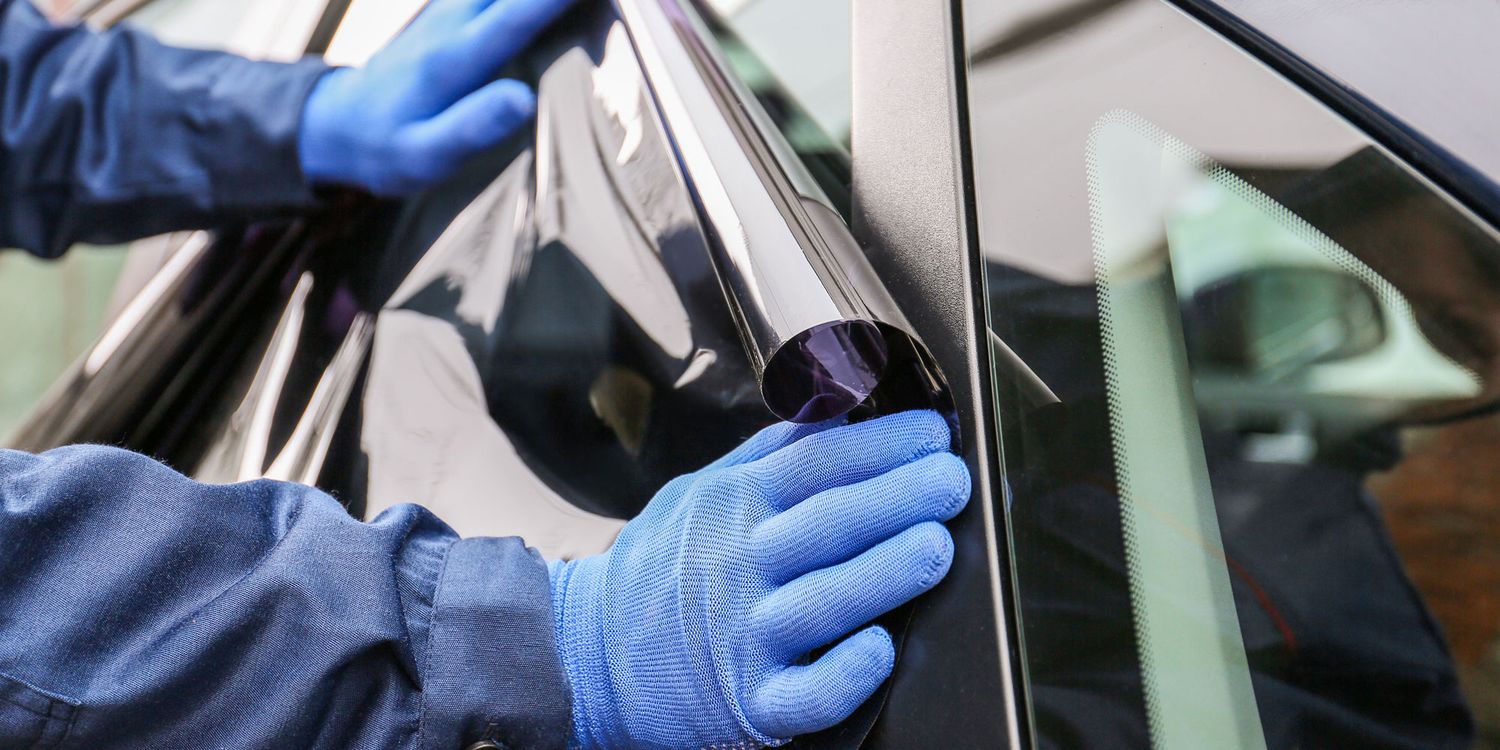
Here’s the part that surprises people: not all modifications are read the same way, and treating them as one undifferentiated “risk” is how you end up overpaying. Performance changes are the ones that bite. An engine remap, a turbo upgrade, anything that meaningfully increases power typically lifts a premium by 20 to 50 per cent, because the underwriter is now insuring a faster, more claim-prone machine. Treat that as a representative range as of 2026, not a quote: your actual loading depends on the car, the specific modification, your address and your claims history. It isn’t insurers being awkward; it’s the maths of the thing.
Cosmetic work sits much lower down the scale. Alloy wheels, a vinyl wrap, a tasteful interior trim: Which? treats these as comparatively minor, with far smaller loadings, because they don’t change how the car drives. And then there’s the category nobody thinks about: security. A Thatcham-approved tracker or alarm can actually reduce what you pay, because it lowers the theft risk the insurer is carrying. If you’re going to spend money on your car anyway, that’s the modification I’d make first: it’s the rare one that can pay you back.
Modification type
Typical premium impact (2026, representative)
Why
Performance (remap, turbo, power gains)
Premium up roughly 20–50%
Faster, more claim-prone car for the underwriter
Cosmetic (alloys, wrap, interior trim)
Far smaller loading
Doesn’t change how the car drives
Security (Thatcham tracker/alarm)
Can reduce the premium
Lowers the theft risk the insurer carries
Representative 2026 ranges, not quotes; your loading depends on the car, the modification, your address and claims history. Sources: Brumble running-costs guide; Which?.
Why a specialist usually wins
This is where most people overpay without realising it. They take a modified car to a mainstream insurer, get quoted an eye-watering figure or flatly refused, and conclude that modified cover is simply expensive. It isn’t expensive; it’s just mispriced by the wrong shop.
Mainstream insurers price modified vehicles with a blunt instrument. Many will load the premium heavily or decline a heavily modified car outright, because their underwriting models aren’t built for it. Specialists work differently. Names like Adrian Flux and Footman James underwrite each car individually, and that hand-pricing is precisely why specialists often come in lower on a genuinely modified vehicle. Which? makes the same point: a modified car is a job for an insurer that wants the risk, not one that merely tolerates it.
Illustration: CDE
My rule is simple. If your car has anything beyond factory spec, get the mainstream quote for a baseline, then get at least two specialist quotes before you commit. The gap between them is the overpayment you were about to sign up for. Every figure you are quoted will depend on your own circumstances, so compare like-for-like cover, not just the headline price.
The young-driver problem nobody softens
I won’t pretend this market is kind to everyone. If you’re under 25 and running a modified performance car, the numbers are brutal: representative premiums of £2,000 to £5,000 a year are the going rate in 2026, and no amount of clever shopping makes a remapped hot hatch cheap to insure for a 22-year-old. Those are illustrative market figures rather than a quote, and your own rate will depend on your age, postcode, the car and your record. Which?‘s reading of the market tells the same hard story.
So I’ll say the unpopular thing. If you’re a young driver, the modification that saves you the most money is the one you don’t make yet. Insure the car standard, build a clean record and some no-claims, and add the performance work later when the loading lands on a far lower base premium. The car will still be quick in three years. A voided claim at 23 follows you for a decade.
Image: CDE
The cover people forget to buy
One last thing, because it’s where a careful owner separates from a careless one: breakdown. A modified car, particularly one that’s been remapped or runs non-standard parts, is exactly the vehicle a standard recovery firm doesn’t want on its flatbed. Specialist breakdown cover starts at around £30 a year for basic roadside assistance, with a comprehensive policy adding recovery and onward travel for roughly £80 to £180, on 2026 pricing and subject to the provider and your cover level. On a car you’ve spent real money building, declining the £150 tier to save £120 is a false economy I’d never make.
What I’d actually do
If you own a modified car, or you’re about to make one, here’s my position and I’ll stand behind it. Declare everything, every time: there is no version of staying quiet that ends well, and a meaningful slice of UK drivers are quietly carrying that risk right now. Treat security upgrades as the smart spend, not performance ones, if your premium is the thing keeping you up at night. And never accept a mainstream quote as the verdict on a modified car; the specialist underwriters are where the proper price lives.
The thing that would change my mind on any of this is honestly nothing: the law isn’t a matter of opinion, and the maths on a voided claim doesn’t move. Insure it properly, insure it once, and the only number you’ll be arguing about is the premium. Which, for a car you’ve put your heart into, is a far better problem to have than the one waiting at the bottom of an undeclared policy.
Buyer action
Where to check next
Use this as the final check before paying a deposit, signing finance paperwork or relying on a headline monthly figure.
We use cookies to make this site work, measure how it is used, and (with your consent) personalise advertising. Strictly necessary cookies always run. Analytics and advertising cookies run only if you accept. See our Cookie Policy and Privacy Policy.
Car Deal Expert is a trading name of Greyline Technologies Limited. Registered in England & Wales, company no. 16673047. Registered office: 71-75 Shelton Street, London WC2H 9JQ.