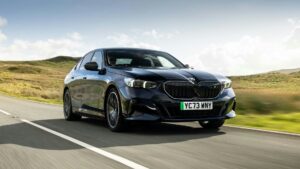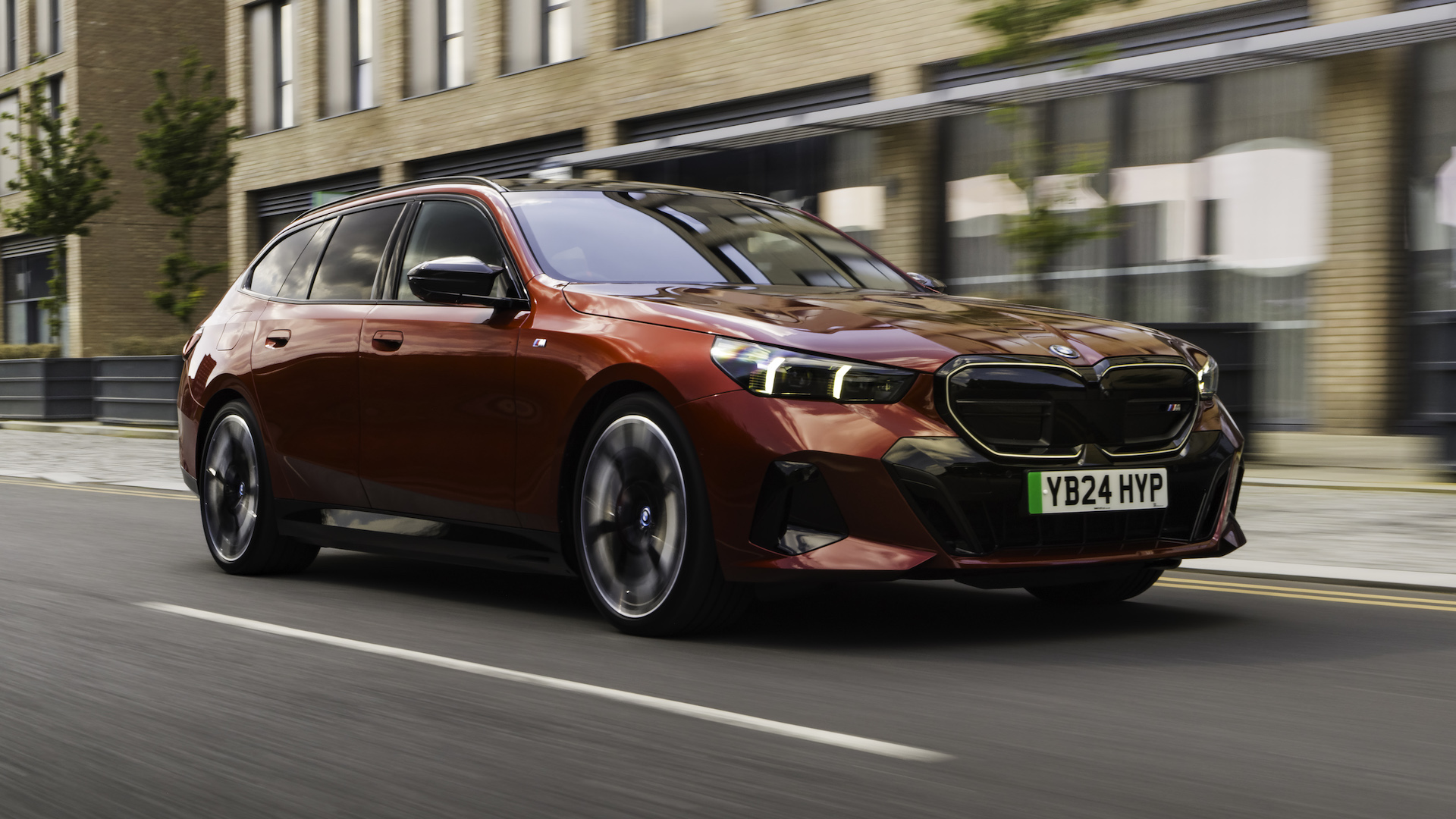
Here is the number that reframes the whole BMW i5 Touring conversation for me: £2,250. That is roughly what BMW charges to turn the i5 saloon into the i5 Touring estate, and for that money you get an extra 80 litres of boot and the only thing the saloon never had — a tailgate big enough to make an electric 5 Series genuinely useful. Carwow’s 2026 review lays the pricing out plainly, and once you see that figure the saloon starts to look like the harder car to justify.
Estate buyers in this country have been quietly underserved by the EV transition. We were handed SUV after SUV — taller, heavier, thirstier on the motorway — when plenty of us just wanted a low, long-roofed load-lugger that could swallow a dog crate and still see off a 911 at the lights. The i5 Touring is the first electric car in a long time that actually answers that brief, and the longer I look at the numbers the more I think it is the most quietly sensible thing BMW sells right now.
What you actually get for £70,000
The range opens with the eDrive40, which starts from around £70,045 according to Carwow’s current UK pricing. It is rear-wheel drive, produces 335bhp and gets to 62mph in about six seconds — quick enough that you will never once feel short-changed in normal driving. Auto Express’s review puts the official WLTP range at up to 343 miles, and that is the figure that matters here. Real-world, you should plan on something closer to 300, dropping further if you live on the motorway — but a genuine 290-300 mile electric estate is a car you can actually run without rearranging your life around the charging map.
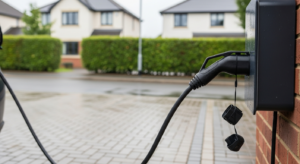
The battery is an 84kWh unit (81.2kWh usable), shared across the range, and it charges at up to 205kW on a rapid charger — good for a 10-80% top-up in roughly 30 minutes. On a home 11kW wallbox you are looking at a little over eight hours, which is an overnight charge and nothing more sinister than that. None of these figures are headline-grabbing in isolation. Taken together, they describe a car that simply works.
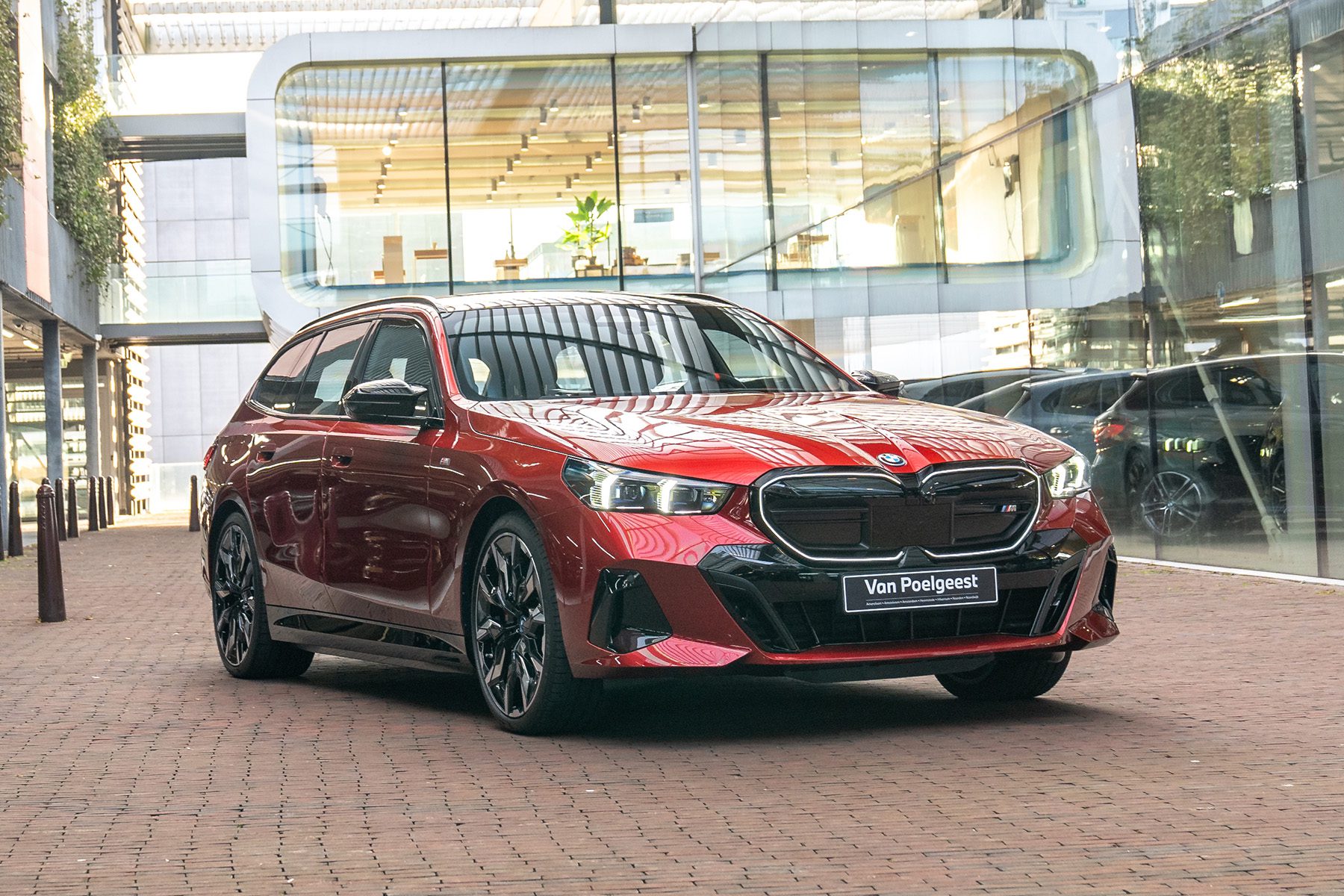
The i5 Touring isn’t trying to win a spec-sheet shoot-out. It is trying to be the one electric car in your life that you never have to think about — and on the numbers, it succeeds.
The 570-litre case for the estate
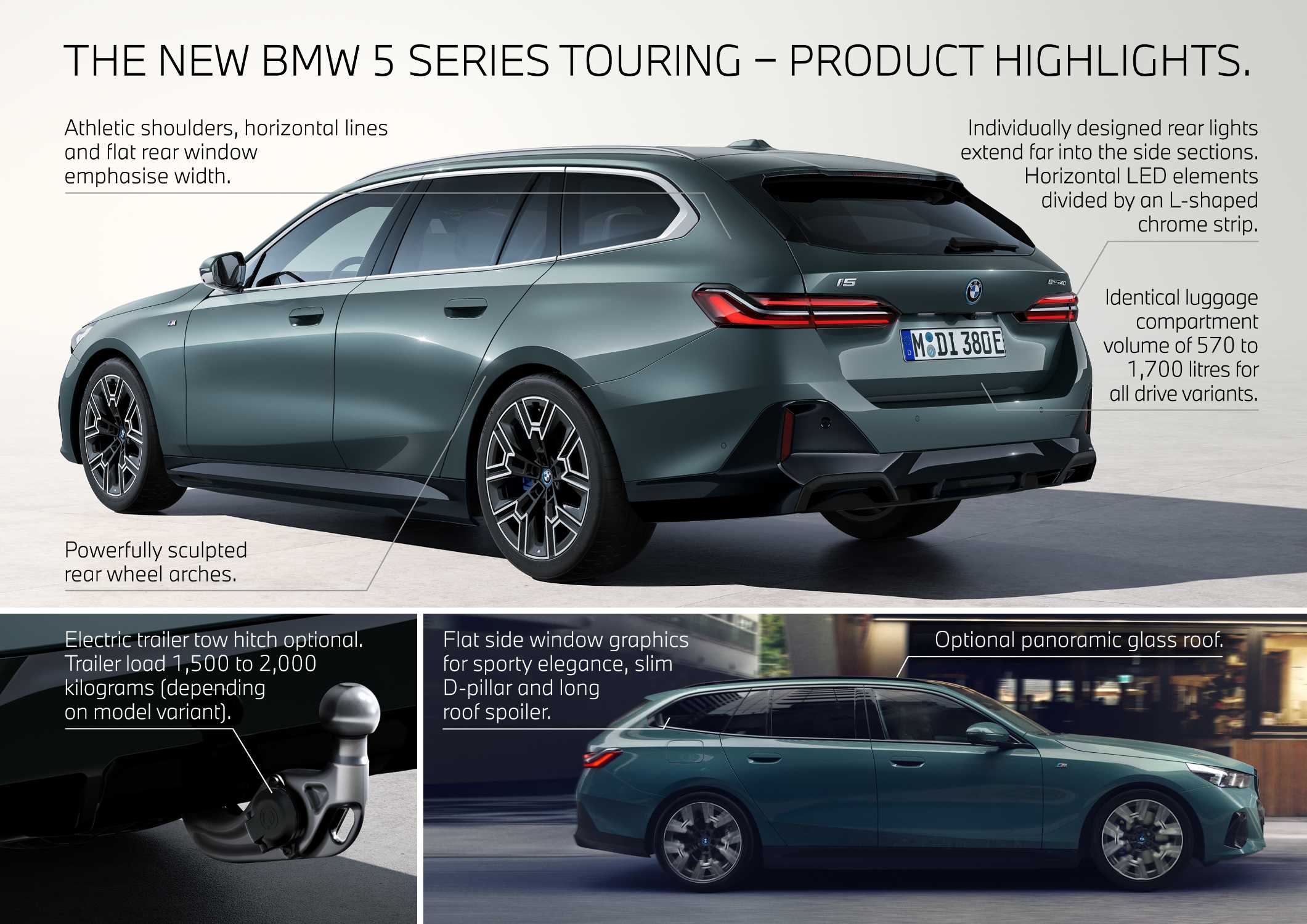
Boot space is where the Touring earns its name and its premium. You get 570 litres with the rear seats up — 80 litres more than the i5 saloon — rising to around 1,700 litres with them folded. That is a meaningful, practical jump, not a marketing rounding error. Carwow’s review frames the Touring as the practical sister to the saloon, and it is right to. A flat load lip, a long roof and a proper tailgate turn the i5 from a handsome executive saloon into something you can genuinely live with as a one-car household.
This is the bit that would tip me from saloon to estate without a second thought. The driving experience is near-identical, the range penalty is small, and the £2,250 premium buys you a fundamentally more versatile car. If you are spending £70k-plus on an electric 5 Series and you have so much as a bicycle or a labrador, the saloon makes very little sense.
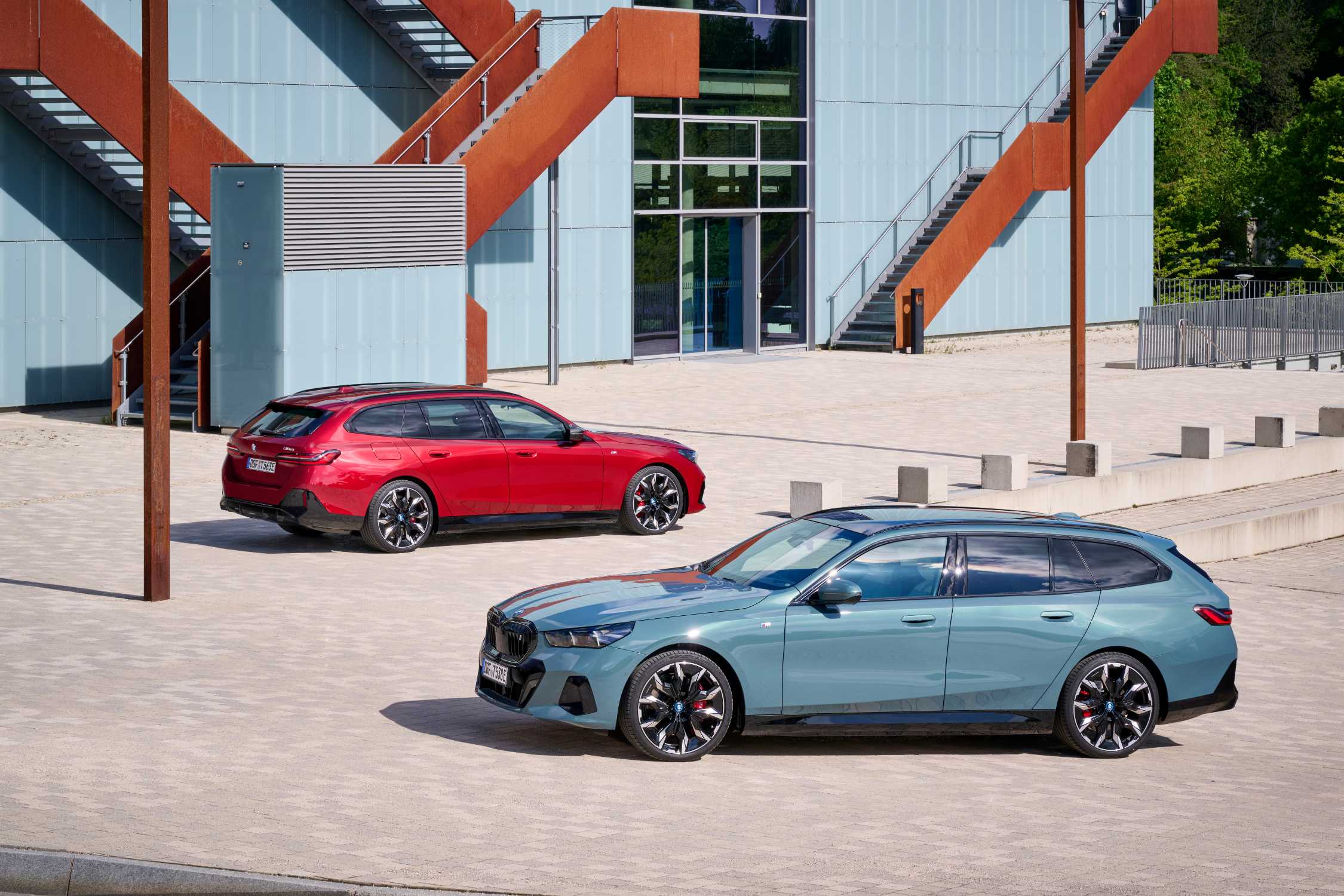
The M60 is magnificent and almost beside the point
At the top of the range sits the M60 xDrive, and it is a genuinely absurd machine. All-wheel drive, 601bhp, and a 0-62mph time of 3.8 seconds in a full-sized estate — that is supercar pace from a car you could load with flat-pack furniture. The catch is the price and the range. Auto Express notes pricing that starts from around £100,095 before options, and the official WLTP range falls to 310 miles — which in the real world means planning for rather less.
I love that it exists. I would not buy it. Spending an extra £30,000 to shave a few seconds off a sprint you will perform maybe twice a year, while accepting a real-world range hit, is the kind of decision that looks brilliant in the showroom and foolish on the third year of ownership. The M60 is the halo; the eDrive40 is the car.
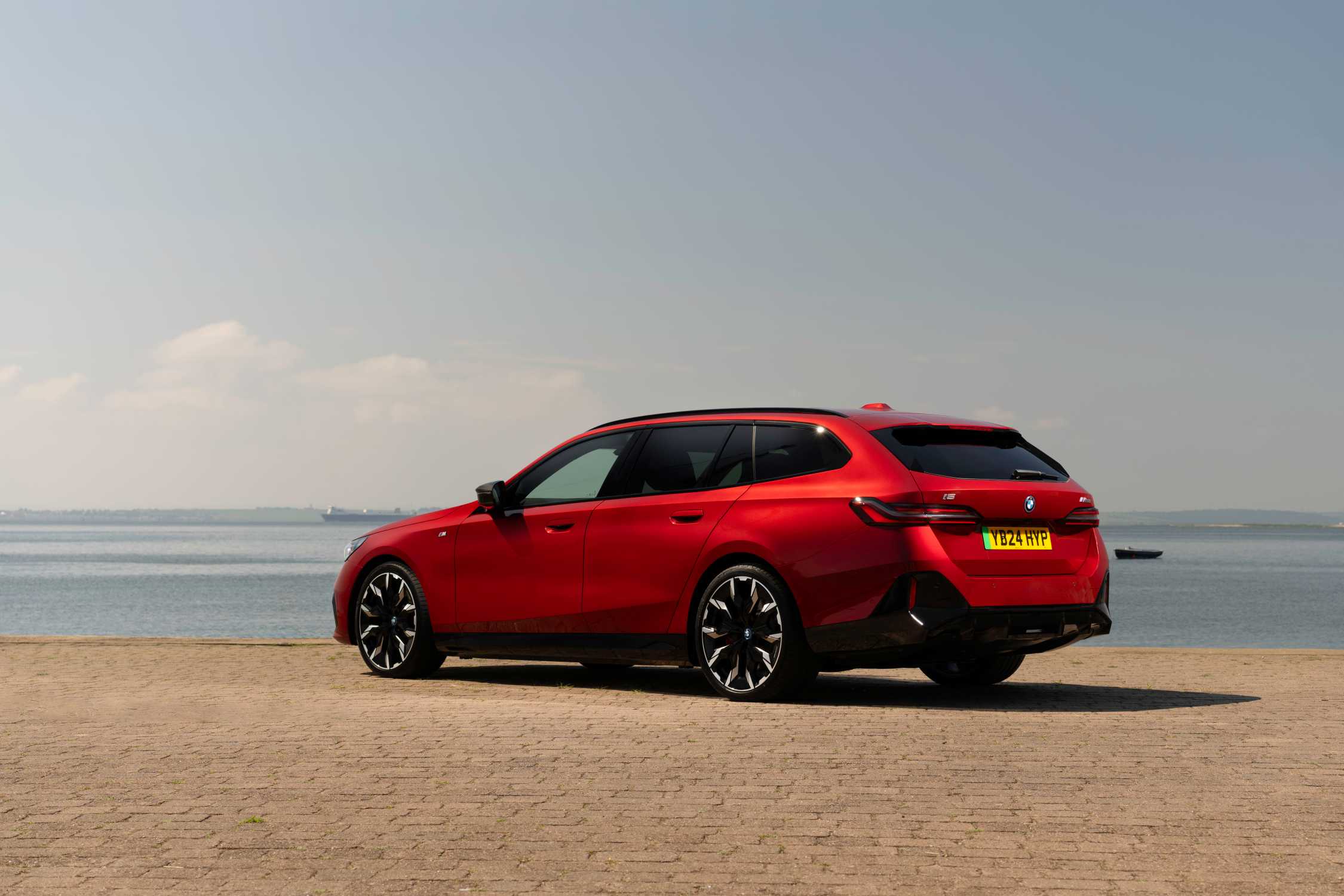
The company-car maths still works — for now
Most i5 Tourings in this country will be company cars, and the tax position remains the strongest argument for buying one. From 6 April 2026 — the start of the 2026/27 tax year — the Benefit-in-Kind rate on fully electric cars rises from 3% to 4%. That is still a fraction of what a petrol equivalent attracts, and on a £70k car the monthly difference versus a combustion executive estate is substantial. This isn’t tax advice — your exact bill depends on your salary band and the P11D value of the specific trim — but the broad picture is clear: as a salary-sacrifice or company car, the i5 Touring is taxed lightly enough that the eDrive40 can make more financial sense than a cheaper petrol estate bought privately.
That 1% annual creep is worth watching, mind. The BiK advantage that makes EVs irresistible to fleets is being gently eroded year on year, and the calculus that looks unanswerable in 2026 will be a little less generous by 2028. If the tax break is your main reason for going electric, the time to lock in a lease is sooner rather than later.
The rival that should give BMW pause
The obvious alternative is the Audi A6 Avant e-tron, and on paper it lands some punches. What Car? quotes an official range of up to 364 miles from its entry 75.8kWh Sport model — further than the i5 eDrive40 — and Audi has a deep well of Avant heritage to draw on. Where it concedes ground is the boot: 502 litres to the BMW’s 570. So the choice comes down to temperament. The Audi is the long-distance specialist; the BMW is the more practical, better-to-drive all-rounder. For most UK buyers, I think the extra boot space and BMW’s chassis edge win the argument — but it is closer than badge loyalty would have you believe, and anyone cross-shopping should drive both.
| Measure | BMW i5 Touring eDrive40 | Audi A6 Avant e-tron Sport |
|---|---|---|
| Official WLTP range | Up to 343 miles | Up to 364 miles |
| Boot space (seats up) | 570 litres | 502 litres |
| Where it wins | The all-rounder: bigger boot, sharper chassis | The distance specialist: longest range on a charge |
So, who is this actually for?
Buy the eDrive40, in M Sport trim, and stop there. It is the version that delivers everything good about this car — the range, the space, the refinement, the tax efficiency — without the M60’s six-figure price or its range compromise. If you are a company-car driver doing 12,000 mostly-motorway miles a year, this is one of the easiest recommendations I can make in the EV market right now: a real estate, with a real boot, that you can charge overnight and forget about.
Who should walk away? Anyone whose annual mileage routinely involves 250-mile legs with no charging stop, where even 300 real miles will have you range-anxious — and anyone tempted by the M60 purely because they can afford it. The thing that would change my mind on the whole car is the BiK rate: keep nudging that 4% upward and the fleet case that carries the i5 Touring starts to wobble. For 2026, though, the electric estate the UK kept asking for has finally arrived, and BMW has built it properly.
Buyer action
EV and salary-sacrifice checks
Use this as the final check before paying a deposit, signing finance paperwork or relying on a headline monthly figure.