News · 20 Jun 2026 · Michael Harrison
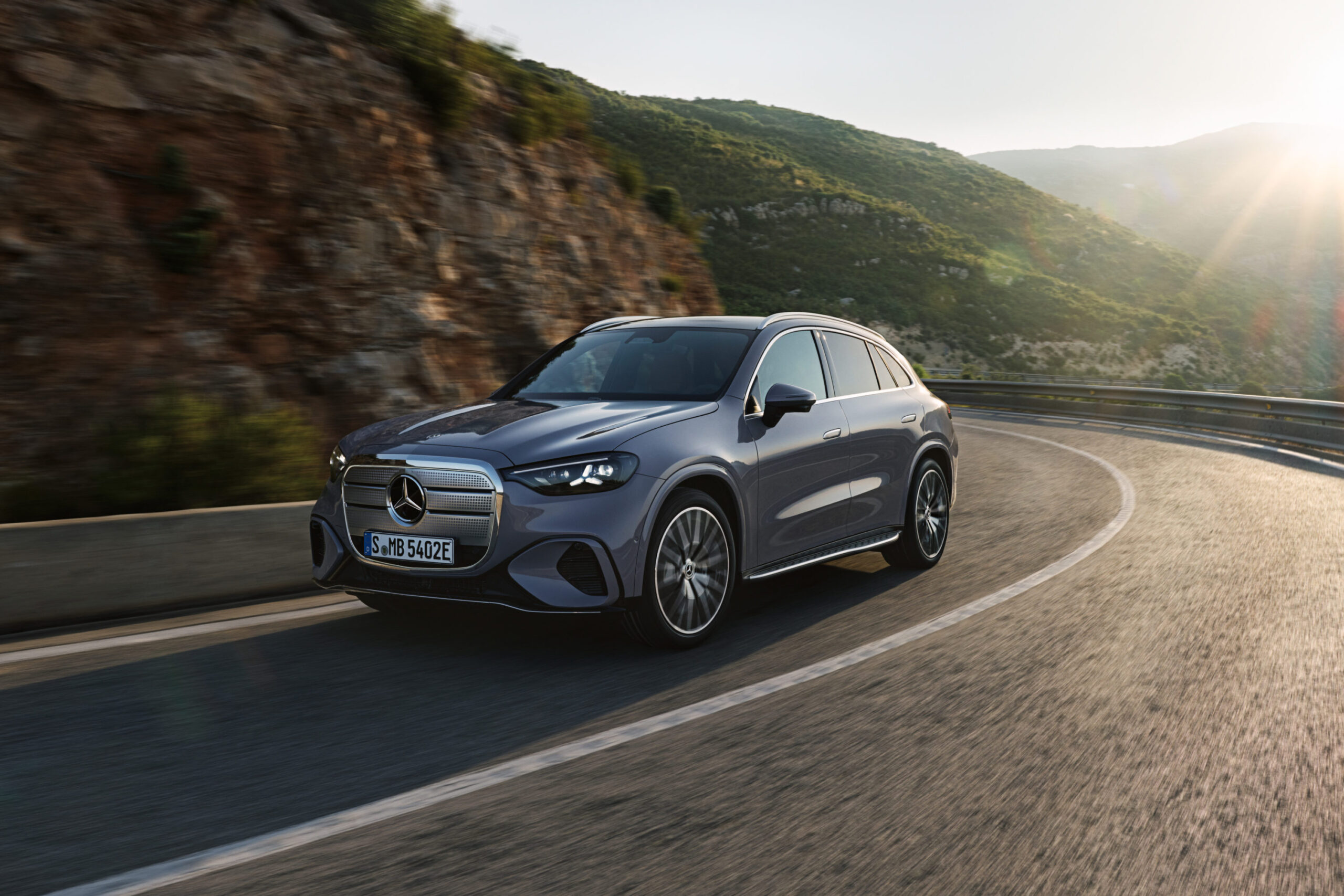
The Mercedes GLC EV has gone on sale in the UK, with order books opening alongside European pricing confirmed in late October 2025 (Mercedes-Benz) and the first British deliveries due in the middle of 2026. Prices start at £60,350 for the entry Sport trim and climb to £73,350 for the Premier Edition, which puts the electric GLC squarely against the BMW iX3 and Audi Q6 e-tron. The number that should interest any company-car driver, though, is not on the price list. It is the 4% benefit-in-kind rate that quietly turns a £60,000 Mercedes into one of the cheapest cars on the tax system this year.
Mercedes GLC EV: the key facts
- Price: from £60,350 (Sport) to £73,350 (Premier Edition), five trims (Mercedes-Benz UK).
- Launch model: GLC 400 4Matic, 482bhp, 0 to 62mph in 4.3 seconds, 94kWh battery.
- Range: up to 406 miles WLTP on the GLC 400 4Matic; Mercedes quotes as much as 443 miles for the most efficient version.
- Charging: 800-volt architecture, up to 330kW DC, a 10 to 80% top-up in roughly 22 minutes.
- Company-car tax: 4% BiK for 2026/27, about £80 a month for a higher-rate taxpayer.
What Mercedes has actually priced
The range opens with the Sport at £60,350, then steps through AMG Line at £63,350, AMG Line Premium at £68,350 and AMG Line Premium Plus at £70,850, before the launch Premier Edition tops it out at £73,350 (Mercedes-Benz UK), a five-trim ladder the RAC’s GLC Electric review confirms in full. That is a £13,000 spread, and the trim ladder follows the familiar Mercedes pattern: the cheapest car is the one most fleet managers will actually order, and the equipment you genuinely need rarely sits at the bottom rung. Online ordering and dealer ordering are both live now, with cars reaching UK driveways from the middle of 2026.
It matters that the GLC has gone electric without surrendering its identity. This is still the model that outsells almost everything else Mercedes makes, so the electric version is not a niche side project: it is the volume SUV reborn on a dedicated EV platform. For buyers weighing it against the recently updated Volvo EX90 or the seven-seat Hyundai Ioniq 9, the GLC slots in as the mid-size executive option rather than a three-row family bus.

The range and charging numbers that matter
Underneath sits a 94kWh battery and an 800-volt electrical architecture, which is the part that should reassure anyone nervous about long runs. The launch GLC 400 4Matic claims up to 406 miles on the WLTP cycle, and Mercedes quotes as much as 443 miles for the most efficient single-motor version still to come (Mercedes-Benz). Peak DC charging is up to 330kW, enough for a 10 to 80% top-up in around 22 minutes on a fast enough charger. As always, treat WLTP as the best case: load the car, run the heating in January, and the real figure drops, which is why the 800-volt system and the rapid-charge speed do more for day-to-day usability than the headline range alone.
Performance is not in doubt either. The GLC 400 4Matic puts out 482bhp and dispatches 0 to 62mph in 4.3 seconds, which is brisk enough that nobody will feel short-changed against a BMW iX3. The interior headline is a 39.1-inch dashboard display, the largest single screen Mercedes has fitted, running on the firm’s new MB.OS software. Whether you want that much glass in front of you is a matter of taste, but it is the clearest signal yet that Mercedes is treating the electric GLC as a technology flagship, not a quiet conversion of the petrol car.
The company-car case: why 4% BiK changes the maths
Here is where the electric GLC earns its keep. A fully electric company car is taxed at a 4% appropriate percentage for 2026/27, set out in HMRC’s company-car tax guidance and protected on a slow climb to 9% by 2029/30 (gov.uk). Take the £60,350 Sport, with a P11D value a shade under its list price. At 4%, the taxable benefit is roughly £2,414. A higher-rate taxpayer hands over 40% of that, about £966 a year or £80 a month. A basic-rate employee pays half as much, around £40 a month. For a £60,000 Mercedes SUV, those are not numbers most people expect to see.

At 4% benefit-in-kind, a higher-rate taxpayer pays roughly £80 a month in company-car tax on a £60,000 Mercedes. The nearest petrol SUV would cost close to £740.
The contrast with a petrol equivalent is brutal. A £60,000 petrol SUV emitting enough CO2 to sit near the 37% cap generates a taxable benefit of around £22,200, on which a higher-rate driver pays about £8,880 a year, close to £740 a month. The electric GLC undercuts that by roughly nine to one. This is the same logic that makes the larger Mercedes EQE on a salary-sacrifice scheme and the BMW i5 so compelling, and it is set out in full in our breakdown of the new 2026/27 BiK bands. The one figure to keep an eye on is what you pay once the car is yours to run privately, covered in our guide to what EV drivers now pay in VED.
Where it sits against the rivals
The electric GLC arrives into the busiest corner of the premium market. The BMW iX3, reborn on BMW’s Neue Klasse platform, is the obvious direct rival and promises its own leap in range and charging. The Audi Q6 e-tron covers the same money, and Tesla’s Model Y and the Polestar 3 lurk a rung below on price. Mercedes is not trying to undercut any of them; the GLC’s pitch is badge, cabin quality and that 800-volt charging speed rather than a price war. On running costs the picture is more even than the showroom suggests, and anyone cross-shopping should weigh why EV insurance costs still run higher than the petrol cars they replace, because on a £60,000-plus SUV that premium is not trivial.

Where I land for a company-car driver
If a company-car decision is sitting in front of you this year and you can charge, the electric GLC is an easy car to recommend on the maths alone: £80 a month in tax for a higher-rate driver against £740 for the petrol equivalent is not a close call. I would order the Sport or AMG Line rather than reach for the Premier Edition, because the tax advantage does the heavy lifting and the extra trims mostly add P11D value you then pay 4% on every year. The honest caveats are the ones that apply to every premium EV: the real-world range will trail the 406-mile claim, the insurance will sting on a car this expensive, and the 39.1-inch screen will divide opinion. None of that changes the conclusion. As a private cash purchase the GLC is a £60,000 luxury SUV competing hard against a deep bench of rivals; as a company car at 4%, it is close to the bargain of the year. This is general guidance rather than a personal tax recommendation, so run your own P11D and tax band before you sign.
Buyer action
Where to check next
Use this as the final check before paying a deposit, signing finance paperwork or relying on a headline monthly figure.