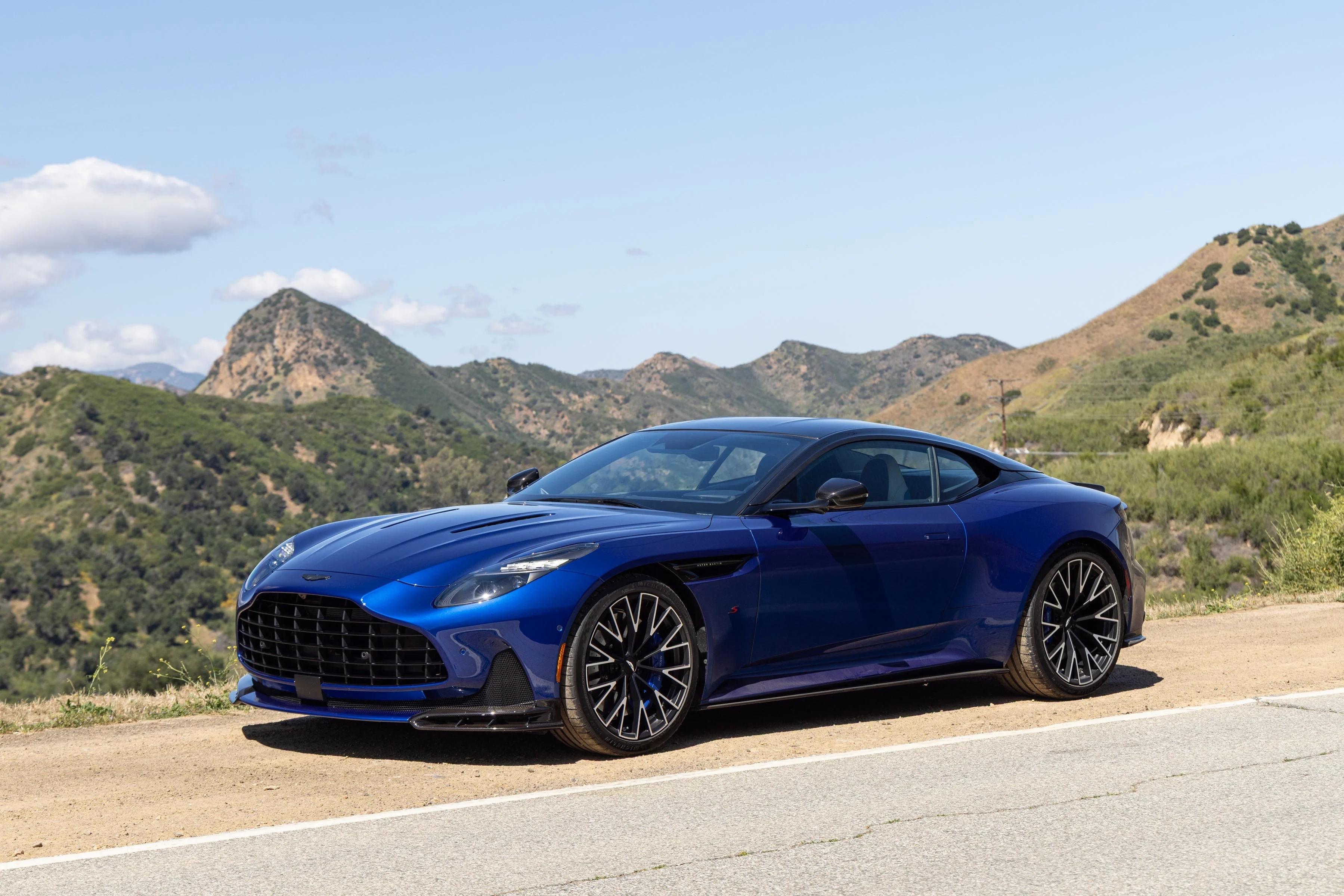
Buy a £120,000 Aston Martin on finance, write it off six months later, and the gap between what your motor insurer pays and what you still owe could run to tens of thousands of pounds. Yet as I write in mid-2026, the most familiar GAP policies on the market still cap their payout at £50,000 — a figure that, as Autocar reported in 2024, sits a world away from the shortfalls premium and electric cars now generate. That mismatch is the whole story here, and it is the bit that would stop me signing anything off-the-shelf.
I want to be precise about what GAP insurance is for, because at this price point the wrong product is almost worse than none at all. GAP — guaranteed asset protection — covers the difference between the market-value payout a motor insurer hands you after a total loss (a write-off or theft) and a second, higher figure. Santander Consumer’s GAP brochure and Autotrader’s guide both set out the two versions that matter: Return to Invoice GAP, which tops you up to the original purchase price, and Finance GAP, which clears whatever is left on your agreement. They sound similar. On a six-figure car they behave very differently.
The £50,000 problem you only notice when you read the small print (GAP insurance)
Here is the trap. Santander’s widely sold GAP policy carries a £50,000 claims limit. On a £30,000 family hatchback that ceiling is academic — you will never get near it. On a £120,000 Aston Martin DB12 or Vantage, it is the single most important number in the document, and it is nowhere near enough.
Run the arithmetic. Say the car is comprehensively insured and, eighteen months in, it is stolen and never recovered. Your motor insurer settles at the current market value — call it £85,000 after depreciation. Return to Invoice GAP is meant to restore the £120,000 you paid. The shortfall is £35,000, and a £50,000-limit policy covers it comfortably. But push the loss earlier, or the depreciation steeper, and the shortfall climbs toward and past that cap. The point is that a generic £50k ceiling was never built for this tier, and the brochure does not pretend otherwise. The figures I can verify do not extend to £120,000 cars, which tells you something in itself: this is bespoke territory.

So the honest answer to “does an Aston need GAP?” is: yes, very probably — but almost certainly not the same GAP a dealer would clip onto a Golf. You are looking for a high-limit policy underwritten for the value of the asset, the sort you arrange directly with a specialist underwriter such as Fortegra rather than tick on a finance form.
Why a six-figure car is the textbook case, not the exception
People assume GAP is a budget-car worry. It is the opposite. Both Autotrader and Autocar make the same point: GAP earns its keep on new or nearly-new cars bought on finance, because that is where depreciation bites hardest and fastest in absolute pounds. A car that loses a given percentage of its value loses far more cash when that value starts at £120,000.
The claims data backs this up emphatically. Autocar, citing figures from GAP provider MotorEasy, reports the average payout has risen from £1,587 in 2021 to £5,559 in 2024, with electric-car claims able to exceed £20,000 — and it is worth remembering that the firm quoting those numbers also sells the cover. Those are mainstream and EV figures — there is no published Aston-specific number, and I won’t invent one — but the trajectory is unmistakable. Shortfalls are growing because values are volatile and depreciation is unforgiving. Layer a PCP or hire-purchase balance on top, where you can owe more than the car is worth in the early months, and the case for protecting the finance side is at its strongest precisely on the most expensive cars.

This is also where the choice between Return to Invoice and Finance GAP becomes a real decision rather than jargon. If you have paid a large deposit and want your capital back, Return to Invoice protects the £120,000 you put in. If you are leveraged and your worry is being left owing money on a car you no longer have, Finance GAP — which clears the outstanding balance — is the one that lets you sleep. On a car like this I would map the policy to my actual exposure, not to whichever box the salesperson finds easiest to tick.
If a product’s claims limit is lower than your potential shortfall, you have bought reassurance, not cover.
The FCA reset, and what it changed for buyers like you
There is a regulatory backdrop here that works in your favour, and it is worth understanding before you buy. After the Financial Conduct Authority’s scrutiny of the GAP market, commissions were reined in during 2024 — the regulator found that an alarmingly small share of the premium was being paid out in claims, and dealer mark-ups were a large part of why — and those reforms still set the terms of the market as I write in 2026. The FCA’s ICOBS add-on rules also build in a deferral period of at least four days between quote and sale, so an add-on cannot be rushed through at the moment you are signing for the car.
Use that pause. It exists for exactly this situation — the high-emotion, high-value purchase where a dealer add-on is most profitable and least scrutinised. The deferral gives you time to put a forecourt quote next to a specialist one and read both sets of terms. The MB&G insurance product information document is a good model of what clear disclosure looks like: it spells out the claims limit, the cover type and the exclusions on a single page. If the policy you are offered on the Aston cannot be reduced to that kind of clarity — what is the maximum it will pay, and on what basis — wait until it can. None of these figures is financial advice; treat them as the starting point for a conversation with an underwriter, framed against the current tax year and the FCA terms in force when you buy.
What I’d actually do before I signed
If I were collecting a £120,000 Aston, I would not drive off without GAP cover — but I would refuse the standard £50,000-limit product, because on this car that ceiling is a hole, not a safety net. I would arrange a high-limit Return to Invoice or Finance policy directly with a specialist underwriter, sized to the full purchase price or the outstanding finance balance, whichever leaves me worse off in a write-off. I would use the FCA’s four-day deferral to compare the dealer’s offer against an independent quote, and I would read the claims limit before I read anything else. The buyer who should think hardest about this is the one financing most of the car; the buyer who genuinely needn’t bother is the rare cash purchaser who could absorb a five-figure loss without flinching. For everyone in between, the maths is plain — and what would change my mind is exactly one thing: a policy whose payout limit is comfortably bigger than the shortfall it is meant to cover.
Buyer action
Where to check next
Use this as the final check before paying a deposit, signing finance paperwork or relying on a headline monthly figure.