News · 17 Jun 2026 · Michael Harrison
The ZEV mandate 2026 is the single rule reshaping which electric cars land cheaply on UK company-car schemes this year, and most of the coverage I have read writes it for the motor trade rather than for the person actually choosing a car. The Government’s revised mandate, confirmed in its consultation response on 7 April 2025, holds the 2026 target at 33% of new car sales and, just as importantly, cuts the fine a manufacturer pays for missing it. For a company-car driver the practical takeaway is the opposite of the scary headlines: it makes electric cars cheaper to order, it leaves your tax bill alone, and it still lets you pick a hybrid if you are not ready to go fully electric.
What the revised ZEV mandate actually requires in 2026
The zero-emission vehicle mandate sets the share of each manufacturer’s new sales that must be fully electric, rising every year on the way to 100% by 2035. The Government’s consultation response of 7 April 2025 kept the headline car target at 33% for 2026 and the long climb toward 80% by 2030. The figure that gets quoted as if it forces buyers electric does nothing of the sort: it is a target for the manufacturer’s sales mix, not a rule about what you are allowed to drive. You can still walk into a showroom and order a petrol car in 2026. What the mandate changes is the incentive every brand now has to shift you toward the electric one in their range.
Why the fine cut matters more to your monthly than the target
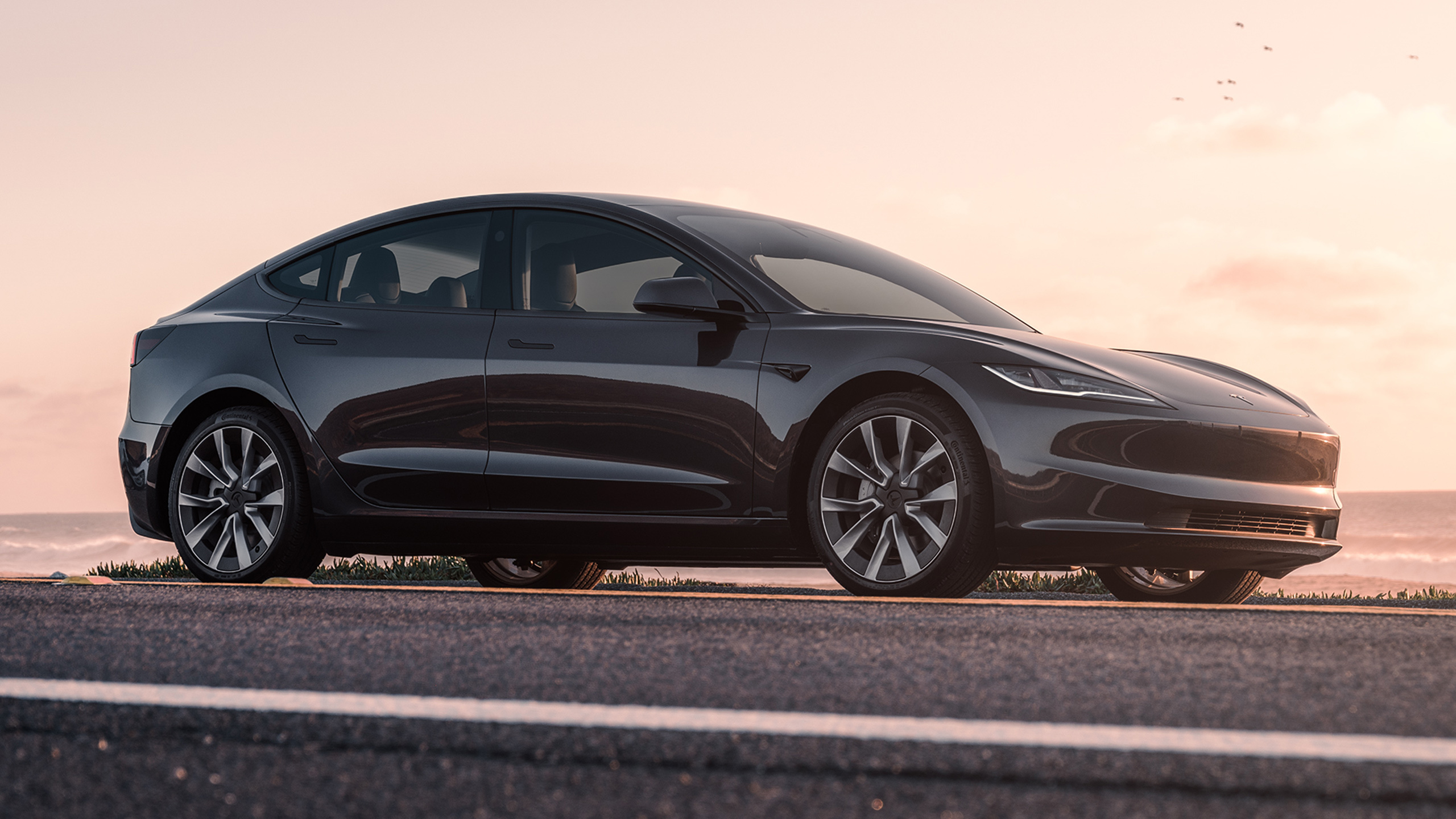
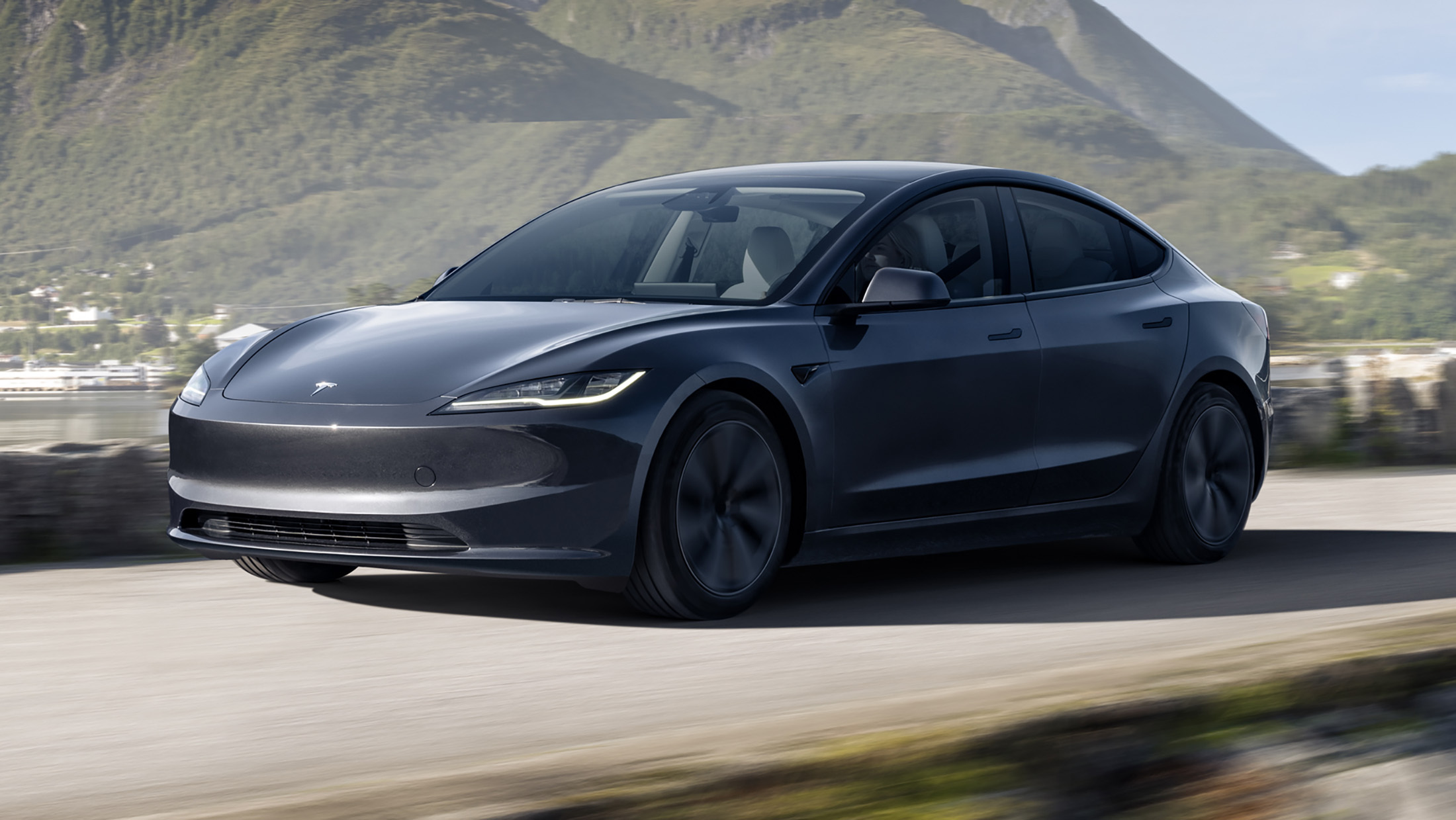
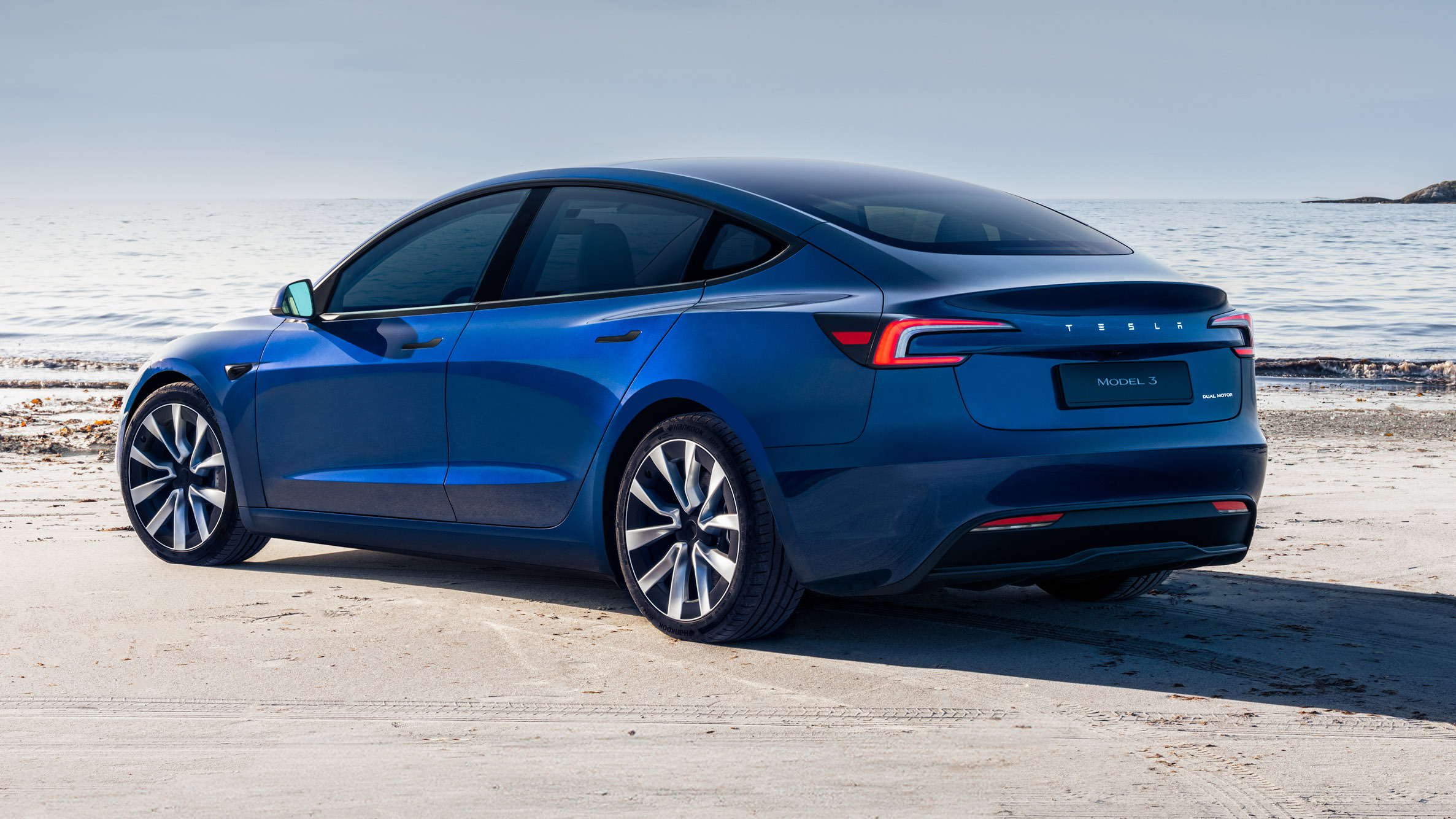
The detail that genuinely reaches your payslip is the penalty. Under the revised mandate the fine for missing the car target was cut from £15,000 to £12,000 per non-compliant car, and the van figure from £18,000 to £15,000, with manufacturers also allowed to cover up to 90% of their 2025 obligation through CO2 credits and borrowing. That sounds like a trade story, but it feeds straight into list prices. A softer penalty plus credit flexibility means brands are not as desperate to dump electric stock at a loss, yet the 33% target still pushes them to discount BEVs hard to keep the mix on track. That tension is exactly what fuelled the EV discount war that swept UK forecourts in 2026, and on a salary-sacrifice scheme those discounts feed through to a lower lease rate and a lower monthly. If you are weighing a Tesla Model 3 on salary sacrifice against a petrol equivalent, the mandate is quietly on your side of the table.

The mandate does not touch your benefit-in-kind
This is where I see the most confusion. People assume that because the mandate is being argued over, the tax case for an electric company car must be wobbling too. It is not. Your benefit-in-kind is set by HMRC, not by the ZEV mandate, and the two are completely separate instruments. Per HMRC’s Employment Income Manual (EIM24705), the appropriate percentage for a zero-emission car is 4% for the 2026/27 tax year that began on 6 April 2026, rising to 5% in 2027/28, 7% in 2028/29 and 9% in 2029/30. On a £45,000 electric saloon, 4% gives a taxable benefit of £1,800, so a 40% taxpayer pays £720 in company-car tax for the year, around £60 a month. That figure is an illustration rather than a personal quote, and not a finance or tax offer: your own number moves with the car’s P11D list price and your tax band, and salary sacrifice is subject to your employer’s scheme rules, so confirm your position with HMRC or your scheme before you bank it. Nothing in the mandate review changes that schedule. The same maths is why a BMW i5 on a salary-sacrifice scheme or a Polestar 4 for a higher-rate taxpayer still lands so far below the petrol equivalent.
Hybrids are still on the table to 2035, and that is deliberate
The other myth worth killing is that the 2030 line was scrapped. It was not. The end date for new pure petrol and diesel cars still stands at 2030; what the revised mandate added was a window letting full hybrids and plug-in hybrids stay on sale from 2030 right through to 2035. For a driver who covers long rural miles, tows, or simply cannot charge at home yet, that is a genuine reprieve rather than a loophole. It means you are not cornered into a full EV in 2026 if it does not suit your life. The trade-off is the tax: a plug-in hybrid carries a much higher benefit-in-kind than the flat 4% on an electric car, and that gap is set to widen further later this decade, so a PHEV bought as a company car is a comfort choice that you pay for monthly. If your mileage genuinely fits electric, the VW ID.7 BiK maths shows how stark the saving has become.
So is the electric company car still the smart order?
For most company-car drivers in 2026, yes, and the mandate noise does not change that. The discounting it encourages lowers your lease rate, the 4% benefit-in-kind keeps your tax trivial next to a petrol car at 25% or more, and the hybrid window means there is an honest fallback if your circumstances do not fit. The one group I would tell to pause are drivers without reliable home or workplace charging, because the running-cost case that makes an EV cheap leans heavily on an overnight tariff, and a Tesla Model Y as a company car bought without that is a weaker proposition than the brochure suggests.
What I would tell a company-car driver this week
Order the electric car if you can charge it, and do not let the ZEV mandate headlines spook you into waiting. The mandate is a manufacturer sales target, not a tax on you, and the version confirmed in 2025 actually tilts the showroom maths your way: softer fines and a hard 33% target together mean brands keep discounting BEVs to manage their mix, and those discounts reach your salary-sacrifice monthly. Your benefit-in-kind is fixed at 4% for this tax year by HMRC and rises only gently, so the tax case is locked in regardless of how the political argument over the mandate plays out. If you cannot charge at home or work, take the hybrid that is now protected to 2035 and accept the higher tax as the price of convenience. Either way, the decision sitting in front of you is a personal one about charging access, not a bet on Westminster.
Buyer action
Where to check next
Use this as the final check before paying a deposit, signing finance paperwork or relying on a headline monthly figure.