UPDATED · News · 15 Jun 2026 · Michael Harrison
The new car figures for May 2026 landed on 4 June, and one line jumped out at me as a used-car story, not a new-car one: battery-electric cars took a record 27.3 per cent of the market, their highest monthly share of the year. Every one of those electrified registrations is a future used car, and the wave of three-year-old EVs already coming off lease is the reason the best value in the showroom right now is sitting on the nearly-new pitch, not the new-car order book. Here is what the data says and what it means if you are buying this summer.
What the May 2026 registration data shows
The headline from the SMMT registration data is a market up 7.1 per cent year on year to 160,662 cars, the strongest May since 2019. Within that, fully electric registrations rose 34.2 per cent to take 27.3 per cent of the market. The same body confirmed in May that the UK has now passed its two millionth electric car. That is a lot of metal that will reach the used market over the next three years.
Why a record new-EV month is a used-buyer’s signal
New registrations and used bargains run on a delay. The fleet and salary-sacrifice cars being registered now typically return to the market in two to four years, and the surge of EVs registered through 2022 and 2023 is, to my eye, exactly what now softens used-EV prices. More supply with steady demand pushes prices down, which is good news if you are the second owner and bad news if you bought new and are watching the residual. I would not read a record new-car month as a reason to buy new; I would read it as confirmation the used pipeline is full.
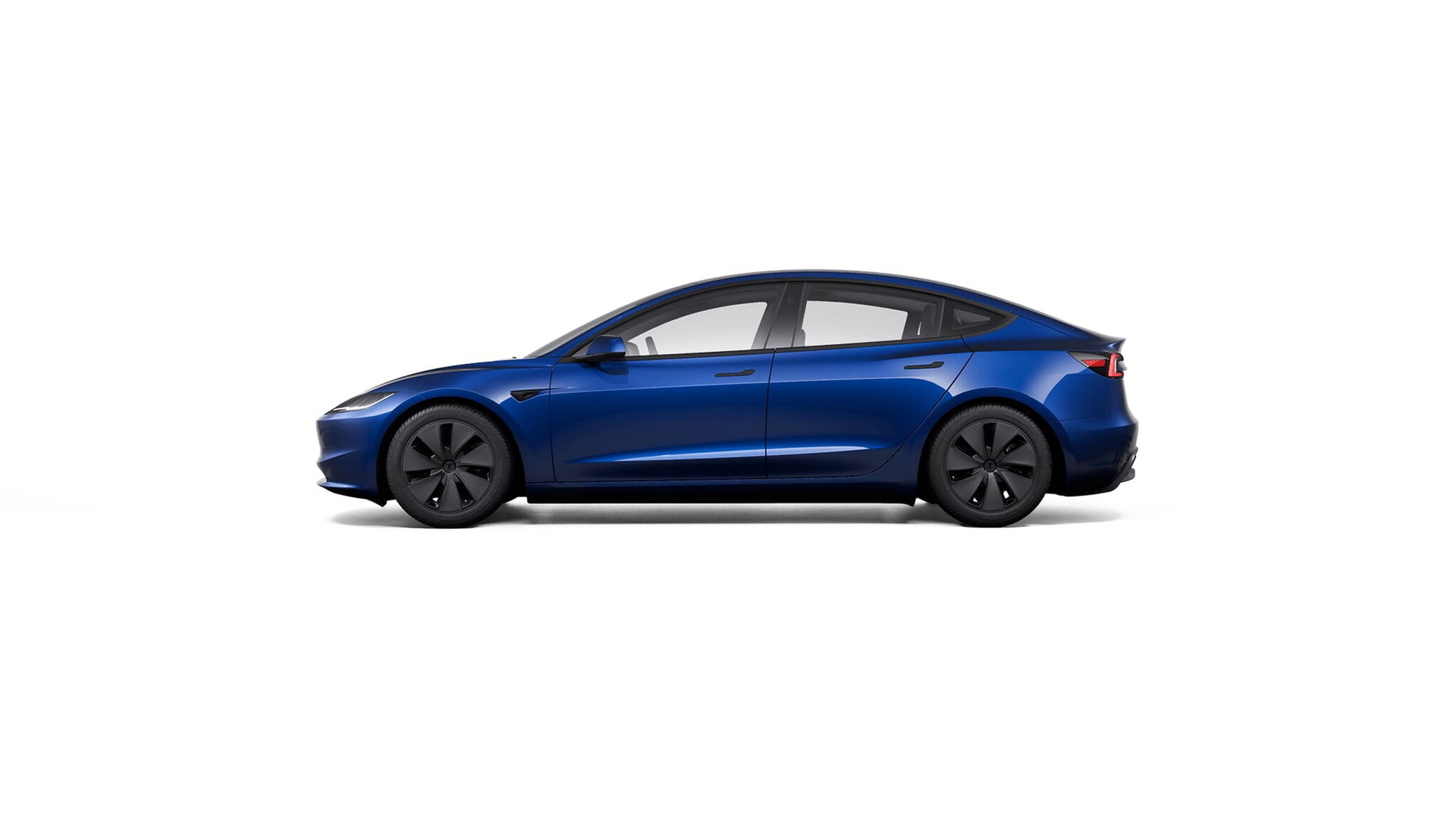
The checks that matter on a three-year-old EV
- Battery health, not just mileage. Ask for a state-of-health readout and check whether the manufacturer’s battery warranty (commonly eight years) transfers to you.
- Recall status. Run the registration through the government’s vehicle recall checker before you commit, because high-volume EVs have had software and charging recalls.
- Service and MOT history. The MOT history service shows advisories that hint at how the car was treated.
- Charging kit. Confirm the right cables are included; a missing rapid cable is a real cost to replace.
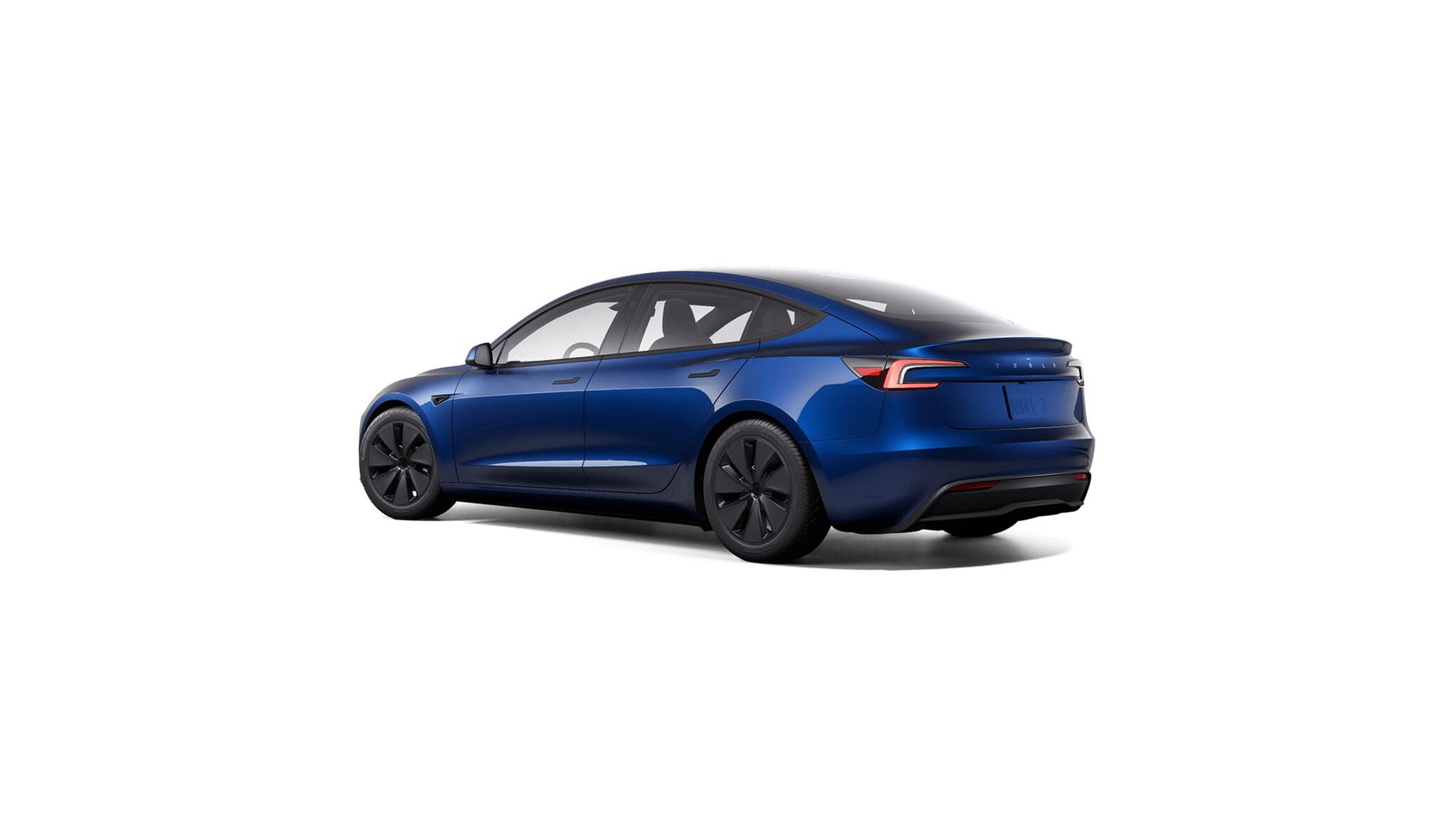
The buyer this market suits right now
If you have off-street parking and a typical commute, a three-year-old electric car bought this summer is, to my mind, the strongest value play on the forecourt, precisely because months like May 2026 keep refilling the supply. The buyer who should wait is anyone without home charging or with a long motorway pattern, where the maths is tighter. Either way, the lesson I take from a record BEV month is not “go and order new”, it is “let someone else take the first three years of depreciation, then buy their car”.
Buyer action
Where to check next
Use this as the final check before paying a deposit, signing finance paperwork or relying on a headline monthly figure.