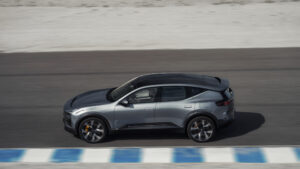
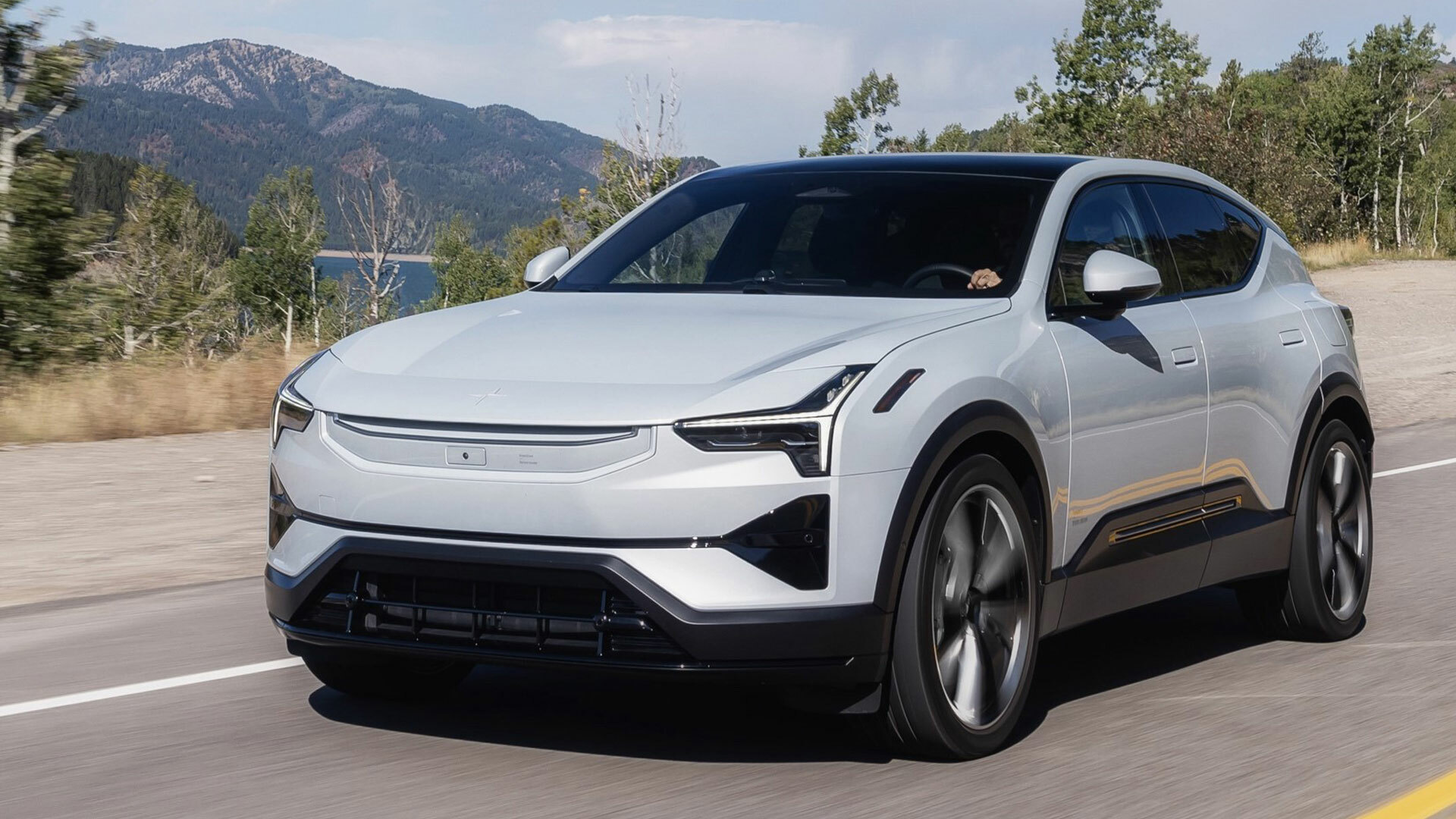
Polestar 3 insurance comes as a genuine shock to new owners, because every version of this electric SUV sits in insurance group 50, the very top of the UK scale, regardless of trim or motor. That is not a quirk of one quote engine; it is where the whole range is rated, and it puts the Polestar 3 alongside cars like the BMW iX. The good news is that group 50 is not a fixed price, it is a starting point, and there are concrete levers that move a real quote. Here is why the rating is so high and what actually brings it down.
What the insurance data actually says
CDE checked UK insurance-group listings and 2026 market indices on 13 June 2026. We have used published UK averages and attributed owner reports rather than inventing a premium figure, because real quotes vary enormously by driver and postcode.
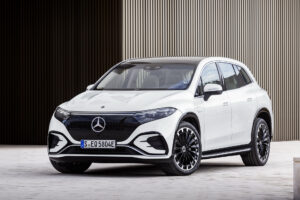
- The rating: all Polestar 3 variants are placed in insurance group 50, the highest band, the same as the BMW iX and Mercedes EQE SUV.
- The market: the MoneySuperMarket 2026 index put the average EV comprehensive premium at £556, against £490 for petrol; the Confused.com Q1 2026 average across all cars was £711, down 9 percent year on year.
- The owner signal: on Polestar owner forums, some UK drivers report quotes that more than doubled against their expectations.
Why Polestar 3 insurance sits in group 50
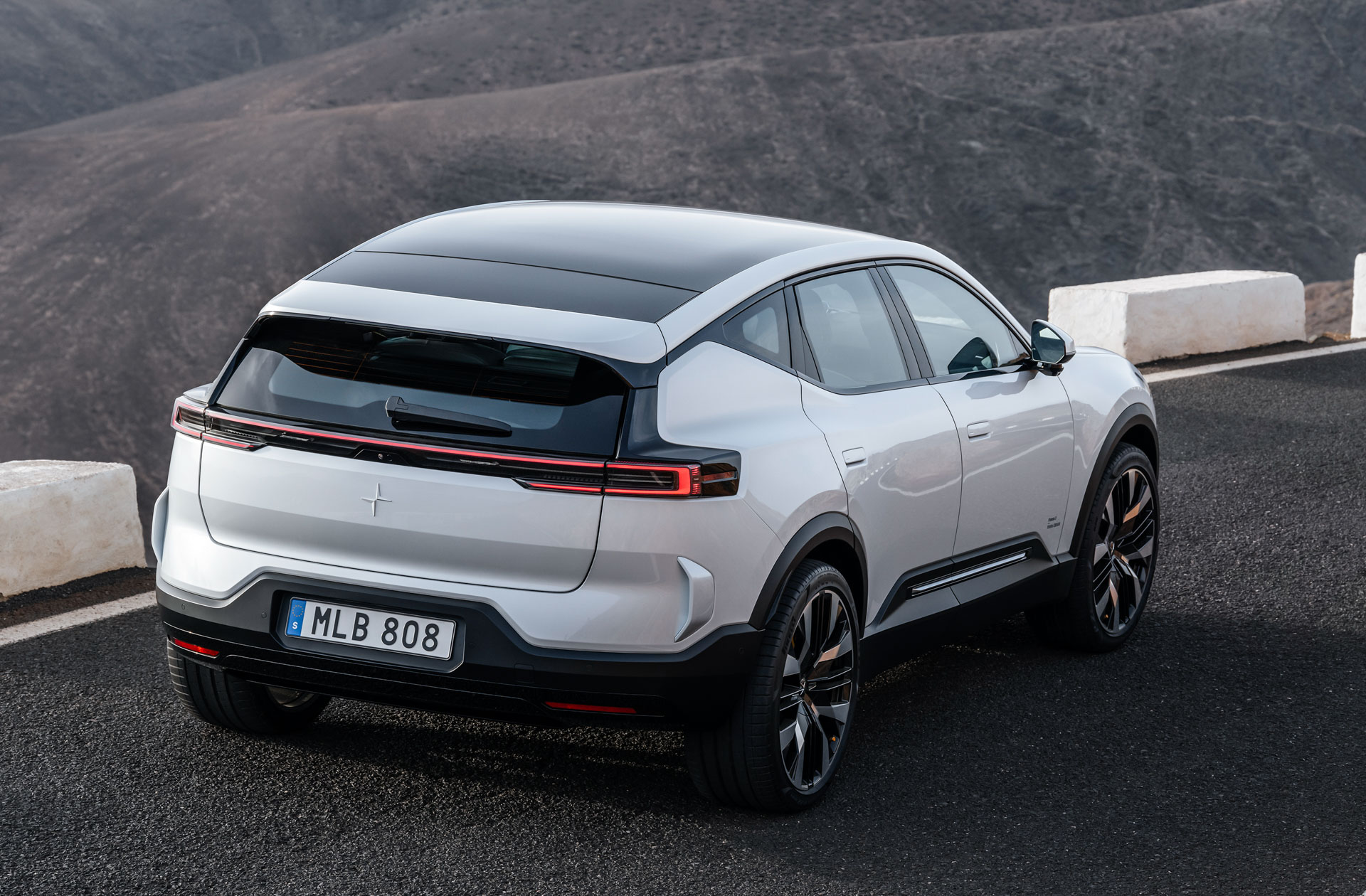
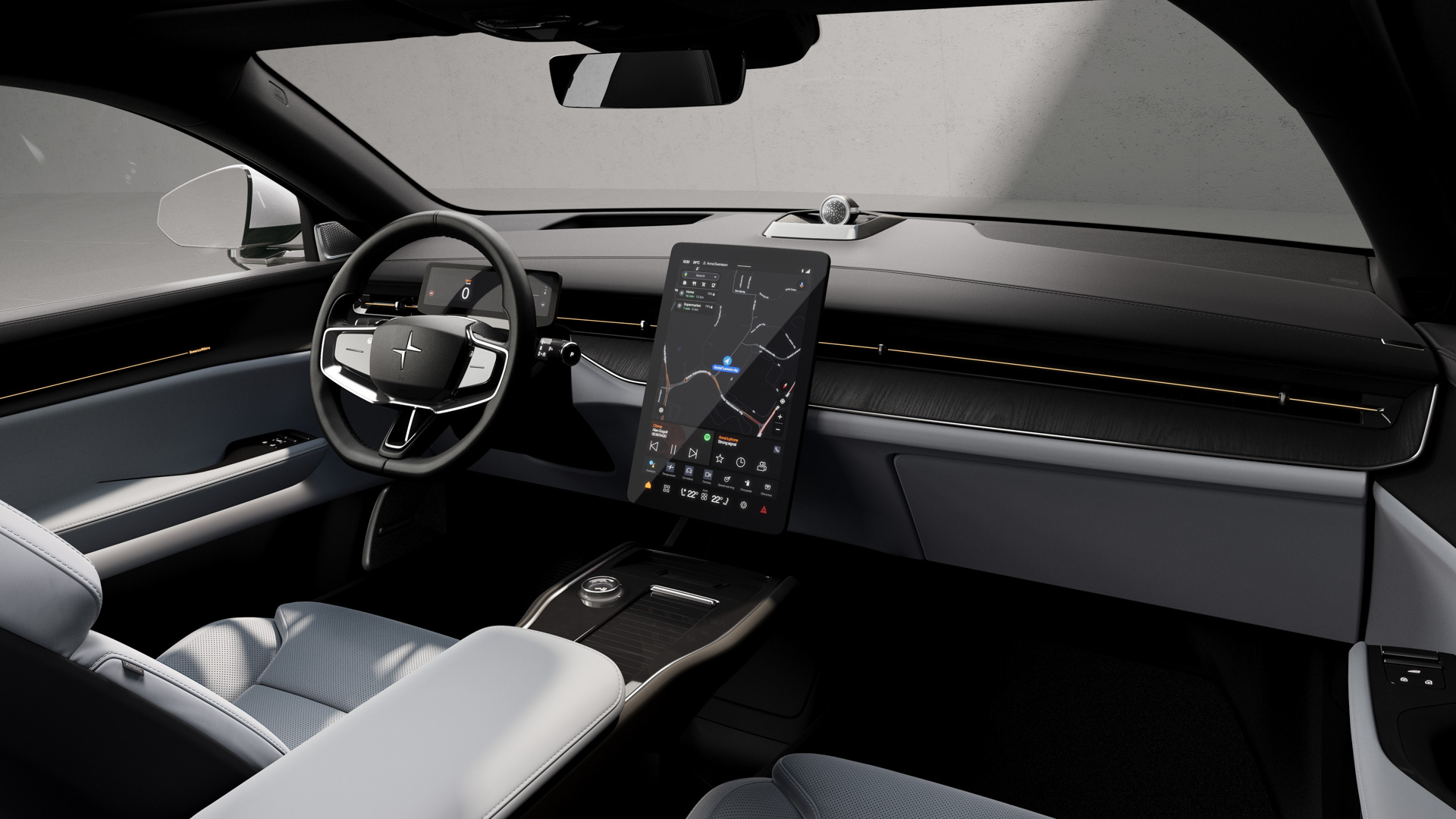
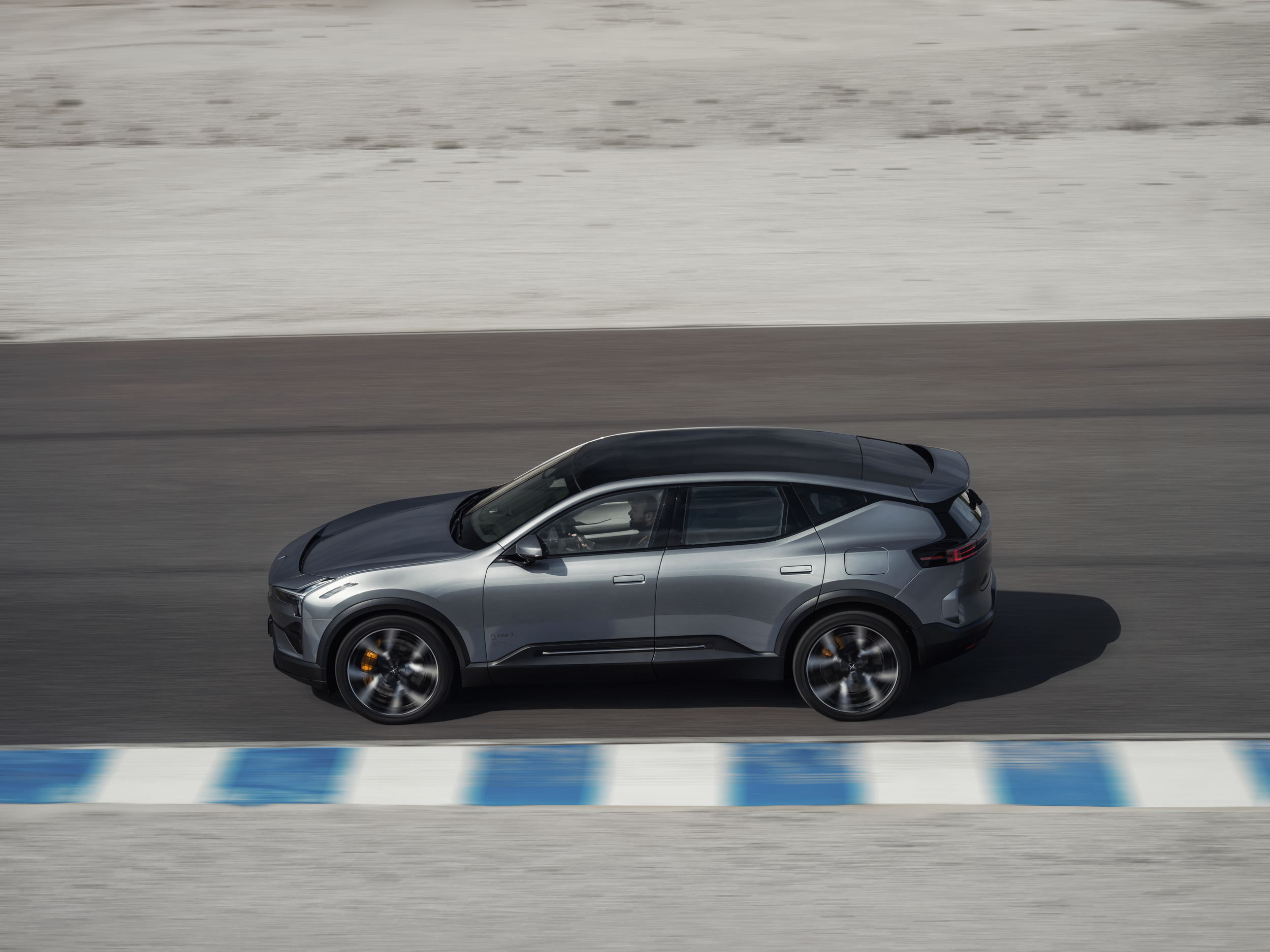
Insurance groups are set largely by what a car costs to repair and replace, and the Polestar 3 ticks every expensive box. It is a heavy, powerful electric SUV with a high list price, a large battery, aluminium-intensive construction, and a suite of sensors and cameras built into bumpers and screens that are costly to recalibrate after even a minor knock. Add specialist EV labour and parts that are not yet commoditised, and the repair bill an insurer must plan for is high. That is why the rating holds across the range: even the entry Rear Motor car carries the same fundamental repair-cost profile as the Performance version.
This is an EV-wide story, not a Polestar failing. The same logic puts the Porsche Macan EV in a high insurance group, and earlier ABI and Thatcham work has long indicated that EV repairs can cost more and take longer than petrol equivalents, figures often cited at around 25 percent more expensive and 14 percent longer. Treat those as the older industry data they are rather than a live 2026 statistic, but the direction of travel is clear and it is what insurers price in. There is also a theft dimension: high-value EVs are attractive targets, and keyless entry systems have been a weak point across the premium market, which pushes a desirable car like this further up the rating. None of it is a reflection on how the Polestar 3 drives; it is purely about what the car costs an insurer when something goes wrong.
What group 50 means for your premium
Group 50 does not translate to a single number, which is the first thing to understand before a quote frightens you off. It means the car starts at the top of the rating scale, and your actual premium then flexes hugely with age, postcode, mileage, claims history and how you store the car. For context, the 2026 MoneySuperMarket index put the average EV premium at £556 and Confused.com’s Q1 2026 all-car average at £711, down 9 percent year on year, so the wider market is actually softening even as group-50 cars stay dear. A group-50 EV will sit well above those averages, but the gap between a good quote and a bad one on the same car can be enormous.
That is why owner reports of quotes that “more than doubled”, which circulate on the Polestar owner forums, are best read as a warning to shop hard rather than a fixed price you will pay. The same renewal pressure hit owners across the EV market, as we set out in why EV insurance renewals rose even as prices fell.
How to bring a Polestar 3 insurance quote down
There are real levers here, and on a group-50 car they matter more than on a cheap hatchback. Set your annual mileage honestly but tightly; over-stating it inflates the premium. Park off-street or in a garage if you can, because secure overnight storage is one of the biggest discounts insurers offer on a high-value target. Fit and declare a Thatcham-approved tracker, which can be close to mandatory for the best rates on premium EVs, as we explain in our guide to Thatcham S5 trackers and keyless theft. Consider a higher voluntary excess if you can absorb it, weighing it against the compulsory excess as we cover in our excess explainer. And use an independent comparison and a broker who knows EVs; the Which? car insurance guide is a sensible starting point.
Is the insurance bill a deal-breaker?
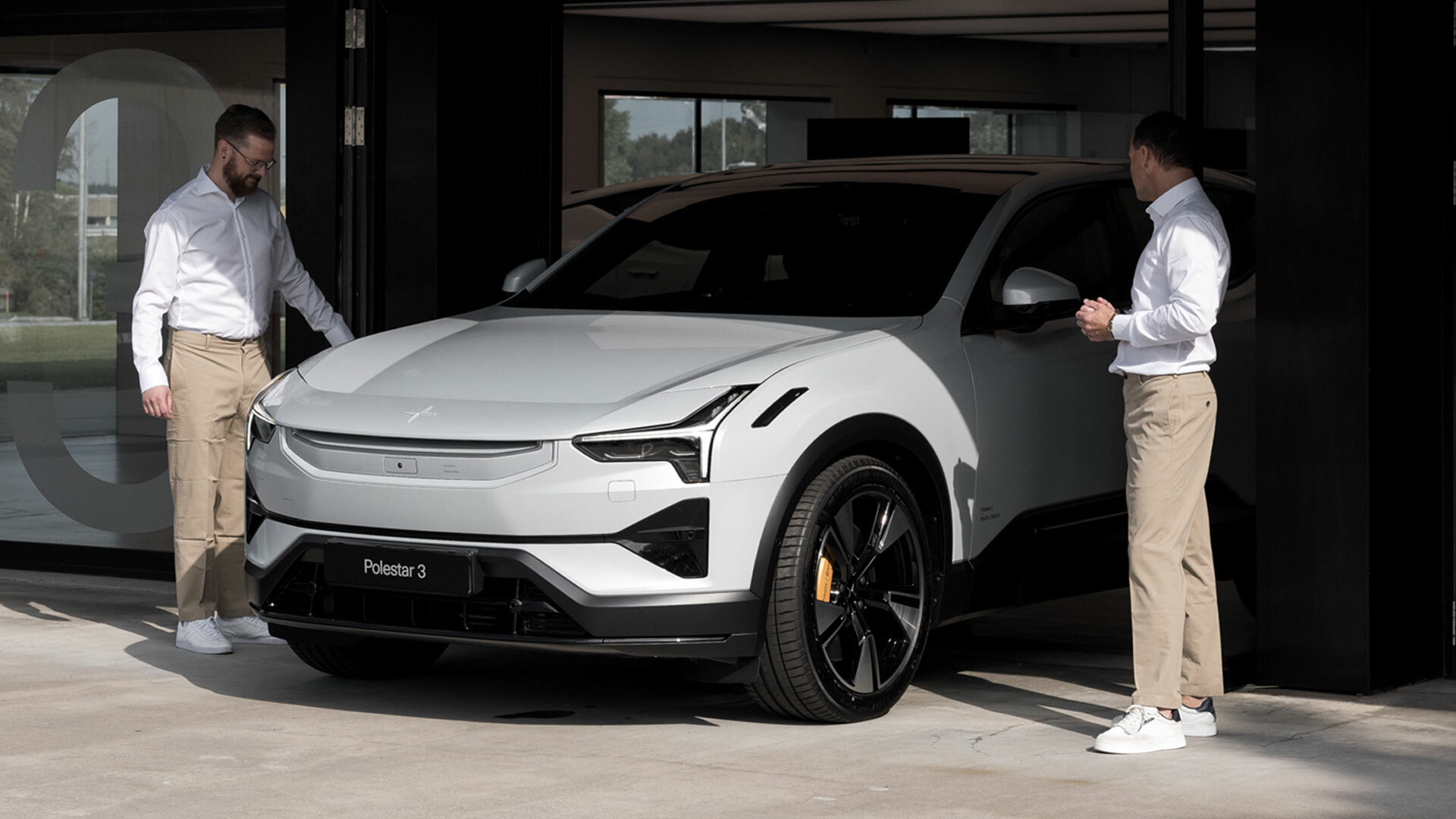
For most buyers, no, but it has to go into the total-cost sum from the start rather than as a nasty surprise after you have signed. The Polestar 3 is a genuinely good car, and Polestar has been running a £5,000 discount off the list price on qualifying orders placed to 30 June 2026, with RRPs from roughly £69,990 to £84,540 depending on trim. If you are buying at that level, a high insurance premium is a real but manageable line item; the mistake is to budget for the finance and the charging and forget the cover. Get a quote for your exact postcode and profile before you order, not after. The buyers who get caught out are the ones who budget carefully for the finance and the home charger, then treat insurance as a formality and discover at the quote stage that a group-50 car costs far more to cover than the EV they traded in. Build it into the monthly sum from day one and the Polestar 3 remains an easy car to recommend; leave it to the end and the renewal can feel like a nasty surprise that sours an otherwise excellent ownership experience.
If you are weighing the Polestar 3 on a company scheme, the tax side can offset a lot of the running cost, as our Polestar 3 salary sacrifice maths and Polestar 4 salary sacrifice breakdowns show.
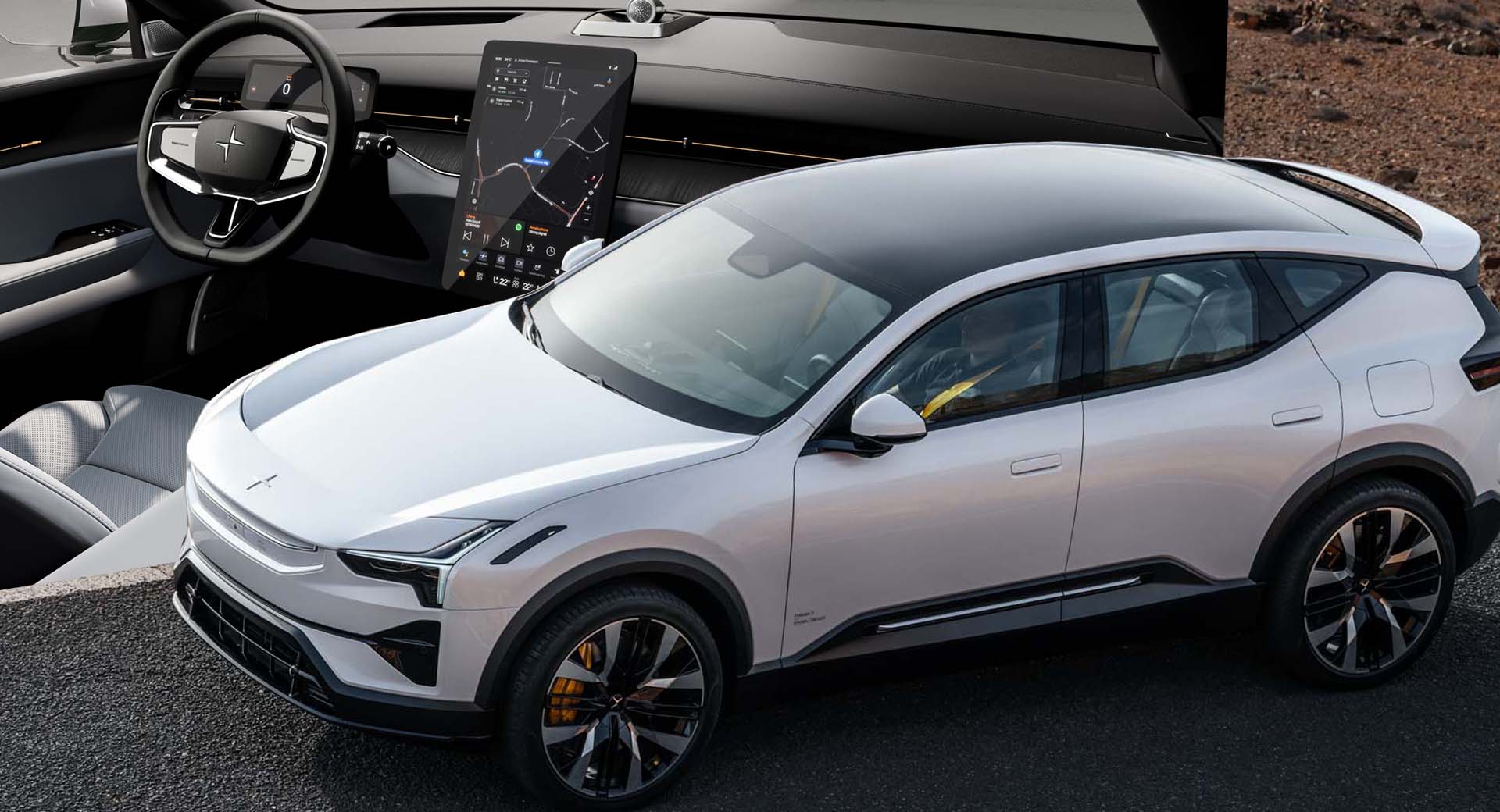
The review below is a useful look at what the money buys before you commit to a group-50 car.
Where to check before you buy
- Get a comprehensive quote for your exact postcode and driver profile before ordering, not after.
- Set annual mileage honestly but tightly, and declare off-street or garage parking if you have it.
- Fit and declare a Thatcham-approved tracker; it can be near-essential for the best premium-EV rates.
- Weigh a higher voluntary excess against the compulsory excess you cannot avoid.
- Use an independent comparison and an EV-savvy broker; start with the Which? car insurance guide.
- Build insurance into the total-cost sum alongside finance and charging from the outset.
Our take
The Polestar 3’s group-50 insurance rating is real and it is not going to change, because it reflects the genuine cost of repairing a heavy, sensor-laden, high-value electric SUV. But group 50 is a starting line, not a final bill, and the difference between a lazy quote and a sharp one on the same car is large. We would not let the rating put you off a car you otherwise want; we would insist you price the cover for your own postcode before ordering, lean hard on the levers that work (tight mileage, secure parking, a tracker, the right excess and an EV-literate broker), and treat insurance as a fixed part of the budget rather than an afterthought. Do that, and the shock becomes a manageable cost.