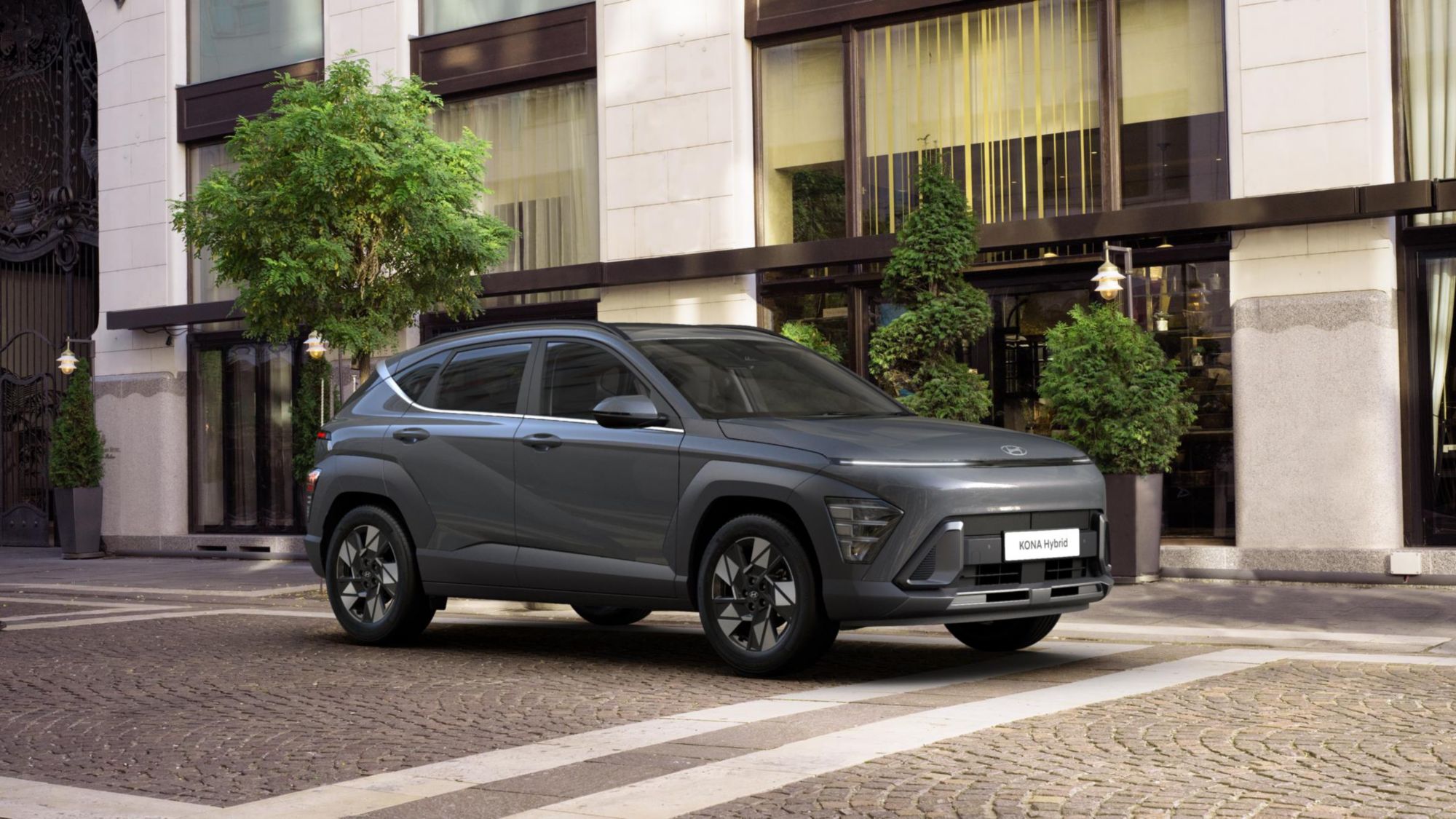
The Hyundai Kona Hybrid is one of the default family-crossover PCP picks in Britain, and the adverts make it look cheap: low monthly figures, sometimes zero percent finance. The honest answer is that those headlines are real but conditional, and the cost lives in the deposit and the term, not the monthly number. This is where the Kona Hybrid sits on price, how its PCP deals are actually built, and how to read a tempting offer before you sign rather than after.
What the prices and warranty actually are
CDE checked Hyundai UK’s Kona Hybrid trims and warranty terms on 13 June 2026. The list prices and cover are confirmed; the finance offers move constantly and must be verified live.
- List prices: Kona Hybrid Advance from £31,440, N Line from £33,240, with N Line S and Ultimate from £35,640.
- Warranty: Hyundai’s 5-Year Unlimited Mileage Warranty, plus 5 annual health checks and roadside assistance when dealer-serviced.
- Finance caveat: a previous manufacturer 0 percent, 24-month, £2,000-deposit promotion closed on 4 January 2026; current offers are retailer-specific, so confirm the live deal before relying on any figure.
Where the Hyundai Kona Hybrid sits on price
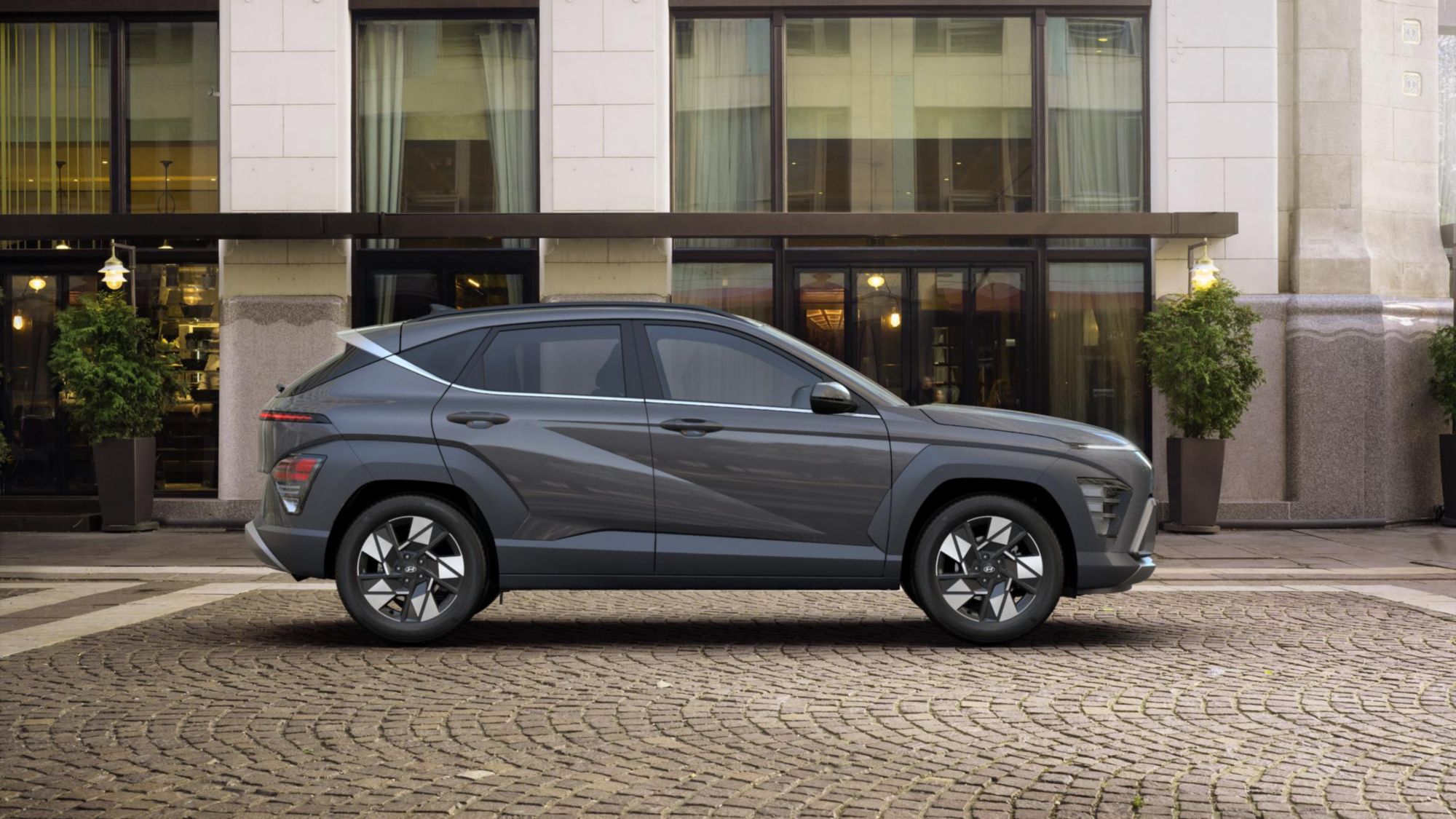
The Kona Hybrid range opens at £31,440 for the Advance, climbs to £33,240 for the N Line, and tops out around £35,640 for N Line S and Ultimate, per Hyundai UK. That places it squarely in mainstream family-crossover territory, above the cheapest petrol Kona but well short of the electric version. For a self-charging hybrid that needs no plug and returns strong real-world economy, that is competitive money, and it is the trim ladder that drives the PCP figures: the higher the list price, the higher the monthly, unless a deposit contribution or a cheap rate is doing the heavy lifting.
It is worth knowing what you are choosing between. The hybrid is the no-compromise pick for buyers who cannot charge at home; if you can, the electric Kona changes the running-cost maths entirely, as our BYD Atto 3 versus Hyundai Kona Electric comparison shows. Against rivals, it lines up with cars like the Skoda models we cover in our Skoda Octavia PCP piece.
How Kona PCP deals are built, and the catch
A personal contract purchase splits the car into three: your deposit, a set of monthly payments, and a large final “balloon” (the guaranteed future value) you only pay if you want to keep the car. The monthly figure you see advertised is the difference between the list price and that balloon, spread over the term, plus interest, minus your deposit. That is why two things move the headline most: a bigger deposit and a shorter term both push the monthly down, but they do not make the car cheaper overall. MoneyHelper sets out the structure plainly, and it is worth reading before you compare offers.
The catch with the eye-catching Kona figures is exactly this. A sub-£200 monthly headline on a £32,000 car almost always rides on a large deposit and a short 24-month term, which flatters the monthly while shortening how long the deal lasts. We unpick the trade-off in detail in our guide to PCP mileage limits and excess charges, the other place a cheap headline can bite later.
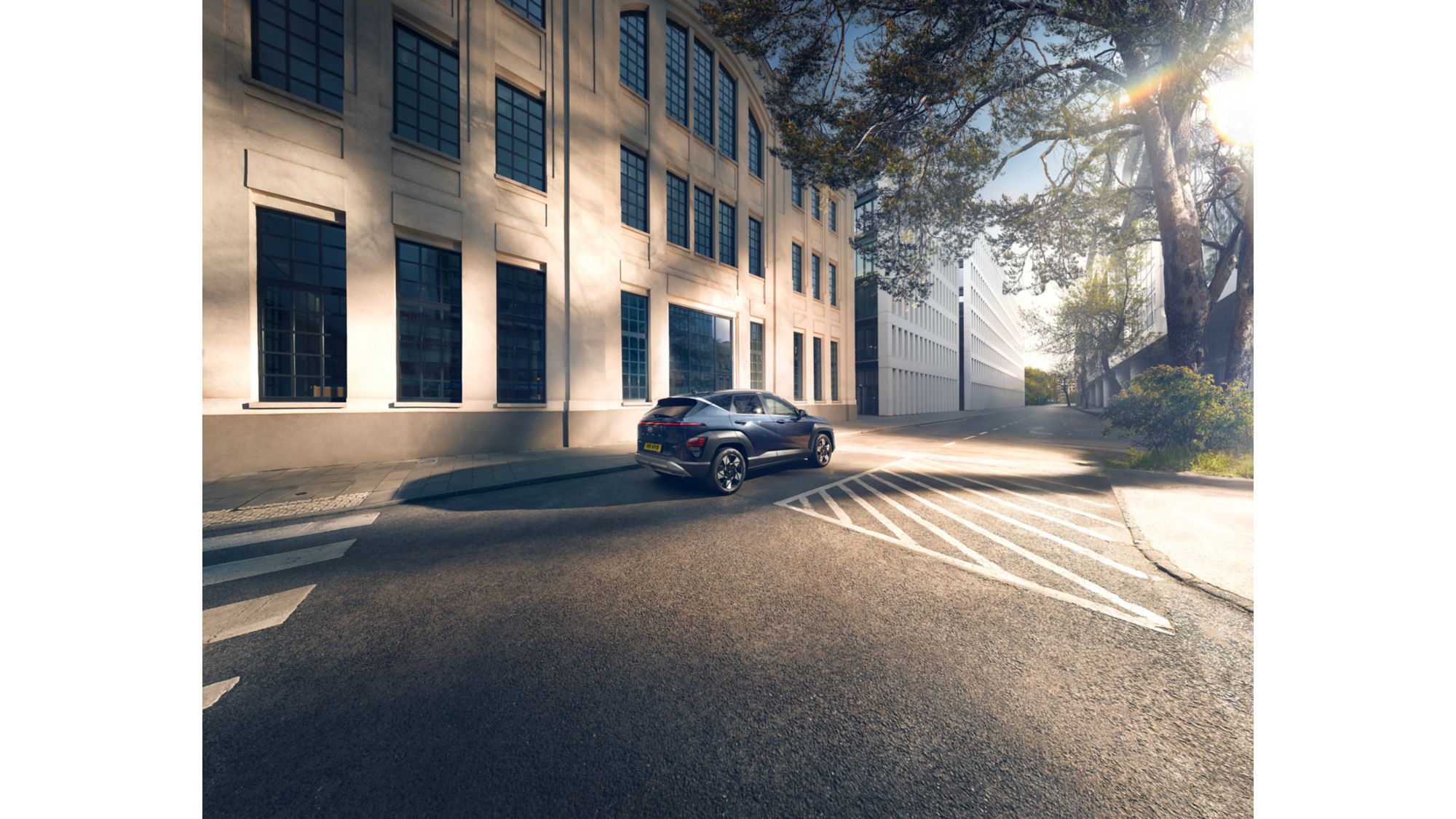
The 0% APR question: read the deposit and term
Zero percent finance is genuinely good when it is real, because you borrow at no interest cost. But it is rarely unconditional. The manufacturer 0 percent deal that ran on the Kona Hybrid, with a 24-month term and a £2,000 deposit contribution, closed on 4 January 2026, and what replaces it varies by dealer and by month. So if you see 0 percent advertised today, do three checks: confirm the term (often just 24 months, which raises the monthly), the minimum deposit required, and whether a deposit contribution is included or you fund it all yourself. A genuine 0 percent over a sensible term is worth chasing; a 0 percent that needs a 25 percent deposit and locks you into two years may suit fewer buyers than the headline implies.
The wider point is that the rate is only half the deal. A low APR with a big deposit contribution can beat a 0 percent with none; our explainer on 0% APR versus deposit contribution shows when each wins. Run the total cost, not the monthly, across the offers you are shown.
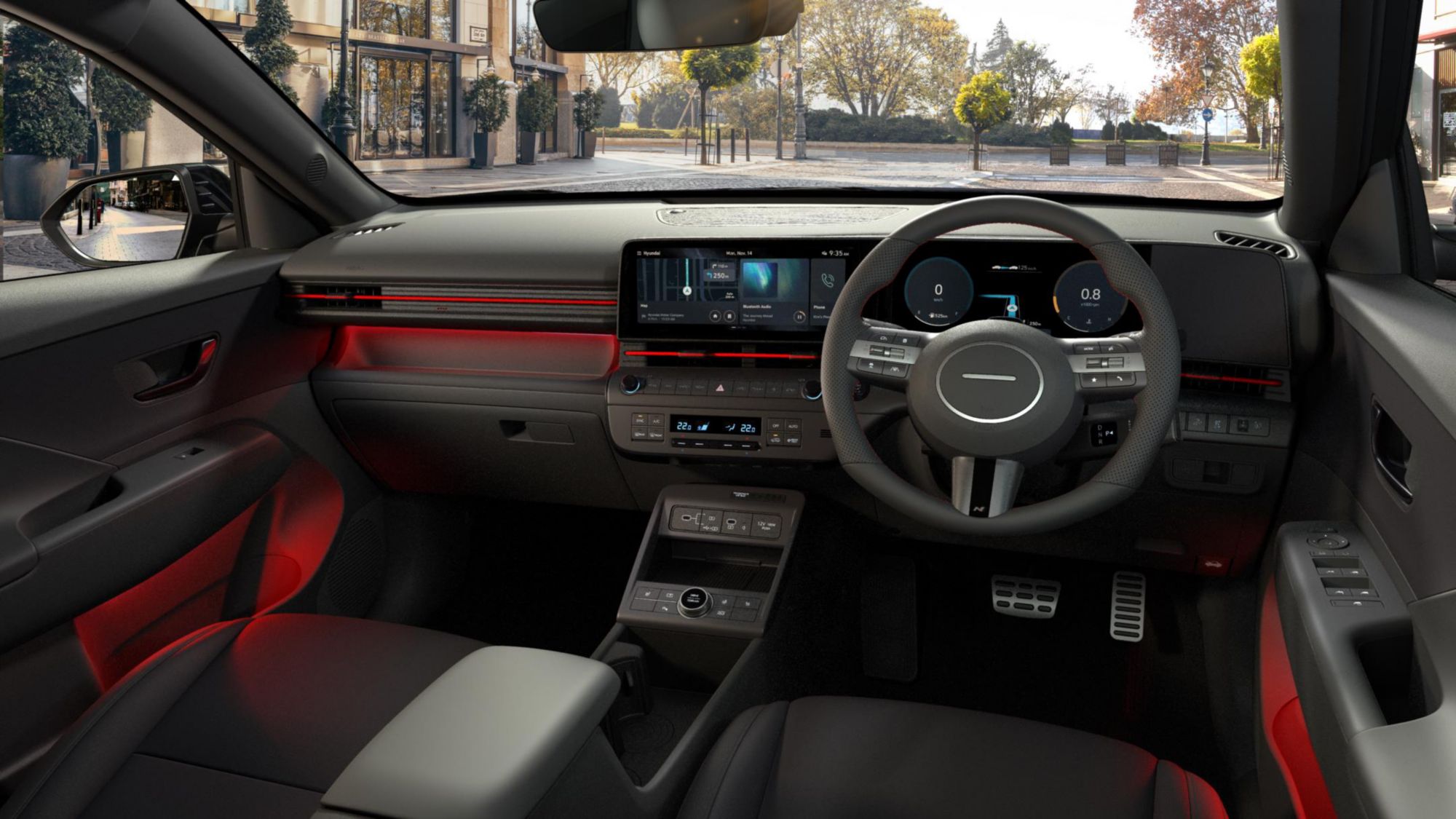
Why the Hyundai Kona Hybrid is cheap to live with
Whatever the finance, the Kona Hybrid earns its keep on running costs, and that is what should anchor the decision. The self-charging hybrid system returns strong real-world economy without any plugging in, road tax is modest, and Hyundai’s standout feature is the warranty: 5 years with unlimited mileage, plus five annual vehicle health checks and roadside assistance when you service at an authorised dealer. Paint is covered for five years and the bodyshell carries 12-year anti-perforation protection. For a buyer keeping the car beyond a single PCP term, that long warranty is a genuine reason to choose Hyundai over rivals whose cover runs out at three years. The hybrid system itself is the proven, self-charging type rather than a plug-in, so there is no charging cable to manage and no home wallbox required to see the benefit; you simply get materially better town economy than an equivalent petrol crossover with none of the range or charging compromises of a full EV. For a family doing a mix of school runs, commuting and the occasional longer trip, that is a genuinely low-stress way to cut fuel bills without changing how you drive or refuel.
PCP or something else?
PCP suits you if you like changing car every few years and want a low monthly with the option, not the obligation, to buy at the end. If you intend to keep the Kona long term, hire purchase or a personal loan can work out cheaper overall, because you are not paying to preserve a balloon you will end up settling anyway. The five-year warranty makes long-term ownership genuinely attractive here, which tilts the sums towards buying rather than perpetually financing. Whatever route you choose, get the dealer’s exact figures in writing and compare the total amount payable, not the monthly.

If you want a sense of how the current Kona drives and presents before you weigh the finance, What Car?’s review of the latest car is a useful watch.
Where to check before you sign
- Confirm the live PCP offer at the dealer: APR, term, minimum deposit and any deposit contribution, in writing.
- Compare the total amount payable across offers, not just the monthly figure.
- Check the mileage allowance fits your real annual mileage to avoid excess charges later.
- Decide honestly whether you will keep the car; if so, price hire purchase or a loan against PCP.
- Read the PCP structure on MoneyHelper so the balloon and GFV hold no surprises.
Our take
The Hyundai Kona Hybrid is an easy car to recommend and a slightly harder deal to read. The car itself is sensible, frugal and backed by a class-leading five-year unlimited-mileage warranty, which is exactly why we would lean towards keeping it rather than rolling PCP forever. On the finance, do not be seduced by a low monthly: the headline almost always rests on a big deposit and a short term, and the old manufacturer 0 percent offer has gone, so today’s deals are dealer-by-dealer. Get the live figures, compare the total payable, and if you plan to keep the Kona, seriously price hire purchase against PCP. Buy the car for the warranty and the running costs; sign the finance only once the total cost, not the monthly, makes sense.