

The Kia Niro EV salary sacrifice case is almost always pitched at 40 percent earners, which leaves basic-rate taxpayers wondering whether the maths still works for them. It does, just less dramatically, and that is exactly the point: a 20 percent earner can still run a genuine family EV for a few hundred pounds a month out of gross pay, with the company-car tax on an electric car still tiny. Here is the worked example most providers skip, built on a basic-rate salary rather than a flattering higher-rate one.
What the numbers look like for a basic-rate driver
CDE built the figures below from the gov.uk company-car benefit-in-kind table (last checked 13 June 2026) and current UK Income Tax and National Insurance bands, applied to a representative Kia Niro EV list price. They are illustrative; your own scheme quote will vary.
- The tax rate is the headline: the zero-emission company-car BiK rate is 4 percent for the 2026/27 tax year, up from 3 percent in 2025/26.
- The car suits it: the Niro EV offers a real-world range of around 285 miles, enough for a true do-everything family car.
- The saving is real but modest at 20 percent: a basic-rate earner saves Income Tax and NI on the sacrificed amount, just at lower rates than a higher-rate colleague.
Why Kia Niro EV salary sacrifice suits basic-rate earners
Salary sacrifice lets you give up part of your gross salary in exchange for a leased car, so you stop paying Income Tax and National Insurance on the money you sacrifice. The catch most articles bury is that the saving scales with your tax rate, which is why every example you see uses a 40 percent earner: the saving simply looks bigger. For a basic-rate taxpayer the saving is smaller, but the Niro EV is a sensible target precisely because it is not a £70,000 status car; it is a practical EV where a modest monthly saving still meaningfully undercuts a personal lease.
The reason any of this works is the company-car tax treatment of electric cars. On a petrol company car the benefit-in-kind tax would swamp the saving; on an EV it is currently a rounding error, which is the whole basis of the salary sacrifice EV tax case. If you want to see how the same logic plays out on a pricier Kia, our Kia EV6 salary sacrifice breakdown runs the higher-list-price version of this sum.
How salary sacrifice actually cuts the cost
Three things move when you sacrifice salary for an EV. You save Income Tax at your marginal rate on the sacrificed amount; you save employee National Insurance on it (8 percent in the main band for 2026/27, dropping to 2 percent above the upper earnings limit); and you then pay a small benefit-in-kind tax on the car, calculated as the car’s P11D value multiplied by the 4 percent EV rate, then taxed at your marginal rate. The net monthly cost is the gross sacrifice minus the tax and NI you no longer pay, plus that small BiK charge. One non-negotiable rule: the sacrifice cannot take your pay below the National Minimum Wage, which can constrain lower earners.
The BiK rate is set by HMRC and changes with each Budget, so always confirm the current year’s figure against the gov.uk company-car tax tables rather than trusting a provider blog, which may quote last year’s number. For 2026/27 it is 4 percent; we have written on why locking a deal matters in our note on the BiK lock-in to 2028.
The worked example: a 20 percent taxpayer
Take an illustrative gross monthly sacrifice of £450 for a Niro EV on a typical scheme that bundles insurance, servicing, tyres and breakdown, with a representative P11D of around £37,000. For a basic-rate taxpayer the sums work out as below. Treat these as a worked illustration to show the mechanism, not a quote; your scheme’s lease rate, your exact salary and your employer’s terms will move the final figure.
| Line | 20% taxpayer |
|---|---|
| Gross monthly sacrifice (inc VAT, all-in) | £450.00 |
| Income Tax saved (20%) | minus £90.00 |
| Employee NI saved (8%) | minus £36.00 |
| BiK tax cost (£37,000 x 4% x 20%, per month) | plus £24.67 |
| Net monthly cost | about £348.67 |

And a 40 percent taxpayer, for comparison
On the same £450 gross sacrifice, a higher-rate earner saves more Income Tax but less NI, because the employee NI rate drops to 2 percent above the upper earnings limit. The net cost lands lower than for the basic-rate driver, which is the gap that makes higher earners the usual poster children for these schemes.
| Line | 40% taxpayer |
|---|---|
| Gross monthly sacrifice (inc VAT, all-in) | £450.00 |
| Income Tax saved (40%) | minus £180.00 |
| Employee NI saved (2%) | minus £9.00 |
| BiK tax cost (£37,000 x 4% x 40%, per month) | plus £49.33 |
| Net monthly cost | about £310.33 |
The difference, roughly £38 a month here, is real but smaller than the marketing implies. For a basic-rate earner the headline is not the size of the tax break; it is that an all-in EV lease at around £350 net, with insurance and servicing included, is hard to match on a personal lease once you add those costs back in.
What Kia Niro EV salary sacrifice does not include
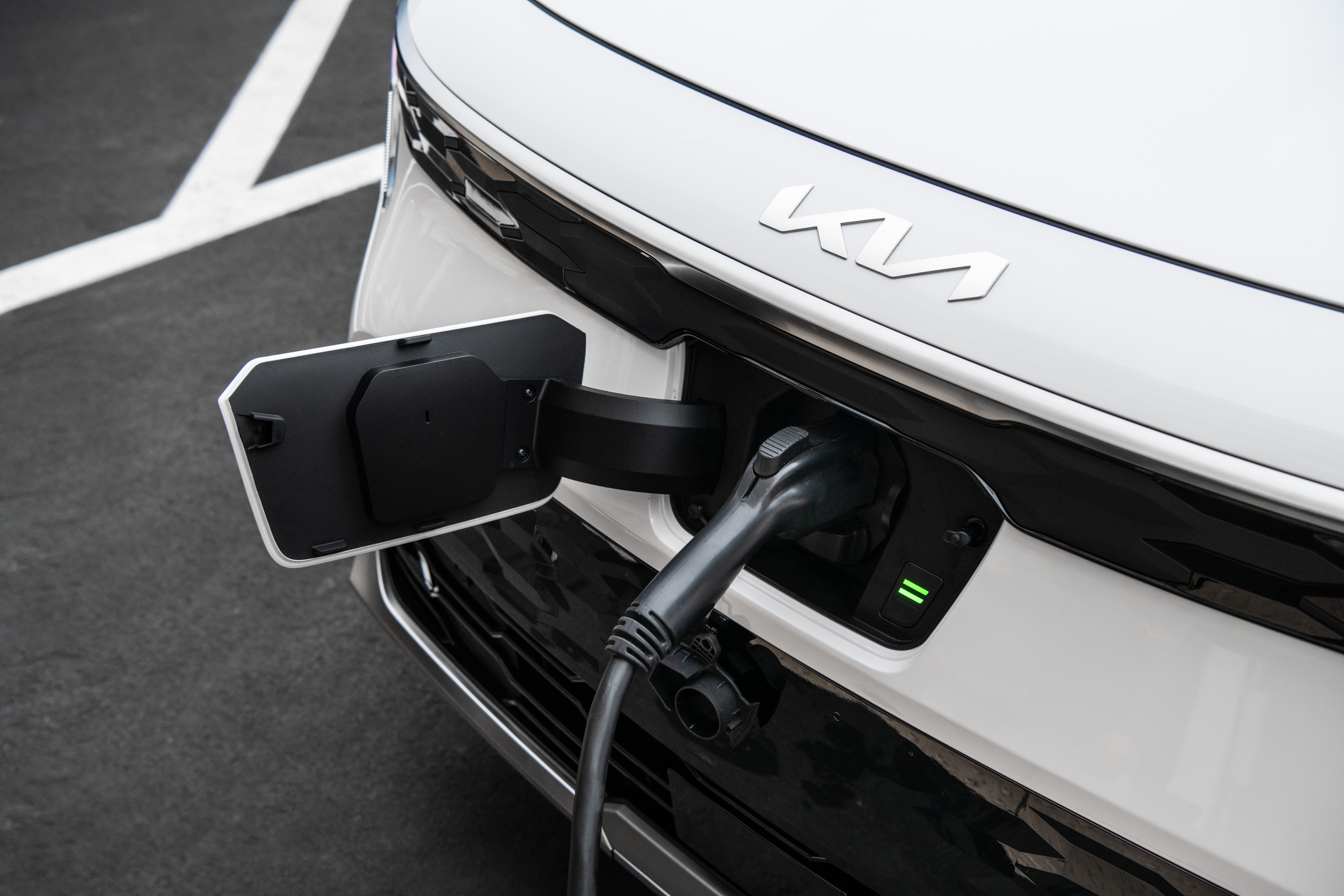
Two warnings before you sign. First, schemes vary on what is bundled: most include insurance, servicing, maintenance, tyres and breakdown, but not all do, and charging is almost never included, so budget for electricity and ideally a home charger to get the cheap miles. Second, salary sacrifice is a fixed commitment, and the early-exit terms matter most if you might leave your employer mid-term; some schemes have protection, others leave you exposed. We cover both in detail in the hidden running costs of an EV, and the wider policy backdrop in our piece on the pension NI cap from 2029.
None of these caveats kill the case; they simply mean the right answer turns on your charging setup and your job security, not only your tax band. The short review below gives a sense of how the Niro EV drives day to day before you weigh the numbers.
Where to check before you commit
- Confirm the current BiK rate on the gov.uk company-car tax tables for the tax year your lease starts.
- Get your scheme’s actual gross monthly figure for the exact Niro EV trim, not a generic provider example.
- Check whether your salary stays above the National Minimum Wage after the sacrifice.
- Ask what the lease includes (insurance, servicing, tyres) and what it does not (charging, almost always).
- Read the early-exit terms before signing, especially if your job might change in the next three years.
- Price a home charger and your likely electricity cost so the running-cost saving is real, not assumed.
Our take
For a basic-rate taxpayer, Kia Niro EV salary sacrifice is still a quietly good deal, even though it will never look as spectacular as the 40 percent examples online. At around £350 net a month for an all-in lease on a 285-mile family EV, with insurance and servicing wrapped in, it beats what most people could arrange privately once those extras are added back. We would do it if your employer’s scheme has fair early-exit terms and you can charge at home; we would think twice if charging means relying on expensive public networks, or if leaving your job in the next three years is a real prospect. Run your own scheme’s quote against the worked figures above before you commit, and do not let a flattering higher-rate example set your expectations.