News · 12 Jun 2026 · Michael Harrison
The latest UK new car registrations tell a more useful story than the cheerful headlines suggest. May 2026 was the strongest May since 2019, with 160,662 cars registered, up 7.1% year on year, and battery-electric demand jumping 34.2% to a 27.3% share of the month. Strip away the optimism and there is a clear message for anyone buying this year: the gap between EV sales and the official mandate target is exactly why discounting is locked in through the second half of 2026, and the buyers with the most leverage right now are the ones shopping for an electric car.
The May 2026 numbers (SMMT data)
Figures are from the Society of Motor Manufacturers and Traders’ May 2026 registration release, published in early June 2026.
- Total market: 160,662 new cars, up 7.1% year on year, the best May since 2019.
- Electric demand: BEV registrations rose 34.2% to a 27.3% share of the month, but the year-to-date BEV share sits at about 23.9%, well short of the 33% ZEV-mandate target manufacturers are working towards.
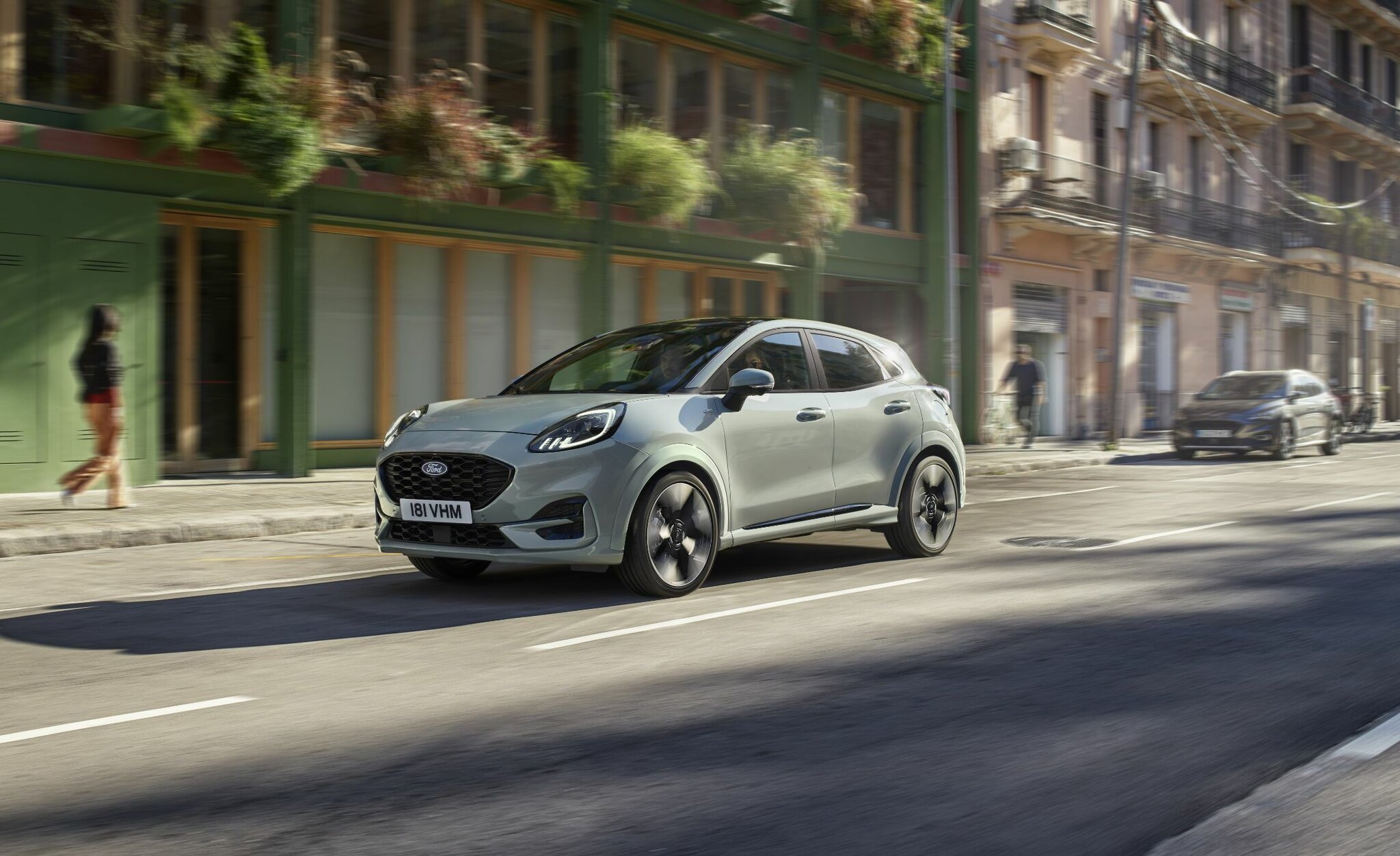
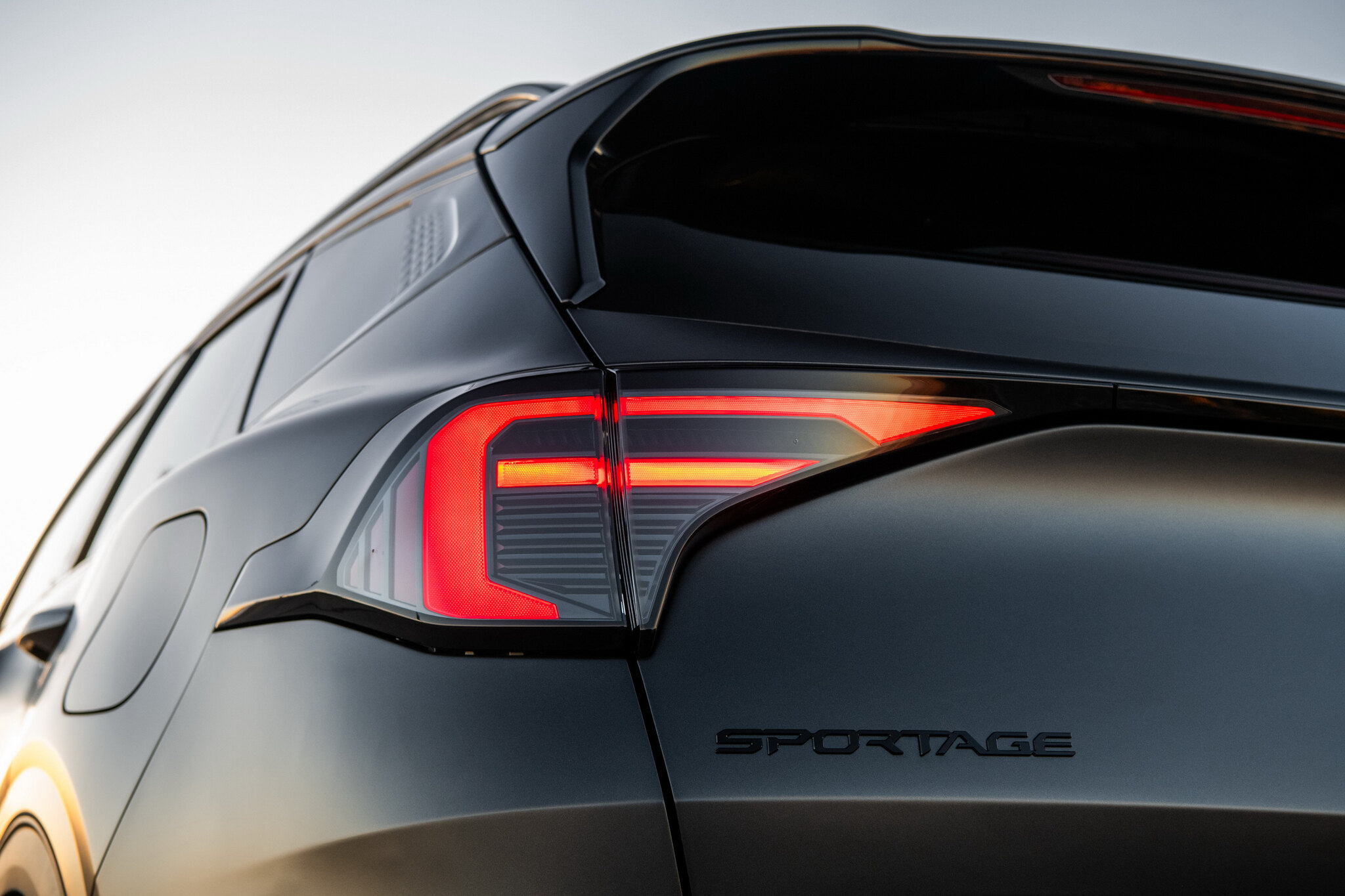
- Who is buying: private registrations jumped 17.2%, while fleet rose 1.8% and still made up 57.1% of the market. The top three sellers were the Ford Puma (4,019), Kia Sportage (3,439) and Vauxhall Corsa (3,075).
The headline: a genuine recovery, with a catch
A best-May-since-2019 result is real strength, and it was broad: the SMMT noted buyers had more choice than ever, with around 21 more models on sale than a year earlier. But two numbers sit uneasily together. The market is growing, yet the year-to-date electric share of roughly 23.9% is a long way below the 33% target manufacturers must move towards under the Zero Emission Vehicle mandate. That gap is not an abstraction. It is the single biggest reason new-EV discounts and cheap finance are everywhere in 2026, because carmakers need electric volume and are buying it with incentives.
Where the leverage is: EVs and the mandate gap
If you are buying electric, you are buying into a market that is structurally over-supplied with incentives. Manufacturers behind on their mandate share will keep pushing deposit contributions, 0% APR and cut-price salary-sacrifice rates to shift metal, and that pressure does not ease until the year-to-date share closes on the target. For a cash or finance buyer that means the BEV is where your negotiating position is strongest in 2026. For a buyer weighing the longer-term cost, our analysis of which electric cars hold value and which crater matters just as much as the upfront deal, because a heavy discount on a fast-depreciating EV is not the bargain it looks.
What UK new car registrations mean for your next deal
Registration data is the closest thing UK buyers have to a live read on supply and demand, and the May 2026 figures point to a clear playbook. Fleet still drives the majority of volume at 57.1%, which keeps a steady stream of nearly-new ex-fleet and ex-lease cars flowing onto the used market a year or two from now, softening used prices in those segments. The private surge of 17.2% tells you retail buyers are responding to deals, not paying list. The takeaway: this is a buyer’s market for anyone willing to negotiate, especially on electric, and especially in the second half of the year when registration targets bite hardest. If you are funding the car, weigh a manufacturer contribution against a low rate using our guide to 0% APR versus a deposit contribution.
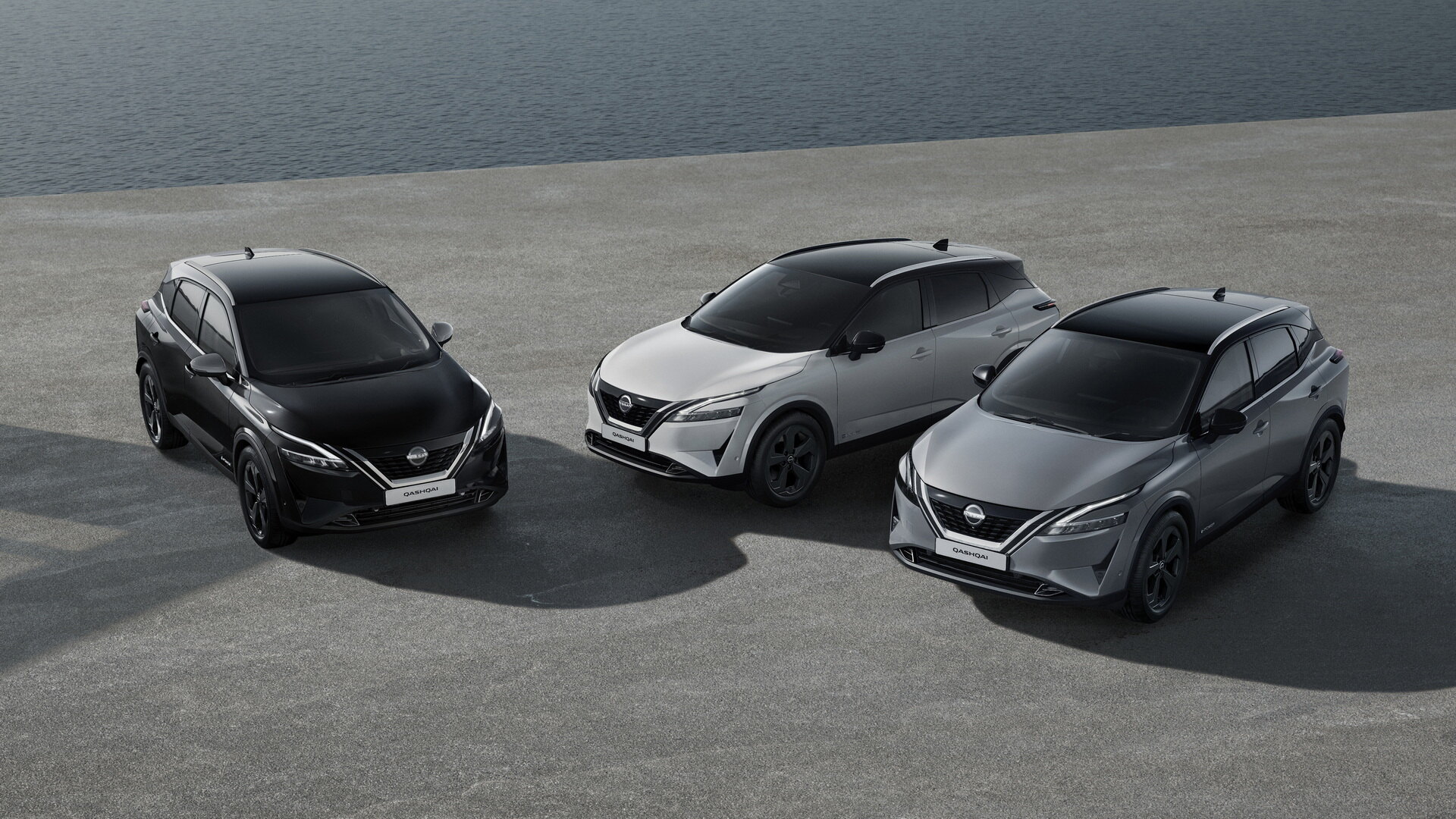
Private buyers are back, and dealers noticed
The 17.2% jump in private registrations is the figure dealers will be watching most closely. It means retail demand is recovering faster than fleet, and it gives showrooms confidence to hold firmer on price as the year goes on. The window of maximum leverage tends to be the plate-change months and quarter-ends, when targets concentrate the mind. If you can time a purchase to the end of a quarter and you are flexible on colour and trim, you are negotiating from the strongest position the data has shown in years. Mainstream buyers funding a car on PCP should still read the total cost, not the monthly, as we explain in our look at the Ford Puma PCP deal signals for the current quarter.
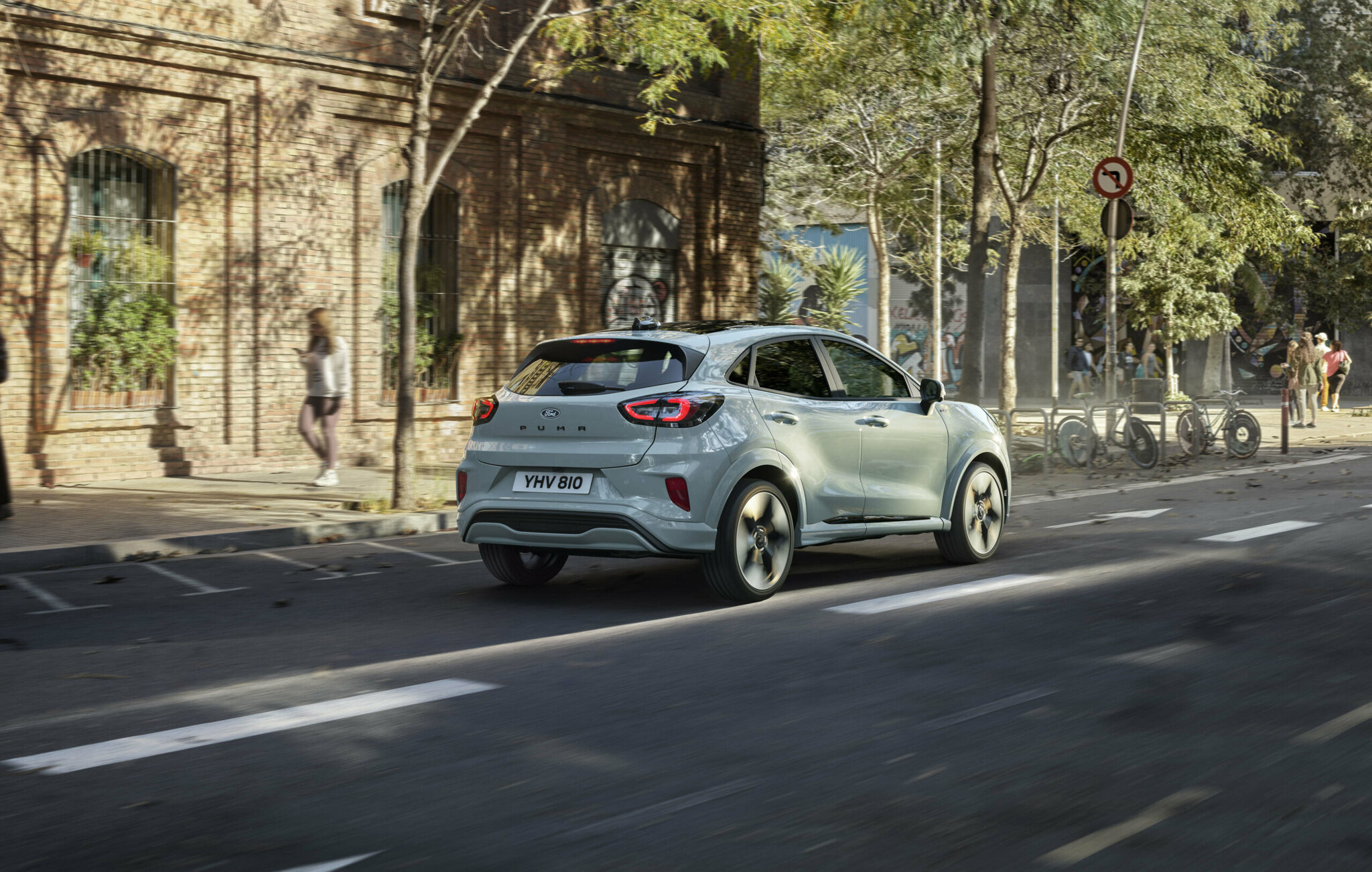
What is actually selling: Puma, Sportage, Corsa
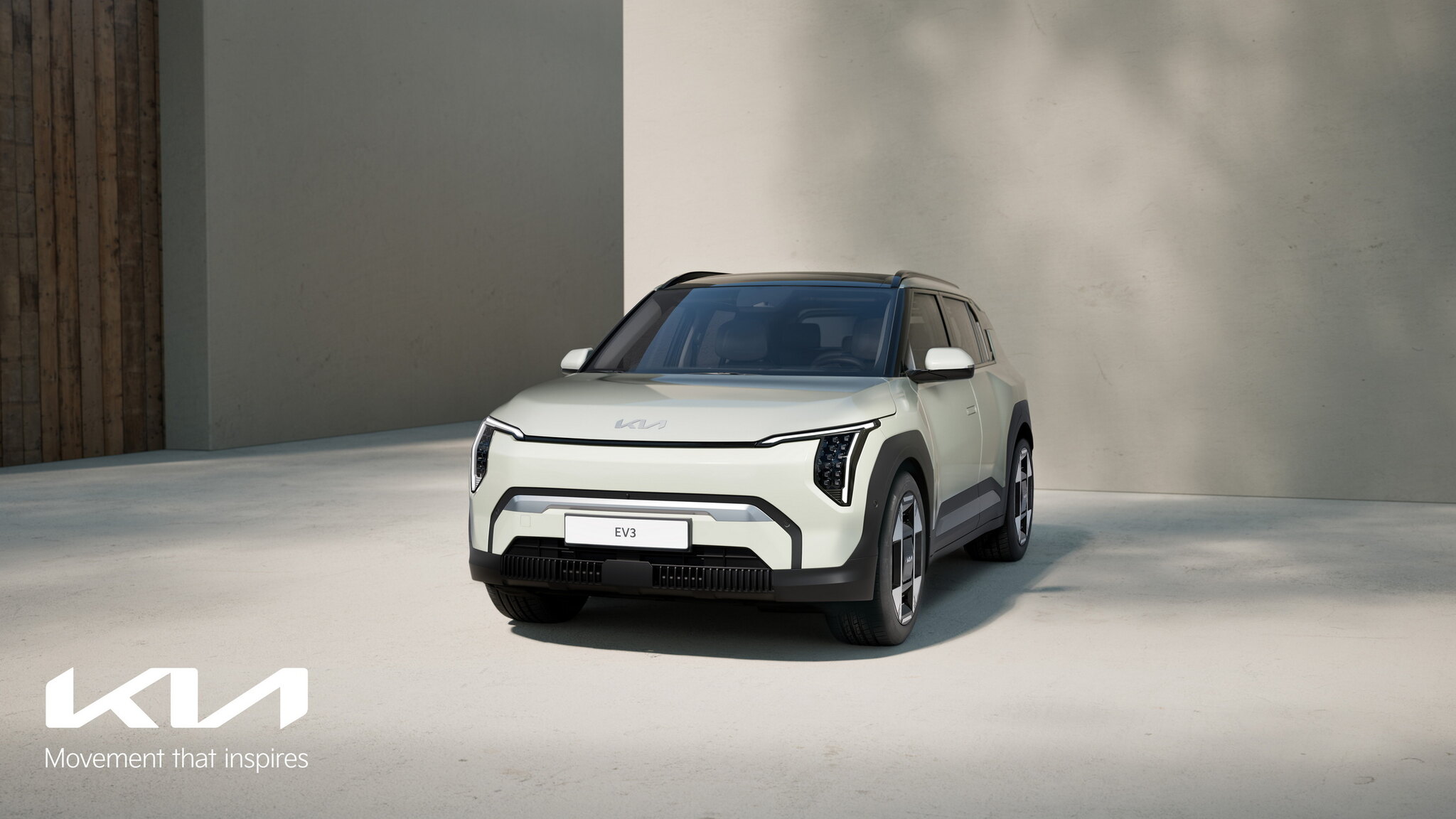
The best-seller list is a study in pragmatism: the Ford Puma (4,019), Kia Sportage (3,439) and Vauxhall Corsa (3,075) are practical, keenly-priced and heavily supported by finance offers. That matters for used buyers too, because today’s volume sellers are tomorrow’s plentiful used stock, which keeps residual values honest and choice wide. The Sportage in particular is worth watching, as its long Kia warranty travels with the car; our guide to the used Kia Sportage and its warranty and residuals explains why that makes it a strong nearly-new buy. The presence of an electric Kia like the EV3 in the wider market also shows how fast the mainstream BEV choice is broadening.
How to use the data if you are buying in 2026
Turn the figures into a plan before you walk into a showroom.
- Read the SMMT monthly release yourself at smmt.co.uk to see which segments are over-supplied before you negotiate.
- Shop electric if you want maximum leverage: manufacturers behind the ZEV-mandate share are the keenest to deal.
- Time the purchase to a quarter-end or plate change, when registration targets push dealers hardest.
- Compare a deposit contribution against a low APR on total cost, not the monthly headline.
- If you are company-car or salary-sacrifice eligible, check the current EV benefit-in-kind rate on gov.uk before deciding new versus used.
- Remember fleet still drives 57% of volume: a near-new ex-fleet car in 12 to 24 months will undercut today’s new price on the same model.
Our take
Our view on the May 2026 UK new car registrations: this is a recovering market that still favours the buyer, and the favour is concentrated in electric cars. The mandate gap is not going to close quietly, so the discounting and cheap finance that defined the first half of the year will run through the second. If you are buying new and you are open to an EV, you hold the strongest hand the data has dealt retail buyers in years; negotiate hard, time it to a quarter-end, and judge the deal on total cost and residual value rather than the monthly payment. If you are buying petrol, the volume sellers are well-supported but the discounts are shallower, so patience and a quarter-end visit are your best tools. The numbers say it plainly: in 2026, the buyer sets the pace.
How many new cars were registered in the UK in May 2026?
What was the best-selling car in the UK in May 2026?
Why are EV discounts so big in 2026?
Is 2026 a good time to buy a new car?
Does strong fleet demand affect used car prices?
Buyer action
Where to check next
Use this as the final check before paying a deposit, signing finance paperwork or relying on a headline monthly figure.