News · 10 Jun 2026 · Michael Harrison
The EV discount war has turned an ordinary May into the strongest in six years, with battery cars taking 27.3% of UK registrations as manufacturers throw cash at electric stock. For a buyer, the headline is simple: new EVs have rarely been cheaper, and the MG4 is the clearest example of what that money now buys. The catch is that this generosity is being forced by a sales target the industry is still missing, so the deals may not hold.
What the May 2026 figures actually show
The UK registered 160,662 new cars in May, up 7.1% on a year earlier and the best May since 2019, according to the Society of Motor Manufacturers and Traders. Battery electric vehicles did the heavy lifting: registrations rose 34.2% to 43,931 units, a 27.3% share and the highest monthly figure recorded so far in 2026. A 17.2% jump in private buyers drove much of the gain, which matters because private demand, not fleet churn, is what discounting is meant to unlock. If you have watched the best electric SUVs under £30,000 creep down in price, this is the data behind it.
Why the EV discount war exists
None of this is charity. Carmakers have spent up to £10 billion discounting battery cars in the first two years of the Zero Emission Vehicle mandate, the rule requiring a rising share of each maker’s sales to be electric. The 2026 target is 33%, yet year-to-date BEV share is just 23.9%, so brands are buying their way toward compliance rather than paying the per-car shortfall penalty. On top of that, the Government’s Electric Car Grant takes up to £3,750 off eligible models. Sticker price and the price you pay have drifted a long way apart.
The MG4 as the value case
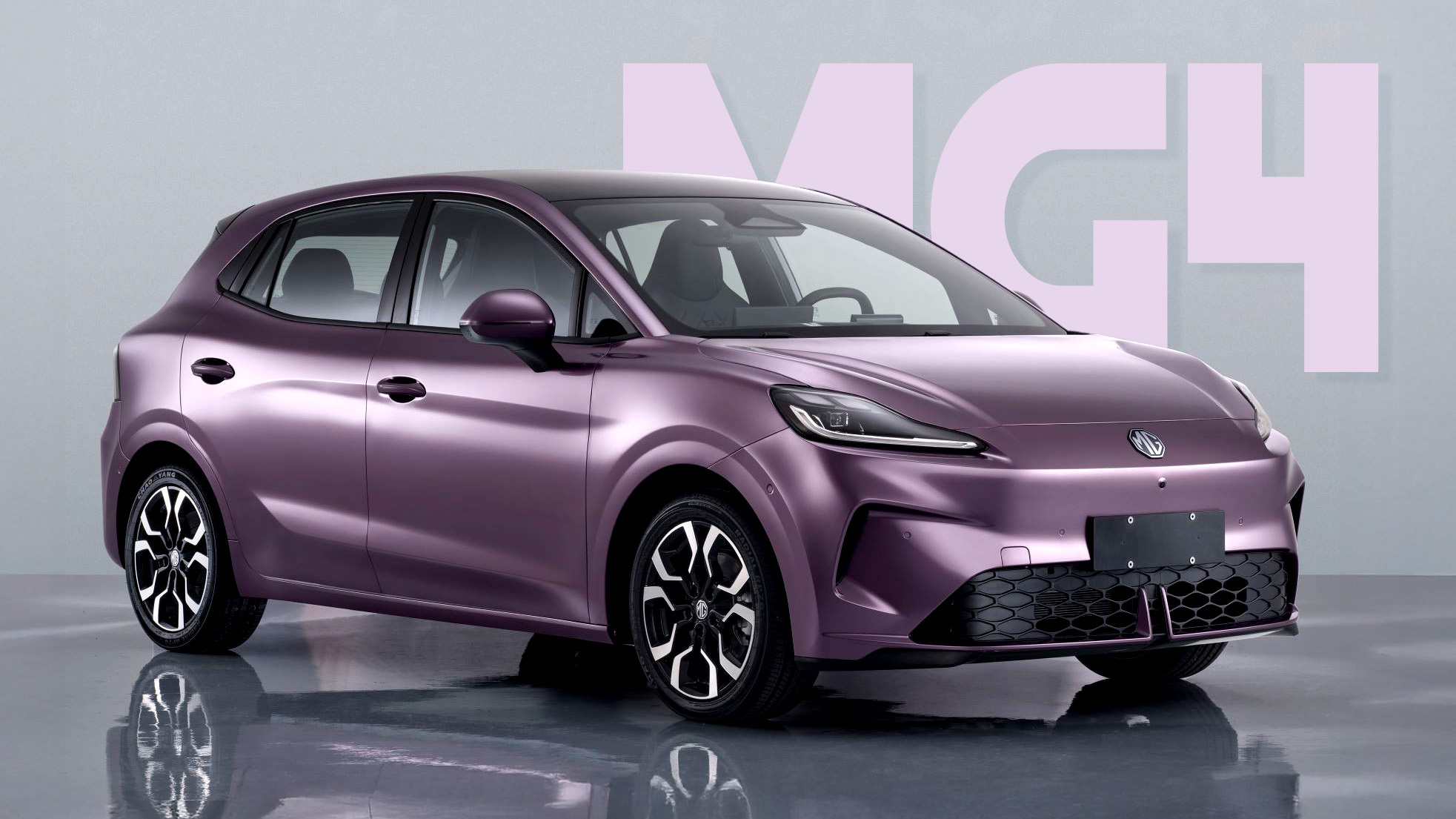
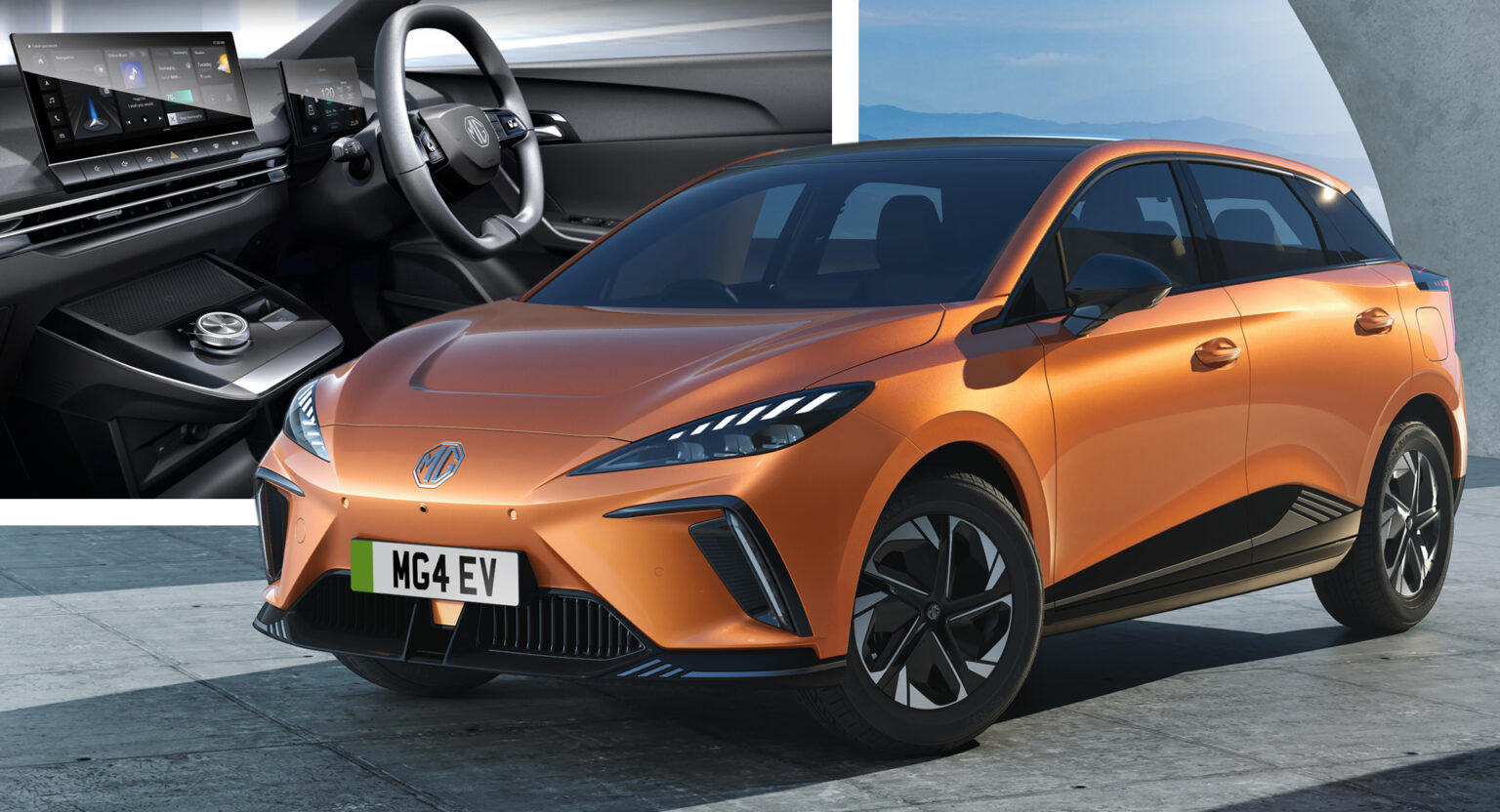
If one car captures the moment, it is the MG4. The MG4 Urban now starts from £23,495 on the road in Comfort trim with a 43kWh battery, undercutting the standard MG4 by around £6,500 and making it one of the cheapest new electric hatchbacks on sale. MG also runs a 0% APR PCP across the MG4 Urban and standard MG4 for cars registered between 1 April and 30 June 2026, plus a £1,500 customer saving matching the Electric Car Grant. Up the range, Comfort Long Range sits at £25,495 and Premium Long Range at £27,995, so even better-equipped cars stay under £28,000.
One thing to keep straight: the £750 voucher MG is running this quarter applies to the MG ZS and ZS Hybrid+, not the MG4, so do not let a salesperson roll it into an MG4 quote. We have not driven this individual car, and any monthly figure quoted to you should arrive with a full representative example. On a 0% deal the total payable equals the cash price, but read the deposit, term and final balloon before you sign. For a wider sense of where Chinese-brand pricing sits, our look at the BYD Atto 3 against the Hyundai Kona Electric shows how aggressively the segment is now priced.
What the discount war means for your price
The practical translation is that advertised prices are a starting point, not a settled number. Billions funnelled into BEV incentives means deposit contributions, 0% finance and grant-matching savings stack onto cars that already list keenly, part of why BYD has been overtaking Tesla in UK volume. Cash buyers should focus on the on-the-road price after grant and brand savings. If you are financing, weigh a 0% PCP against a higher-APR deal with a bigger deposit contribution, a trade-off we break down in our 0% APR versus deposit contribution guide.
The catch: discounts may not last
Here is the warning behind the cheap headline. A 27.3% monthly BEV share is the best of the year, but it still trails the 33% the ZEV mandate demands for 2026, and the year-to-date figure of 23.9% is further adrift again. SMMT chief executive Mike Hawes put it plainly:
The EV transition is progressing, but consumer uptake still lags behind even today’s targets, let alone the ambition set out in the latest Carbon Budget. A review of the transition is now urgent to ensure ambition matches market realities.
Mike Hawes, Chief Executive, SMMT. SMMT May 2026 registrations release
Discounting on this scale is, on the industry’s own account, unsustainable. If the mandate is softened, or if makers decide the cost of buying compliance is too high, the incentives that make a £23,495 MG4 look like a bargain could thin out. The flip side of cheaper EVs is also a used market in flux, which is squeezing values on older diesels too, as our ULEZ and Clean Air Zone diesel discount piece explains.
How EVs stack up against salary sacrifice right now
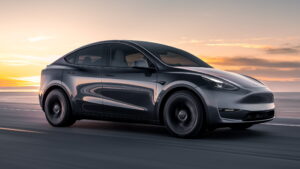
For company-car drivers the discount is only half of it, because the bigger saving usually sits in tax. Pure EVs carry a 4% benefit-in-kind rate for 2026/27, which makes payroll schemes so cheap for higher-rate taxpayers, a route we cost out in our Tesla Model Y salary sacrifice breakdown. A retail buyer chasing the lowest cash price and a sal-sac driver chasing the lowest net monthly are playing different games, so the right EV can differ between them. Either way, the current run of deals across the wider EV market is the most generous we have seen.
Where to check the numbers before you buy
- Confirm the live MG4 price and the current 0% APR PCP terms, with the full representative example, on MG Motor UK’s MG4 offers page (last checked: 10 June 2026).
- Check Electric Car Grant eligibility for the exact model on gov.uk before assuming the saving applies.
- Read the monthly registration trend yourself in the SMMT car registration data so you know whether demand, and therefore deals, is rising or cooling.
- Ask the dealer to confirm the full offer in writing, separating the cash discount, any deposit contribution and the finance terms, so you can compare like for like.
- If you run a company car, model the 4% BiK cost alongside the cash price, because the cheaper headline car is not always the cheaper car for you.
Our take
The EV discount war is real, and right now it is working in the buyer’s favour. A new MG4 Urban from £23,495 with a 0% APR PCP and a grant-matching saving is the kind of deal that did not exist two years ago, and the May data confirms buyers are responding. Our view: if you genuinely want an electric car and the maths works on one you would keep, this is a good window to act, because the incentives are funded by a target the industry is missing and cannot subsidise forever. Push hard on the on-the-road price, insist on a full representative example for any finance, and ignore vouchers that do not apply to your model. The buyers who should wait are those unsure about charging access, because no discount fixes a car that does not fit your life.