UPDATED · News · 9 Jun 2026 · Michael Harrison
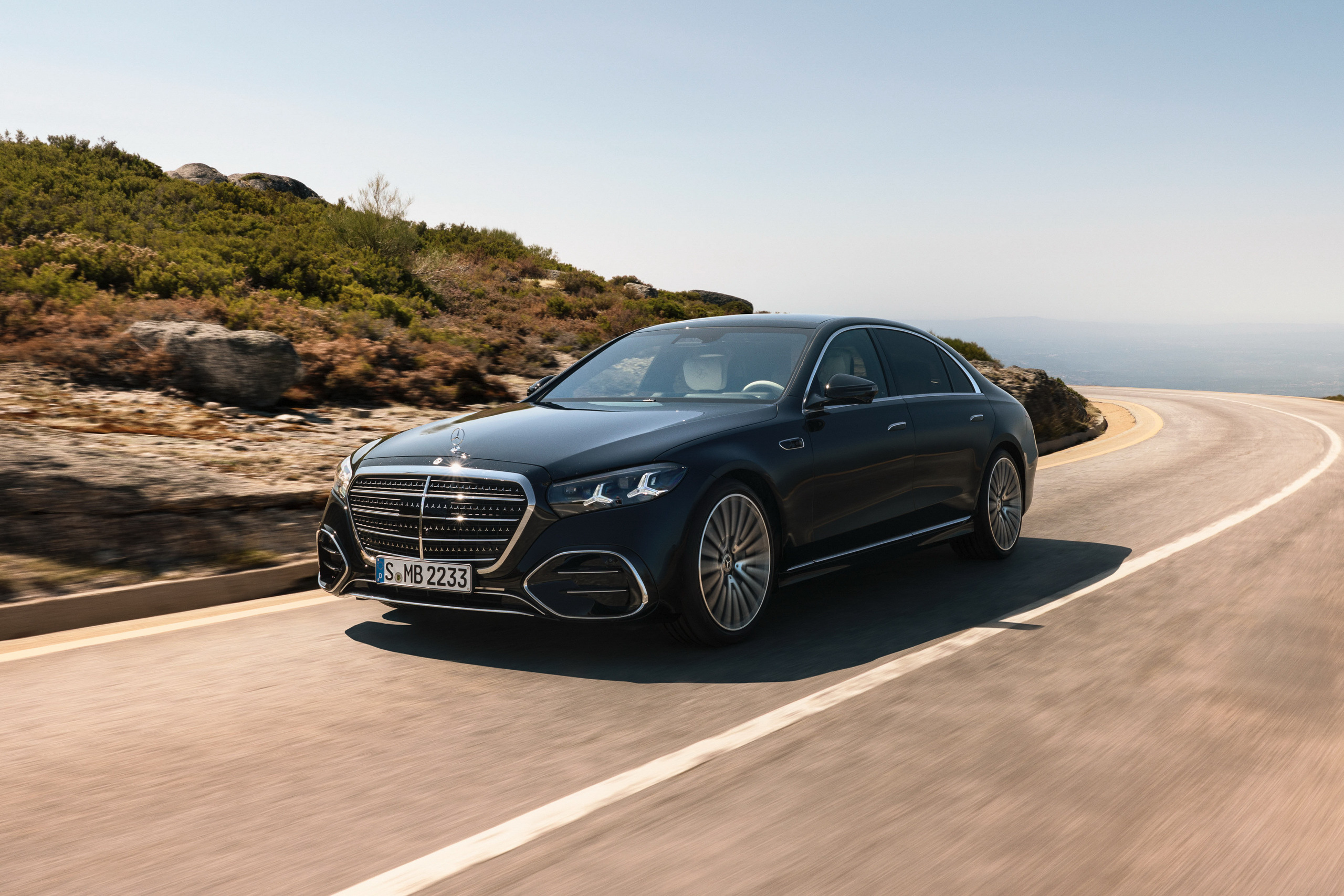
The Mercedes S-Class facelift 2026 lands in UK showrooms from £103,450, and that single number does more work than it looks: it sets the cash anchor that every Q3 personal contract purchase quote will be built around. Mercedes calls this the most thorough mid-life update an S-Class has ever had, with roughly 2,700 new or re-engineered components, an illuminated grille and the MBUX Superscreen running on the new MB.OS software backbone. Here is what the price means for monthly finance, and why the W223 underneath it still matters.
The £103,450 entry price, and where the range goes from there
UK pricing opens at £103,450 for the S350d L 4Matic AMG Line Premium, a long-wheelbase six-cylinder diesel with four-wheel drive as standard, per the official Mercedes-Benz UK S-Class page, with the figure also listed on Carwow’s S-Class pricing page and corroborated by Autocar’s tested review. That is broadly flat against the outgoing car, which is the first thing a UK buyer should notice: Mercedes has resisted the temptation to push the headline number up despite the scale of the changes. The S350d’s 3.0-litre straight-six diesel produces 313bhp with 48V mild-hybrid assistance, and Mercedes quotes economy up to 45.6mpg, useful for a saloon of this length doing motorway miles.
The range then climbs in familiar steps. Carwow lists the family running up to around £237,810 for flagship Mercedes-Maybach derivatives, with the core (non-Maybach) saloon topping out at the petrol-hybrid S580e L AMG Line Premium Plus Executive at £135,675. For most private and business buyers the conversation sits in the £103,000 to £140,000 band, and that is the band where the finance maths gets interesting.
What real owners say (CDE data)
- Most-praised aspects: rear-cabin comfort and quietness, long-distance ride composure, six-cylinder diesel refinement and real-world range.
- Most-criticised aspects: earlier MBUX menu depth, the haptic steering-wheel pads, and depreciation in the first three years of ownership.
- Reliability signal: the W223 generation carries a mixed early record on 12-volt electrical niggles and software bugs in owner reports; the facelift’s move to MB.OS is aimed squarely at the software complaints, though it is unproven in UK hands.
This is a facelift of the W223, not an all-new car
It is worth being precise, because it changes how you value the car. This is a mid-cycle update of the existing W223 generation that launched in 2020, not a new W224 and not an all-new model. Mercedes describes it as its most comprehensive single-generation S-Class update, and the headline statistic is that more than 50% of the components, around 2,700 parts and functions, are new or re-engineered. The platform, the basic body and the long-wheelbase packaging carry over.

For a UK buyer the practical read is reassuring. A facelifted W223 inherits four years of running changes and fault fixes on a known platform, rather than launching cold. If you have been weighing the outgoing car, our W223 S-Class used buyer’s guide covers the pre-facelift checks worth making, and for the generation before that the W222 S-Class buyer’s guide shows how steeply these cars fall in value once a newer one arrives.
The grille, the lights and the cabin tech
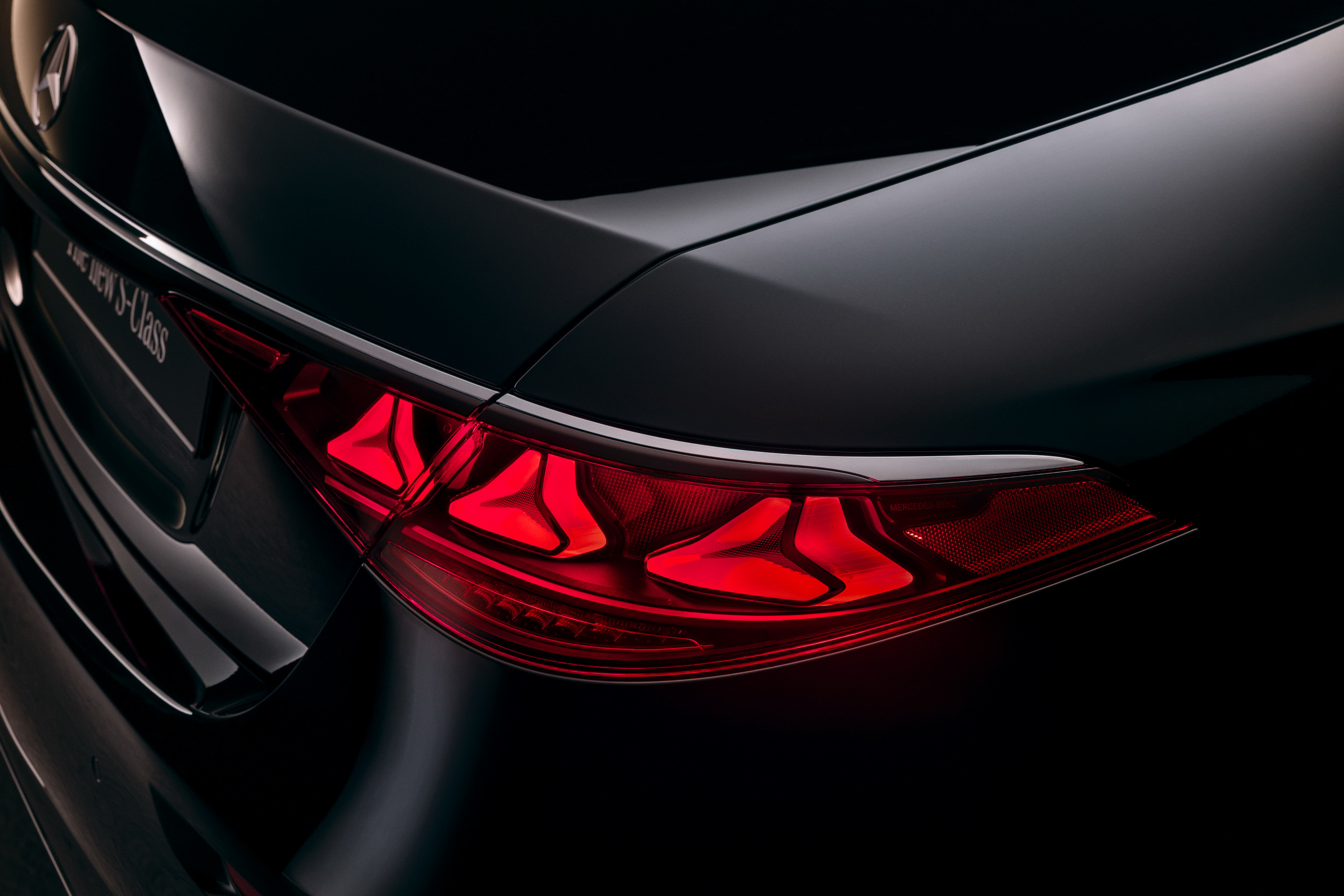
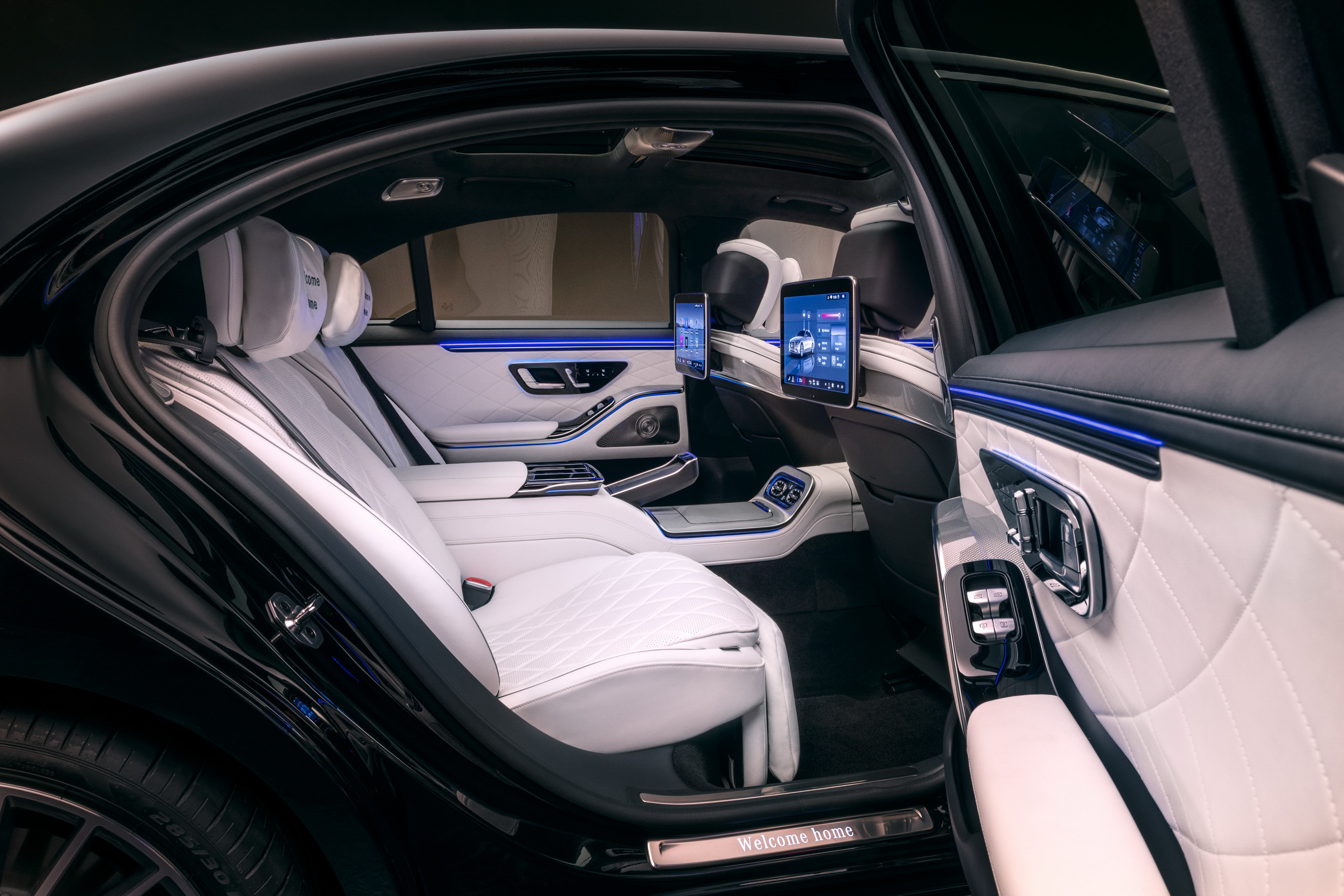
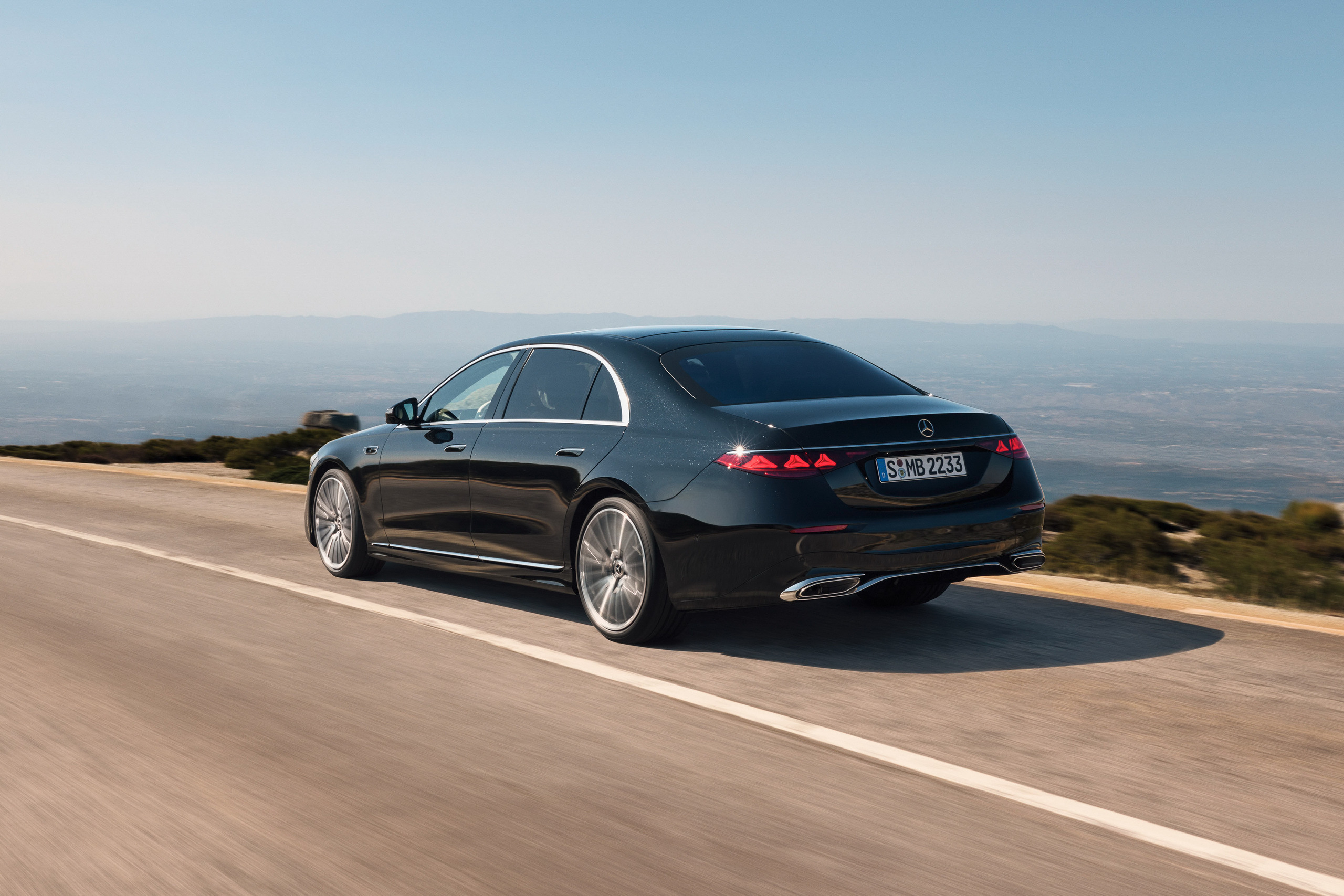
Visually the changes are clear without being shouty. The radiator grille is around 20% larger and illuminated for the first time, with an optional illuminated three-pointed star on the bonnet. New headlights and star-pattern rear lights mark the facelift out from the 2020 car. Inside, the MBUX Superscreen, the full-width glass panel that spans the central display and a front passenger screen, is now standard across the range, and it runs on the new MB.OS operating system that underpins faster updates and the next-generation voice assistant.
The MB.OS move matters more than a screen refresh because the previous system’s complexity was the single most common owner gripe. Whether it fixes the haptic steering-wheel controls that drew the loudest criticism is something we will only know once UK cars are in hands.
What the Mercedes S-Class facelift 2026 price means for a Q3 PCP
Here is where the £103,450 figure earns its keep. A PCP is built from three moving parts: the cash price, your deposit, and the guaranteed future value (GFV), also called the balloon, that Mercedes-Benz Finance sets for the end of the term. Your monthly payment covers the gap between the cash price (less deposit) and that GFV, plus interest. Push any one of those levers and the monthly figure moves.
The mechanics are worth understanding before you sit down with a dealer. Our explainer on the guaranteed future value and the balloon on a premium car walks through how the GFV is calculated, and for cars at this level the premium car finance over £100,000 guide covers the affordability and proof-of-income checks lenders apply above the six-figure line.
Why a fresh facelift can mean a stronger GFV
A newly facelifted model usually carries a stronger GFV than the run-out car it replaces, because the finance arm forecasts that a current-shape S-Class will hold its value better at three or four years old than the version everyone knows is about to be updated. A higher GFV shrinks the gap your monthly payments have to cover, which can hold the monthly figure down even on a six-figure cash price. That is the quiet benefit of buying into a facelift early rather than picking up the previous model in its final months.

The flip side is depreciation risk if you read the GFV wrong. The S-Class has historically been one of the steeper premium fallers in its first three years, a point our look at premium depreciation and which cars hold value sets in context. On a PCP that risk sits with the lender at hand-back time, which is exactly why we would steer a private buyer towards PCP rather than buying cash on a car like this.
There is a timing angle too. Q3 is when dealers work to clear quarterly targets, so a deposit contribution or a sharpened GFV is more likely to surface in July to September than at the very start of a launch. We would not rush a deposit in the opening weeks: let the early order books settle, then push for a written quote that spells out the cash price, the GFV, the term, the mileage and the representative APR side by side. If a salesperson will only talk in monthly figures, that is your cue to slow down and ask for the full breakdown in writing.
The deposit and mileage levers to pull in Q3
Two levers are worth setting deliberately before you commit. The first is the deposit: a larger deposit cuts the monthly figure, but on a strong-GFV car you may not need to throw a huge sum at it, and our guide to how much deposit to put down on premium car finance explains where the sweet spot tends to sit. Watch for a manufacturer deposit contribution in any Q3 campaign, which is effectively free money off the monthly.
The second is the annual mileage you declare. Set it too low to chase a cheaper monthly and you risk excess-mileage charges at the end, which on a premium saloon add up fast. Our breakdown of PCP mileage limits and excess charges shows how the per-mile penalty works. Declare the mileage you will actually do.
Running costs and the VED supplement to budget for
Beyond the monthly, budget for the expensive-car VED supplement. Every S-Class comfortably clears the £40,000 list-price threshold, so it attracts the additional rate of vehicle excise duty for years two to six of its life, on top of the standard rate. That is a fixed annual cost a UK buyer must factor in regardless of finance route. Insurance sits in the upper groups, and a full Mercedes-Benz service plan is worth pricing into the ownership sum rather than treating as an afterthought.
The diesel and petrol-hybrid choice also shapes your running sum. The S350d’s quoted 45.6mpg makes it the rational pick for high-mileage business users who want predictable fuel costs, while the S580e plug-in hybrid suits company-car drivers chasing a lower benefit-in-kind figure on shorter daily runs. Whichever you pick, the warranty and service position is the same three-year, unlimited-mileage Mercedes-Benz cover from new, and we would price an extended plan into any deal you intend to keep past the initial term rather than gambling on out-of-warranty electronics on a car this complex.
The facts, sourced
| Detail | 2026 S-Class facelift | Source |
|---|---|---|
| UK entry price | £103,450 (S350d L 4Matic AMG Line Premium) | Carwow S-Class pricing |
| Top of listed range | Around £237,810 for flagship Maybach derivatives | Carwow S-Class pricing |
| Core saloon ceiling | £135,675 (S580e L AMG Line Premium Plus Executive) | Autocar |
| Entry engine | 3.0-litre straight-six diesel, 313bhp, 48V mild hybrid | Autocar |
| New or re-engineered parts | More than 50%, around 2,700 components (Mercedes-Benz) | Mercedes-Benz UK |
| Generation | Facelift of W223 (launched 2020), not all-new | Autocar |
The Mercedes S-Class facelift 2026 is the sensible way into a flagship Mercedes right now, and the £103,450 starting price is the reason. Holding the entry number flat while re-engineering more than half the car gives the finance arm a strong case for a healthy guaranteed future value, and that is what keeps a six-figure saloon within reach on a monthly PCP. We would buy on PCP rather than cash, let Mercedes-Benz Finance carry the depreciation risk, and treat any Q3 deposit contribution as the lever that makes the deal. The car to walk away from is a quote with a thin GFV and a low-balled mileage allowance dressed up as a cheap monthly. Wait for a published representative APR before signing, check the expensive-car VED supplement is in your budget, and remember this is a polished W223 rather than a clean-sheet design. On those terms it is the strongest luxury-saloon proposition in Britain.
How much is the 2026 Mercedes S-Class facelift in the UK?
Is the 2026 S-Class all-new or a facelift?
How does the £103,450 cash price affect a PCP monthly payment?
Should I buy the S-Class on PCP or pay cash?
What extra running costs should UK buyers budget for?
Buyer action
Where to check next
Use this as the final check before paying a deposit, signing finance paperwork or relying on a headline monthly figure.