News · 9 Jul 2013 · Car Deal Expert Editorial Team
Originally published 2013-07-09. This article is part of the CarDealExpert historical archive — see our latest UK car-finance, insurance and used-car coverage in the menu above.
Manual vs. automatic transmission: benefits and drawbacks
It’s one of the great debates in purchasing a vehicle: manual vs. automatic. For most people in the United States, it’s not really a question – many people were never taught to drive a manual transmission. This partially accounts for the fact that 82 percent of the vehicles sold in the United States have automatic transmissions. If you are presented with the option, though, what kind of transmission should you get?
Manual transmissions
The manual transmission, otherwise known as a “stick shift” or “standard transmission,” was the first type of transmission available in vehicles. A manual transmission relies on the driver to disengage, change, and re-engage the transmission. Manual transmissions take slightly more work to operate, but they provide some benefits. Cars with manual transmissions get about 10 percent better gas mileage than their automatic counterparts. Manual transmission vehicles are usually about $700 less, and they give you more control in tough driving conditions.
Automatic transmissions
Easier to drive in stop-and-go traffic and available in most cars, an automatic transmission has definite benefits. An automatic transmission makes it much less likely you will grind or strip gears. An automatic transmission also keeps your hands and feet available while you are driving and lets you react to situations more quickly. In general, an automatic transmission is easier to find at car dealers as well. The technology for automatic transmissions is getting better, and this is the only type of transmission available in most hybrid vehicles.
Manumatic transmissions
Halfway between manual and automatic transmissions, a manumatic or semi-automatic transmission combines some of the benefits of both. Every carmaker has a different brand name for these transmissions, but in general, the operation is the same. A torque converter, rather than a driver-operated clutch, changes the gears. A manumatic allows for the driver to change the gears as they wish, though. A manumatic transmission makes the most sense for high-end performance vehicles and usually costs significantly more.
From the current CDE newsroom
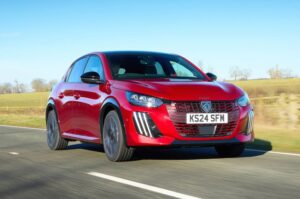 Vauxhall and Opel recall UK 2026: the affected models explainedForty-four thousand UK cars, a free 30-minute fix, and a fault that gets more dangerous in the rain — that is ...
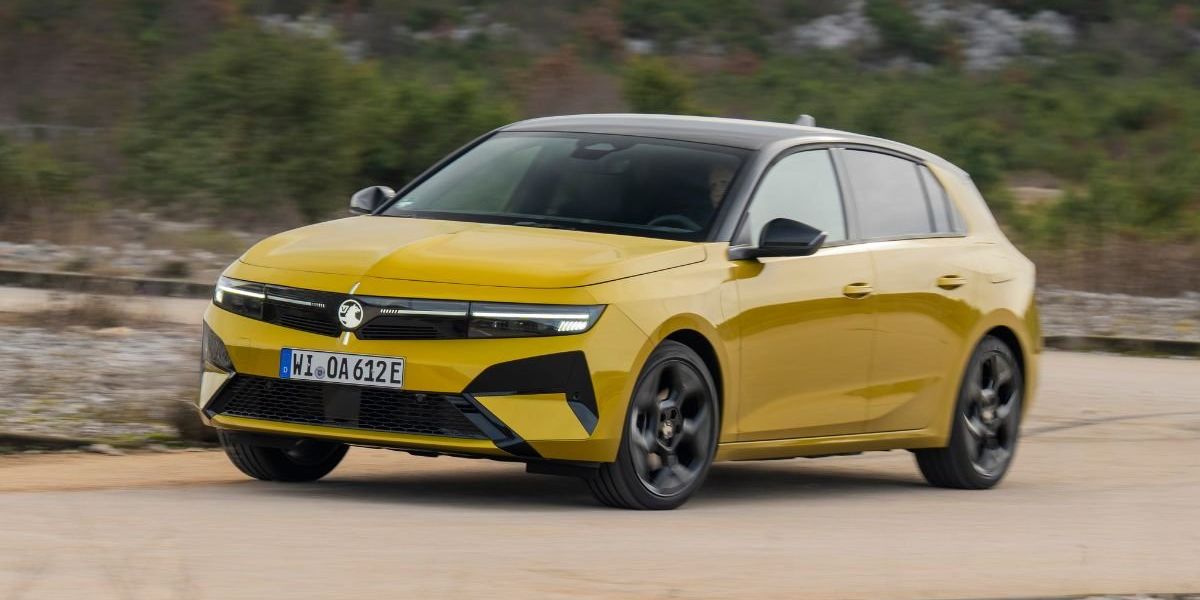 Vauxhall and Opel recall UK 2026: the affected models explainedSeven hundred thousand cars worldwide, 44,000 of them on UK driveways, all sharing the same small petrol engin...
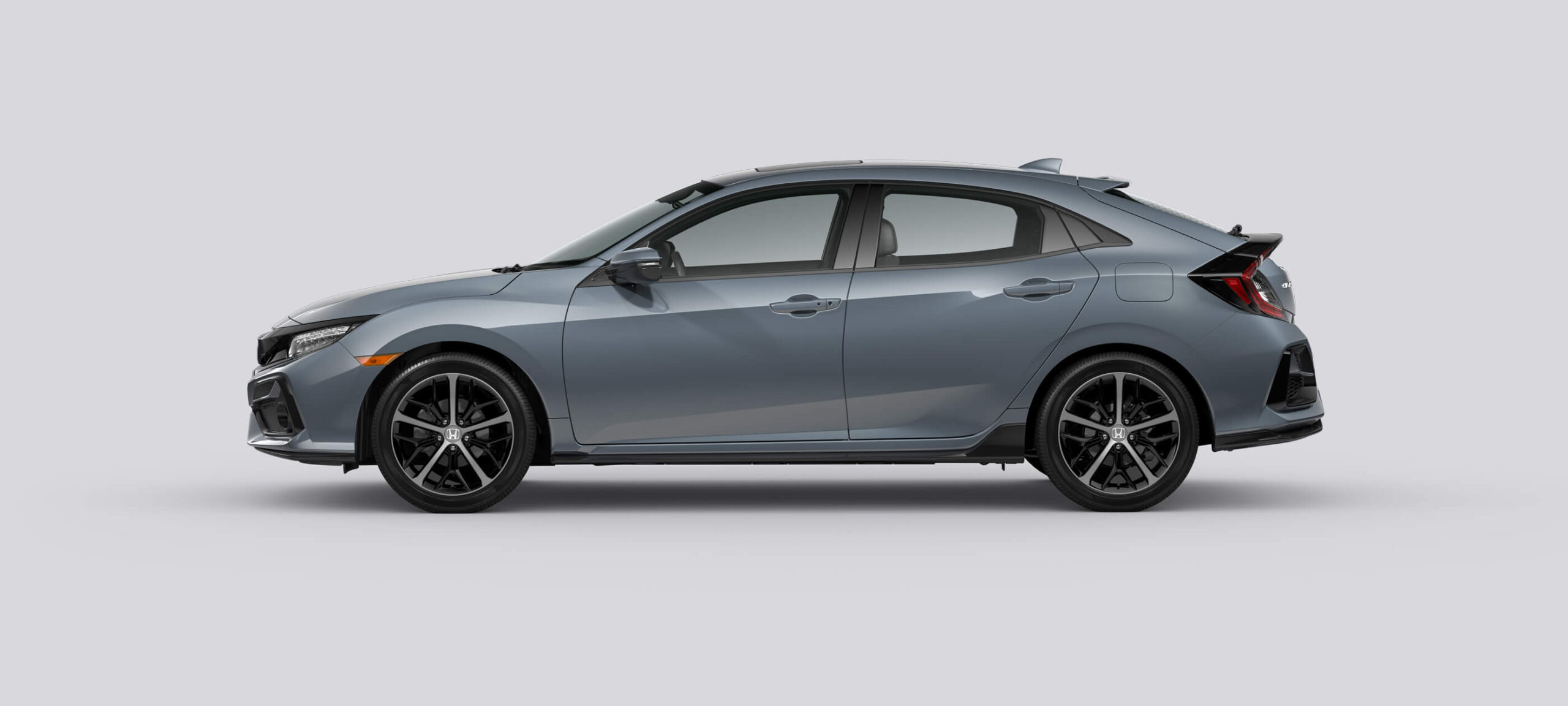 Honda Civic recall: 46,152 UK cars checked over loose wheelsHonda is recalling 46,152 UK Civic 5 Door cars from 2017 to 2021 over wheel nuts that can work loose. Here is ...
Buyer action
Where to check next
Use this as the final check before paying a deposit, signing finance paperwork or relying on a headline monthly figure.