Business contract hire vs personal lease is the decision most UK limited-company directors get wrong, and the gap is real money. Lease a premium car through the company and a VAT-registered business reclaims half the VAT on the rentals; do it personally and you reclaim nothing. The catch is benefit-in-kind: any private use makes the director a company-car taxpayer. Our verdict, on a single fixed car, is that BCH wins clearly for an electric premium car and loses to PCH the moment the car is a petrol or diesel you mainly drive for fun.
What real owners say (CDE data)
CDE reviewed director and contractor discussion on PistonHeads and r/UKPersonalFinance alongside HMRC VAT Notice 700/64, the gov.uk company-car BiK guidance and MoneyHelper’s leasing pages (June 2026), then cross-checked the VAT and BiK mechanics against the primary HMRC notices before writing a figure.
- Most-praised aspects: the 50% VAT reclaim on rentals, the corporation-tax deduction on the rental cost, and the very low EV BiK rate that makes an electric BCH feel almost free pre-tax.
- Most-criticised aspects: surprise benefit-in-kind bills when an accountant flags private use, early-termination penalties on a long contract, and confusion over what the 50% VAT block actually covers.
- Reliability signal: the recurring director complaint is not the car but the paperwork; threads repeatedly warn that a personal lease quietly carries no tax angle, so the saving people expect from putting it through the business never appears unless the structure is right.
What business contract hire and personal lease actually are
Both products are long-term hire: you pay an initial rental then fixed monthly rentals for two to four years, stick to a mileage limit, and hand the car back at the end with nothing to own. The difference is whose name the agreement sits in. Business contract hire (BCH) is taken out by the company, a VAT-registered limited company, sole trader or partnership, and the rentals are a business cost. Personal contract hire (PCH) is taken out by you as an individual, with VAT already baked into the monthly price and no way to reclaim it. If you want the mechanics of the personal route in isolation, our explainer on how personal contract hire works for a premium car walks through the deposit, mileage and excess-charge structure. The headline: BCH opens tax levers PCH simply does not have, but it drags HMRC into the deal.

VAT: the lever PCH cannot pull
This is the core of the case. Under HMRC’s VAT on motoring expenses guidance (Notice 700/64), a VAT-registered business can reclaim 50% of the VAT charged on the finance element of a car lease rental where the car has any private use, and 100% of the VAT on a separately invoiced maintenance element. The 50% block exists precisely because HMRC assumes some private use; it is not a penalty, it is the default for any car that is not pool-only. Personal contract hire gets none of this: the rental is quoted VAT-inclusive and you, the consumer, cannot recover input VAT. On a £600-a-month ex-VAT premium lease, the finance-element VAT reclaim alone is worth roughly £60 a month to the business before any other relief. That single mechanic is why business lease quotes are usually shown ex-VAT and look cheaper than the personal equivalent.
Corporation tax and the benefit-in-kind sting
BCH gives a second saving PCH cannot: the rentals are an allowable business expense, so they reduce taxable profit and cut your corporation-tax bill. For cars emitting 50g/km CO2 or less (every EV qualifies) the full rental is deductible; above 50g/km a flat 15% of the rental is disallowed. So an electric premium car put through the company is fully deductible. The sting is benefit-in-kind. The moment a director uses a company-provided car privately, even for the commute, it is a taxable benefit. You pay company-car tax calculated as P11D value times the appropriate BiK percentage times your marginal income-tax rate, and the company pays Class 1A National Insurance on the same benefit. For a petrol or diesel premium car the BiK percentage sits in the high 30s, which can wipe out the VAT and corporation-tax gains entirely. Our guide to company car tax and EV BiK rates for 2026/27 sets out how the charge is built.

The EV exception that makes a company lease almost free
Here is why the EV example matters. The appropriate BiK percentage for a zero-emission company car is just 4% for the 2026/27 tax year, per HMRC’s published company-car appropriate-percentage tables (rate read from CDE’s dated tax source, last checked 5 June 2026). It rises on a published schedule, 5% in 2027/28 and 7% in 2028/29, so it is low but not frozen. Compare that with a combustion premium car at roughly 37%. For a higher-rate director, a £70,000 EV at 4% creates a taxable benefit of £2,800, costing £1,120 a year in personal tax; the same P11D on a 37% petrol car would be a £25,900 benefit and £10,360 of tax. The EV BiK charge is so small that it barely dents the VAT and corporation-tax savings, which is exactly why business contract hire plus salary sacrifice has become the default route for company directors choosing electric. The salary-sacrifice variant is a related but distinct structure; weigh it against a cash alternative in our piece on salary sacrifice vs a car allowance.
Worked example: a BMW i5 eDrive40 on each route
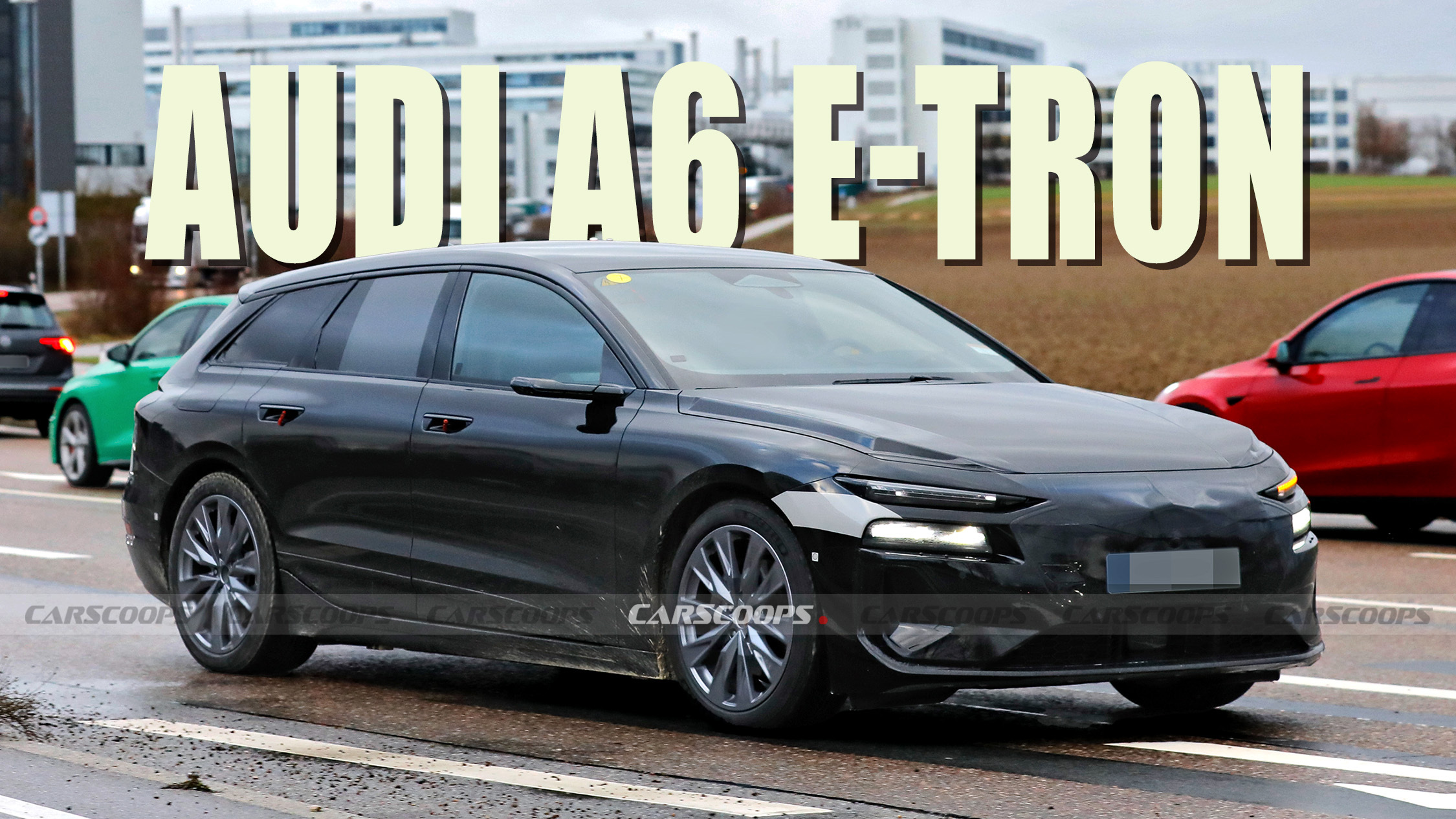
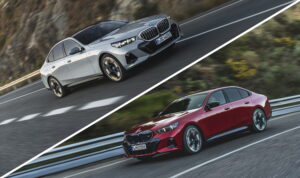
Take one fixed car: a BMW i5 eDrive40 (around £78,000 P11D for an M Sport in mid-2026, per BMW UK list pricing), on a four-year, 10,000-mile contract. We use an illustrative ex-VAT business rental of £700 a month (a typical broker level for this car at the time of writing; not a finance offer and not a quote, lease pricing changes weekly). On business contract hire, the business reclaims 50% of the finance-element VAT, worth about £70 a month, and the £700 rental is fully deductible against corporation tax, saving 25% (the main rate) or £175 a month. The higher-rate director then pays the 4% EV BiK on a £78,000 P11D, a £3,120 benefit at 40%, roughly £104 a month in personal tax. Net company-plus-personal cost lands near £559 a month. The personal lease (PCH) on the same car is quoted VAT-inclusive at about £840 a month with no reclaim, no corporation-tax relief and no BiK, a clean £840 a month from taxed personal income. That is a monthly delta of roughly £280 in BCH’s favour on this specific electric car. Swap the i5 for a petrol equivalent and the 37% BiK alone would add over £800 a month of tax, flipping the result. For a non-EV premium car, our PCH vs PCP comparison on a £70,000 Range Rover Sport shows where the personal route still makes sense.
| Factor | Business contract hire (BCH) | Personal lease (PCH) |
|---|---|---|
| VAT reclaim | 50% on finance rentals, 100% on maintenance element | None (VAT-inclusive, no recovery) |
| Tax deduction | Rentals reduce taxable profit (full for sub-50g/km EVs; 15% disallowed above 50g/km) | None |
| BiK exposure | Yes on private use: P11D x BiK% x marginal rate, plus employer Class 1A NI (4% EV rate for 2026/27) | None |
| Mileage / early exit | Often up to ~40,000 miles/yr; early-termination penalty applies | Typically up to ~30,000 miles/yr; early-termination penalty applies |
| Who it suits | VAT-registered companies and directors, strongest with an EV | Buyers with no business, who want simplicity and no BiK |
When personal lease is actually the better call
PCH wins more often than directors expect. With no VAT-registered business there is nothing to reclaim and nothing to deduct, so BCH is unavailable and PCH is the clean choice. If the car is a petrol or diesel premium you mainly drive privately, the high BiK charge usually outweighs the VAT and corporation-tax savings, and a personal lease keeps HMRC out of it. PCH also avoids the company-car admin: no P11D filing, no benefit reporting, no Class 1A NI. The deciding question is not whether you can put it through the business but whether the EV BiK rate, or genuine high business mileage, makes the tax angle pay for itself. For most petrol premium cars the honest answer is no. If you are weighing ownership against pure hire, our comparison of lease purchase vs PCP on a premium car covers the routes where you end up owning the car.
Mileage, maintenance and the early-exit trap
Both routes share the leasing risks, and they bite directors harder. Business contracts often allow higher annual mileage, up to around 40,000 miles a year against roughly 30,000 on a personal lease, which suits a director clocking real business miles. The early-termination penalty is the same brutal arithmetic on either: cancel a four-year contract at year two and you can owe a large slice of the remaining rentals. Add a maintenance package as a separately invoiced element and a VAT-registered business reclaims 100% of the VAT on that part, a small but genuine BCH-only edge. Watch the personal-use trap: HMRC treats availability for private use, not actual use, as the test, so a car that doubles as the family runabout cannot be passed off as pool-only to dodge BiK. Sourcing matters too; a broker often beats the captive finance arm, as our look at manufacturer vs broker car finance sets out. For a wider view, the car finance section collects our premium-car funding guides.
Our take: Business contract hire vs personal lease
Our view on business contract hire vs personal lease is that the car’s fuel type decides it more than the structure does. For an electric premium car like the i5 in our worked example, BCH is the clear winner: the 50% VAT reclaim, the full corporation-tax deduction and a 4% EV BiK that costs the director under £100 a month combine into a net cost well below the personal lease. We would take the company route every time on an EV, provided the early-exit terms are clean and the contract length matches how long you will realistically keep the car. For a petrol or diesel premium car, or for anyone without a VAT-registered business, PCH is the right answer: the high combustion BiK charge eats the savings, and the personal lease keeps the deal simple with no company-car admin. The strongest deal is boring paperwork on an EV; the worst is a thirsty petrol put through the business that quietly costs more once the BiK bill lands. This is general guidance, not regulated financial advice; confirm your figures with an accountant.
Is business contract hire cheaper than a personal lease?
How much VAT can a business reclaim on a car lease?
Do I pay benefit-in-kind on a business contract hire car?
Can a limited company director lease any car through the business?
When is a personal lease better than business contract hire?
Buyer action
Where to check next
Use this as the final check before paying a deposit, signing finance paperwork or relying on a headline monthly figure.