The Mini Countryman C looks like sensible money at £29,345 on the road, but the real cost lives in the PCP small print. We have run the live Mini Select representative example, weighed it against paying cash, and checked what happens when the optioning trap pushes you past £35,000. The twist: the electric Countryman E can end up cheaper to finance, and we show exactly why.
What real owners say (CDE data)
We read across published UK road tests and owner feedback for the current U25 Countryman before pricing it up, drawing on Auto Express, What Car? and Carwow verdicts plus the official Mini UK specification and finance pages, checked 10 June 2026. We do not assign owner percentages we cannot source, so the points below are qualitative themes from named outlets, not invented survey figures.
- Most-praised: the interior and the circular OLED screen, ride comfort on the C’s smaller wheels, and a genuinely usable 460-litre boot for a car this size (What Car?, Carwow).
- Most-criticised: a dual-clutch gearbox that hesitates at parking speeds, firm low-speed ride on the bigger optional wheels, and options that inflate the price fast (Auto Express).
- Running-cost signal: Mini quotes up to 47.9mpg and 134g/km CO2 for the 168bhp petrol C, so it sits in a sensible VED and fuel bracket but well short of the electric E on company-car tax (Mini UK specifications, 10 June 2026).
What this petrol Mini actually is in 2026
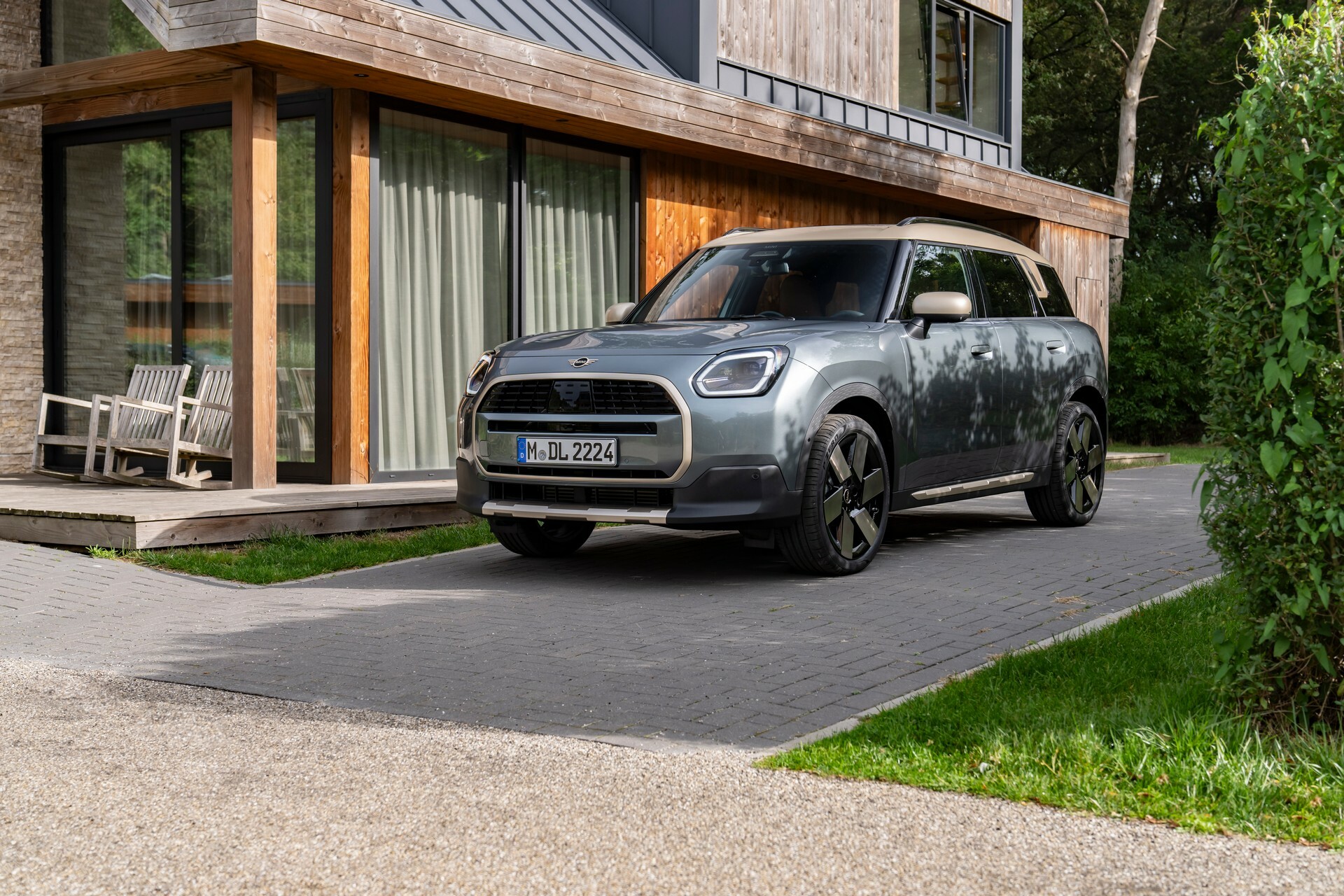
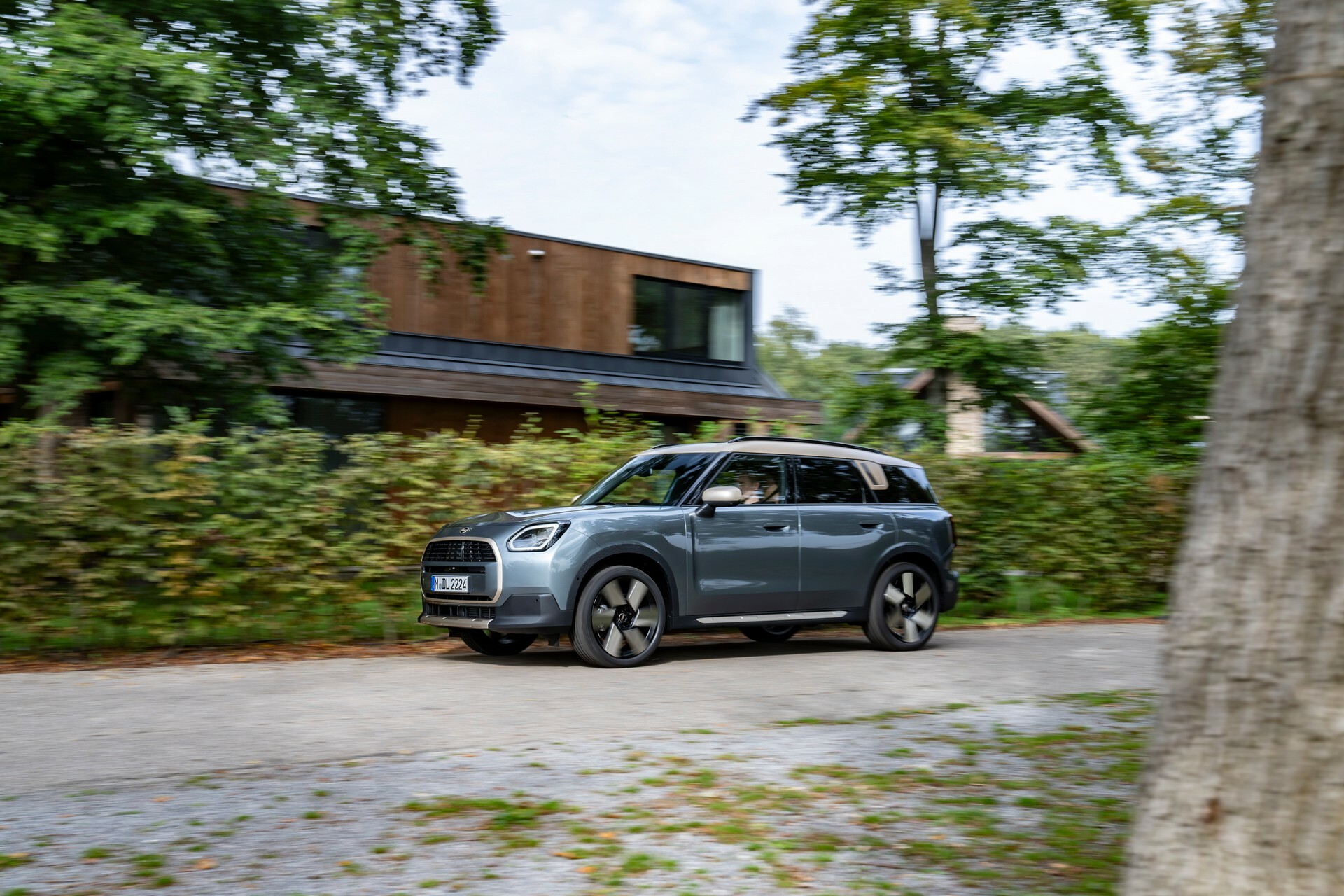
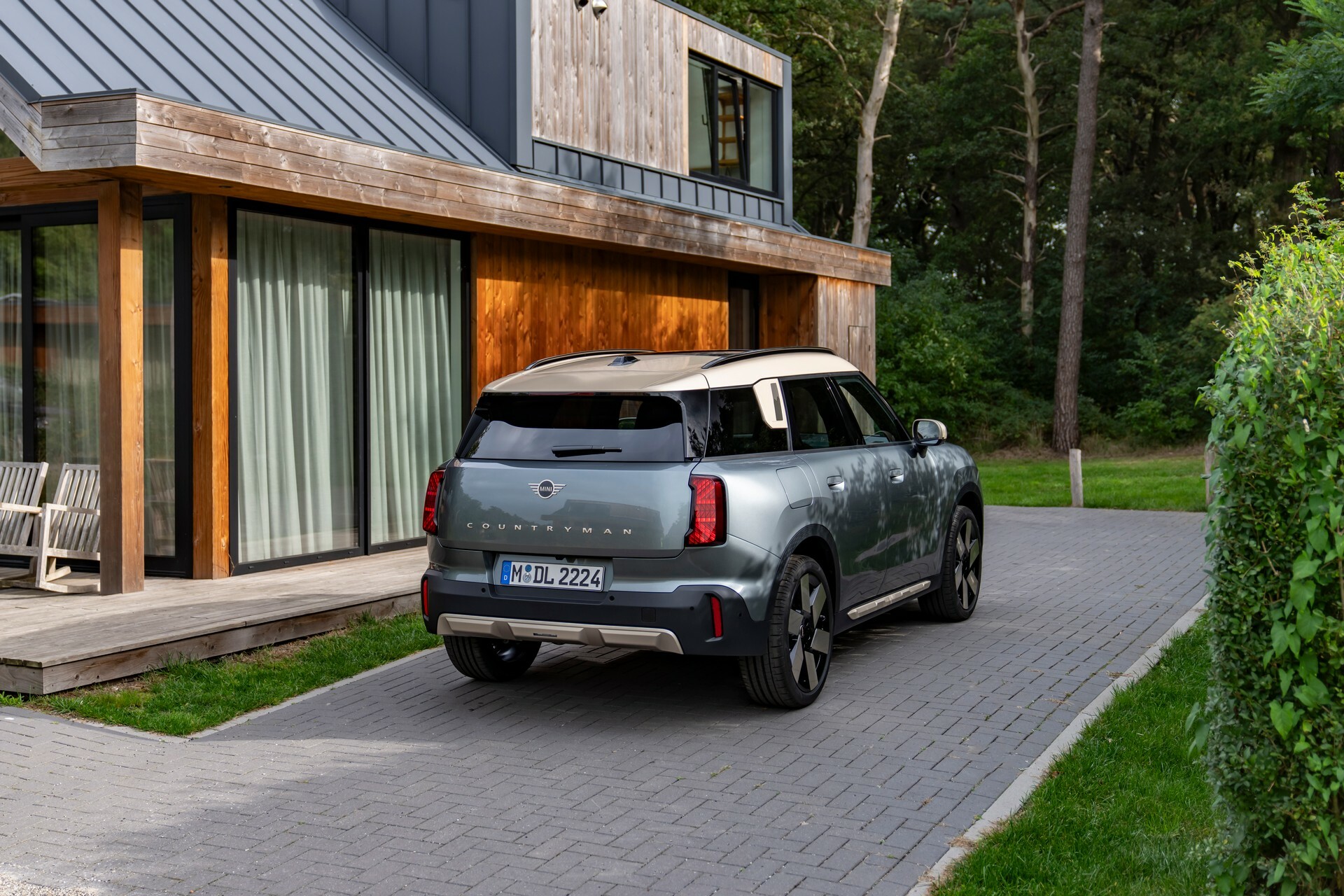
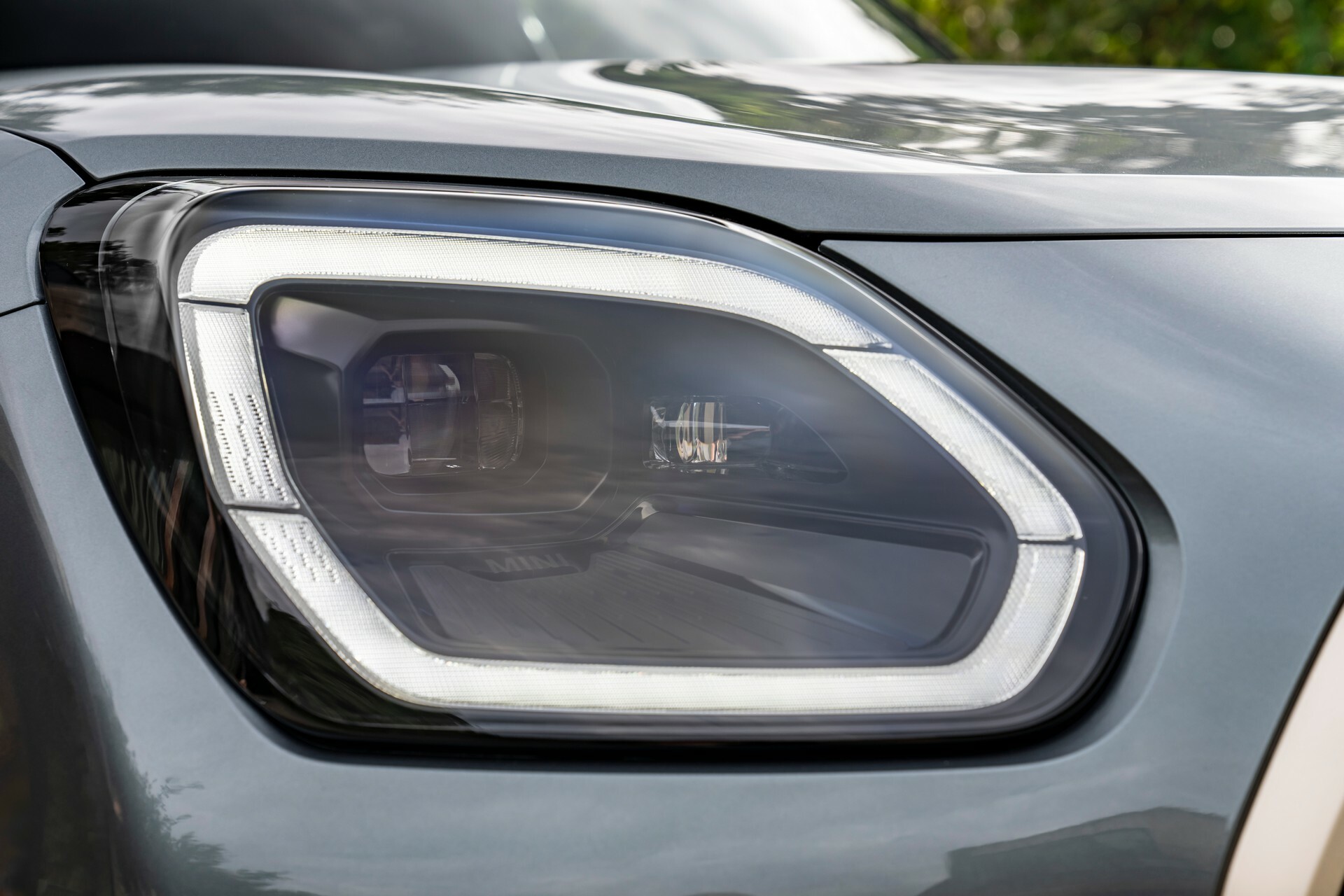
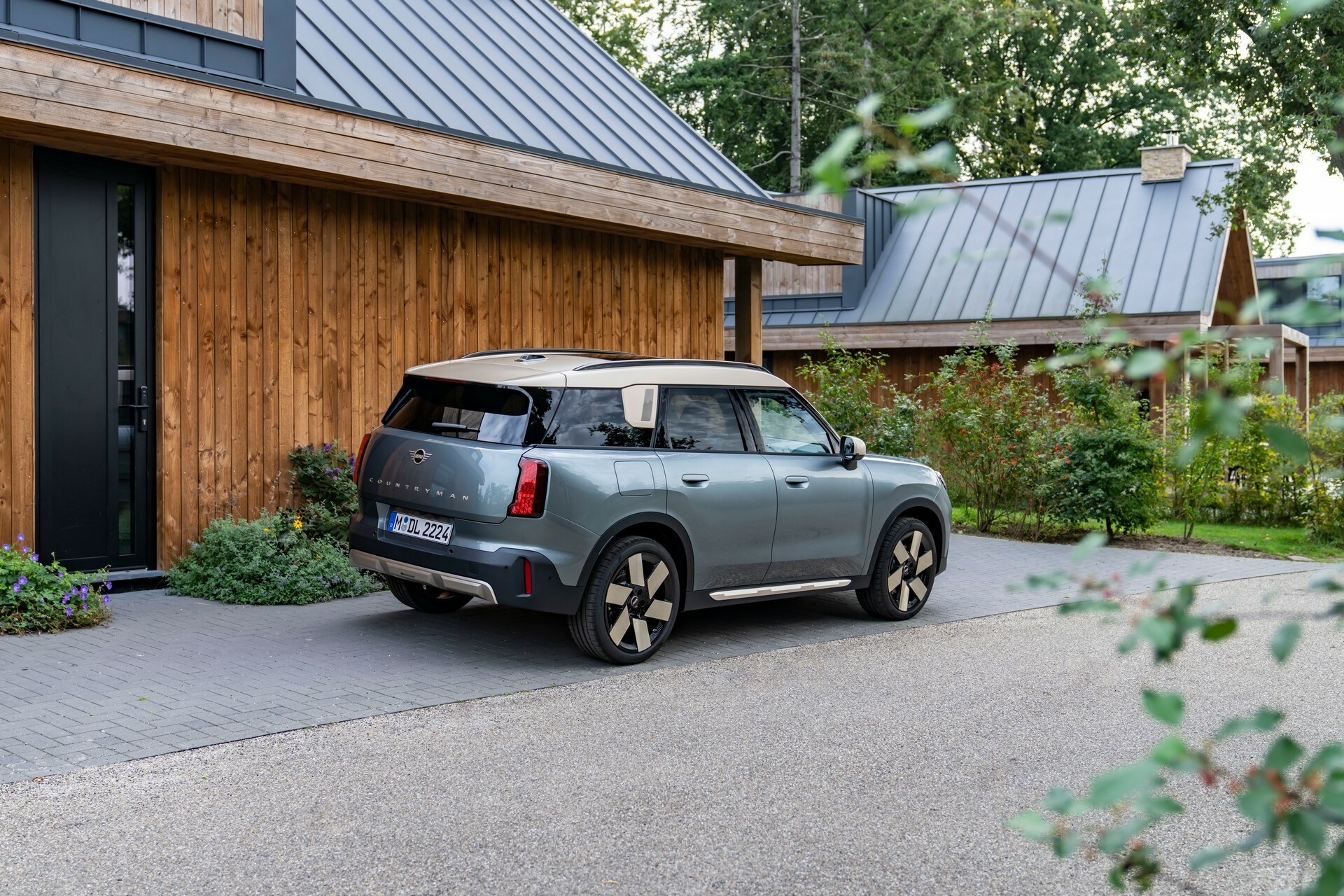
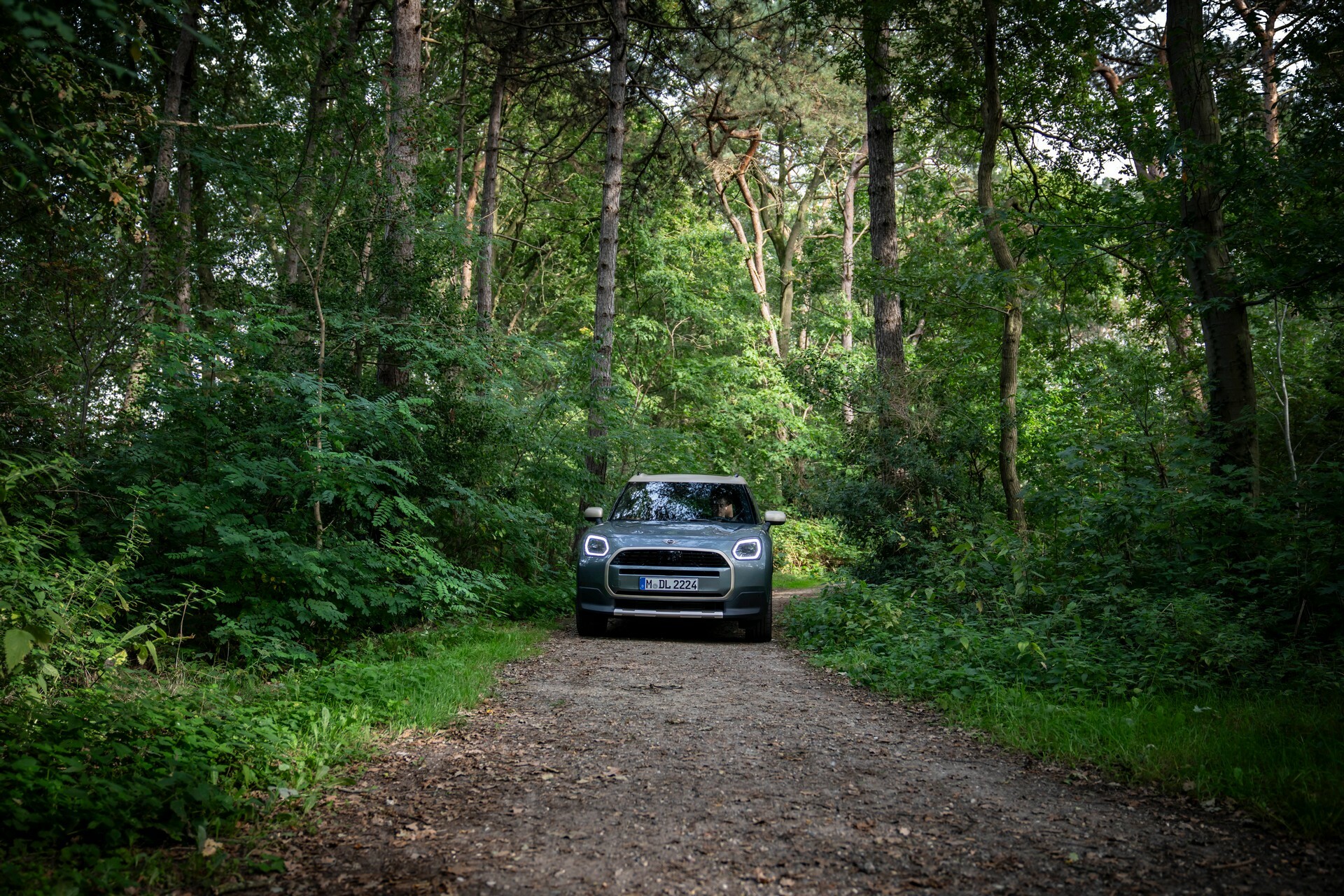
First, the housekeeping: this is not a new launch. The current Countryman has been on sale since 2024, and the petrol C is the entry point to the range. Under the bonnet sits BMW Group’s 1.5-litre three-cylinder turbo petrol with mild-hybrid assistance, making 168bhp, driving the front wheels through a seven-speed dual-clutch automatic. Mini quotes 0-62mph in 8.3 seconds, up to 47.9mpg and 134g/km of CO2. It is the slowest Countryman, but for most buyers it is also the one that makes the most sense, because the bigger engines mostly add cost rather than usable pace.
Pricing starts at £29,345 on the road for the Classic trim, climbing through Exclusive and Sport, with the all-paw S and the John Cooper Works sitting above. Mini UK confirms that entry figure on its specification pages (checked 10 June 2026). The number matters because everything in the finance maths below flows from it, and because a few tempting options can move you from a £29k car to a £35k one without you ever feeling like you splurged.
The Mini Countryman C PCP maths, in full
Here is the live Mini Select (PCP) representative example for the Countryman C Classic, taken from Mini UK’s finance offer, last checked 10 June 2026. We are quoting it in full because finance advertising rules exist for a reason, and because the headline monthly figure means little without the rest.
| PCP term | Mini Countryman C Classic |
|---|---|
| On-the-road cash price | £29,345.00 |
| Customer deposit | £3,000.00 |
| 47 monthly payments | £345.00 |
| Optional final payment (GMFV) | £14,911.46 |
| Total amount of credit | £26,345.00 |
| Total amount payable | £34,126.46 |
| Fixed rate of interest / Representative APR | 5.9% / 5.9% APR |
| Term and mileage | 48 months, 32,000 miles (10.31p per excess mile) |
Strip out the jargon and the story is simple. You pay £3,000 up front, £345 a month for just under four years, and then face a decision: hand the car back, or pay the £14,911 balloon to keep it. The total amount payable is £34,126, which is £4,781 more than the cash price. That £4,781 is the true cost of borrowing on this deal, and it is the figure dealers rarely lead with. If you want to understand why that balloon number is the hinge of any PCP, our explainer on guaranteed future value and the balloon payment is the companion read.
PCP versus paying cash: what £4,781 buys you
If you have £29,345 sitting in a savings account, paying cash avoids that £4,781 finance charge outright. But few people do, and the comparison is rarely that clean. The honest way to weigh it is opportunity cost: at a typical 2026 easy-access savings rate, £29,345 left in the bank for four years earns nothing like £4,781 after tax, so for most buyers the cash route is genuinely cheaper over the term. The case for PCP is not that it costs less; it is that it protects you from depreciation risk by fixing the guaranteed future value, and it keeps your capital liquid.
There is a middle path many overlook. A larger deposit cuts the monthly figure and the total interest, but it also exposes more of your own money to the depreciation you were trying to hedge. We walk through that trade-off in our piece on 0% APR versus deposit contributions, and it is worth reading before you hand over a penny more than the advertised minimum. The 5.9% on this Mini deal is not a low rate by 2026 standards, so overpaying the deposit to shrink the borrowing has more logic here than on a 0% offer.
The optioning trap: how a £29k Mini becomes a £35k Mini
This is where buyers lose money quietly. The Classic is the £29,345 car, but the configurator nudges you up trims and onto Level 2 and Level 3 equipment packs, larger alloys, premium paint and a panoramic roof. Move to a well-specified Exclusive or Sport and add a couple of packs and you are comfortably into the mid-£30,000s. Auto Express pegs a generously optioned Countryman around £35,000, and the JCW sits north of £41,000.
The finance sting is that every option is borrowed money at 5.9%, and most of it is gone the moment you drive away. The bigger wheels that look great in the brochure are also the ones owners say firm up the ride and dent the real-world economy. Our advice is blunt: option for what you will use daily, heated seats and adaptive cruise earn their keep, and treat the showy extras as depreciation you are paying interest on. A £6,000 jump in list price is not £6,000 on the deal, it is closer to £7,000 once the interest is counted.
Countryman C versus Countryman E: where the grant flips the answer
Now the part that surprises people. The electric Countryman E Classic lists higher than the petrol on paper, but the government’s £3,750 Electric Car Grant brings its on-the-road price to £33,005, and Mini funds it at a lower 4.9% APR. Here is the live Mini Select example for the E Classic, last checked 10 June 2026.
| PCP term | Mini Countryman E Classic (after Electric Car Grant) |
|---|---|
| On-the-road cash price | £33,005.00 |
| Customer deposit | £3,400.22 |
| 47 monthly payments | £335.00 |
| Optional final payment (GMFV) | £13,955.94 |
| Total amount of credit | £25,854.78 |
| Total amount payable | £33,101.16 |
| Fixed rate of interest / Representative APR | 4.9% / 4.9% APR |
| Electric Car Grant included | £3,750 (Band 1 grant, eligible cars up to £37,000 RRP) |
Read those two tables side by side. The E costs £10 a month less than the petrol C, and its total amount payable is £33,101 against the C’s £34,126, roughly £1,000 cheaper over the term, despite a higher list price. The grant plus the lower APR do the heavy lifting. The catch is range and your charging access against the simplicity of a petrol tank, but on pure finance the electric Mini is the value pick here, not the petrol. The grant only applies to eligible electric cars up to £37,000 RRP, so it is the Countryman E, not the petrol C, that benefits.
For company-car drivers the gap is a chasm. A petrol C at 134g/km lands in a high benefit-in-kind band, while a zero-emission Countryman E sits at the 4% EV rate for 2026/27, as set out in HMRC’s company-car tables and our guide to company car tax for 2026/27 EVs. If you can take an EV through salary sacrifice before BiK rises, the petrol Countryman stops making sense for higher-rate taxpayers almost entirely.
The mileage cap and the PCP traps to watch
The Countryman C example is built on 32,000 miles over four years, which is 8,000 a year. That is tight for a family car, and going over it costs 10.31p per excess mile, so 4,000 extra miles a year would add roughly £1,650 across the term. Set the mileage honestly at the outset rather than paying the penalty later; our breakdown of PCP mileage limits and excess charges shows how quickly that bill builds. The other trap is the end-of-contract condition report, where anything beyond fair wear and tear is chargeable.
One more piece of context on the rate. The 5.9% representative APR is exactly that, representative; your actual rate depends on your credit profile, and the advertised figure is the one at least 51% of accepted customers receive. We explain that gap in our guide to representative APR versus your real car finance rate. If a hire purchase quote on the same car beats the PCP once you account for the balloon, that is worth knowing too, which is why our PCP versus HP comparison exists.
Before you sign: the checks worth doing
A few minutes of homework beats a four-year regret. Run these before you commit to a Mini Countryman C deal:
- Confirm the live representative example and order deadline on the official Mini UK Countryman offers page; terms change quarterly.
- Check Electric Car Grant eligibility for the E in the official gov.uk grant guidance before assuming the £3,750 applies to your chosen spec.
- Read the BiK position in HMRC’s company-car appropriate-percentage tables if this is a company or sal-sac car.
- Price up the optional final payment against the car’s likely used value near the end of the term, so you know whether keeping or handing back makes sense.
- Set your real annual mileage and add the excess-mile cost into your sums, not just the monthly figure.
- Compare a hire purchase quote on the identical car and spec, then pick the lower total amount payable.
Our take on the petrol Mini finance choice
The Mini Countryman C is an easy car to like and a tougher one to finance well. At £29,345 the Classic is fair value, but the 5.9% PCP adds £4,781 to the bill and the options list is a quiet money pit. Our view: if you are paying privately and can charge at home, the electric Countryman E is the smarter buy on this comparison, cheaper to finance, far kinder on company-car tax, and only modestly dearer to live with. Stick with the petrol C only if charging is genuinely impractical or your mileage is high and long-distance. Whichever you choose, buy the Classic or a lightly optioned Exclusive, set the mileage honestly, and treat the balloon as the real decision point. Walk away if a salesperson pushes packs you will not use; that is borrowed money depreciating at 5.9%.
Our score: 7.5/10
This article is general guidance, not personalised financial advice. Figures are representative examples for illustration, last checked 10 June 2026, and your actual rate, payments and eligibility depend on your circumstances and a lender’s assessment. CDE has not driven this individual vehicle. Confirm all terms with Mini UK and an FCA-authorised lender before you commit.
How much is the Mini Countryman C on PCP in 2026?
Is the petrol Countryman C or the electric E cheaper to finance?
Does the Mini Countryman C qualify for the Electric Car Grant?
What does a fully optioned Mini Countryman C cost?
Is the Mini Countryman C a good company car?
Buyer action
Where to check next
Use this as the final check before paying a deposit, signing finance paperwork or relying on a headline monthly figure.