From 1 April 2026 the Government’s chargepoint grant jumped from £350 to £500 a socket — and yet, for most homeowners reading this, that headline number is a red herring. The Department for Transport’s grant boost, announced this spring, is aimed squarely at renters, flat owners, landlords and businesses. If you own a house with a driveway, you are almost certainly not eligible — and you still have one of the strongest financial cases for a home charger in the country. Let me explain why I’d fit one anyway, exactly what the maths looks like in mid-2026, and the two things most people forget to do before the installer turns up.
What a home charger actually costs to install in 2026 (home EV charger)
The number to anchor on is £800 to £1,200. That’s the going rate for a standard 7kW wallbox, fully fitted by a certified installer, according to Heatable’s 2026 cost guide. For that money you get the unit on the wall, the cabling run, and the certification signed off — not a kit dumped in a box for you to wrestle onto the brickwork.
Where it climbs is the bits no quote ever shows you upfront. A long cable run from the consumer unit to the far side of the house, a fuse board that needs upgrading to take the load, a buried trench across a driveway — any of those pushes you into the £1,200 to £1,500-plus bracket. Energy Plus flags the same range, and in my view the consumer-unit upgrade is the one most people don’t budget for. If your fuse board is more than a decade old, assume you’ll be paying toward the top of that range and you won’t be disappointed. My advice: get the installer to quote the board upgrade as a separate line before you commit, so a £1,500 surprise can’t ambush you on the day.
So before any grant, a realistic envelope is £800 at the easy end and £1,500 if your house fights you on it.
The £500 grant — and why it probably isn’t yours
This is the part the headlines blur. The new grant covers 75% of the cost up to £500 per socket, replacing the old £350 cap, and it took effect on 1 April 2026. But read the eligibility on GOV.UK’s own guidance: it’s for renters, people in flats, landlords kitting out their properties, and businesses. The classic owner-occupier with off-street parking — the person who historically had the easiest install — was written out of these schemes years ago and stays out now.
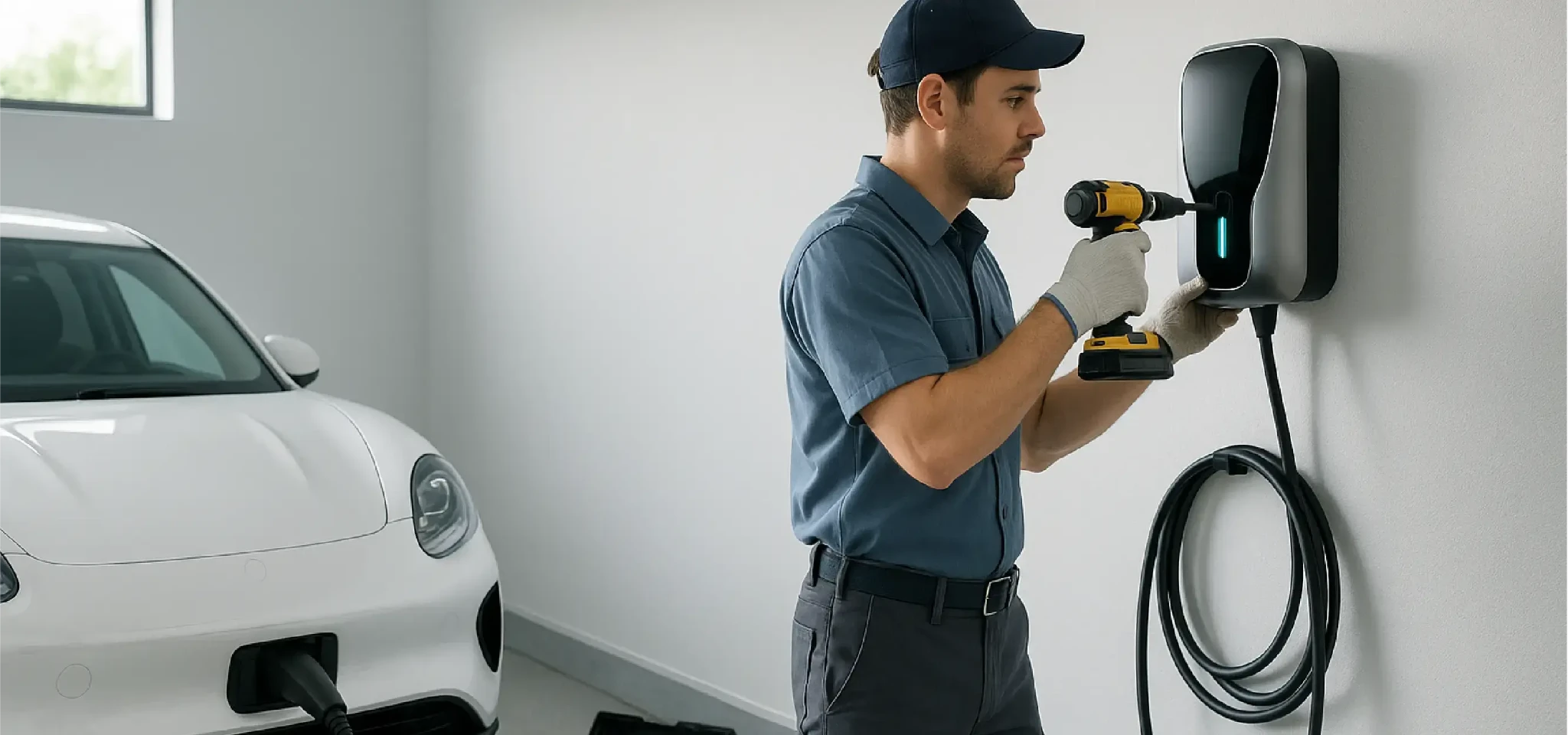
If you rent or live in a flat, the new £500 grant turns a £1,000 job into a £300–£500 one. If you own a house with a driveway, you pay the full whack — and the case still stacks up.
For those who do qualify, the difference is real. Apply the grant to an £800–£1,500 install and your net cost lands somewhere between £300 and £1,000, on Energy Plus’s figures. That is a meaningful shove for the exact groups — flat dwellers, tenants — who were previously locked out of cheap home charging entirely. I think it’s the most genuinely useful change in this space for a couple of years, even if it does nothing for the suburban semi.
If you rent, the real obstacle isn’t money — it’s permission
Here’s the bit the grant pages skate over: a tenant can only claim it with the landlord’s sign-off, and a flat owner usually needs the freeholder or managing agent to agree to a charge point on shared parking. That consent is the thing to chase, not the price. So don’t open with a vague ask. The letter I’d send names the scheme, the date and the cost to them, which is nil: “I’d like to install a 7kW EV charge point at my own expense under the EV chargepoint grant that took effect on 1 April 2026 (covering up to £500 of the cost). It is a fixed, professionally certified installation that adds an in-demand feature to the property at no cost to you, and I’m happy to make good on removal at end of tenancy.” A managing agent who sees a tidy, costed, no-liability proposal in writing is far harder to stall than one fielding a phone call. Put the deadline pressure on them, politely, and keep it on paper.
The number that actually pays for the charger: your tariff
Here’s where the hardware cost stops mattering and the running cost takes over. Between April and June 2026 the standard electricity price cap sits at roughly 24.67p/kWh, the figure Ofgem set for that period. Charge a typical 60kWh battery from near-empty on that rate and you’re paying about £14.80 a fill.
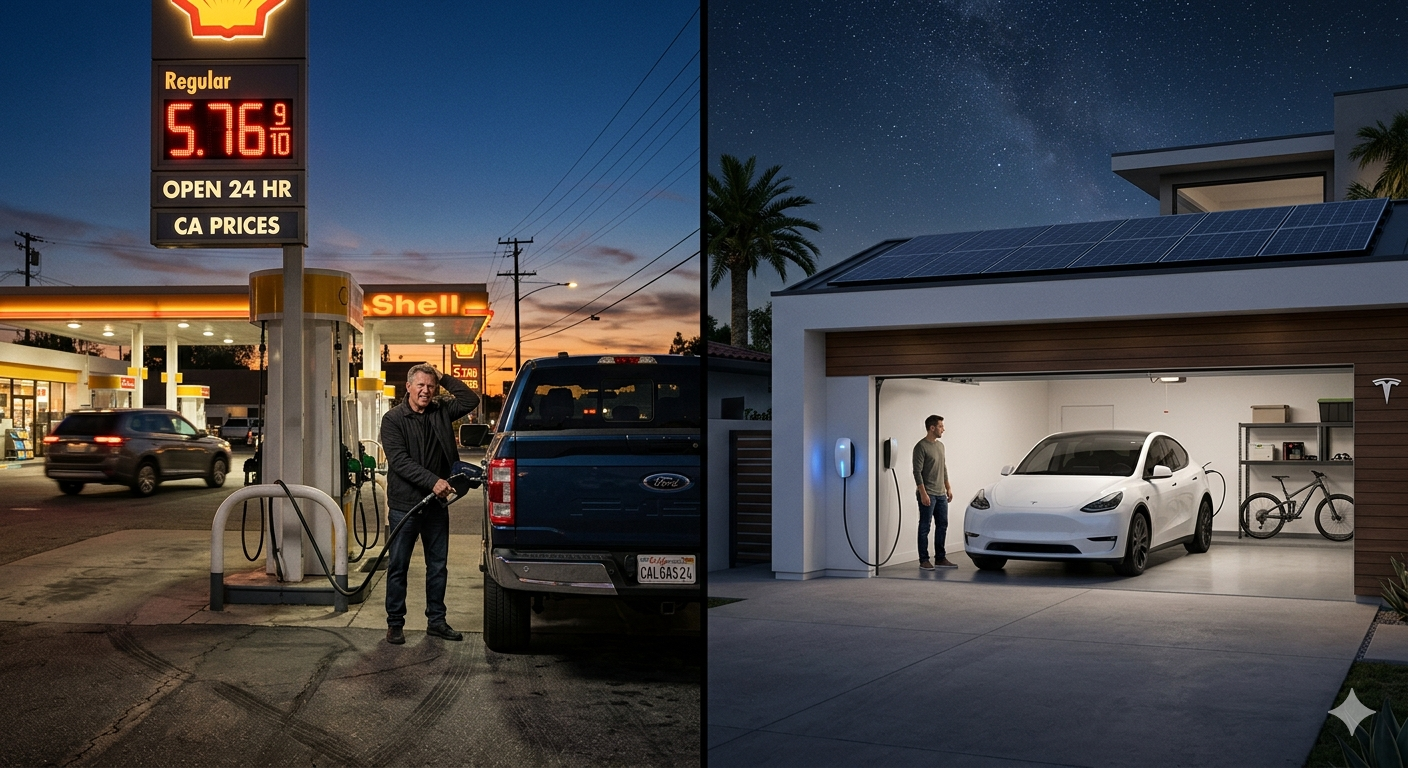
Now switch to a dedicated time-of-use EV tariff. The cheapest off-peak windows in June 2026 — E.ON Next Drive and Intelligent Octopus Go — are landing at 6.7p to 7p/kWh. The same 60kWh charge on a 7p rate costs around £4.20 to £5. That is not a rounding error. That is roughly a third of the price for the identical electrons, simply for telling your car to charge between, say, midnight and five in the morning.
| Charging 60kWh from near-empty | Standard rate (cap, Apr–Jun 2026) | Off-peak EV tariff (June 2026) |
|---|---|---|
| Rate per kWh | ~24.67p | ~7p |
| Cost per full charge | ~£14.80 | ~£4.20–£5 |
| Saving per charge | — | ~£10 |
| At two charges a week | ~£1,540 a year | ~£470–£520 a year |
This is the whole game. A home charger isn’t really a convenience purchase — it’s the key that unlocks the off-peak tariff, and the off-peak tariff is where the savings live. Most of these EV tariffs also need a recognised smart charger or a compatible car to schedule the off-peak window automatically, which is the practical reason the wallbox and the cheap rate go together: without it you can’t reliably guarantee the car is drawing power only inside that midnight-to-five band, and one daytime top-up at the full cap rate undoes a fortnight of careful overnight charging.
So how fast does it pay back?
On the numbers above, the payback lands at 12 to 18 months versus charging at the standard cap rate — and here is the arithmetic, not a borrowed headline. Take the gap between a £14.80 standard-rate fill and a roughly £5 off-peak one — call it £10 saved per full charge. A driver doing a couple of fills a week claws back the better part of £1,000 a year. Lean on the public network instead and the gap is wider again: rapid chargers are priced well above the domestic cap rate, so the home wallbox looks even better the more miles you do away from a driveway.
Set that against a £800–£1,200 install for a homeowner, or a £300–£1,000 net cost for an eligible renter, and the hardware clears its own cost inside a year and a half — often sooner if you’re a high-mileage driver currently leaning on public chargers. After that, the savings are just savings.
One thing to do the week it’s fitted: tell your insurer
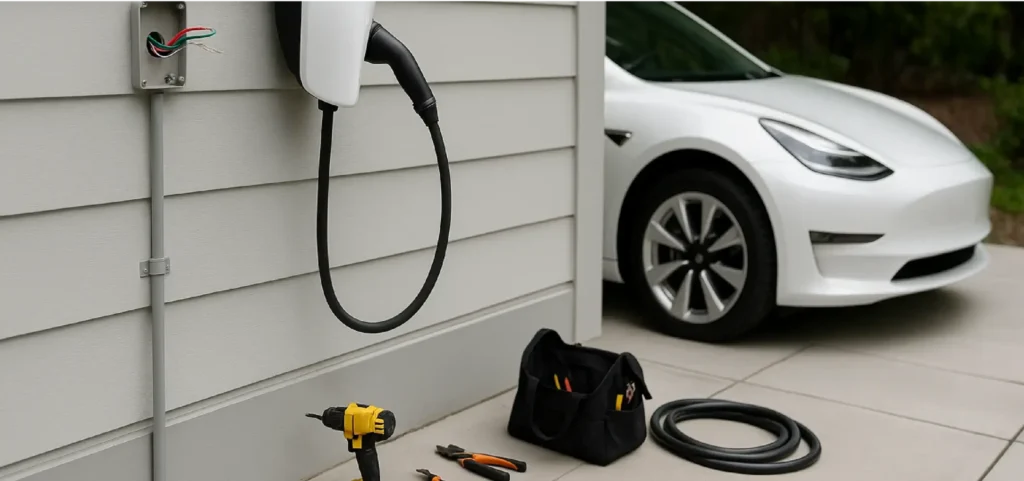
This is the running-cost trap nobody mentions, and it’s the one I’d flag hardest. A wallbox is a fixed electrical installation bolted to your home, and most home insurance policies expect to be told about that kind of permanent alteration. It’s rarely expensive — a charge point usually has little or no effect on a premium — but failing to disclose a material change to the property is exactly the sort of thing an insurer can lean on to reduce or reject a claim later, whether the loss involves the charger or not. So when the installer hands over the certification, do two things the same week: keep the installation certificate somewhere you can find it, and drop your home insurer a line confirming a certified 7kW charge point has been fitted. Two minutes on the phone protects the other £200,000 of cover on the building.
Where I land on it
If you rent or live in a flat, I’d be moving on this now. The £500 grant is the most help this group has ever had, it lands the net cost in the low hundreds, and the off-peak tariff does the rest. Get the permission letter in front of the landlord or managing agent first — that consent, not the cash, is the thing standing between you and cheap overnight charging.
If you own your home with somewhere to park, don’t wait for a grant that isn’t coming. Pay the £800–£1,200, get on a 7p overnight tariff, and let the sub-£5 fills retire the cost inside eighteen months. The one thing that would give me pause is an ageing consumer unit — get that quoted honestly before you sign, because a £1,500 surprise changes the timeline. But on the running-cost arithmetic alone, a home charger in 2026 isn’t an indulgence. It’s the cheapest energy decision most EV owners will make all year, and the only people I’d tell to hold off are those who can’t yet park where they charge.
Buyer action
EV and salary-sacrifice checks
Use this as the final check before paying a deposit, signing finance paperwork or relying on a headline monthly figure.