
News · 13 Jun 2026 · Michael Harrison
If you rely on a Motability WAV, the question keeping you up at night is simple: does the 1 July 2026 VAT change make my wheelchair vehicle more expensive? The reassuring headline is no, qualifying wheelchair accessible vehicles keep their VAT concession when most other Motability leases do not. But the full answer is not “WAVs are exempt from everything”, because a mileage cut and higher excess charges do land on new WAV orders too. Here is the straight version: what is protected, what changes, and which WAVs to look at.
What changes and what does not on 1 July
CDE read the Motability Scheme changes pages and the government’s tax-relief reform note on 13 June 2026. For WAV customers the picture is genuinely better than for standard cars, but it is not unchanged.
- Protected: qualifying WAVs and significantly adapted vehicles keep their VAT and IPT concession when most new leases start attracting VAT from 1 July 2026.
- New step: WAV customers complete a short eligibility declaration to confirm their exempt status.
- Still affected: the new mileage allowance of 50,000 miles over a five-year lease applies, and excess mileage rises to 25p a mile including VAT.
Are Motability WAVs exempt from the VAT change?
On the central question, yes. From 1 July 2026 the standard rate of VAT, plus Insurance Premium Tax on the insurance element, applies to most new Motability leases, which raises delivery costs for ordinary cars on the scheme. Wheelchair accessible vehicles for qualifying customers, meaning wheelchair users or those needing stretcher transport with appropriate adaptations, keep their VAT concession under HMRC’s criteria. So a new WAV does not pick up the VAT uplift that a standard car does. That is the genuinely good news, and it reflects the policy intent to protect the most heavily adapted, highest-need vehicles.
It helps to see the WAV position against the standard-car changes, which we cover in our explainer on the July 2026 Motability VAT change and the Advance Payment impact. For standard cars the message is order before 30 June; for WAVs the VAT urgency is far lower, which changes the calculation entirely.

The new eligibility declaration
From July 2026, WAV customers complete a short eligibility declaration to confirm they qualify for the retained VAT concession. It is important not to misread this as a threat: it is a confirmation step, not a test you might fail if you are a genuine wheelchair user or need a significantly adapted vehicle. The declaration exists so the scheme can apply the concession correctly to the people it is meant for, and to keep the tax treatment clean now that standard leases are taxed differently. If you are a qualifying WAV customer, expect a simple form, not a hurdle.
Andrew Miller, CEO of Motability Operations, framed the wider package this way in the scheme’s own briefing: “We’ve worked incredibly hard to make sure that we will still offer you a great lease package. It’s not just about fixing the here and now, it’s about fixing and maintaining us for many many years to come.” The official detail sits on the government’s own Motability tax-relief reform note, which is the primary source worth reading if you want the full legal position.
The mileage cut that does affect WAV users
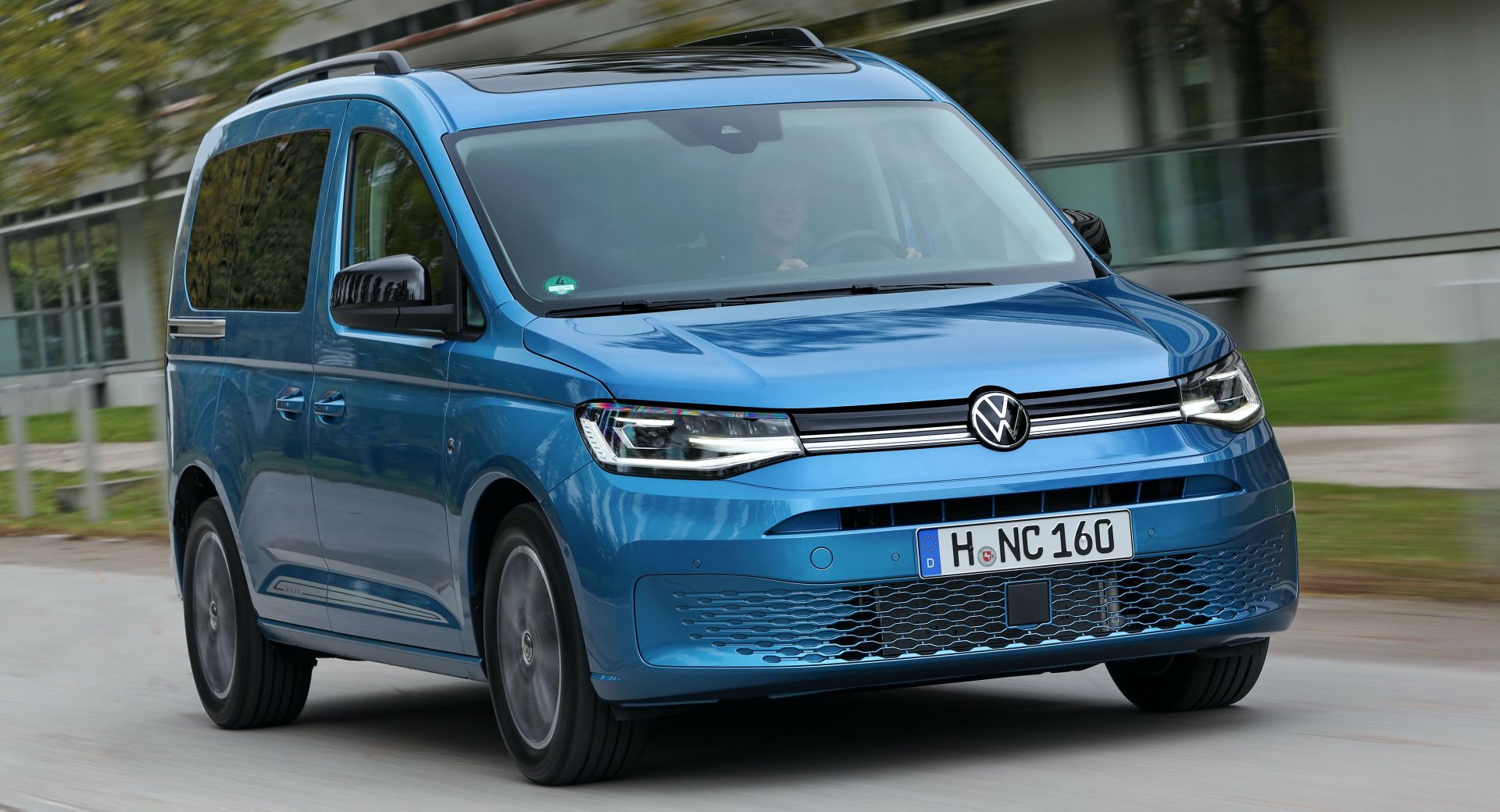
Here is the part the reassurance often glosses over, and the reason we would not tell WAV customers there is nothing to think about. For new orders placed from 1 July 2026, the WAV mileage allowance is 50,000 miles over a five-year lease, and the excess-mileage charge rises to 25p a mile including VAT. Motability points out that most customers drive within the new figures, averaging around 7,500 miles a year, so for many it will not bite. But if you are a higher-mileage WAV user, perhaps travelling regularly for treatment or family, that ceiling matters more than the VAT concession, and you should do the sums on your real annual mileage before you order.
Existing leases are unaffected until they end, so nothing changes mid-term on a vehicle you already have. The changes apply only to new orders and replacements from 1 July onwards. That, combined with the retained VAT concession, means most WAV customers are under far less time pressure than standard-car buyers, who we have urged to order before the deadline in pieces like our zero Advance Payment SUVs and Ford Focus run-out guides.
Which Motability WAVs to look at
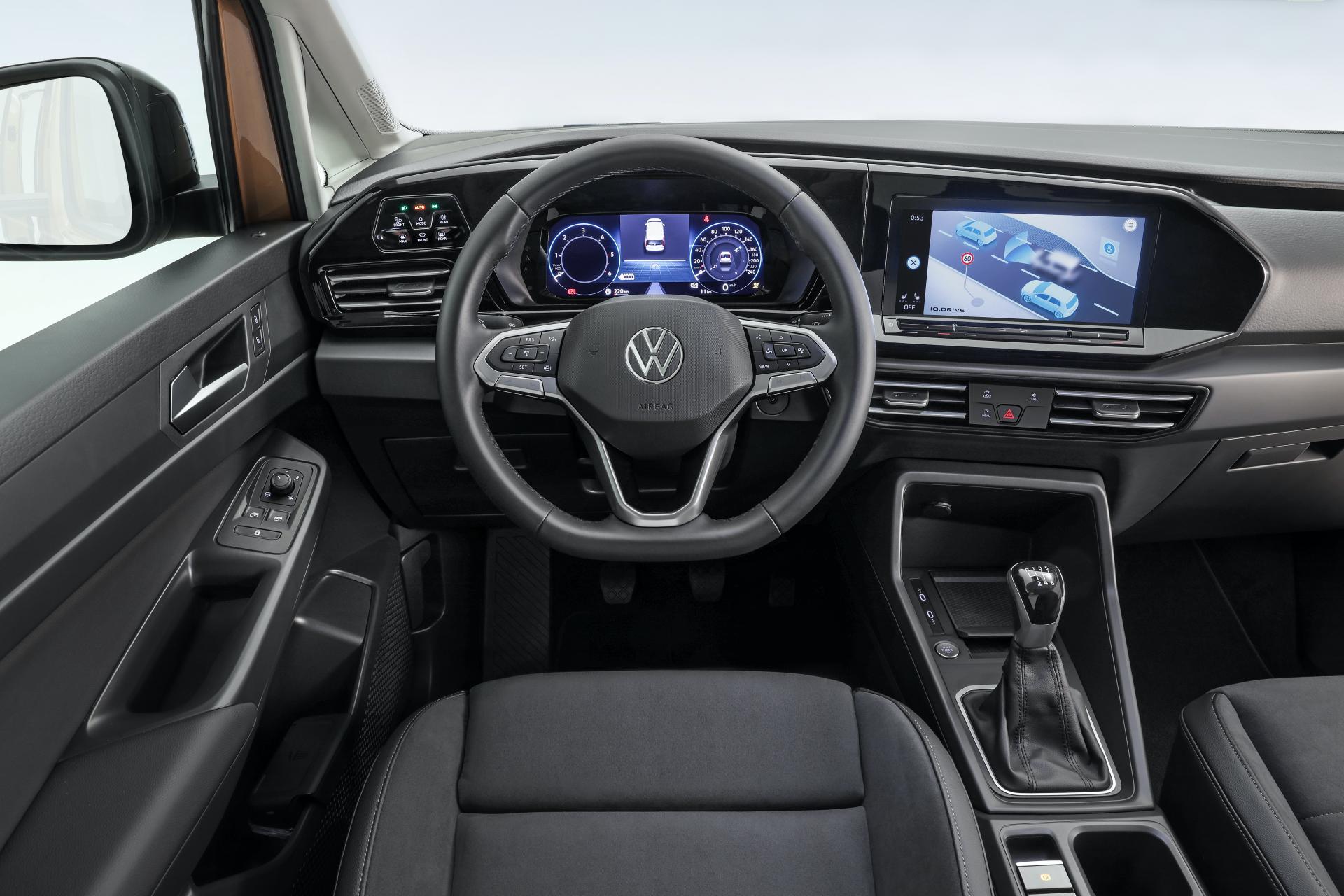
There is no single “best” WAV, because the right one depends on whether you travel as a wheelchair passenger, need to drive from your chair, or carry a chair plus passengers. That said, the Volkswagen Caddy Life and Caddy Maxi Life conversions, from specialist converters such as Brotherwood and Gowrings Versa, are among the most listed on the scheme for their compact size, lowered-floor access and availability. Advance Payments on Caddy-based WAVs commonly run from around £5,495 for a manual Caddy Maxi up to roughly £9,695 to £11,745 for higher-spec automatic conversions on five-year contracts. Larger vehicles cost more and carry more, so match the WAV to how you actually travel rather than the lowest Advance Payment.
It is worth understanding the three broad WAV types before you visit a converter. A rear-access passenger WAV lets a wheelchair user travel in their chair, usually via a lowered floor and a ramp, and is the most common and most affordable layout. A drive-from-wheelchair conversion lets the user drive without transferring, but it is far more specialised and costly. An up-front passenger WAV positions the wheelchair user beside the driver rather than at the back, which many families prefer for conversation and sightlines. Each layout suits a different need, and the Advance Payment varies accordingly, so the cheapest option is not automatically the right one. A good specialist converter will talk you through which layout fits your daily routine before you commit to a five-year lease.

The scheme’s own briefing on the changes is worth watching for the official explanation of what is and is not affected.
Where to check before you order
- Confirm you meet the WAV eligibility criteria and be ready to complete the short declaration from July 2026.
- Work out your real annual mileage against the new 50,000-mile, five-year allowance before committing.
- Match the WAV type to how you travel: wheelchair passenger, drive-from-chair, or chair plus passengers.
- Compare Advance Payments across converters for the same base vehicle and adaptation.
- Read the government’s Motability tax-relief reform note for the official position.
- Remember existing leases are unaffected until they end, so there is less time pressure than for standard cars.
Our take
For WAV customers, the 1 July changes are a relief rather than a crisis: the VAT concession is retained, so a new wheelchair accessible vehicle does not pick up the uplift that standard cars do, and the new eligibility declaration is a confirmation step, not a barrier. We would not, however, let that good news hide the mileage cut. If you drive within about 10,000 miles a year you have little to worry about; if you cover serious mileage for treatment or family, run the numbers on the 50,000-mile, five-year ceiling and the 25p excess charge before you order, because that is where the real change bites. There is no need to panic-order a WAV the way standard-car buyers are rushing, so take the time to choose the right vehicle for how you actually travel.