

A used Volvo XC40 Recharge is one of the more sensible second-hand electric SUVs in Britain right now, but the single number that should decide your purchase is not the price, it is the battery’s state of health. Get a reading on that before you pay a deposit and you remove almost all the risk; skip it and you are gambling on the most expensive component in the car. This guide shows you what to ask for, what the eight-year warranty actually promises, and how much cover a typical two-to-three-year-old example still has left.
What the warranty and owner reports actually tell you
CDE cross-referenced Volvo Cars UK’s published warranty terms and the Volvo Selekt approved-used conditions, checked on 13 June 2026, against owner battery-health discussion on Volvo EV forums. Two things stand out.
- The cover is long: the high-voltage battery is warranted for eight years or 100,000 miles, so a two-to-three-year-old car still carries most of that protection.
- The trigger is specific: Volvo will repair or replace the battery if its state of health drops below 70 percent of original capacity due to a defect, not simply because it has aged.
- The data is thin: there is no official average degradation figure for a two-year-old XC40 Recharge, so an individual state-of-health reading matters more than any rule of thumb.
Why the Volvo XC40 Recharge battery is the thing to check
On a petrol used car you worry about the cambelt, the turbo and the gearbox. On an electric one, the battery is the engine, the gearbox and most of the value rolled into a single sealed unit, and replacing it out of warranty is the bill that turns a bargain into a disaster. That is why a battery health check, expressed as a state-of-health (SoH) percentage, is the one inspection we would never skip on a used XC40 Recharge. Everything else on the car is cheap to fix by comparison.
The good news is that the XC40 Recharge has a strong real-world record and a long manufacturer guarantee behind it, which is why it sits alongside cars like the used Tesla Model Y ex-lease as a sensible second-hand EV. The risk is not that these batteries routinely fail; it is that you cannot see SoH with your eyes the way you can spot a tatty interior, so you have to ask for the number.

What the eight-year battery warranty really covers
Volvo warrants the high-voltage battery for eight years or 100,000 miles from first registration, whichever comes first, per the Volvo Cars UK warranty terms. If the battery’s state of health falls below 70 percent of its original capacity within that period because of a manufacturing or material defect, Volvo will repair or replace it at an authorised retailer to bring it back to at least 70 percent, at no cost to you. Crucially, that cover transfers with the car, so as a second or third owner you inherit the balance of it rather than losing it.
Read the wording carefully, though, because it is conditional. The guarantee is against defect-driven capacity loss below 70 percent, not a promise of a free battery if yours simply drifts to, say, 88 percent through normal use. Normal degradation is expected and is not a warranty claim. That is the honest position, and it is why the SoH reading matters: it tells you where you are starting from, and whether there is any realistic chance of approaching that 70 percent floor before the cover runs out. For a longer-term view of Volvo cover, our note on Volvo XC90 extended warranty cost shows how the sums change once the factory term lapses.
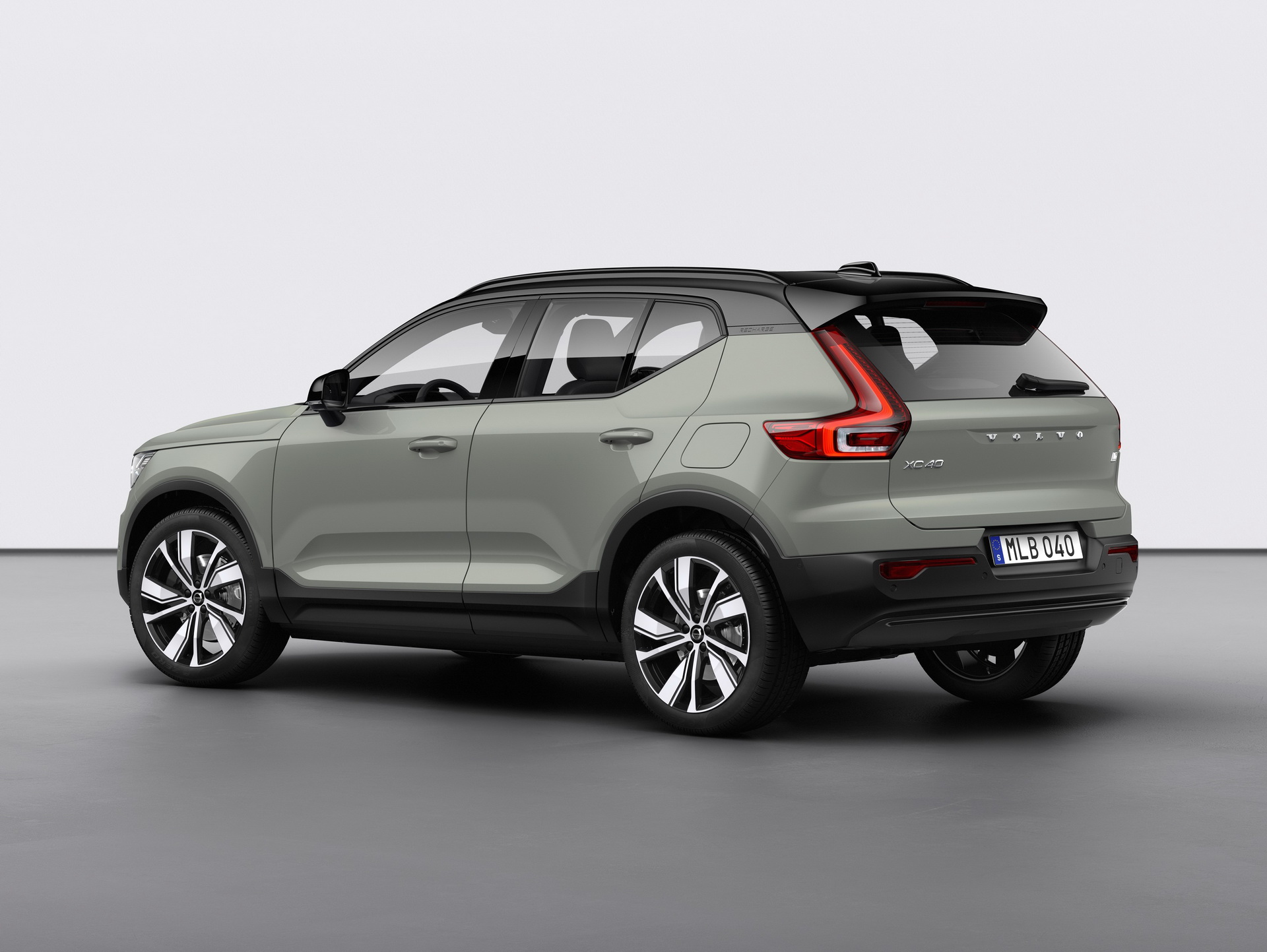
How to read a state-of-health certificate before you buy
Ask the seller for a battery state-of-health certificate or report. A Volvo dealer can generate one from the car’s systems, and many Selekt approved-used electric Volvos are supplied with one or can produce it on request. It shows the measured remaining capacity as a percentage of original. As a rough guide, a two-to-three-year-old XC40 Recharge that has been charged sensibly should read comfortably in the high 80s to low 90s; anything markedly lower on a low-mileage car is worth questioning, not because it breaches the warranty, but because it tells you something about how the car was treated.
If a private seller cannot or will not provide a reading, treat that as a negotiating point or a reason to walk. The same logic applies to other used EVs, and reputable UK reliability sources such as Honest John are worth a cross-check on common owner issues before you commit. A car with a clean SoH certificate, full Volvo service history and the balance of the eight-year cover is a genuinely low-risk used EV; one without the paperwork is an unknown, whatever the price.
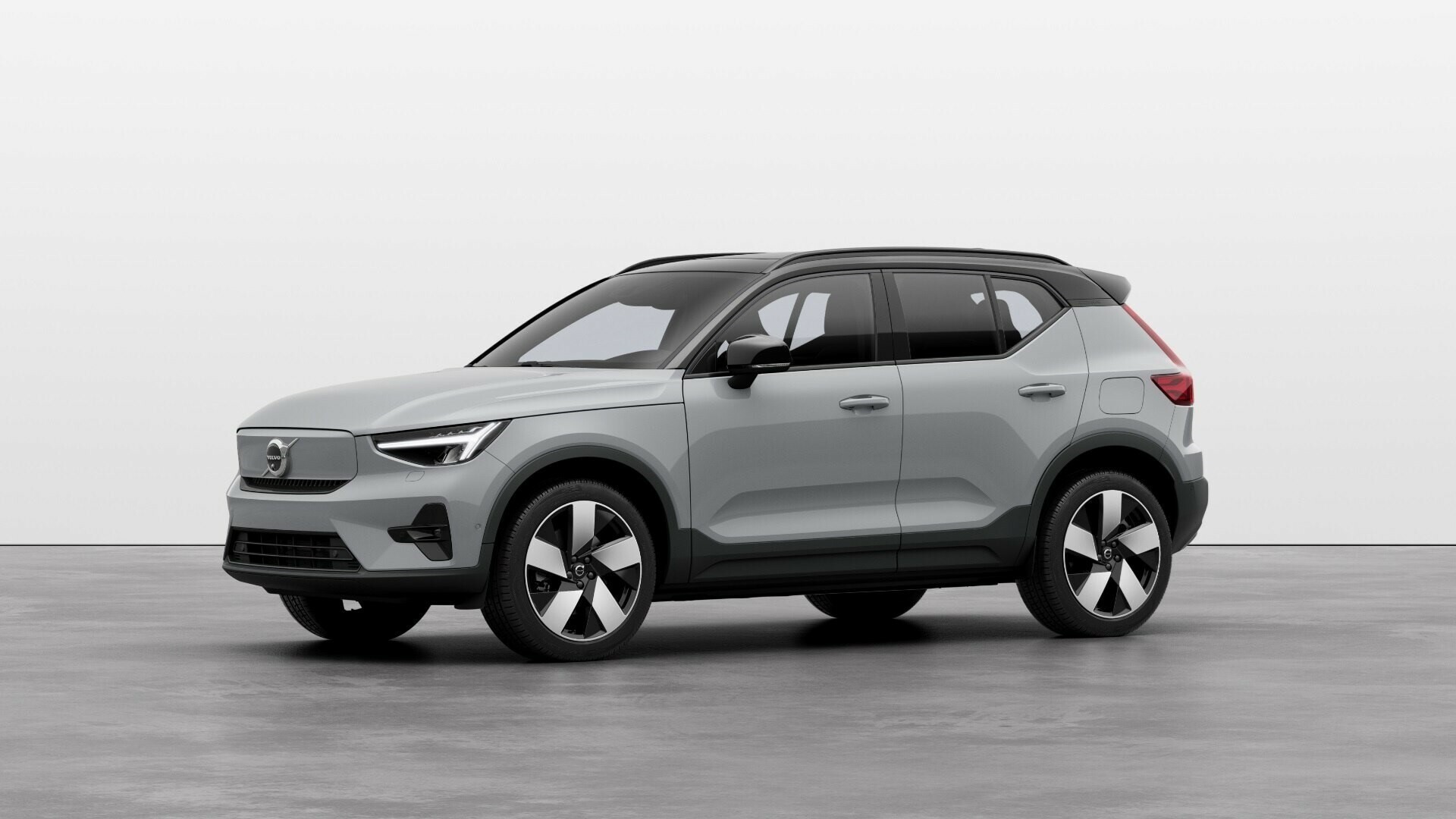
What a two-to-three-year-old Volvo XC40 Recharge has left
Run the maths on cover and the case for buying used gets stronger. A three-year-old car with 30,000 miles still has around five years and 70,000 miles of high-voltage battery warranty in hand, because that clock runs from first registration, not from your purchase. The rest-of-car manufacturer warranty is shorter at three years and 60,000 miles, which is where Volvo Selekt approved-used cover earns its place by adding a layer on top. So the typical used XC40 Recharge you are looking at is a car where the most expensive part is still guaranteed for years, while you have side-stepped the steepest depreciation the first owner absorbed.
That depreciation is the quiet reason to shop used here. Electric SUVs have given up value quickly over the past two years, which is painful for first owners but a gift for second-hand buyers; our guide to which EVs hold their value sets out where the XC40 sits. Just remember the running-cost side does not disappear: tyres, insurance and home charging still cost money, as we cover in the hidden running costs of an EV, and a proper home charger is close to essential to get the cheap miles that justify going electric.
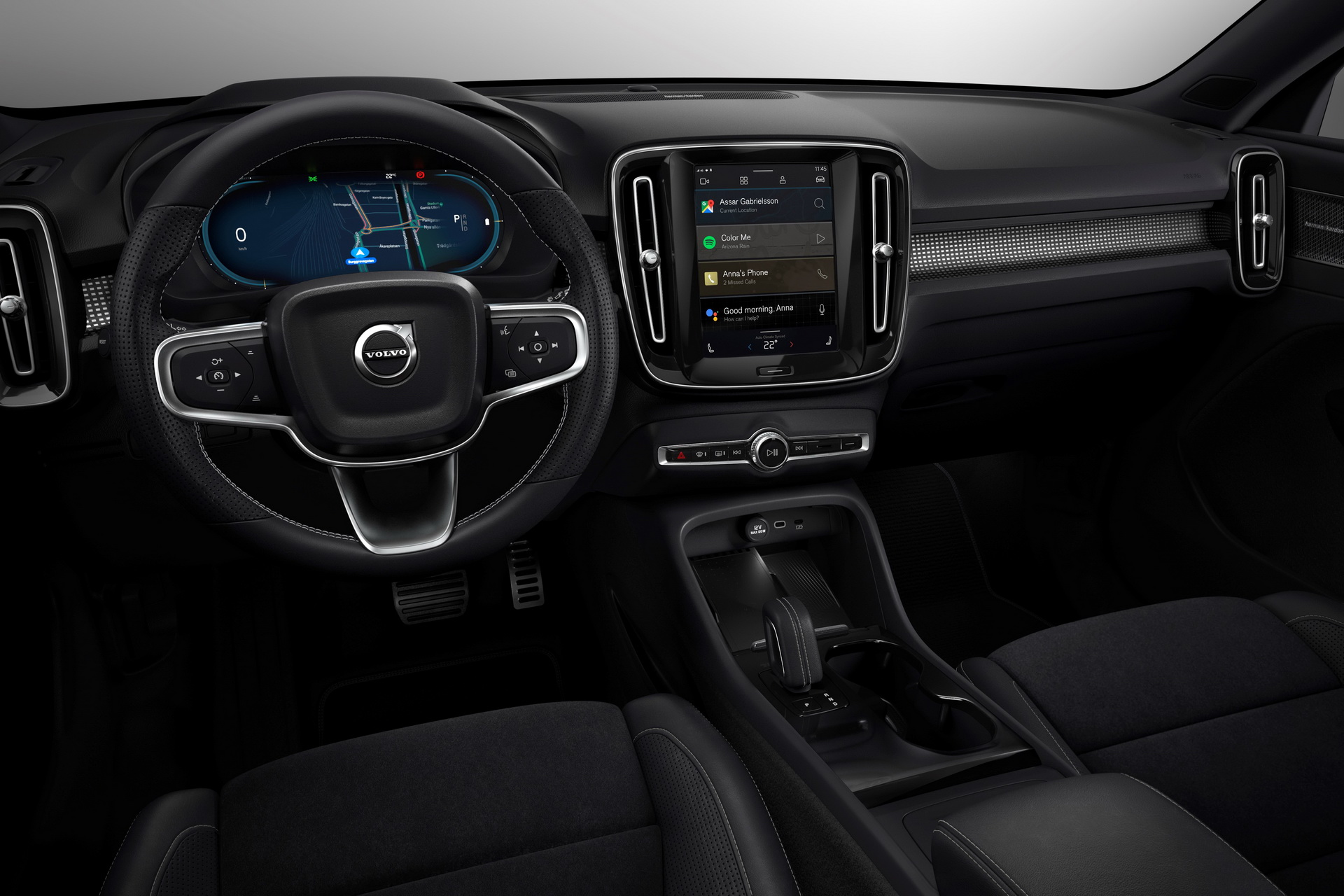
Volvo Selekt approved used: what the checks add
A Volvo Selekt approved-used car passes more than 100 inspection points and comes with warranty and roadside cover structured by the car’s age at purchase, which for a two-to-three-year-old XC40 Recharge means it falls comfortably inside the strongest terms. You pay more buying Selekt from a Volvo dealer than from a supermarket or a private seller, and the question is whether that premium is worth it. On an electric car, we think it often is, because the battery SoH check, the documented history and the manufacturer-backed warranty are exactly the reassurances that are hardest to verify yourself.
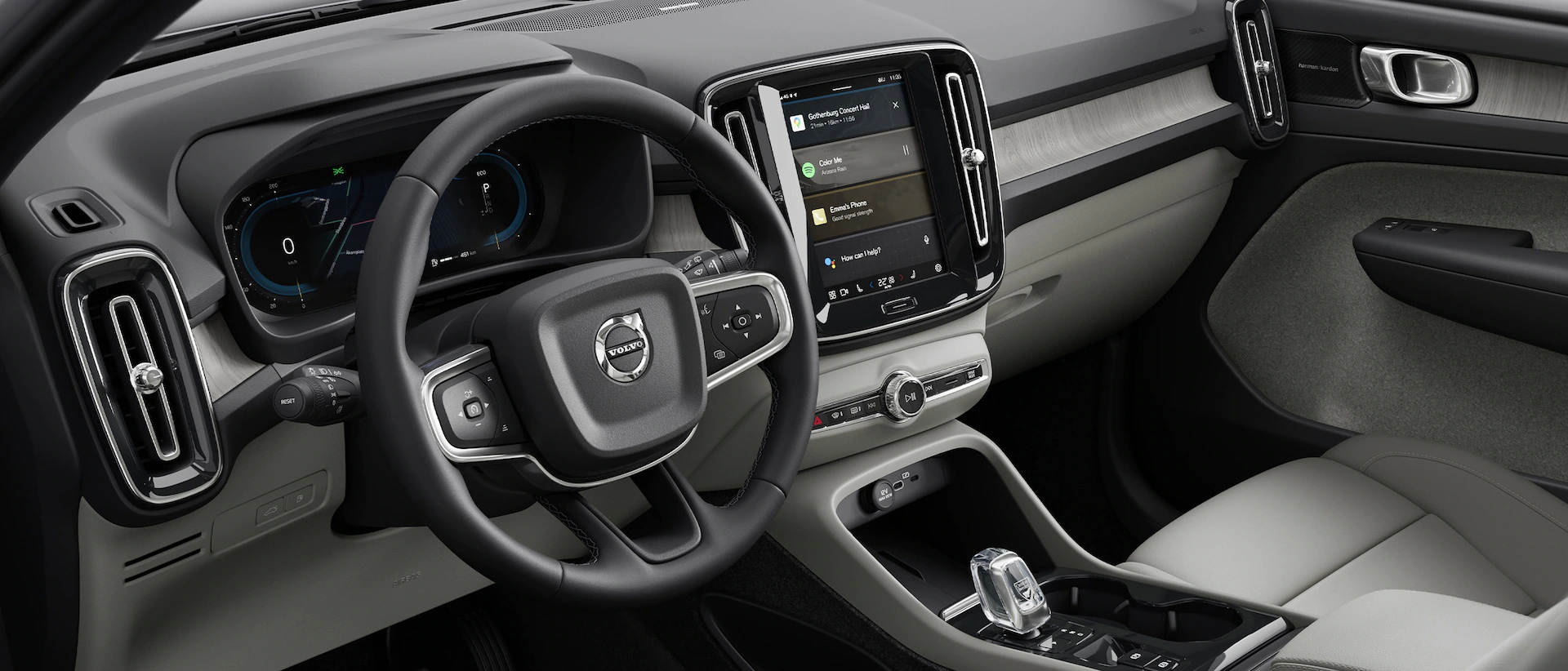
If you want a feel for how the XC40 Recharge drives and what daily ownership is like, the review below is a useful companion to the battery-health checklist above.
What to check before you pay a deposit
- Get a written battery state-of-health reading; treat a refusal as a red flag or a price lever.
- Confirm the balance of the eight-year, 100,000-mile high-voltage battery warranty and that it has transferred correctly.
- Check full Volvo service history and any software updates have been applied.
- If buying Selekt, get the warranty term and any upgrade option (some cars can extend to 24 months) in writing at handover.
- Run a free gov.uk vehicle recall check and the MOT history on the registration.
- Factor a home charger and realistic insurance quote into your budget before agreeing a figure, not after.
Our take
The used Volvo XC40 Recharge is a confident buy if, and only if, you treat the battery state of health as the deciding factor. With a clean SoH certificate, full history and the balance of the eight-year battery warranty, you are buying a premium electric SUV with its biggest risk underwritten and its worst depreciation already taken by someone else. We would pay the Selekt premium for the documented battery check and the manufacturer warranty rather than chase the cheapest private example with no paperwork. Walk away from any car where the seller cannot show you the SoH number; on an EV, that single missing figure is the difference between a bargain and a liability. Our score: 8/10 as a used buy, rising to a clear recommendation when the SoH reads in the high 80s or better.
How long is the Volvo XC40 Recharge battery warranty?
What state of health should a used XC40 Recharge have?
Does the battery warranty mean I get a free battery if capacity drops?
Is a Volvo Selekt approved-used XC40 Recharge worth the premium?
How much battery warranty is left on a three-year-old car?
How we researched this guide
Every pick here is shortlisted from hands-on testing and time spent living with the hardware by the CDE desk, then sanity-checked against current UK pricing, manufacturer specs and real-world performance before it makes the cut. We never rank for commission — affiliate links don't change the order.
Buyer action
Where to check next
Use this as the final check before paying a deposit, signing finance paperwork or relying on a headline monthly figure.
Editorial standards
More on Volvo Selekt


Buying Guides
Mercedes A-Class: the smart 3-year approved-used buy




Buying Guides