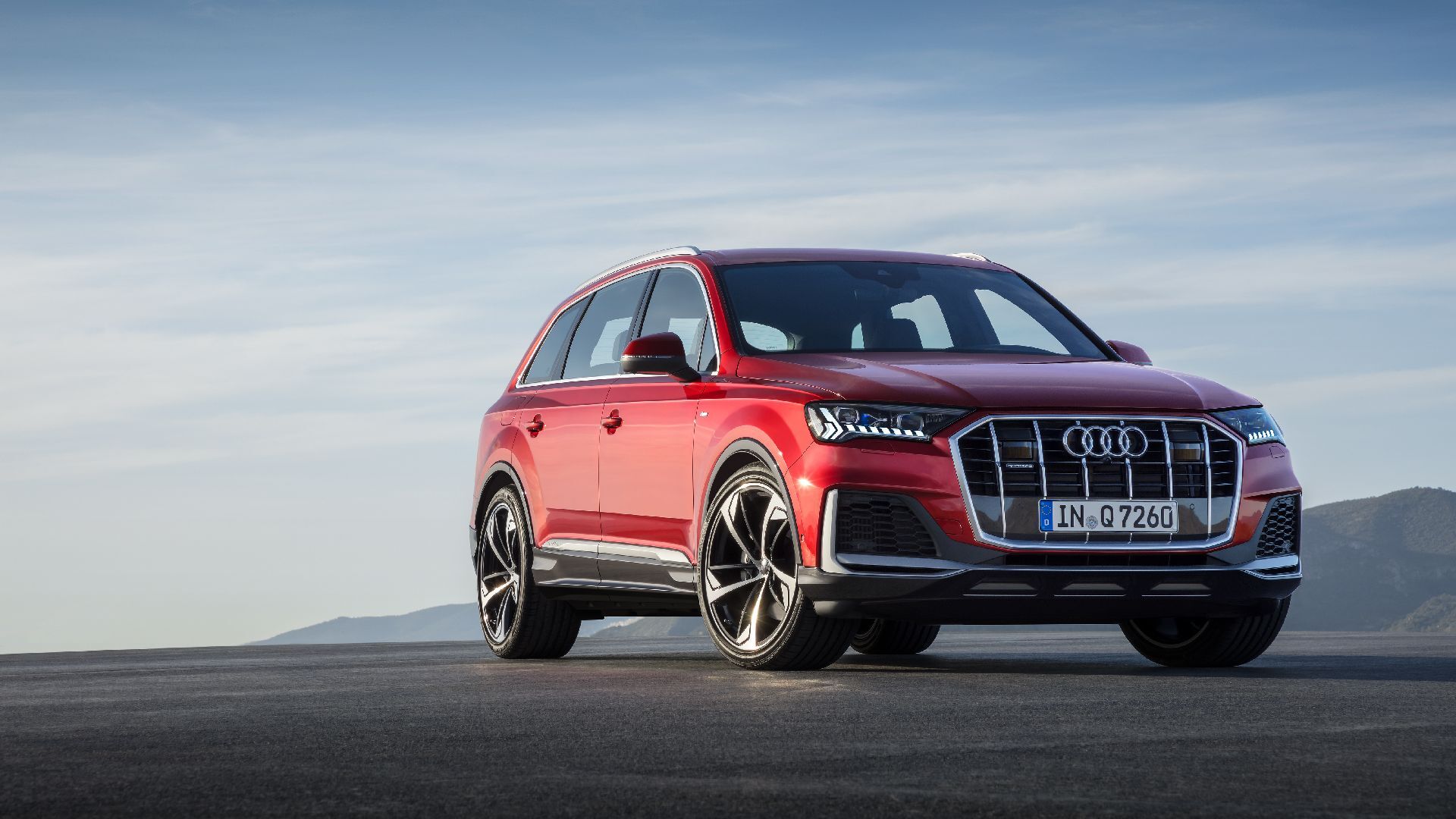
A used Audi Q7 from 2023 is the version that makes the numbers work, because the first owner has already swallowed the heaviest part of the depreciation curve. A car that cost north of £72,000 new now trades around the high £30,000s on the open market, and the manufacturer-approved route hands you a warranty and a 150-point inspection on top. This guide sets out what a three-year-old Q7 actually costs in 2026, why the percentage drop is steeper than the headline calculators suggest, and what the Audi Approved:plus programme does and does not buy you.
What real owners say (CDE data)
CDE cross-referenced live UK marketplace supply with owner-reported reliability signals in June 2026: Auto Trader UK listed 103 used 2023-registered Q7s nationally and Parkers showed 69, a deep enough pool that a patient buyer can hold out for the right history and spec rather than settle.
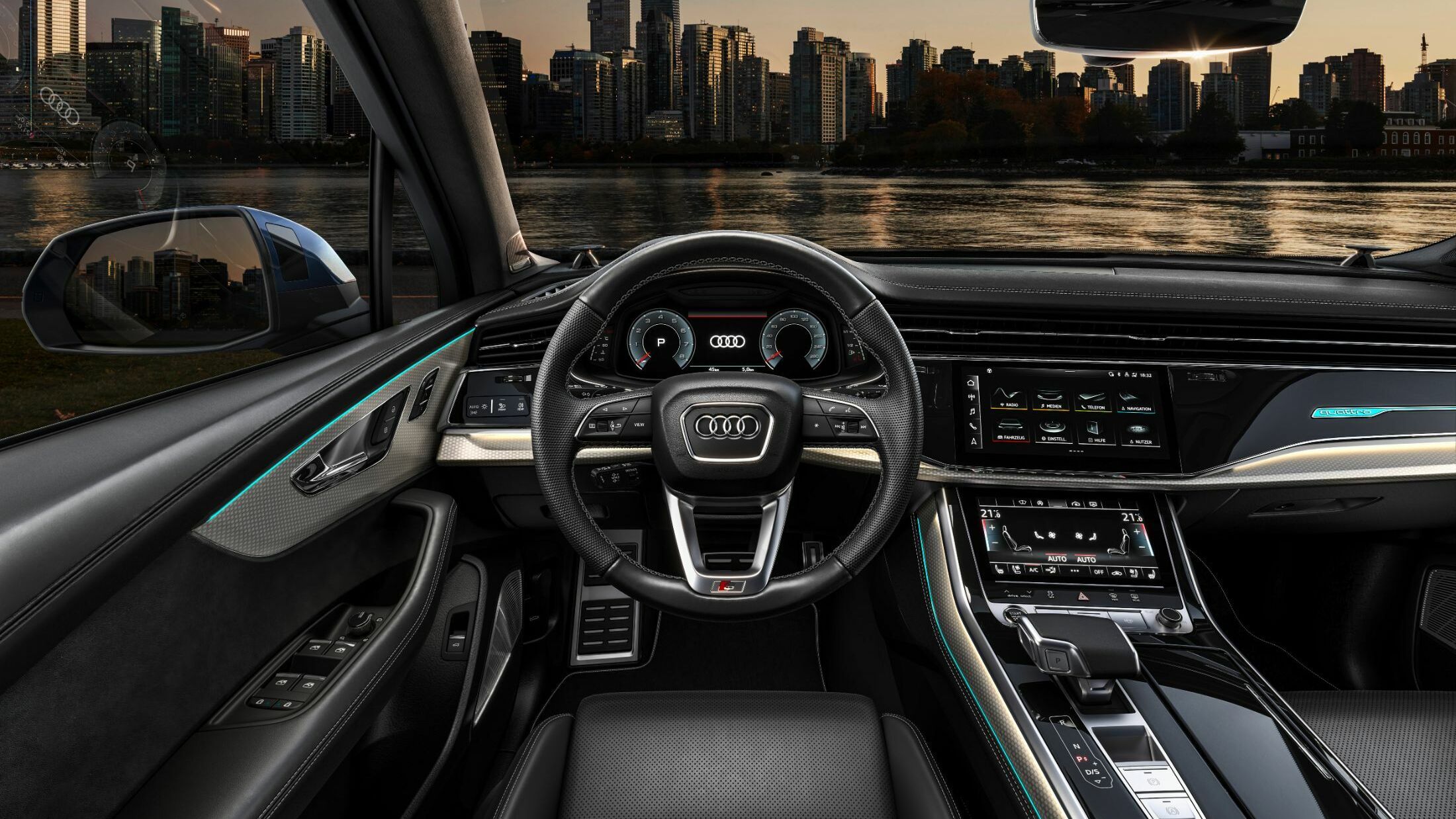
- Most-praised aspects: cabin quality and the long-distance ride on adaptive air suspension, the seven-seat practicality, and the refinement of the 3.0 V6 diesel on a motorway run.
- Most-criticised aspects: real-world fuel economy on shorter journeys, the cost of replacing the large alloys and tyres, and infotainment that can feel a step behind the newest rivals.
- Reliability signal: Honest John owner feedback and the What Car? Reliability Survey place the Q7 mid-pack for a large premium SUV; the bigger ownership variable is whether air suspension and the complex electronics have been maintained, which a full Audi service history and a DVSA recall check should confirm before you commit.
What a used Audi Q7 from 2023 costs in 2026
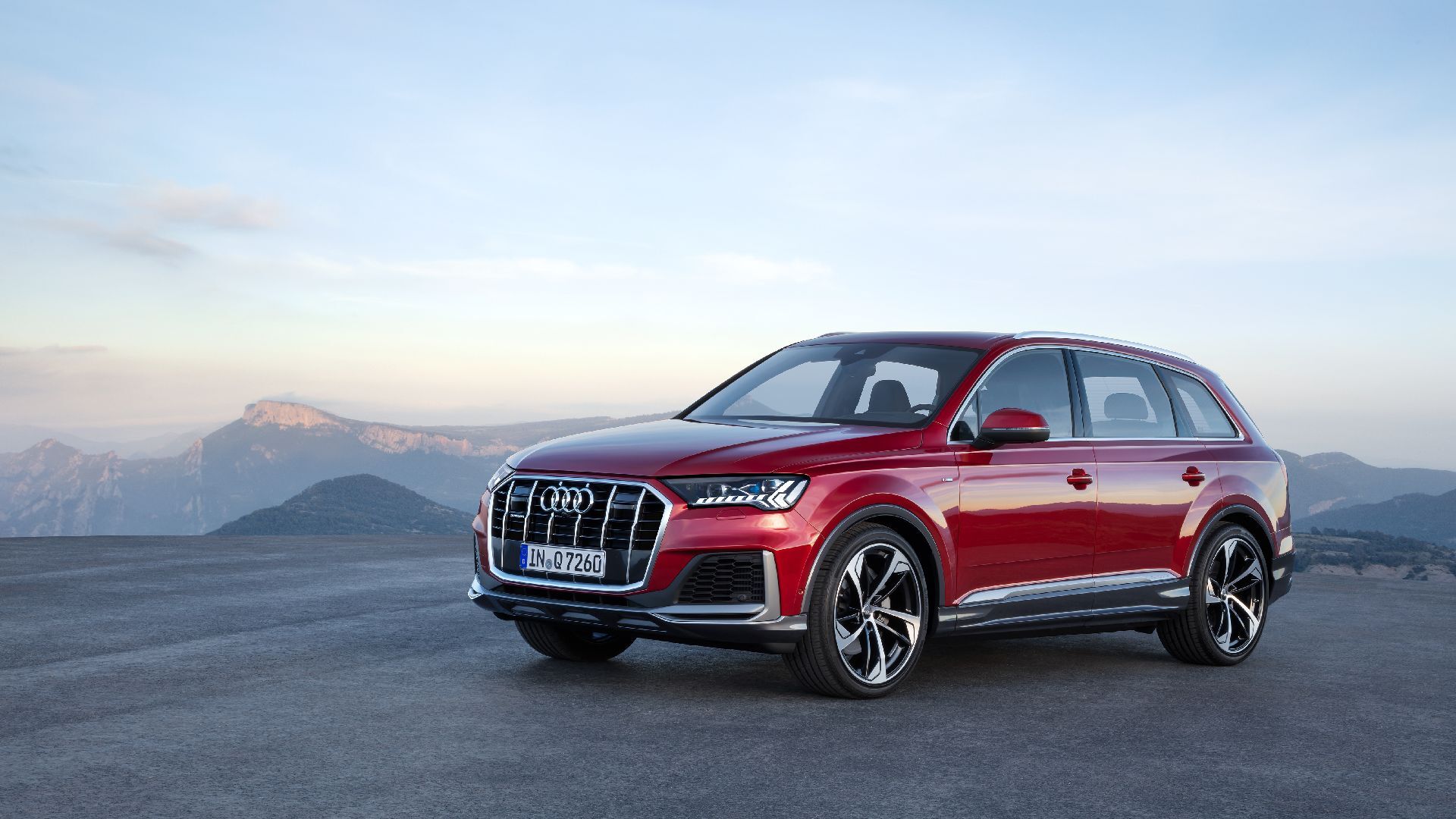
Start with the new price, because that is the anchor every used valuation hangs off. A new Q7 opens at £73,225 on the road per Audi UK in June 2026, and Carwow lists the full RRP range at £72,400 to £101,540, with broker cash deals from around £66,274. Against that, 2023-registered cars on Auto Trader UK in June 2026 sit in a £37,995 to £48,495 band, with desirable S line and Black Edition diesels clustering between £38,000 and £42,500. A clean 2023 3.0 TDI S line shows up around £37,995 with a “great price” marker; Black Edition examples appear from roughly £38,749.
The 3-year depreciation truth, in pounds not percentages
Here is the honest version. Take a base car that cost about £72,400 new, or roughly £66,274 as a real broker transaction price, and put it against a 2023 example at around £38,000 today. That is a fall of roughly 42 to 47 per cent of the original list price over three years, before you even reach the higher trims. The widely shared third-party estimate from TheMoneyCalculator of about 36 per cent over three years is the more conservative figure; the live UK listings point to a steeper drop than that. Either way, the conclusion is the same and it is the whole point of this guide: the first owner absorbed the brutal part of the curve, so the three-year-old car is where the value sits. Audi UK does not publish public residual tables, so treat any single percentage as directional and let the actual marketplace prices lead.
Why this beats buying the same money in an EV
Depreciation is relative, and the Q7 looks sensible next to the steepest fallers in the premium space. A combustion large SUV like this loses value in a fairly predictable line; a premium electric car can drop far faster as battery technology and list prices move underneath it. Our analysis of the used Porsche Taycan as a CPO bargain shows an EV that has shed a much larger share of its original price in the same window, which is good news if you are the second buyer but punishing if you were the first. The same pattern runs through our wider look at premium EV depreciation in 2026 and which models hold value. For a buyer who wants a known quantity with a deep used market and no charging-infrastructure homework, a 2023 Q7 diesel is the lower-risk way to spend £38,000 to £42,000.
What Audi Approved:plus actually covers
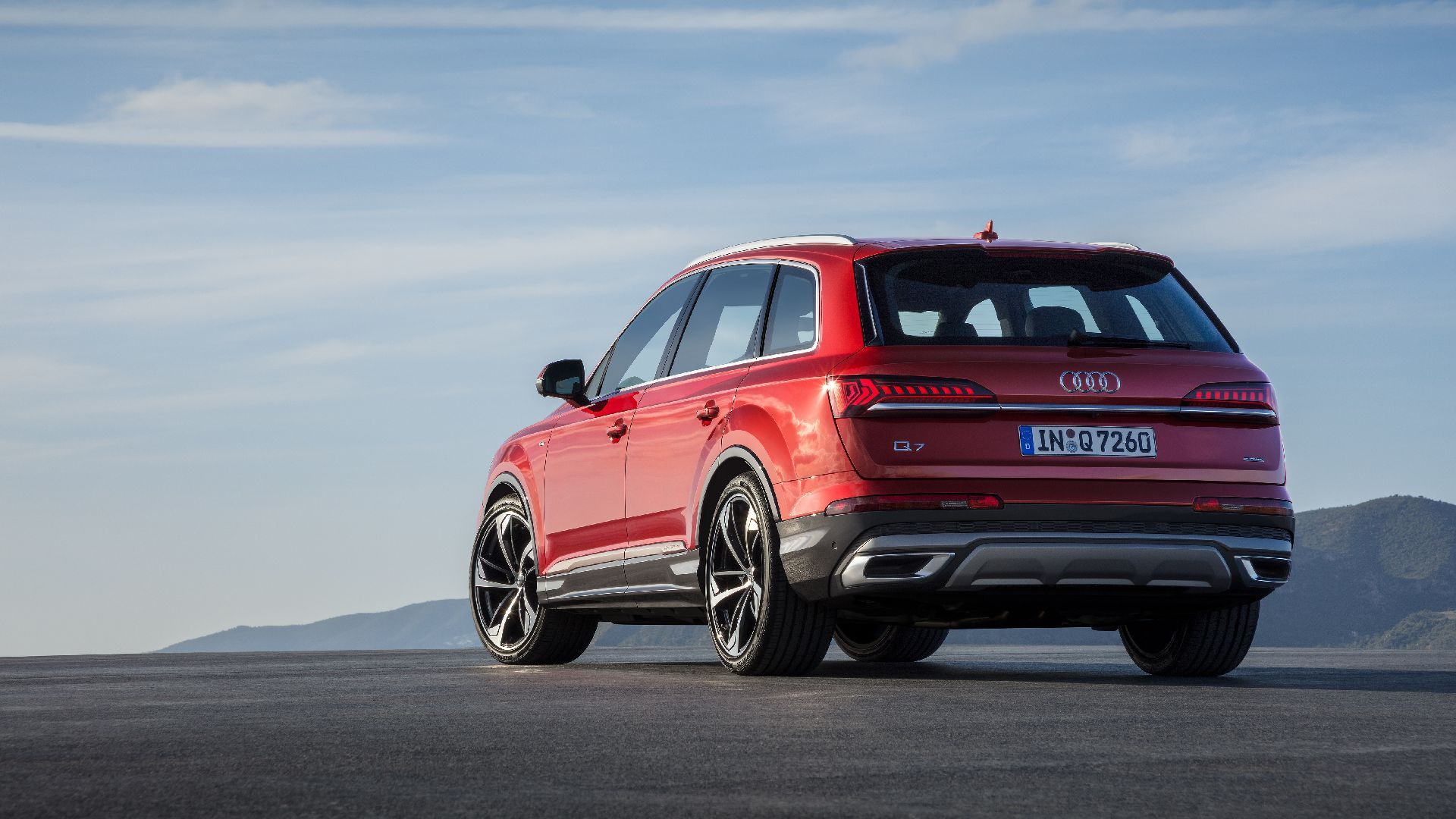
This is where buyers most often misread the offer. Audi Approved:plus comes with a minimum 12 months of unlimited-mileage warranty cover plus 12 months of roadside assistance, not a two-year warranty as some forecourt patter implies. A car qualifies for the programme if it is up to eight years old and under 100,000 miles, and every approved car goes through a 150-point inspection with MOT test cover up to £750. You can extend the warranty from around £129 a year. Always read the wording against Audi UK’s published warranty terms and confirm a specific car’s status on the Audi Approved Used site, because the cover starts from the base 12 months and the rest is an add-on you pay for.
Approved used versus a private 2023 Q7
The approved premium is real, and so is what it buys. A private or independent-dealer 2023 Q7 at £38,000 will usually undercut an Audi Approved:plus car of the same age and mileage by a meaningful sum, and for a buyer who can run a thorough HPI check and read a service file, that saving can be the right call. The approved route earns its money on the cars where history is patchy or where the air suspension and electronics carry the most ownership risk, because the warranty and the 150-point check turn an unknown into a covered one. If you are weighing how the brands stack up on cover at this age, our comparison of BMW, Audi and Mercedes approved used warranties in 2026 sets out which programme actually covers the most.
Running costs and the checks that protect the saving
A used Audi Q7 is cheap to buy and not cheap to run, and pretending otherwise is how people get caught. Budget for a substantial insurance group, large-diameter tyres that cost real money to replace as a set, and servicing at a level that matches a 2.5-tonne premium seven-seater. The 3.0 V6 diesel is the comfortable long-distance choice for most UK buyers, while the plug-in hybrid only pays back if you genuinely charge it daily. If you are stretching to a higher trim on finance, read our explainer on negative equity on a premium PCP in 2026 before you sign, because a big SUV bought near the top of the market is exactly where equity gaps open up. Buyers cross-shopping the sister car should also read our Audi Q8 4M used buyer’s guide, which shares much of the Q7’s mechanical story.
According to the Honest John used-car valuations and owner reviews, the Q7’s value retention is steadier than the premium electric segment but still firmly in negative territory over three years, which is precisely why buying used rather than new is the rational move on this car.
Which used Audi Q7 to buy from 2023
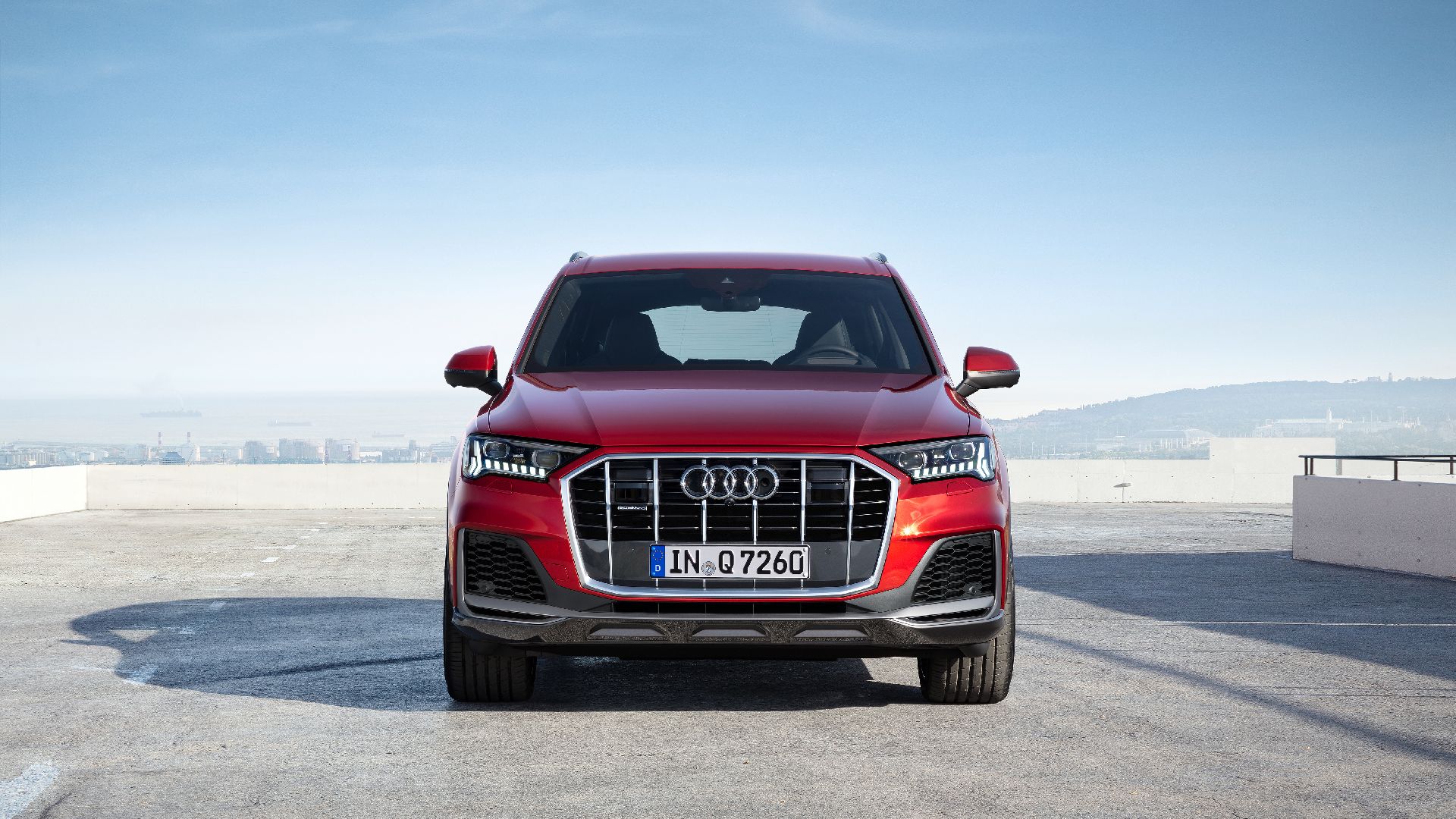
For most UK buyers the pick is a 2023 3.0 TDI quattro in S line or Black Edition trim, at £38,000 to £42,000, with adaptive air suspension and a documented Audi service history. That spec gives you the engine that suits the car, the kit people actually want, and the strongest used demand when you come to sell on. Avoid the highest-mileage cars with no service file, because the air suspension and electronics are where the bills live. Step up to a Vorsprung only if you specifically want the full equipment list and accept a slightly thinner buyer pool later. The principle holds across the range: let the saving the first owner created work for you, and spend the difference on the cleanest history you can find rather than the showiest options.
The case for a used Audi Q7 is a depreciation case, and it is a strong one. A car that opened above £72,000 now changes hands around £38,000 after three years, a fall of more than 40 per cent that the second owner banks rather than pays. It is not the cheapest large SUV to run, and the air suspension and electronics carry real ownership risk, so the verdict comes with conditions: buy the 3.0 TDI S line or Black Edition, insist on a full Audi service history, run a DVSA recall and HPI check, and take Audi Approved:plus where the car’s history is anything less than spotless. Do that and the Q7 is one of the most sensible ways to put a genuinely premium seven-seater on your drive for the money. Our score: 8.0/10 for a 2023 diesel bought on the right history, a point lower if you overpay for options instead of provenance.
Before you buy a 2023 Q7: the checks that matter
- Run the registration through the free gov.uk vehicle recall checker and confirm any outstanding actions have been completed.
- Check the full MOT and advisory history on gov.uk MOT history, paying attention to repeat advisories on suspension and tyres.
- Confirm Audi Approved:plus eligibility and the exact warranty start date on a specific car, not just the brochure terms.
- Verify a full Audi or specialist service history, with the air suspension and major services documented.
- Budget for a full set of large alloys and tyres, and get an insurance quote on the exact trim before you commit.
- If buying privately, run a paid HPI check for outstanding finance, write-off markers and a mileage discrepancy.
How much does a used Audi Q7 from 2023 cost in 2026?
Does the Audi Q7 hold its value well?
Is Audi Approved:plus a two-year warranty?
Which 2023 Audi Q7 engine should I buy?
Is a used Audi Q7 expensive to run?
Buyer action
Where to check next
Use this as the final check before paying a deposit, signing finance paperwork or relying on a headline monthly figure.