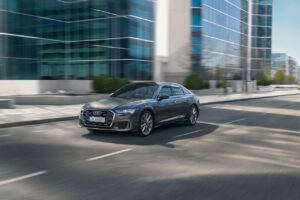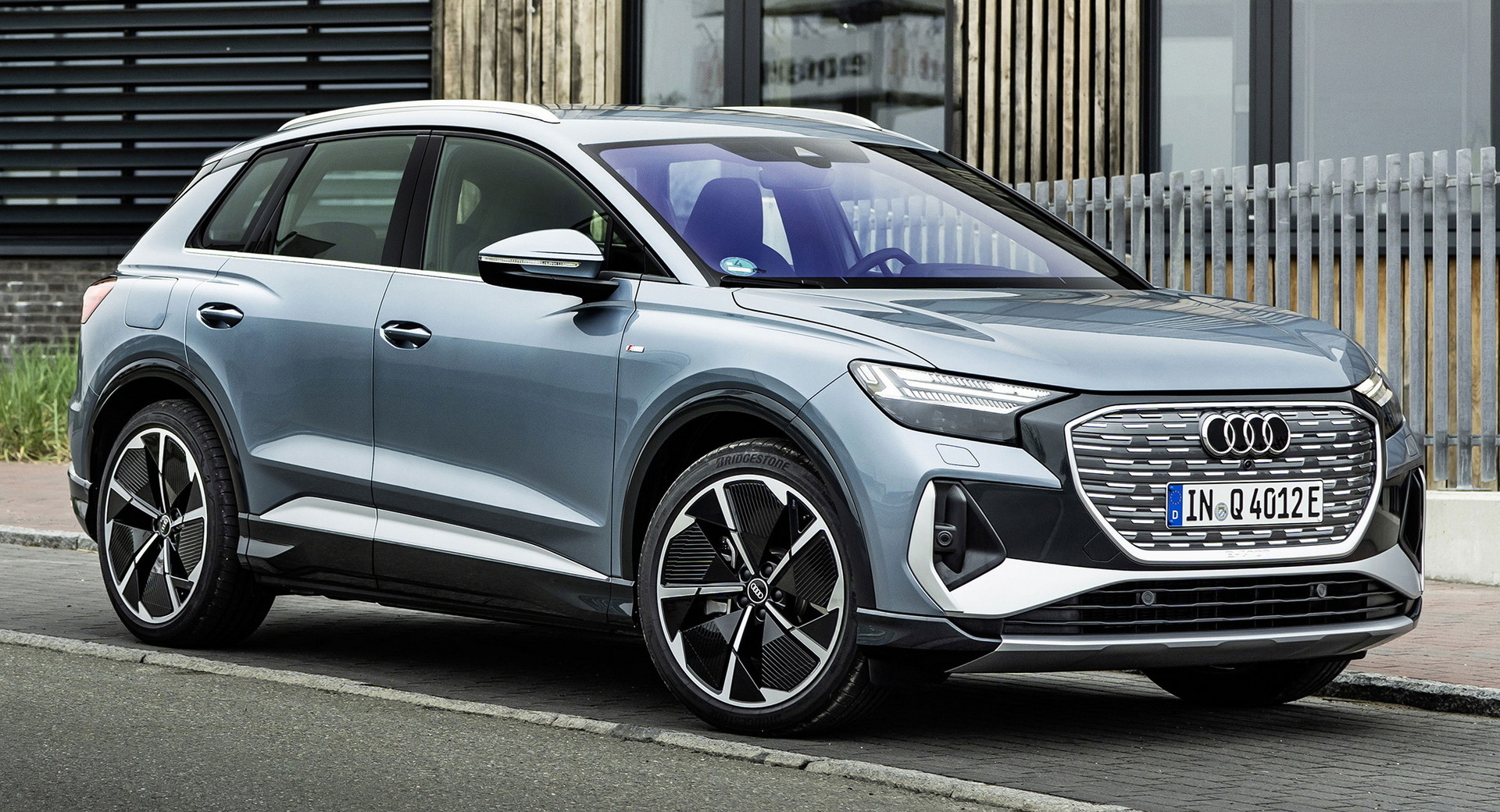
The Audi Q4 e-tron used market has quietly become one of the strongest value plays in the premium electric SUV class, with clean 2022 and 2023 82kWh cars now changing hands for roughly half of what their first owners paid. We rate it a confident CPO buy if you target the right battery and trim, walk past the small-battery entry car, and let the Audi Approved Used network carry the history and warranty risk.
What real owners say (CDE data)
- Most-praised: real-world summer range on the 82kWh cars (owners regularly report around 250 to 270 miles), the quiet and planted ride, and Audi cabin quality that still feels current.
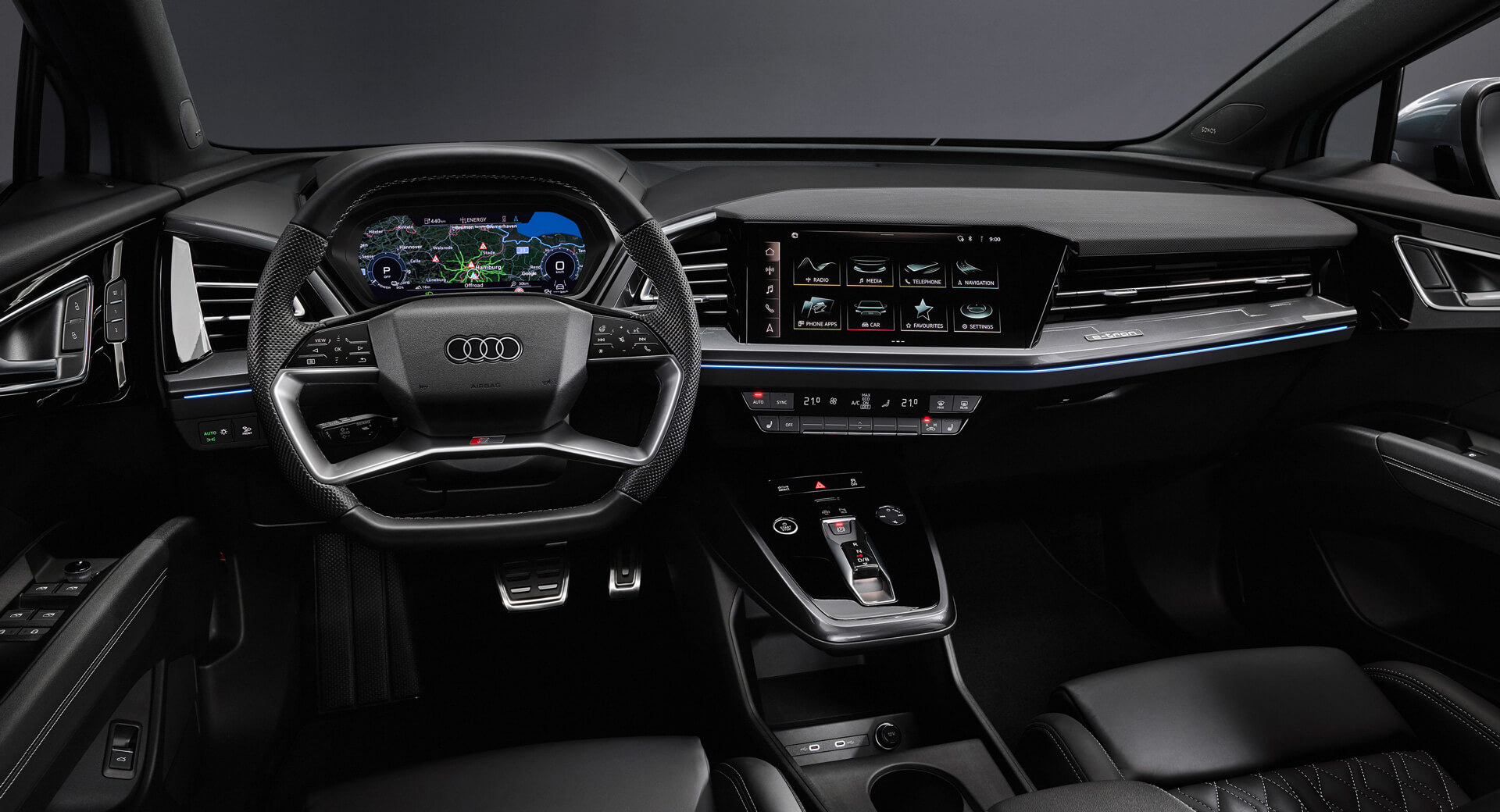
- Most-criticised: the early myAudi app and infotainment software (slow updates, occasional connectivity drops), basic rear parking sensors with no camera on lower trims, and a firm-ish low-speed ride on the bigger wheels.
- Reliability signal: no widespread mechanical fault pattern in owner reports; the recurring theme is software maturity rather than hardware, and the 8-year/100,000-mile battery warranty from new still has years to run on a 2022 to 2023 car.
Why prices on this premium EV have fallen so far
The Audi Q4 e-tron used story is really a depreciation story. These cars launched in the UK at well over £50,000 once you added the popular options, and a chunk of early demand was soaked up by fleet and salary-sacrifice deals. As those three-year leases unwind, the supply of clean, low-mileage cars has surged at exactly the moment new EV grants and aggressive new-car discounting have dragged the whole used-EV market down. The result is a premium German SUV that has shed money faster than almost anything with four rings on the nose.
AutoTrader-reported pricing in mid-2026 puts tidy 2022 and 2023 82kWh examples at roughly £22,490 to £23,995, against a new price north of £50,000. AutoUncle data puts the loss from new at around £585 a month over the first stretch of ownership, which is brutal for the original buyer and a gift for you as the second owner. The car itself has not got worse; the market has simply repriced early premium EVs hard, and that is the gap a used buyer steps into.
Depreciation that steep is not unique to Audi, but it is uneven across the premium EV field. If you want to see how the Q4 sits against rivals on value retention, our analysis of which premium EVs hold their value in 2026 shows the Q4 sitting mid-pack: it has fallen hard, but it is not a residual outlier so much as a beneficiary of a wider correction. For a buyer with cash or a sensible used-car loan, that correction is the whole point.
Which battery and trim to buy: target the 82kWh ’40’ or ’45’
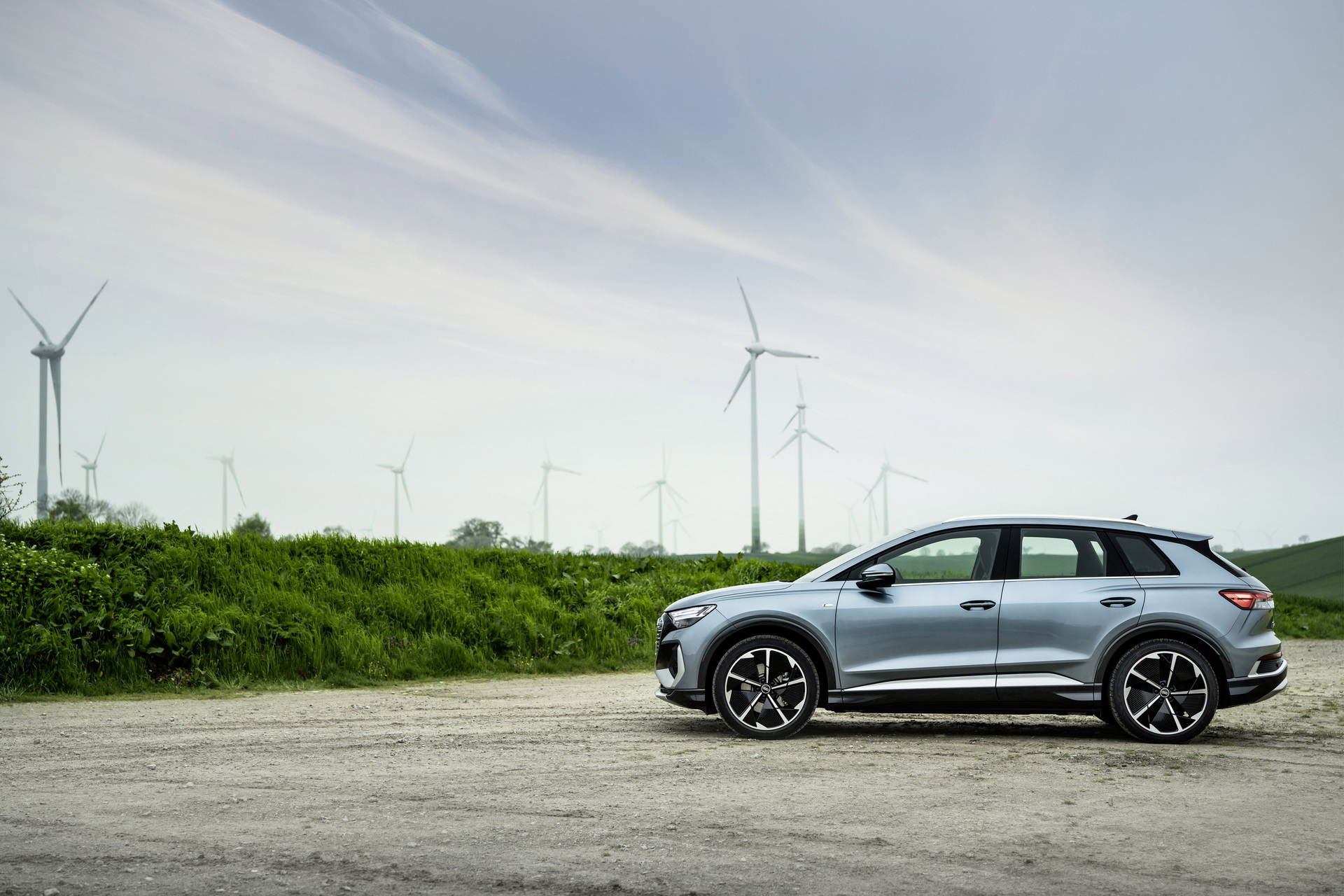
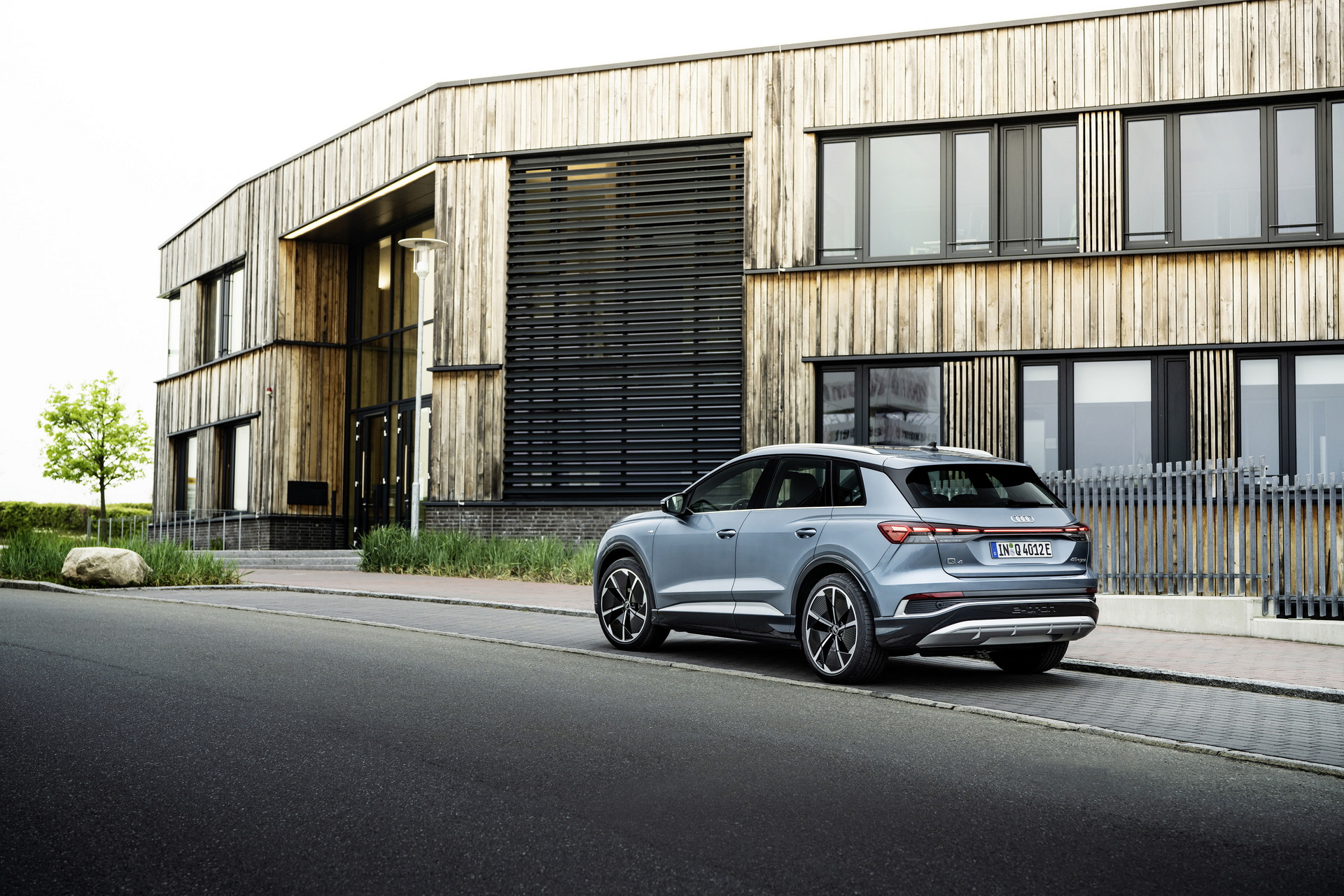
This is the decision that makes or breaks the buy. The early Q4 e-tron line split into a smaller-battery entry car badged ’35’ and the larger 82kWh cars badged ’40’ (single-motor, rear-drive) and ’45’ (in later cars). The ’35’ used a roughly 52kWh usable battery and a real-world range that drops uncomfortably in winter; on a used forecourt it rarely saves enough money to justify the range penalty. Our view is simple: buy the 82kWh car. The ’40’ is the sweet spot for most buyers, offering the full battery, rear-wheel-drive efficiency and the lion’s share of the range for the least money.
On trim, the Q4 ran from Sport up through S line and Edition 1 in the early cars. We would prioritise spec that fixes the common owner complaints: a reversing camera, the larger 11.6-inch infotainment screen where fitted, and a heat pump for winter efficiency. The heat pump is the single most worthwhile box on a used EV in the UK, because it protects cold-weather range, and plenty of early cars went without it. Wheel size matters too: the bigger 20-inch rims look sharp but firm up the ride and cost more to replace tyres on, so a mid-size wheel is the more sensible used pick.
Living with the software, app and sensors
The most consistent owner gripe is not the car, it is the early software. The myAudi app on 2022 and 2023 cars could be slow to wake, occasionally dropped its connection, and felt a generation behind Tesla on over-the-air polish. Most of this is liveable and much was improved by later updates, but you should treat it as a known quirk rather than a fault, and test the app pairing on the actual car before you commit. Lower-trim cars also shipped with basic rear parking sensors and no reversing camera, which is a genuine annoyance on a tall SUV in a tight UK car park.
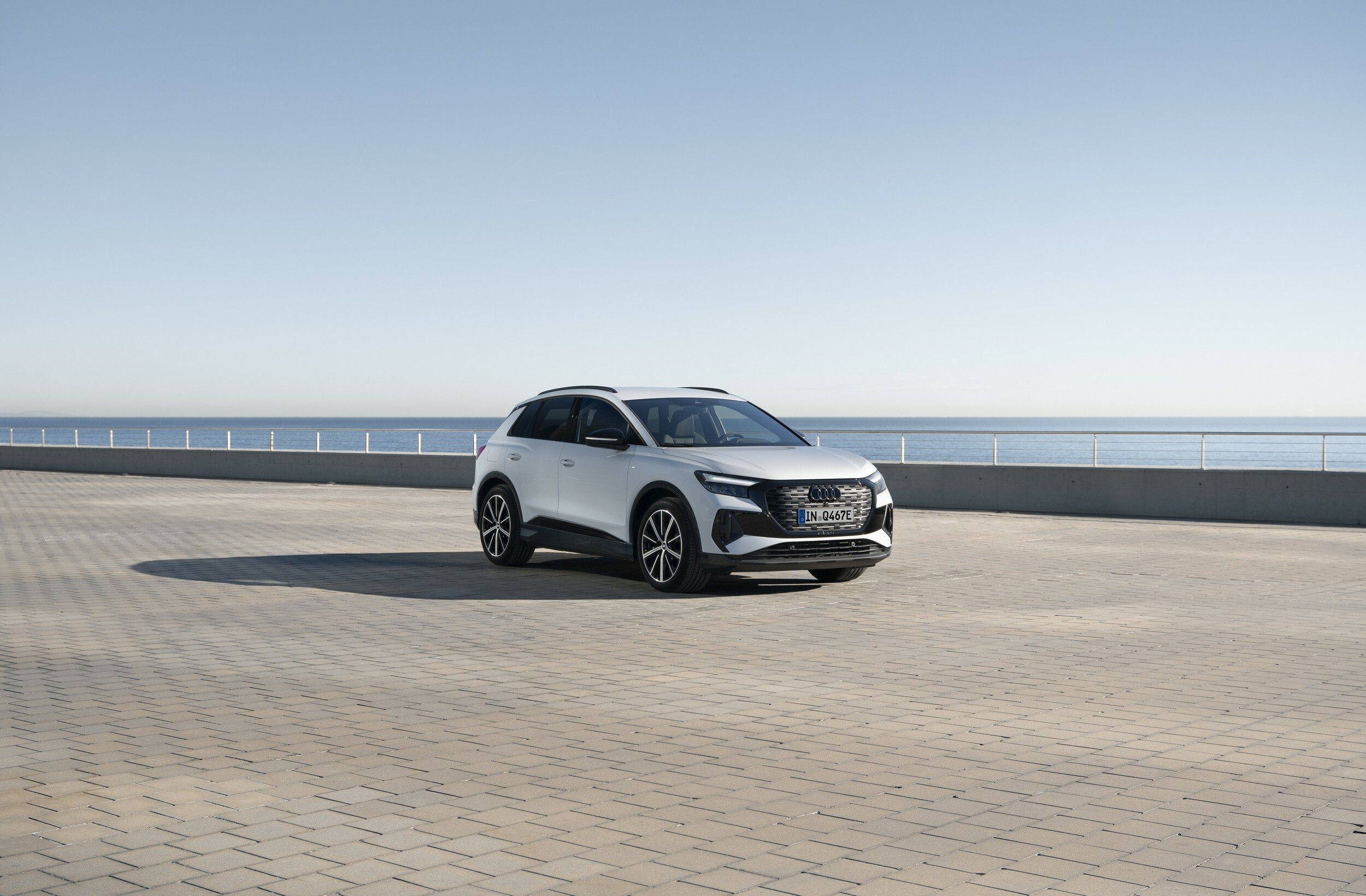
None of this should scare you off, but it should shape which car you choose. Prioritise a higher-trim example with the camera and the bigger screen, confirm the infotainment software has had its updates applied, and you sidestep the bulk of the moans you will read on the forums. The hardware underneath, the MEB platform shared with the VW ID.4 and Skoda Enyaq, is well understood and broadly dependable.
Running costs, tyres and the checks before deposit
An EV used buy is not a free ride on running costs, and the Q4 has its own profile. Insurance groups are higher than an equivalent petrol Q3, tyres on the larger wheels are not cheap, and as a car that cost over £40,000 new the Q4 e-tron fell into the UK luxury-car VED supplement, which from April 2025 also applies to electric cars in the years it is due. Servicing is light compared with a combustion Audi, but it is not zero, and a main-dealer service plan is worth pricing if you want predictable bills.
Before you put down a deposit, run the basics and a few EV-specific ones. Check the V5C, the MOT and service history, and run a DVSA recall lookup on the VIN at gov.uk’s vehicle recall service. Then add the EV checks: confirm the battery state of health if the seller can pull it, ask for the charging cables and the heat-pump status, and check the tyres are an EV-rated fit rather than cheap budget rubber. If you are weighing the Q4 against a rival used EV, our Tesla Model 3 used buyer’s guide is the obvious cross-shop, and buyers moving up from a smaller premium EV often look at the Volvo EX30 first.
Why buying inside the Audi Approved Used network matters here
On an early premium EV, the warranty and history wrapper is worth paying for. Audi Approved Used cars come with a multi-point inspection, a manufacturer-backed warranty and the reassurance that the high-voltage system has been signed off by a franchised dealer rather than an independent forecourt. For a battery EV where the expensive component is the battery and the drive unit, that matters more than it would on a used petrol car. The MEB hardware is dependable, but a single out-of-warranty high-voltage repair dwarfs the premium you pay for an approved car.
Audi also runs periodic incentives through its approved-used programme. There have been reports of a £200 insurance contribution on online Audi Approved Used orders running to 30 June 2026; treat that as a reported offer to confirm with the dealer at the time of purchase rather than a banked saving, because these deals move and vary by car. The bigger value is structural: an inspected, warranted EV with a clean history is the safer second-hand electric buy, and it is exactly the wrapper we would want on a car this young.
How the used Q4 stacks up against leasing one on payroll
Buying used is not the only sensible route into a Q4. If you are a higher-rate taxpayer with a workplace scheme, a brand-new car on salary sacrifice can land at a net monthly cost that rivals owning a used one outright, because the benefit-in-kind on EVs is still low. We run the full numbers in our Audi Q4 e-tron salary sacrifice math, and the broader trade-offs in our guide to the hidden costs of salary-sacrifice EVs and the rules behind Octopus EV versus Loveelectric.
The split is straightforward. Salary sacrifice suits a PAYE higher-rate taxpayer who wants a new car, full warranty and a bundled package, and who is confident they will stay with the employer for the term. Buying a two-year-old Q4 outright suits a cash buyer, a self-employed reader without scheme access, or anyone who simply wants to own the car at the end with no balloon, no mileage cap and no early-exit risk. On pure cost per mile over five years, the depreciated used car is hard to beat for an owner who keeps it.
Warranty and battery cover: what carries over
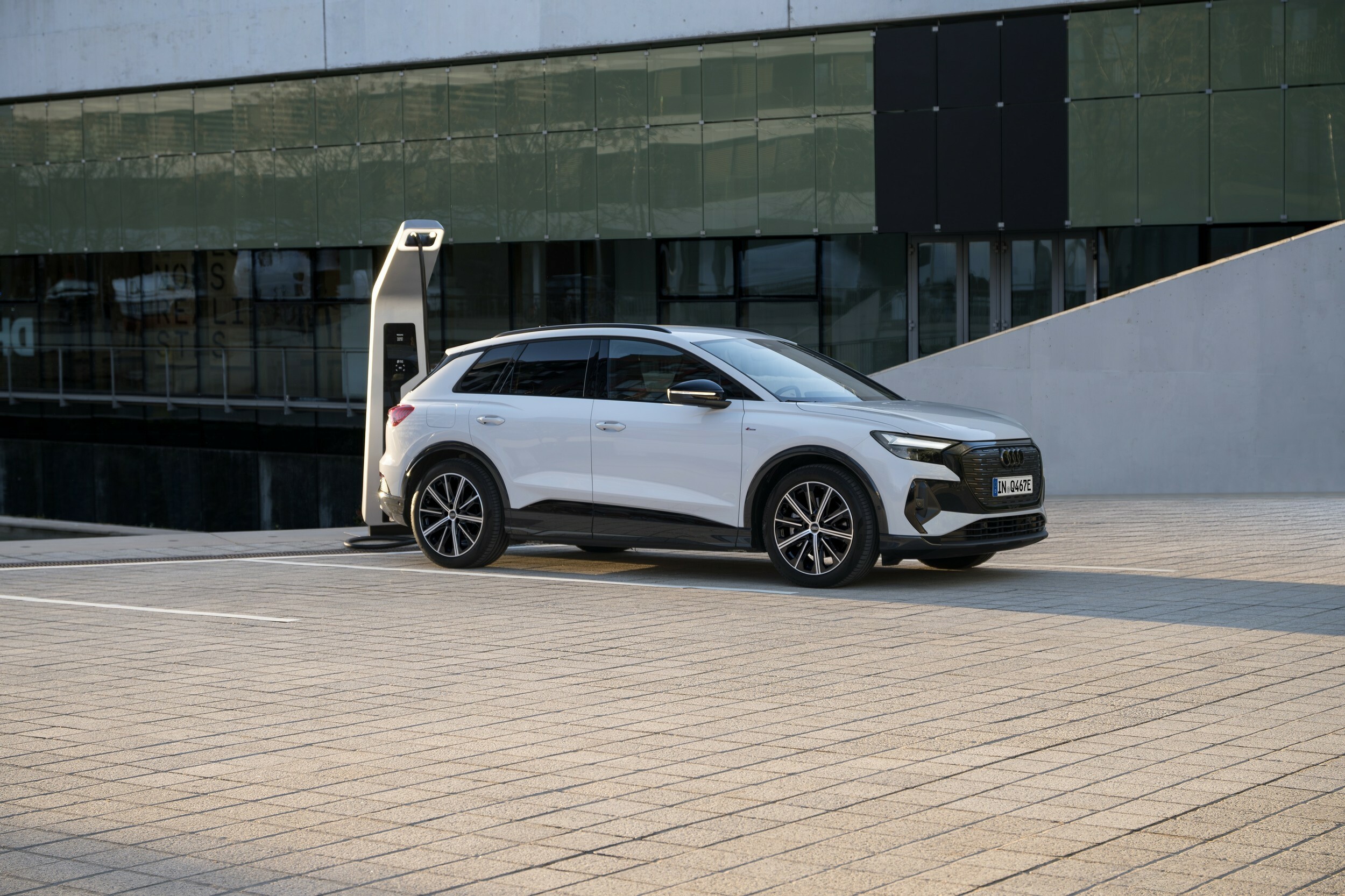
The reassuring part of a young used EV is how much factory cover is still in place. Audi’s standard new-car warranty is three years, but the high-voltage battery carries a separate 8-year or 100,000-mile warranty against a drop below a stated capacity threshold, so a 2022 or 2023 car still has years of battery cover left regardless of who owns it. An Audi Approved Used purchase then layers a further manufacturer-backed warranty on top. If you want to understand how factory, approved-used and aftermarket cover interact on an electric car, our explainer on EV warranty cover decoded and our look at approved-used warranties across BMW, Audi and Mercedes are the places to start.
Specs: Audi Q4 e-tron 82kWh at a glance
| Spec | Audi Q4 40 e-tron (82kWh) | Source |
|---|---|---|
| Usable battery | around 77kWh (82kWh gross) | Carwow specs |
| WLTP range (early car) | up to about 316 miles | Carwow specs |
| Drive | single motor, rear-wheel drive | Carwow specs |
| Battery warranty from new | 8 years / 100,000 miles | Audi UK warranty |
| Typical used price (2022/23, mid-2026) | around £22,490 to £23,995 | AutoTrader-reported |
Our take on the Audi Q4 e-tron used
The Audi Q4 e-tron used is one of the clearest premium-EV value cases on the UK market in 2026. A 2022 or 2023 82kWh ’40’ at around £22,490 to £23,995 gives you a genuine Audi cabin, around 250 to 270 miles of real summer range and years of remaining battery warranty, for roughly half what the first owner paid. The case to buy is strong if you target the 82kWh car, skip the small-battery ’35’, and choose a higher trim with the camera, larger screen and heat pump. Buy inside the Audi Approved Used network so the history and high-voltage system are signed off, and treat any insurance-contribution offer as a bonus to confirm, not a reason to rush. Walk away if the only car in budget is a base ’35’, or one with no service history, an unupdated infotainment system and budget tyres. For an owner who keeps it, the depreciation has already happened, and that is exactly when these cars make sense. Our score: 8.4/10.
Is a used Audi Q4 e-tron a good buy in 2026?
Which Audi Q4 e-tron battery should I avoid used?
How much has the Audi Q4 e-tron depreciated?
What goes wrong on a used Audi Q4 e-tron?
Does the battery warranty transfer to a used Audi Q4 e-tron?
Should I buy a used Q4 e-tron or lease a new one on salary sacrifice?
How we researched this guide
Every pick here is shortlisted from hands-on testing and time spent living with the hardware by the CDE desk, then sanity-checked against current UK pricing, manufacturer specs and real-world performance before it makes the cut. We never rank for commission — affiliate links don't change the order.
Buyer action
Where to check next
Use this as the final check before paying a deposit, signing finance paperwork or relying on a headline monthly figure.