
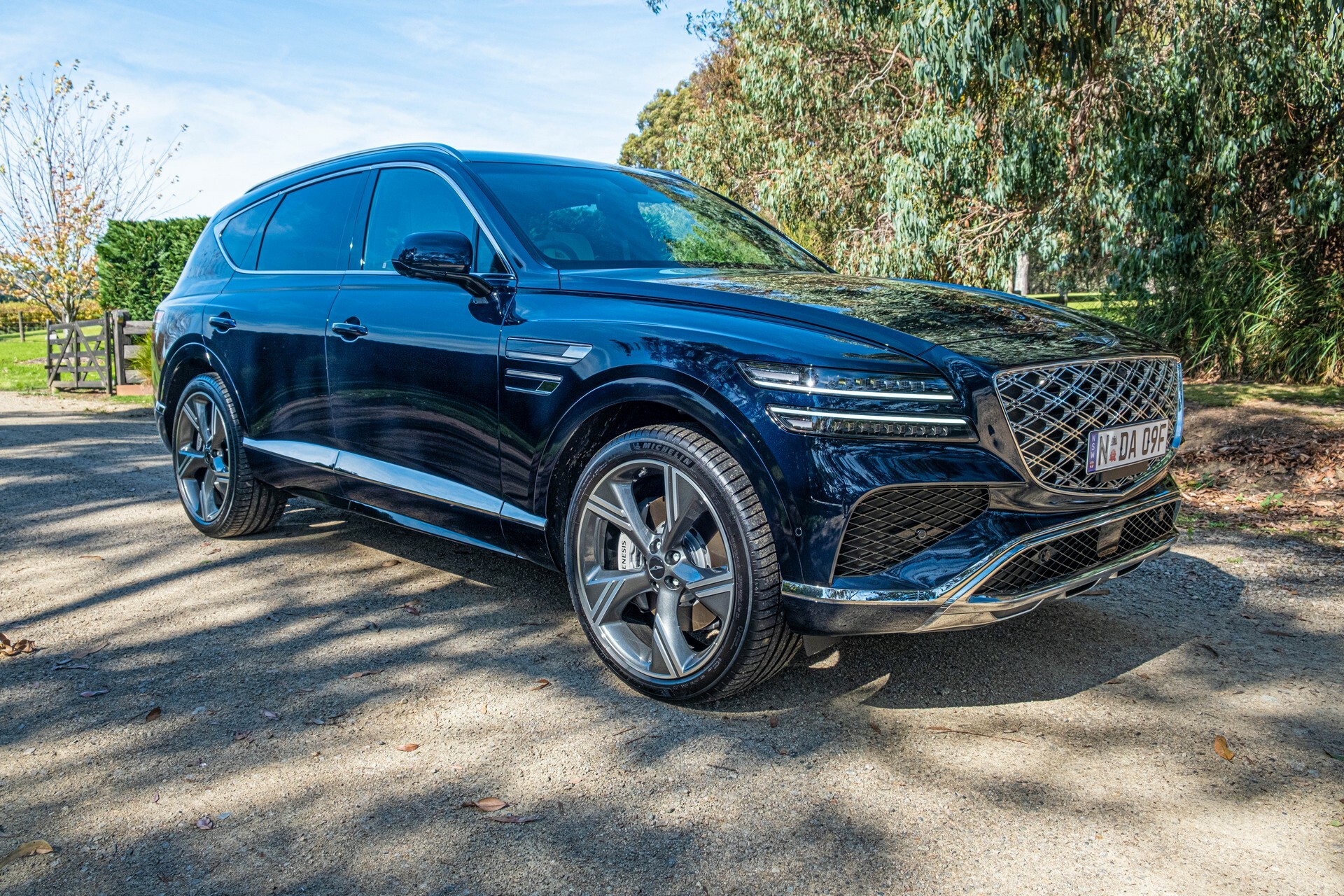
The Genesis GV80 is the full-size luxury SUV most UK buyers never put on the shortlist, and that is exactly why it now makes sense as a used buy. It launched here in summer 2021 from £56,715 on the road, took aim squarely at the BMW X5, Audi Q7 and Mercedes GLE, then depreciated faster than any of them because the badge was unknown. Our view: a clean 2021-2022 example at £30,000 to £45,000 is one of the smartest left-field premium SUV buys on the market, provided you check the service trail and the remaining Care Plan before you put down a deposit.
What real owners say (CDE data)
CDE reviewed owner discussion across the GV forums and PistonHeads alongside the published Euro NCAP result and the UK Genesis ownership terms, cross-checked against Auto Trader and Parkers used-listing data in June 2026. We did not run a count of forum posts; the themes below are the recurring threads, not a survey.
- Most-praised aspects: the cabin quality and quietness, the standard Care Plan that includes collection and a courtesy car, and the value against a like-for-like German rival.
- Most-criticised aspects: a firm low-speed ride on the larger wheels, real-world fuel economy from the 2.5T petrol, and the very small dealer network if you live outside the South East.
- Reliability signal: Genesis shares much of its mechanical hardware with Hyundai and Kia, and the GV80 carries a five-star Euro NCAP rating from 2021 (91% adult occupant, 87% child). Owner-reported faults centre on infotainment glitches rather than drivetrain failures, but every used buy still needs a DVSA recall check by registration.
Why the GV80 undercuts the X5 on the used forecourt
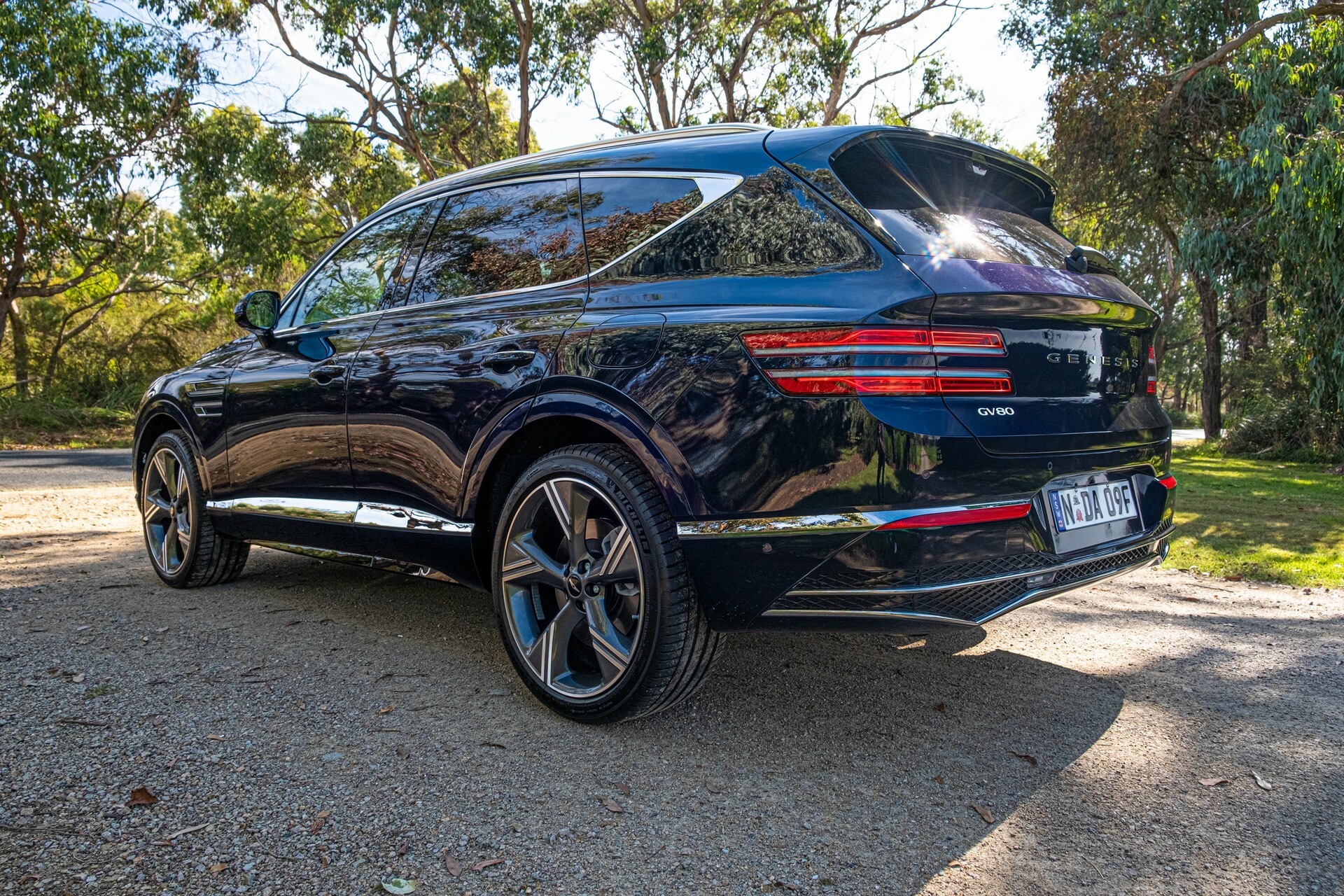
New, the GV80 was never the cheap option: it opened at £56,715 on the road in 2021 (AM-Online, May 2021), pitched directly at the BMW X5, Audi Q7, Mercedes GLE and Range Rover Sport. What changed is depreciation. As an unknown badge with no residual-value history, the GV80 fell harder than its German rivals, and that is the used buyer’s opening. Parkers now lists early 3.0D cars from around £22,980 to £30,795, with well-specified 2.5T Luxury examples up to roughly £45,035 (Parkers used prices, June 2026). A 2021 3.0D with under 30,000 miles was listed at £32,000 on Auto Trader in the same window. If you have been weighing the obvious German choices, our BMW X5 G05 used buyer’s guide shows how much more you pay for the blue-and-white roundel on the same money.
Which engine and trim to buy
The UK only ever got two engines, so the choice is simpler than the German rivals. The 3.0-litre straight-six diesel (around 274bhp) is the one most buyers should want: it suits the GV80’s 2.3-tonne kerb weight, returns the better real-world economy on a long commute, and is the dominant engine in used stock. The 2.5-litre turbo petrol (around 300bhp) is smoother and quieter but thirsty, with Parkers quoting figures in the high-20s mpg; it makes sense only for low-mileage town and weekend use. The 3.5 V6 twin-turbo petrol sold in other markets did not come to the UK, so do not let an importer talk you into one. Trim-wise, Luxury and Luxury Plus add the quilted leather and the technology that make the cabin feel special; the entry Premium Line is still well equipped but plainer.
The Care Plan is the GV80’s secret weapon, if it transfers
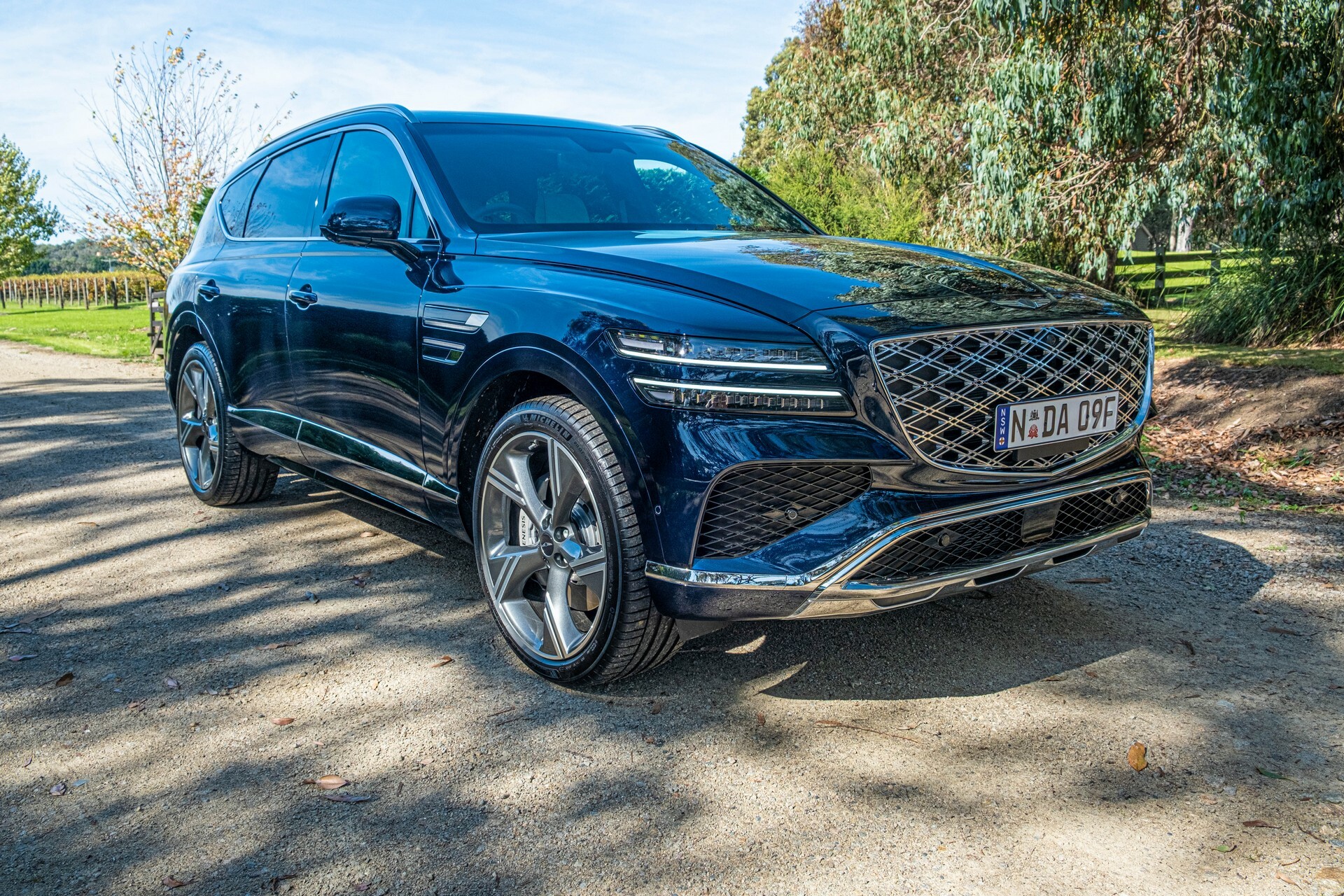
Genesis sells without traditional commission-paid dealers: fixed prices, a Personal Assistant who can bring the car to you, and a single UK studio at Westfield in west London plus a handful of partner sites (Autocar). The headline benefit for a used buyer is the 5 Year Care Plan: the warranty plus five years of servicing, year-round roadside assistance, a courtesy car and at-home collection and delivery, all running to five years or 75,000km from first registration. Genesis confirms the plan covers scheduled servicing free of charge and includes map and software updates (Genesis UK). On a 2021 car bought in 2026 there may be little Care Plan left, so confirm the exact expiry date and what transfers to a second owner before you commit. That remaining cover is worth real money against the open-market servicing bills you would face on a used X5 or Q7.
Checks before you put down a deposit
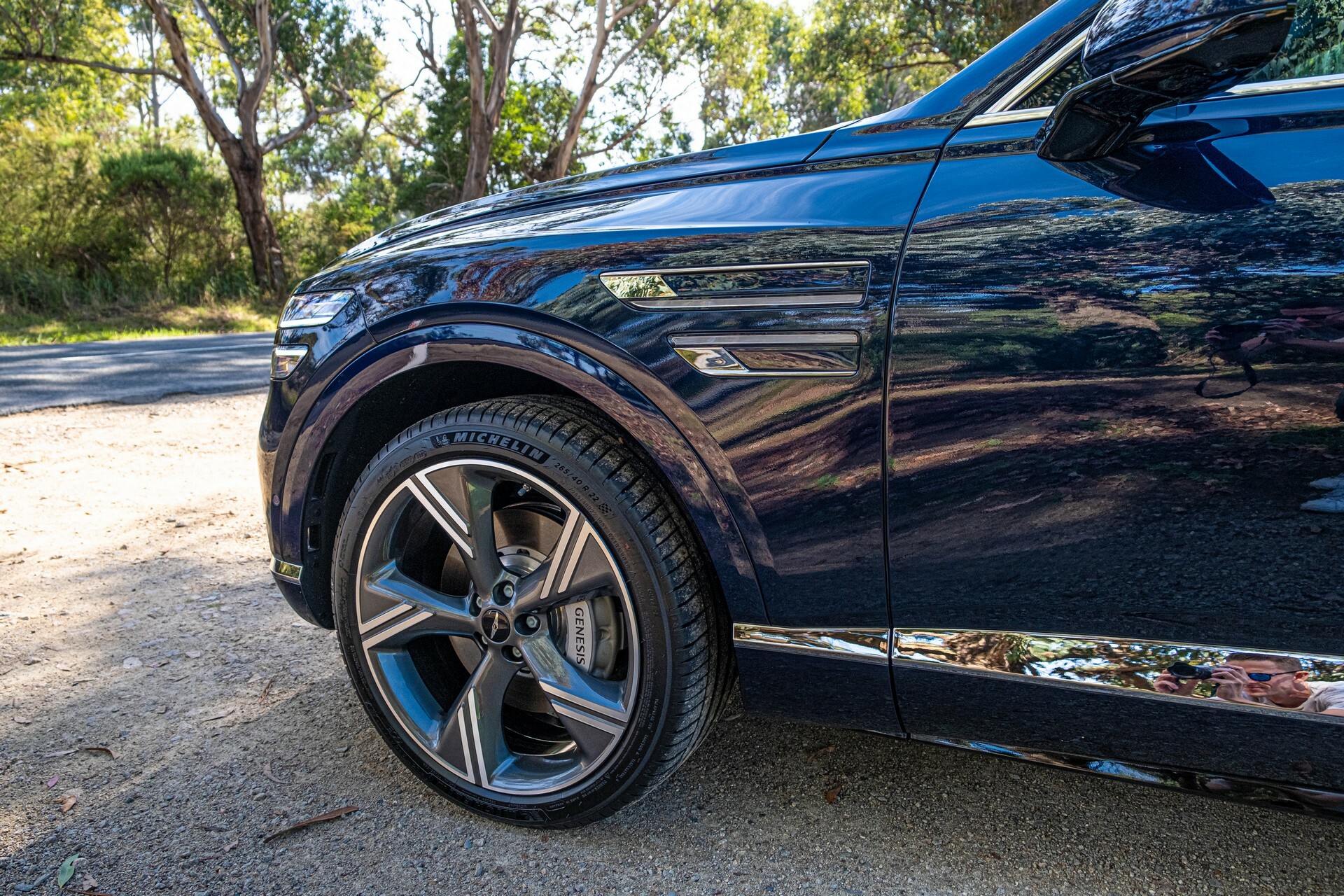
Treat the GV80 like any heavy premium SUV. Confirm a complete service history: with so few official sites, some owners used independents, so check the work was done to schedule and with the right parts. Run an HPI or finance check, because a car this size is often bought on PCP and may carry outstanding finance. Inspect tyres and brakes carefully; a 2.3-tonne SUV on 20 or 22-inch wheels eats both, and a fresh set of matched premium tyres alone can run to four figures. Check the infotainment and the 360-degree cameras work fully, as software niggles are the most common owner gripe. Finally, look up the registration on the DVSA recall service and the gov.uk MOT history. The same discipline we set out in our Audi Q7 common faults guide applies here: the bills that flip the value case are tyres, brakes and air suspension components, not the engine.
Running costs a UK owner should budget for
The GV80’s running costs sit where you would expect for a large premium SUV, with two swings in the buyer’s favour. Servicing on a car still inside the Care Plan is covered, which removes the single biggest variable cost in the first years of ownership. Against that, the diesel attracts standard VED and, because the original list price topped £40,000, cars registered when new will have been inside the expensive-car VED supplement window for their first years; confirm the current annual rate against the gov.uk vehicle tax tables for the registration date. Insurance sits in the upper-middle premium-SUV bands, so price up cover before you buy rather than after. Tyres, as above, are the recurring big-ticket item. If you are comparing the GV80 against the more conventional badge, our Mercedes GLE W167 used guide sets out a useful cost benchmark on similar money.
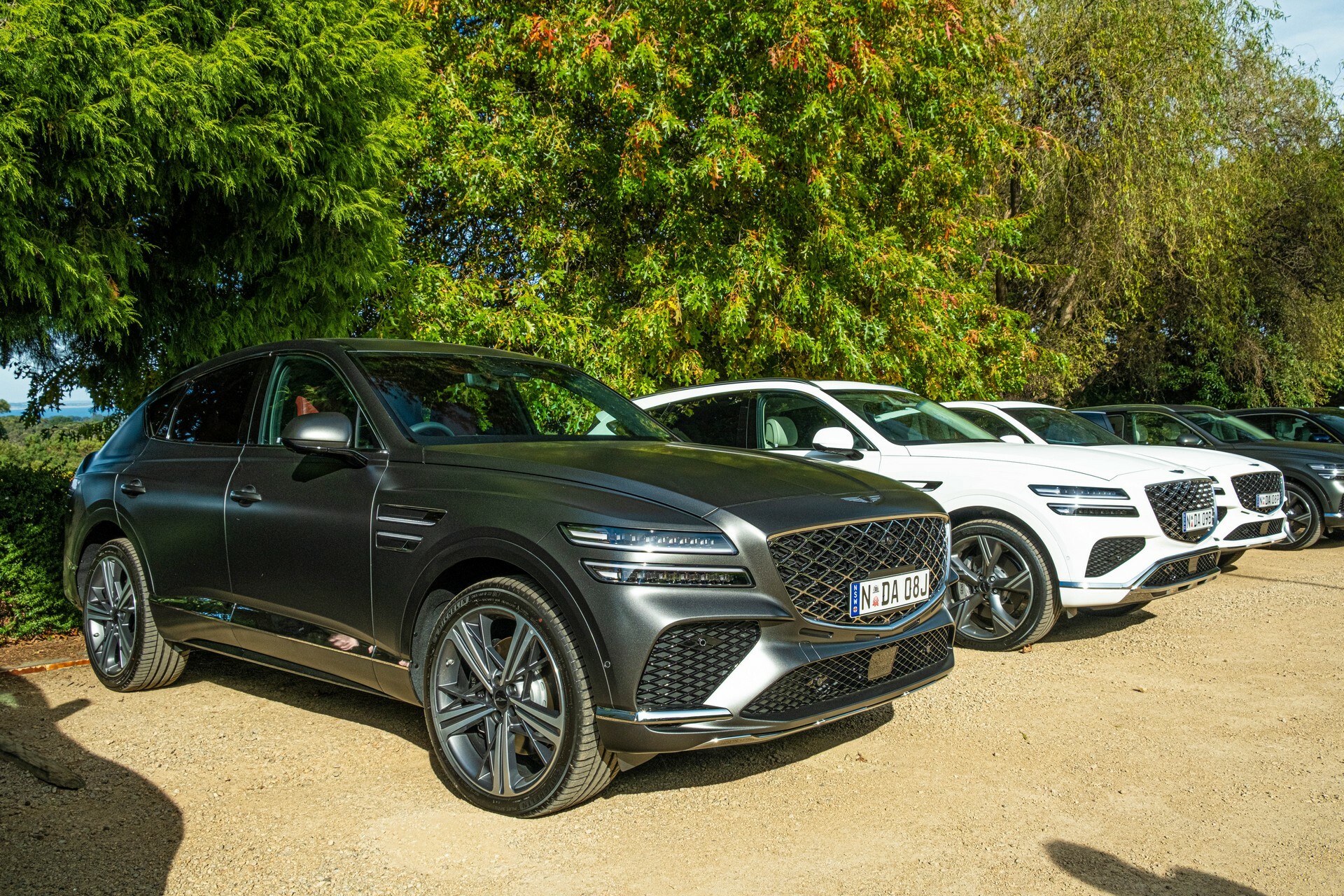
How the Genesis GV80 stacks up against the German default
On the road, the honest reviews are consistent: the GV80 is plusher and quieter than an X5 but not as sharp to drive, and the cabin, while gorgeous, does not quite match the German build precision (What Car). Where it wins on the used market is the combination of equipment, the Care Plan and the lower entry price. A buyer who values quiet long-distance comfort and standout interior design over the last ten per cent of handling, and who does not need a main-dealer on every high street, gets more car for the money here. If your shortlist also includes Genesis’s smaller SUV, our Genesis GV70 used buyer’s guide and the case we made for why a two-year-old GV70 undercuts a fresh Audi Q5 follow the same logic one size down.
Where the warranty and finance risk really sits
The two risks that change the answer are both paperwork, not mechanical. First, the Care Plan: if it has expired or does not transfer cleanly to you, factor the cost of an independent aftermarket warranty into the price, and read the wording carefully, because the exclusions on a large SUV can be wide. Our guide to used car warranty exclusions in 2026 shows what typical cover leaves out. Second, finance: many GV80s were sold on PCP, so an HPI check is non-negotiable, and if you are funding the purchase yourself, weigh the options before signing. You can read more buyer-side guidance across our used buying guides. Get those two right and the GV80’s value case holds; get them wrong and a cheap-looking car becomes an expensive one.
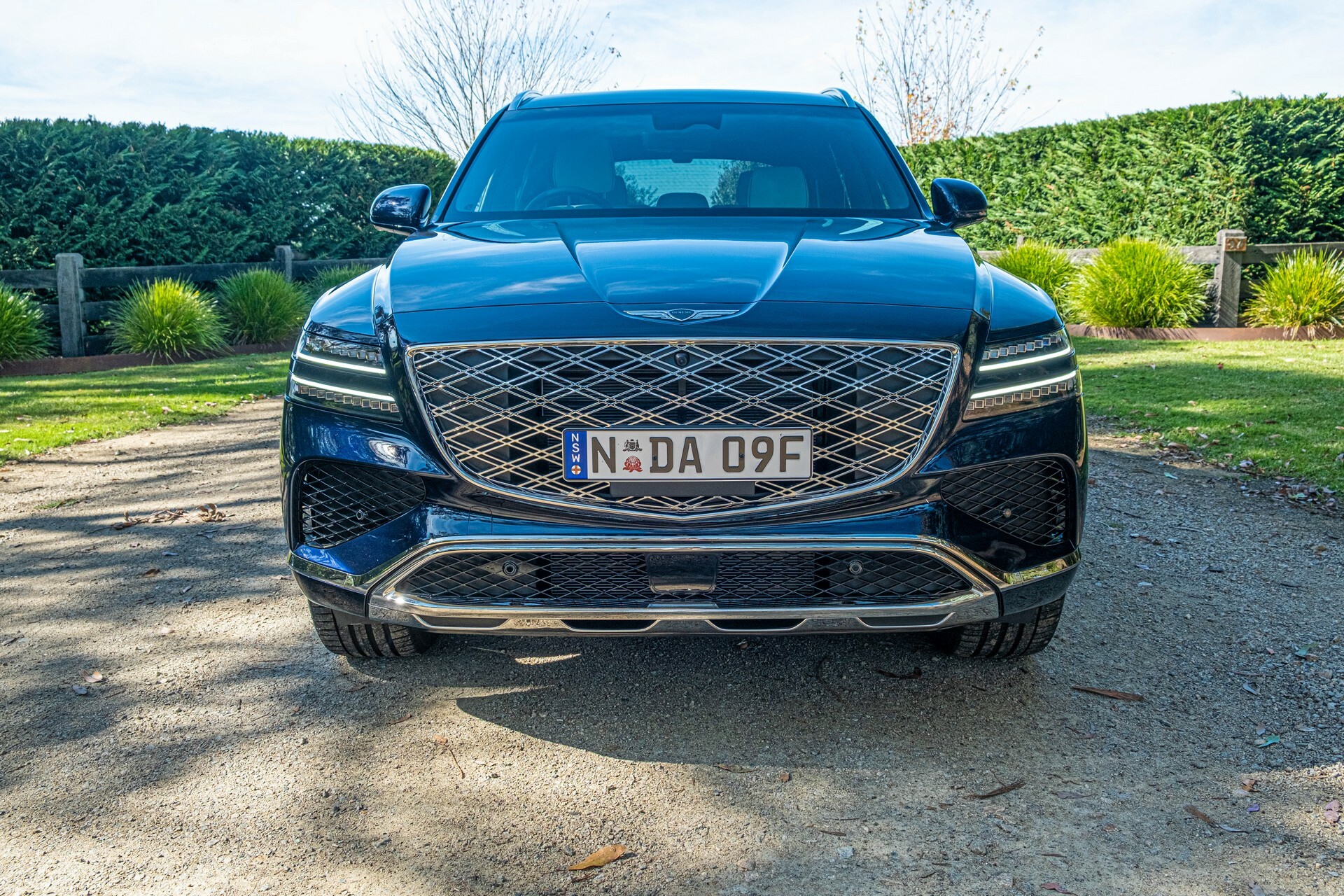
Where to check a GV80 before you buy
Before money changes hands, work through these UK sources for the specific registration in front of you:
- Check the gov.uk MOT history for advisories and mileage consistency.
- Run the DVSA vehicle recall service by registration to confirm any outstanding safety work.
- Confirm the current VED rate against the gov.uk vehicle tax tables for the car’s first-registration date.
- Scan live asking prices on Auto Trader and read owner threads on PistonHeads for the trim and engine you want.
- Ask the seller for the remaining Genesis Care Plan expiry date in writing and confirm what transfers to you.
- Run a finance and HPI check, because a car this size is frequently still on PCP.
Our take
Our score: 8.0/10
The Genesis GV80 is a genuinely clever used buy for the UK buyer who can see past the badge. You get a quiet, beautifully finished full-size luxury SUV with a five-star Euro NCAP rating and, on the right car, a chunk of transferable Care Plan, for thousands less than an equivalent BMW X5 or Audi Q7. The 3.0 diesel in Luxury trim at £30,000 to £45,000 is the sweet spot. We would buy the one with the boring, complete service history and the most warranty left, and we would walk away from any car with patchy paperwork, a worn set of big wheels and no Care Plan, because that is where the savings quietly evaporate. The small dealer network is the only real lifestyle compromise; for most UK buyers, the collection-and-delivery model offsets it. As a left-field premium SUV that undercuts the German default, it earns its place on the shortlist.
Is a used Genesis GV80 reliable?
The GV80 shares much of its mechanical hardware with Hyundai and Kia and has no pattern of major drivetrain failures in UK owner reports. The most common gripes are infotainment software glitches rather than expensive faults. It earned a five-star Euro NCAP rating in 2021. As with any used premium SUV, the variable costs are tyres, brakes and suspension components, so budget for those.
How much is a used Genesis GV80 in the UK?
Parkers lists early 3.0 diesel cars from around £22,980 to £30,795, with well-specified 2.5T Luxury examples up to roughly £45,035 in June 2026. A clean 2021 to 2022 example with sensible mileage broadly sits in the £30,000 to £45,000 band, which is several thousand pounds less than an equivalent BMW X5 or Audi Q7 of the same age.
Which engine should I buy in a used GV80?
The UK only sold two engines: a 3.0-litre straight-six diesel of around 274bhp and a 2.5-litre turbo petrol of around 300bhp. For most buyers the diesel is the better choice on economy and torque for a 2.3-tonne SUV. The petrol is smoother but thirsty. The 3.5 V6 twin-turbo petrol sold abroad never came to the UK, so avoid grey imports.
Does the Genesis Care Plan transfer to a used buyer?
The Genesis 5 Year Care Plan covers warranty, servicing, roadside assistance, a courtesy car and at-home collection for five years or 75,000km from first registration. The benefit can pass with the car, but confirm the exact expiry date and transfer terms with Genesis in writing before you buy, because on an early car there may be little cover left.
Where do you service a Genesis GV80 in the UK?
Genesis runs a small network rather than traditional dealers, with a studio at Westfield in west London and partner sites, plus an at-home collection and delivery service for owners within range. Cars inside the Care Plan are serviced free of charge by Genesis. Outside it, a marque specialist or a capable independent that uses genuine parts is the practical route, especially outside the South East.
Is the Genesis GV80 a good alternative to the BMW X5?
For a quiet, comfortable, beautifully trimmed used SUV at a lower price, yes. The X5 is the sharper car to drive and has a denser dealer network, but the GV80 rides more softly, looks distinctive and undercuts it on used money. The trade-off is the limited service network and weaker residuals, which is exactly what makes it cheap to buy second-hand.
How we researched this guide
Every pick here is shortlisted from hands-on testing and time spent living with the hardware by the CDE desk, then sanity-checked against current UK pricing, manufacturer specs and real-world performance before it makes the cut. We never rank for commission — affiliate links don't change the order.