A Clean Air Zone charge, and the wider ULEZ rules that came before it, now shape what an older premium diesel is worth on the UK used market. The short version: a non-compliant Euro 5 or pre-2015 diesel Range Rover, Audi Q7 or BMW X5 tends to sit cheaper than its compliant Euro 6 twin, and that gap is the opportunity, or the trap, depending on where you actually drive. We will show who should pocket the discount and who should walk away.
This is general information, not personal financial, tax or legal advice; figures depend on your circumstances and the rates current when you read this. CDE has not independently driven or inspected every individual vehicle referenced. Always confirm current rates with the cited gov.uk, HMRC or FCA source before you commit.
What real owners say (CDE data)
- Most-praised aspects: the value on offer when a clean Euro 6 diesel is bought by someone who never enters a charging zone; long-distance refinement and towing; lower outlay than an equivalent petrol or hybrid.
- Most-criticised aspects: uncertainty over future zone expansion; confusion between ULEZ, LEZ and Clean Air Zone rules; resale softness on older non-compliant cars when a city buyer walks.
- Compliance signal: owners repeatedly flag that compliance hinges on Euro 6 for diesel and the registration date, not the badge or trim, and that the only safe check is the gov.uk vehicle lookup by number plate.
How ULEZ and the charging rules actually work
London’s Ultra Low Emission Zone is the rule most buyers meet first. To avoid the daily charge, a diesel must meet Euro 6 and a petrol must meet Euro 4, otherwise the driver pays £12.50 a day, per Transport for London. The zone expanded to cover all 32 London boroughs on 29 August 2023, so the catchment is now almost everything inside the M25, not just central London. As a rule of thumb that lines up with the standards, most diesels built before September 2015 fall the wrong side of Euro 6, while petrols from 2006 onward are usually fine. For a premium buyer, that single date does more to set the used price of an older diesel than mileage or service history.
Which UK cities charge a private car, and which do not
This is where most buyers get the risk wrong. Outside London, charging zones run in Bath, Birmingham, Bradford, Bristol, Portsmouth, Sheffield and Tyneside, per gov.uk. The classes matter: only a Class D zone charges private cars, and just Birmingham and Bristol run Class D. The others are Class B or C, which charge taxis, vans, buses or lorries but leave your private diesel alone. Greater Manchester does not charge private cars; its scheme was reworked away from car charging. So the realistic UK exposure for a private premium diesel is London ULEZ first, then Birmingham and Bristol. A reader in rural Yorkshire or the Cotswolds may never touch a charging zone from one year to the next, which flips the whole sum in their favour.
Why the older premium diesel carries a discount
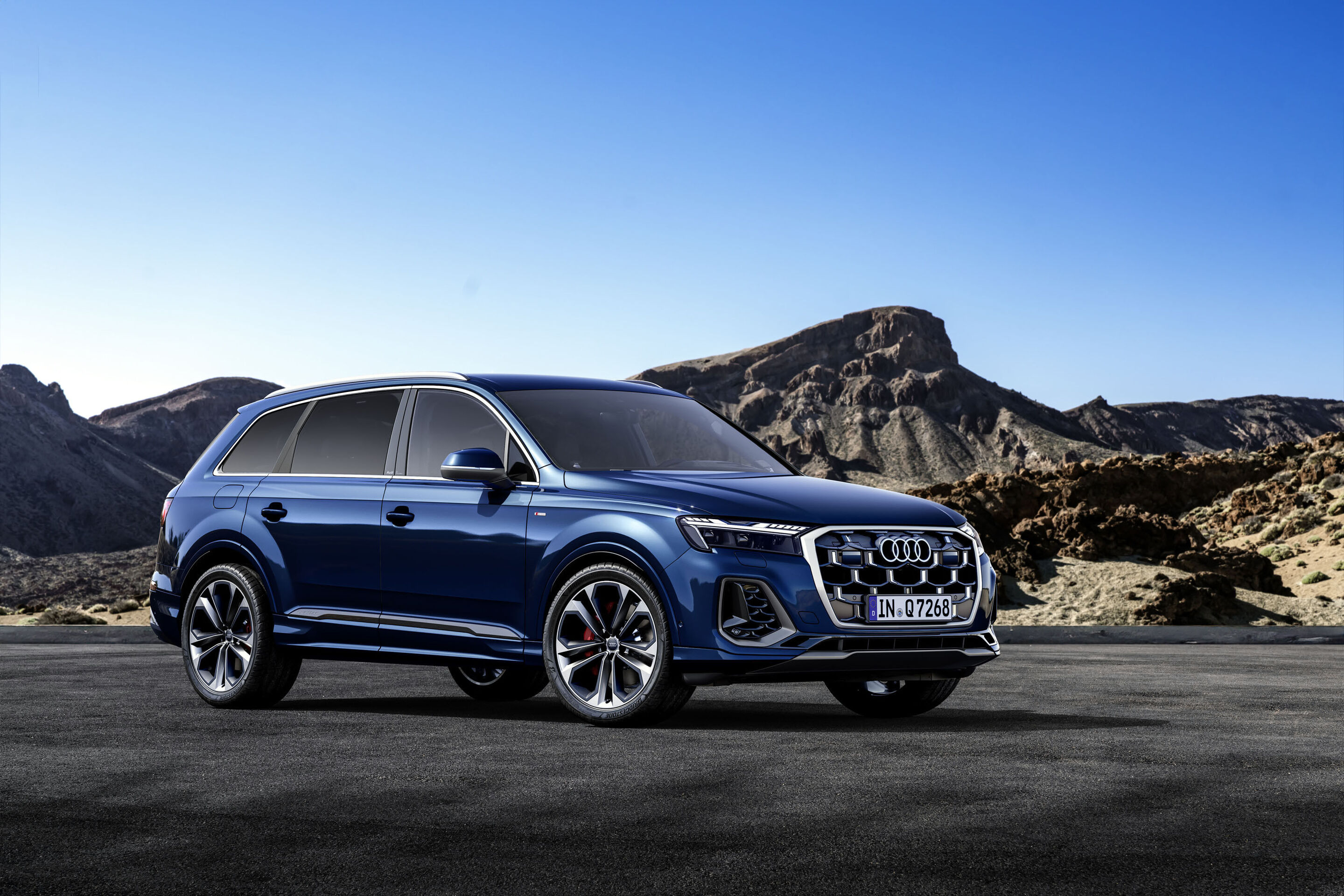
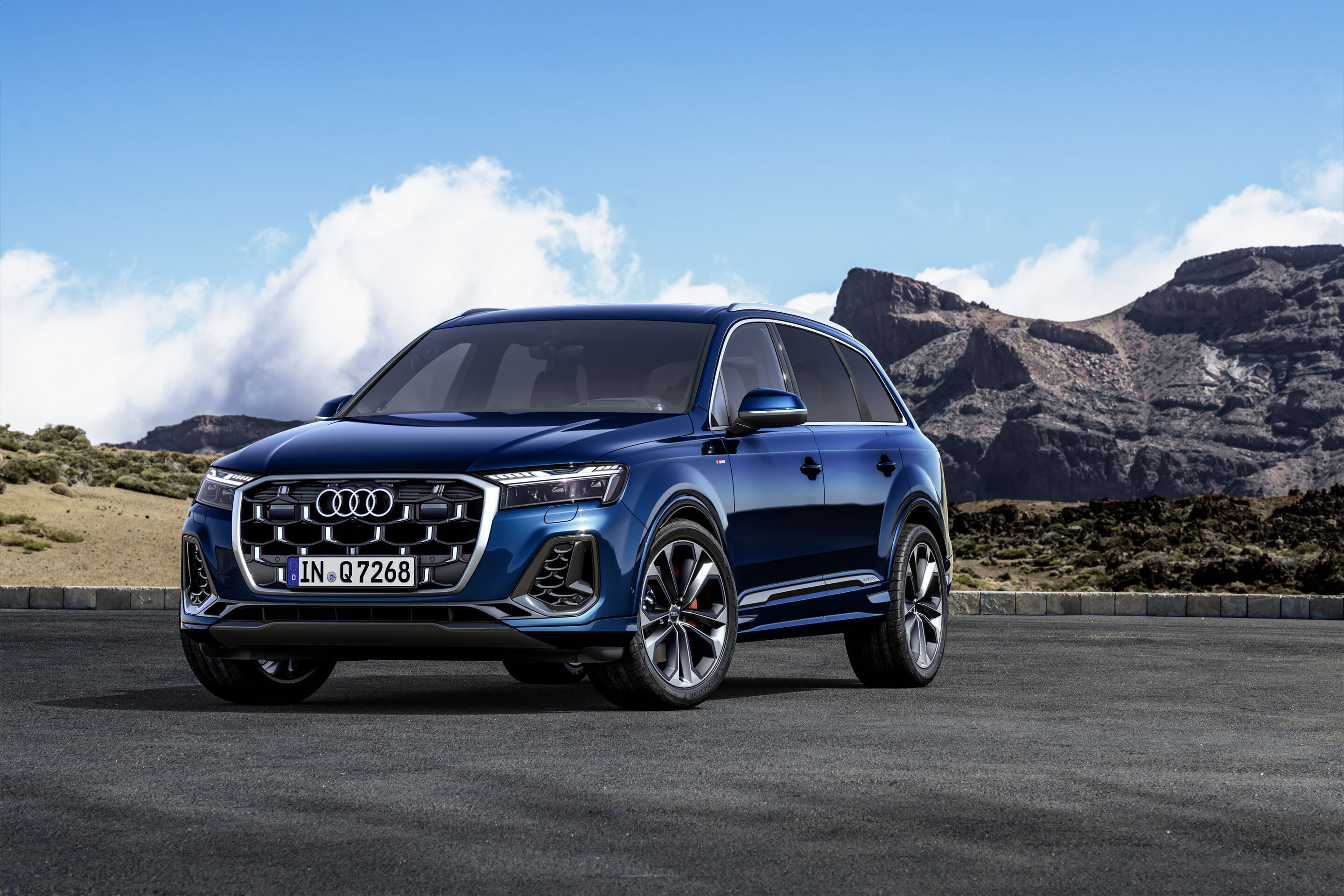
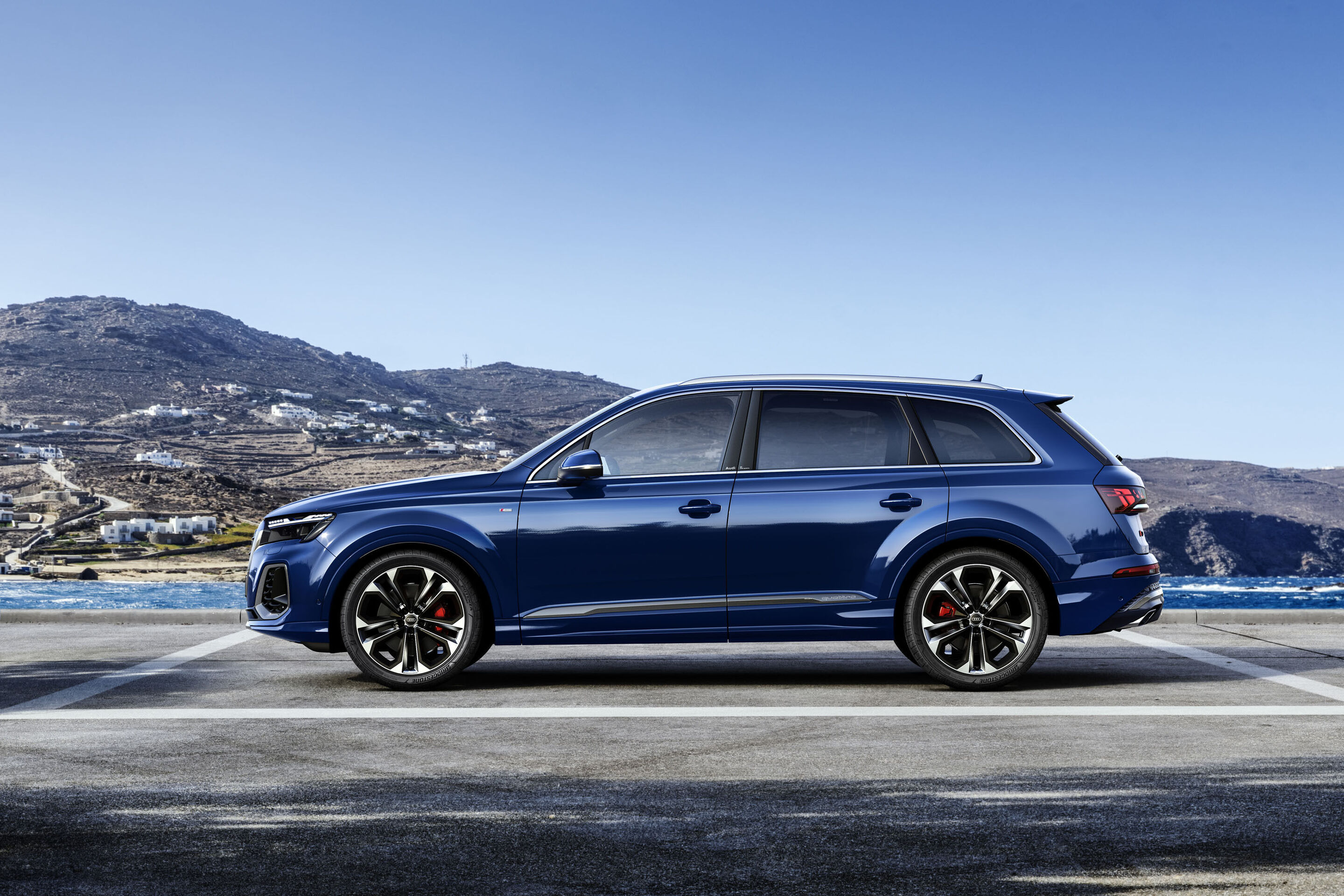
Demand sets used prices, and a non-compliant diesel loses the slice of buyers who live or work near a charging zone. Auto Trader’s Retail Price Index commentary has tracked how emissions policy and fuel-type sentiment move used values, with diesel demand softer in urban postcodes than in rural ones. The effect is sharpest on big, thirsty premium diesels that were already depreciating hard: an older diesel Range Rover Vogue L405, a first-generation Audi Q7 4M or an earlier BMW X5 can trade below where the same car would sit if it cleared every zone. That discount is real money for a buyer who never pays the charge.
The Euro 6 premium diesel that clears the zones
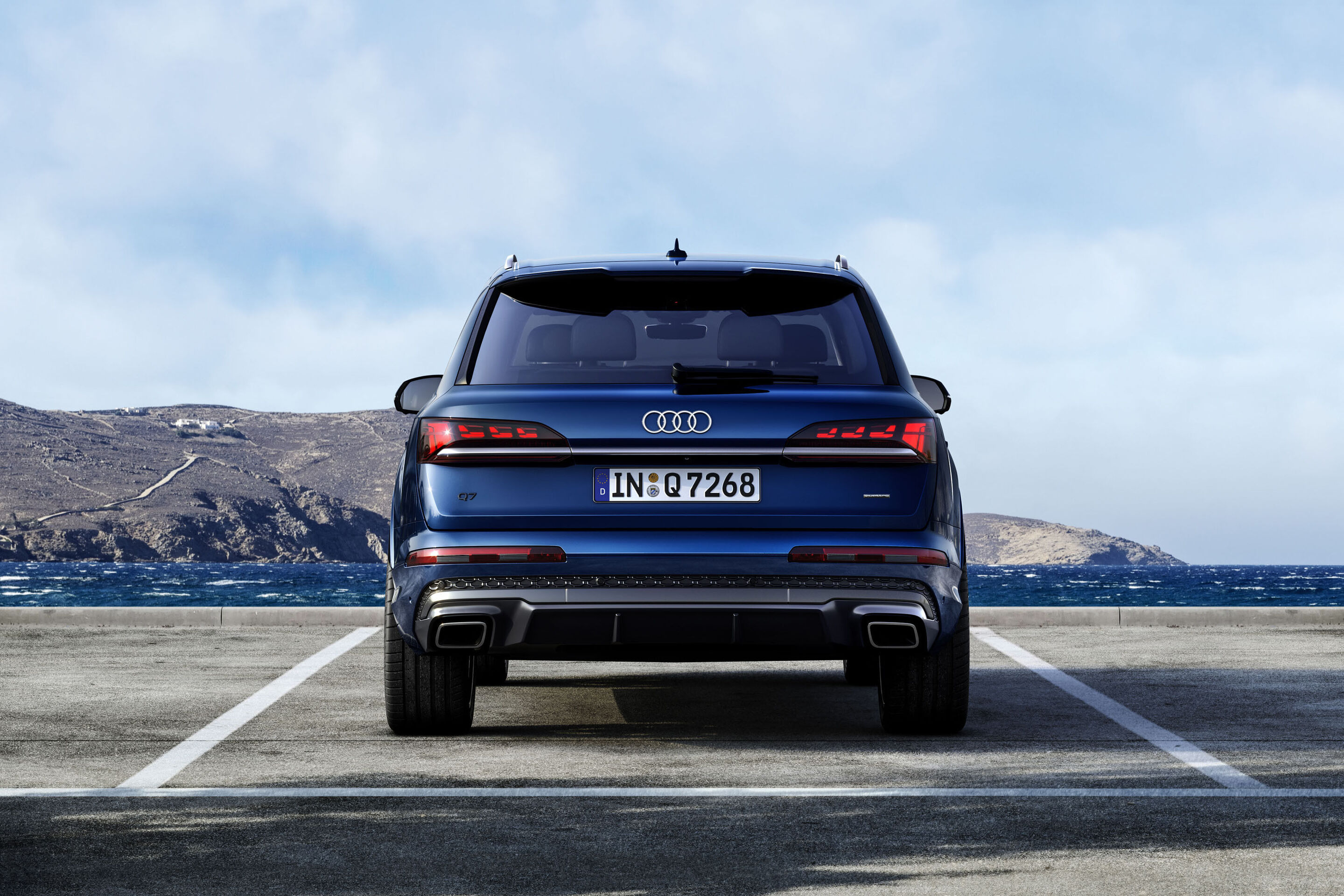
The flip side is the buy we like most for the right reader. A compliant Euro 6 diesel, broadly the post-September-2015 cars, drives into London ULEZ and every Class D zone without paying a penny, yet it still benefits from the wider market nervousness around diesel. That is the sweet spot: pay the softer diesel price, but own a car that is not actually exposed to the charge. A clean Euro 6 diesel Land Rover Discovery 5, a later Audi Q8 50 TDI or a Mercedes GLE 300d can be a genuine value play for a long-distance or towing buyer, especially against the higher sticker of an equivalent petrol or plug-in hybrid, and it remains one of the best diesel SUVs for towing if you still need the torque.
The running-cost picture beyond the daily charge
The zone charge is rarely the only cost that moves the answer. A premium diesel SUV is expensive to insure and to maintain whatever its emissions rating, and an older non-compliant car can also attract higher first-year and standard road tax bands depending on its original CO2 figure. Insurance on big Land Rover and Range Rover models in particular has climbed sharply, as we set out in our look at why Range Rover insurance costs so much in 2026. Our view: do not let a headline discount on a non-compliant car distract you from a five-figure annual ownership bill. If the discount is £3,000 but you would pay the £12.50 charge most working days, the maths unwinds inside a year; 200 charged days is £2,500 alone.
Compliance is a registration fact, not a guess
Two cars with the same badge and year can land on opposite sides of the line, because Euro 6 phased in across model ranges at slightly different dates. According to the gov.uk check-clean-air-zone-charge service, you can enter any UK number plate and see at once whether that specific vehicle pays in each charging zone. Do this before you put down a deposit, not after. We have seen buyers assume a 2015 diesel is fine, only to find an early-2015 build predates the engine’s Euro 6 certification. The registration document and the gov.uk lookup are the only proof that counts; a dealer’s verbal “it’s ULEZ exempt” is not.
Will the zones spread, and does that kill resale
The honest answer is that policy can change, and that uncertainty is part of why older diesels are cheap. Manchester walked back car charging; other authorities have paused or reshaped schemes after consultation. We would not bet a purchase on a non-compliant diesel staying cheap to run forever, but nor would we assume every market town is about to charge cars. The pragmatic read: a compliant Euro 6 diesel is insulated from most of this risk, while a non-compliant car is a calculated bet that only pays off if your driving stays away from London, Birmingham and Bristol. If you plan to sell within three years, the compliant car will be far easier to move on.
Before you put down a deposit
Run these checks before you commit to any older premium diesel:
- Enter the exact number plate into gov.uk check if you need to pay a Clean Air Zone charge and screenshot the result.
- Confirm the ULEZ position separately on the Transport for London ULEZ checker if London is on your route.
- Pull the MOT and mileage record on gov.uk MOT history and watch for advisories on DPF, EGR and emissions.
- Cross-check any open recalls for the model on the DVSA recall lookup, and confirm the car is not a repaired Cat S or Cat N write-off before you trust a low asking price.
- Be honest about how many days a year you would actually drive into a Class D zone or London, and price the charge into your offer.
- Compare the asking price against live classifieds on Auto Trader and PistonHeads for the same engine, year and spec.
Our take on the Clean Air Zone diesel discount
The Clean Air Zone effect is a genuine buying signal, not a reason to panic. Our view: if you live outside London, Birmingham and Bristol and rarely drive into them, a non-compliant older premium diesel can be a smart, cheap way into a Range Rover, Q7 or X5, provided the insurance and maintenance maths still works for you. If you commute into any of those zones, walk away from the non-compliant car and pay the modest premium for a Euro 6 diesel that clears every gate; the daily charge will erase the discount within a year. The strongest buy is the boring one: a compliant Euro 6 diesel with full history, bought at the softer price the wider diesel market hands you, with the gov.uk plate check screenshotted before any money changes hands. Compliance is the only fact that protects resale.
For a wider view of where these cars sit, our used premium buying guides cover the engines and years that age best across each badge.
Does a Clean Air Zone charge apply to my diesel car everywhere in the UK?
What makes a diesel ULEZ compliant?
Is a non-compliant premium diesel actually cheaper to buy?
Should I buy a Euro 6 diesel or avoid diesel entirely?
How do I check if a specific car pays a charge?
MCDE Editorial
Buyer action
Where to check next
Use this as the final check before paying a deposit, signing finance paperwork or relying on a headline monthly figure.