EV salary sacrifice is the one workplace perk the November 2025 Budget left completely alone, even as the Chancellor announced a new National Insurance cap on pension salary sacrifice from April 2029. If you run a premium electric car through payroll, or you are weighing one up, nothing in that announcement touches your scheme: the £2,000 cap is a pensions-only measure, and company-car EVs sit under entirely separate Benefit-in-Kind rules. Here is what changed, what did not, and the maths that still makes a payroll EV one of the cleanest tax breaks left for a UK higher earner.
This is general information, not personal financial, tax or legal advice; figures depend on your circumstances and the rates current when you read this. CDE has not independently driven or inspected every individual vehicle referenced. Always confirm current rates with the cited gov.uk, HMRC or FCA source before you commit.
What real owners say (CDE data)
- Most-praised aspects: the all-in monthly figure (insurance, servicing, tyres and breakdown bundled), the Income Tax and National Insurance saved at source, and no personal credit check for the employee.
- Most-criticised aspects: early-exit terms if you leave the employer mid-term, the BiK percentage climbing each year, and confusion over what the 2029 pension change does (and does not) do to car schemes.
- Policy signal: HMRC’s policy paper confirms the new National Insurance charge applies to employer pension contributions sacrificed above £2,000 a year, for Class 1 NICs only; it makes no equivalent change to car or other benefit schemes.
What the November 2025 Budget actually changed
The change is narrow and specific. From 6 April 2029, only the first £2,000 of pension contributions made through salary sacrifice will stay exempt from National Insurance; earnings forgone above that limit will attract Class 1 employee and employer NICs, per HMRC’s policy paper on the reform, published 4 December 2025. HMRC estimates the average additional employee NI liability at about £84 in the first year (2029/30) for those who exceed the limit. Income Tax relief on pension contributions is untouched; this is purely a National Insurance change, and only on the slice above £2,000. The Chancellor confirmed the policy on 26 November 2025, and the House of Commons Library briefing tracks the enabling legislation.
Why EV salary sacrifice sits outside the pension cap
The reason EV car schemes escape is structural, not a loophole. A pension sacrifice is a contribution into your pension; the 2029 measure simply removes the NI exemption above £2,000 on that contribution. A car sacrifice is different: you give up salary in exchange for a company car, and that car is then taxed as a Benefit-in-Kind under separate company-car legislation. The taxable value is set by the car’s P11D value and its appropriate percentage, not by the size of the salary you sacrificed. Because the £2,000 cap is written specifically against pension contributions, it has no read-across to the BiK regime. HMRC’s policy paper is explicit that the measure removes the exemption “for employer pension contributions” for Class 1 NICs only, which is why the published scope stops at pensions and leaves car schemes alone. Our view: the policy logic is deliberate, because the Government still uses company-car BiK on electric cars to push EV adoption.
The EV Benefit-in-Kind rates that do matter
What governs the cost of a payroll EV is the appropriate percentage HMRC sets for zero-emission cars, and it is rising on a published schedule. For a fully electric (0 g/km) car the rate is 4% in 2026/27, 5% in 2027/28, 7% in 2028/29 and 9% in 2029/30, per HMRC’s company-car appropriate-percentage tables (rate source last checked June 2026). That is still a fraction of the 30%-plus bands a comparable petrol or diesel attracts. The increases are gentle and known years ahead, which is exactly why a multi-year sacrifice still stacks up: even at the 2029/30 rate of 9%, the taxable benefit on a premium EV is modest. We would always read the live rate from the HMRC table before signing, because the trajectory has shifted at past Budgets.
A worked example: a 40% taxpayer on a premium EV
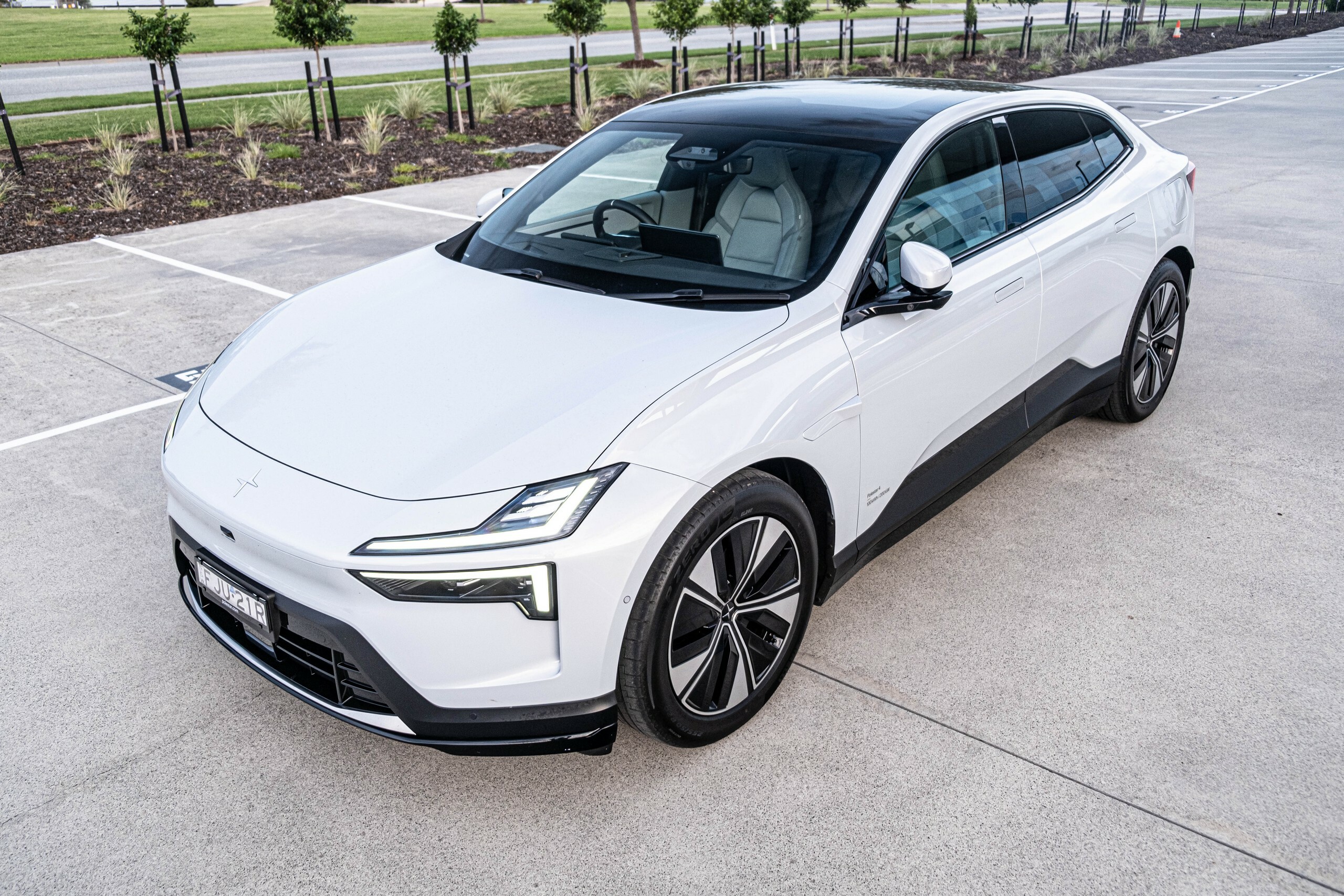
Take a higher-rate (40%) taxpayer choosing a premium EV with a £66,000 P11D value. The BiK cash value is P11D multiplied by the appropriate percentage multiplied by the marginal Income Tax rate. In 2026/27 at the 4% rate that is £66,000 x 4% = £2,640 taxable benefit, costing £1,056 a year (£88 a month) in tax. By 2028/29 at 7% the benefit is £4,620, costing £1,848 a year; by 2029/30 at 9% it is £5,940, costing £2,376 a year. Because the gross sacrifice leaves your pay before Income Tax and National Insurance, the net cost of running the car is far below an equivalent personal lease. One floor matters: salary sacrifice cannot reduce gross pay below the National Minimum Wage, so high sacrifices on modest salaries may be blocked. We computed these figures from the HMRC rates above; Scottish taxpayers face different bands, so the relief differs.
| Tax year | EV appropriate % | BiK cash (£66k P11D) | Annual tax at 40% |
|---|---|---|---|
| 2026/27 | 4% | £2,640 | £1,056 |
| 2027/28 | 5% | £3,300 | £1,320 |
| 2028/29 | 7% | £4,620 | £1,848 |
| 2029/30 | 9% | £5,940 | £2,376 |
What the pension change actually costs
The scale of the pension change shows why the contrast with car schemes matters. HMRC’s own estimate puts the average extra employee National Insurance at about £84 in the first year for those who exceed the £2,000 limit, and around 56% of people using pension salary sacrifice are expected to be unaffected entirely. Above the limit, the charge is National Insurance at 8% on the slice below the £50,270 higher-rate threshold and 2% above it, per the rates set out in MoneySavingExpert’s Budget coverage; someone on £50,000 sacrificing 5% would pay roughly £40 a year more. The point is the size: this is a modest charge on pension contributions only. The car running through your payroll is governed by the BiK figures in the table above. If you do both, only the pension side is affected; your EV sacrifice keeps full Income Tax and National Insurance relief with no contribution cap, which is why our guide to using salary sacrifice against the 60% tax trap still holds after the Budget.
Should you act before 2029?
For the pension side, there is a genuine timing question: higher earners sacrificing well above £2,000 may want to review their arrangement with an adviser before April 2029. For the EV side, there is no cliff edge to beat. The appropriate percentage rises in known steps, so a longer sacrifice term simply fixes more of the cheaper early years into your deal, which is the case our analysis of locking a four-year EV deal before BiK rises sets out. The decision is about the car and the scheme, not the Budget: pick the term that suits how long you expect to stay with the employer, and read the early-exit clause. Comparing providers matters, and our Octopus EV versus Loveelectric scheme comparison shows where the early-termination protection differs.
Common misconceptions about the 2029 cap
Three myths have spread since the Budget. First, that “salary sacrifice is being abolished”: it is not; only the National Insurance exemption on pension contributions above £2,000 is capped, and only from 2029. Second, that the cap reaches EV car schemes: it does not, because those are taxed as a Benefit-in-Kind, a point our salary sacrifice versus car allowance comparison already turned on. Third, that the rising BiK percentage erases the saving: at 9% in 2029/30 the benefit on a £66,000 EV is still only £5,940. The bigger variables are the ones owners raise, namely insurance, tyres and exit terms, which we break down in our piece on the hidden costs of salary sacrifice EVs. For the full model-by-model picture, the broader CDE EV section tracks net costs across the premium range.
Where to confirm your own numbers
Before you sign anything, work through these checks against primary sources:
- Confirm the current EV appropriate percentage on the HMRC company-car tax rates page for your tax year.
- Check your Income Tax band, including the separate Scottish rates if you are a Scottish taxpayer.
- Verify the salary sacrifice cannot push your pay below the National Minimum Wage.
- Read the impartial pension-change explainer on MoneyHelper if you also sacrifice into a pension.
- Ask your provider, in writing, for the early-exit terms and what is bundled into the monthly figure.
EV salary sacrifice remains, in our view, one of the most efficient ways for a UK higher-rate taxpayer to run a premium electric car, and the November 2025 Budget did nothing to change that. The £2,000 cap is a pensions measure; it leaves company-car EV schemes fully intact, with Income Tax and National Insurance relief and no contribution limit. The only moving part on the car side is the appropriate percentage, which climbs to a still-modest 9% by 2029/30, and that is well telegraphed. Who should act: if you sacrifice heavily into a pension, review that side with an adviser before 2029; if you are choosing a payroll EV, decide on the car and the scheme’s exit terms, not on Budget noise. The risk that would flip our recommendation is a future Budget steepening the BiK trajectory, so confirm the live rate before you commit. For most higher earners, the maths still firmly favours the car.

Does the 2029 pension salary sacrifice cap affect EV car schemes?
What is the EV company-car BiK rate after 2029?
How much does the pension cap cost a higher earner?
Can salary sacrifice reduce my pay below minimum wage?
Should I lock in an EV salary sacrifice deal before 2029?
Buyer action
EV and salary-sacrifice checks
Use this as the final check before paying a deposit, signing finance paperwork or relying on a headline monthly figure.