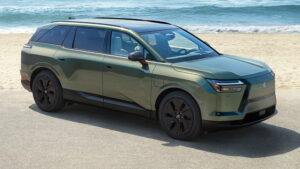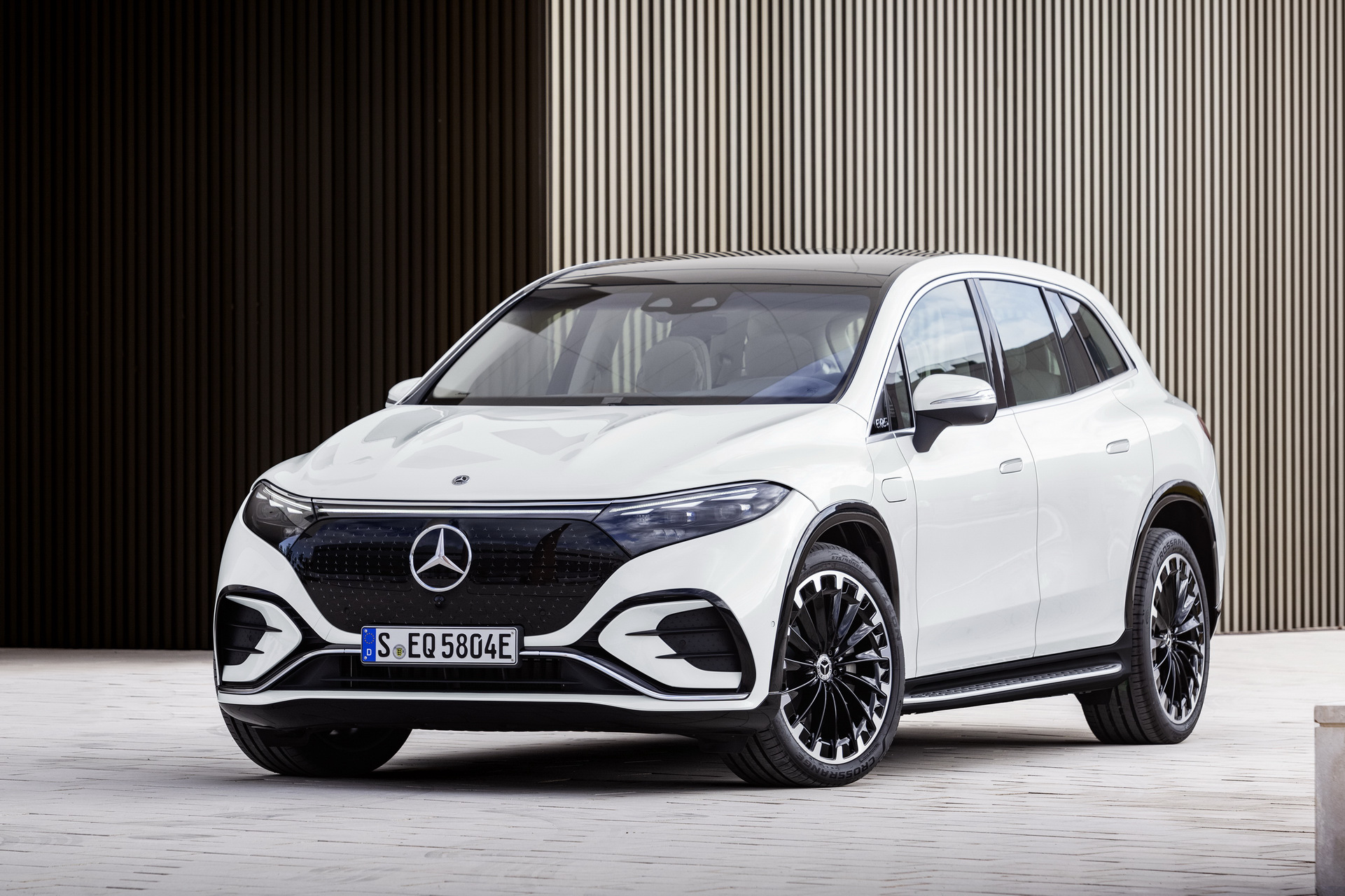
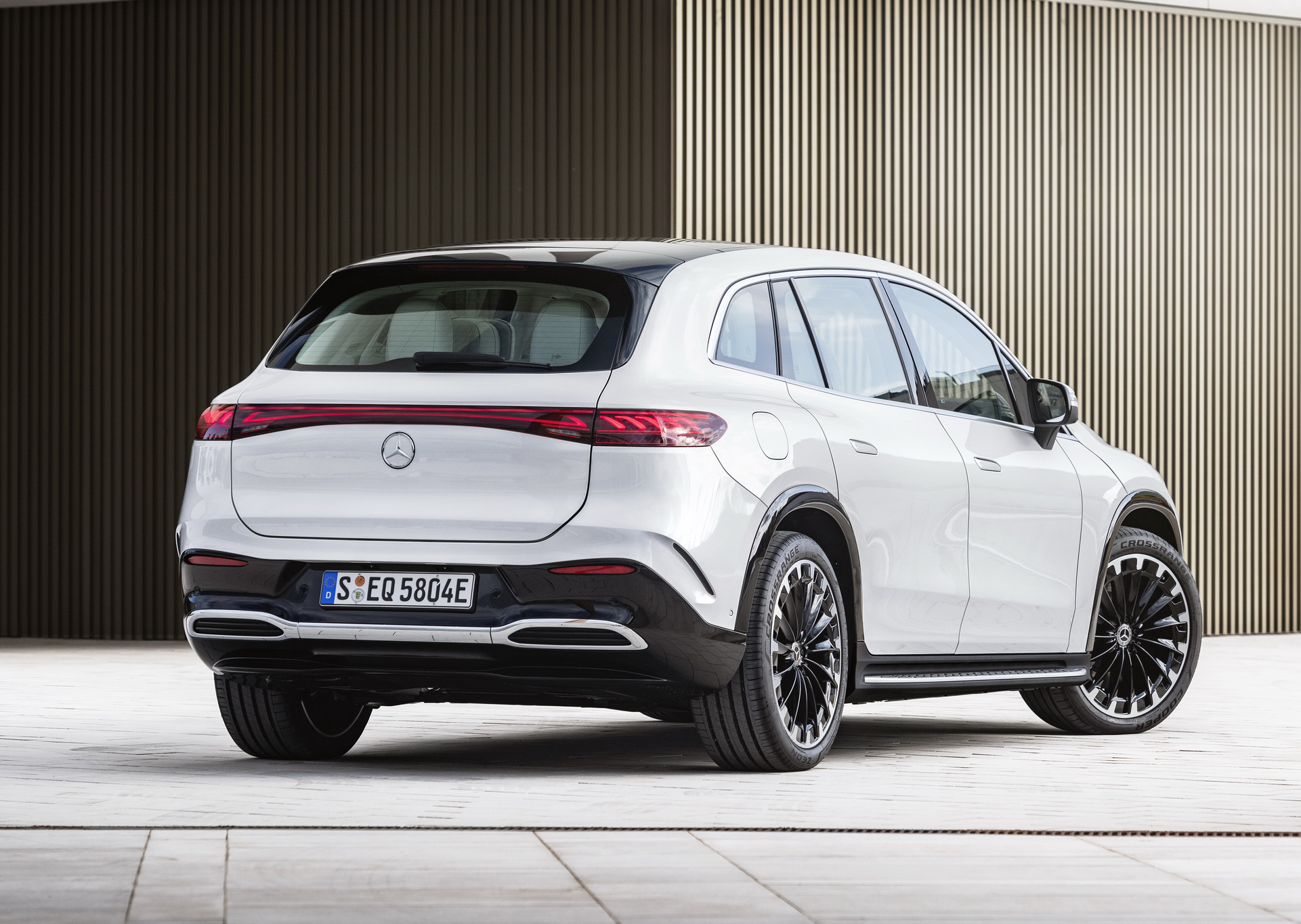
Mercedes EQS SUV salary sacrifice is the part of the payroll-EV story almost nobody runs the maths on, because a car this expensive looks impossible to justify. It is not. On a roughly £129,400 P11D, the 4 percent company-car benefit rate for 2026/27 turns a flagship into a payroll deduction a 45 percent taxpayer absorbs at around £1,108 a month net. Here is exactly how it works, where the National Minimum Wage floor bites, and why the highest earner pays the least.
What real owners say (CDE data)
CDE reviewed owner discussion of the EQS SUV on PistonHeads and the Mercedes EQ owner community alongside the What Car Reliability Survey, Honest John Real MPG owner reports and the DVSA vehicle recall record for the EQS SUV (checked June 2026). We did not run a forum-count survey on a car this rare, so we quote no invented percentages; the signal below is qualitative owner sentiment plus the published recall position.
- Most-praised aspects: ride comfort and isolation, real-world range holding close to the WLTP figure on a warm motorway run, and the cabin quietness that justifies the badge.
- Most-criticised aspects: the MBUX Hyperscreen learning curve, large-alloy ride harshness on optional 21 and 22 inch wheels, and depreciation worries that make leasing or sal-sac more rational than buying outright.
- Reliability signal: check the live DVSA recall record at gov.uk before you sign; owner-reported faults skew towards software and 12V battery niggles rather than drivetrain failures, which is the pattern you want on a sal-sac car where the scheme carries maintenance.
What salary sacrifice is, and the wage floor that limits it
Salary sacrifice is an agreement to give up part of your gross salary in exchange for a non-cash benefit, here a leased electric car. Because the deduction comes off pay before Income Tax and National Insurance, you never pay tax on the sacrificed slice. Your employer leases the car through a scheme such as Octopus EV, Loveelectric or Tusker, and the monthly cost usually bundles insurance, maintenance, tyres and a home charger.
The hard limit is the wage floor. A sacrifice cannot drop your gross pay below the National Minimum Wage, which is £12.71 an hour for workers aged 21 and over from April 2026 (gov.uk, checked June 2026). On a 37.5 hour week that is roughly £24,800 a year you must keep. On a £129,400 flagship the sacrifice is large, around £20,700 a year, so only people earning comfortably into higher-rate territory can fund it without hitting the floor. If you are weighing a smaller EV, our Mercedes EQE SUV salary sacrifice maths shows where the numbers ease off.
How the tax works: P11D, BiK and the NI saving
Two separate tax effects run at once. First, the sacrifice itself saves you Income Tax and employee National Insurance at your marginal rate on the amount given up. Second, you pay company-car Benefit-in-Kind tax on the car, calculated as P11D value multiplied by the appropriate percentage multiplied by your Income Tax rate.
For a zero-emission car the appropriate percentage is just 4 percent in 2026/27 (HMRC, checked June 2026). It rises in steps in later years on the schedule HMRC has published, so quote the rate for the tax year you sign in rather than assuming today’s figure holds. On the EQS SUV 450 4MATIC, with a P11D of about £129,400, the taxable benefit is £129,400 x 4 percent, which is roughly £5,177 a year. A higher-rate taxpayer pays 40 percent of that, about £2,071 a year or £173 a month, in BiK.

The National Insurance saving is the cell people get wrong. Employee NI is 8 percent up to the £50,270 upper earnings limit and 2 percent above it (gov.uk, checked June 2026). Salary sacrifice comes off the top slice of your pay, so a higher or additional-rate earner saves NI at only 2 percent on the sacrifice, not 8 percent. A basic-rate earner whose sacrifice sits below the limit saves the full 8 percent. That single difference flips the usual intuition about who wins.
The worked maths for a 45 percent taxpayer
We anchor every table to one indicative figure: a gross sacrifice of about £1,725 a month for the EQS SUV 450 4MATIC, taken from a current scheme quote that bundles insurance, maintenance, tyres and charging (EVSchemes via Octopus EV, checked June 2026, on a typical three-year, 10,000-mile term). Your employer’s actual rate will differ, but the method is identical. The net cost is gross sacrifice, minus the Income Tax saved, minus the NI saved, plus the BiK tax you owe.
| Monthly figure | 45% additional-rate taxpayer |
|---|---|
| Gross sacrifice (inc VAT, bundled) | £1,725 |
| Income Tax saving (45%) | minus £776 |
| NI saving (2% above UEL) | minus £35 |
| BiK tax cost (£5,177 x 45% / 12) | plus £194 |
| Net monthly cost | about £1,108 |
So the most expensive flagship in the range costs the highest earner roughly £1,108 a month from gross pay. That is the headline: a car with a six-figure list price lands close to what a mid-spec petrol SUV costs on a personal lease, because the 45 percent relief is doing most of the heavy lifting. The same logic that powers our BMW i7 salary sacrifice maths applies here, only the EQS SUV adds a third row of seats.
The 40 percent case, and why the 20 percent case barely exists
A 40 percent higher-rate taxpayer saves less Income Tax but pays slightly less BiK, so the net lands just above the additional-rate figure.
| Monthly figure | 40% higher-rate | 20% basic-rate |
|---|---|---|
| Gross sacrifice (inc VAT, bundled) | £1,725 | £1,725 |
| Income Tax saving | minus £690 | minus £345 |
| NI saving | minus £35 (2%) | minus £138 (8%) |
| BiK tax cost | plus £173 | plus £86 |
| Net monthly cost | about £1,173 | about £1,328 |
Notice the pattern. The basic-rate earner gets the bigger NI relief, 8 percent rather than 2, but a smaller Income Tax relief, and still ends up paying the most at about £1,328 a month. The 45 percent taxpayer pays the least. The flagship sal-sac is, in effect, a relief that rewards the top of the income scale.
And the 20 percent column is mostly theoretical on this car. To sacrifice £20,700 a year and stay above the roughly £24,800 wage floor, a basic-rate earner needs gross pay of around £45,500 before the sacrifice, leaving only a narrow band below the £50,270 higher-rate threshold where the sums even work. Most basic-rate earners simply cannot fund a £129,400 car this way. That is the wage floor biting in practice, and it is the honest answer to “can anyone get an EQS SUV on basic-rate pay”: almost nobody.
Salary sacrifice versus a personal lease
The £1,725 sacrifice is close to the open-market commercial lease rate for this car, and it already includes insurance, maintenance, tyres and a charger. A personal contract hire (PCH) deal on the bare car comes out of taxed income, so a higher-rate earner has to earn roughly £1.67 before tax for every £1 of lease payment once Income Tax and NI are counted. On a four-figure monthly that gap is enormous.
Compare like for like and the case is stark. A personal lease near £1,725 a month is paid from net pay and still excludes insurance, servicing and tyres, which on a flagship EV can add £150 to £300 a month. The sal-sac driver pays about £1,108 net at 45 percent with all of that bundled in. Even after adding the BiK tax, the payroll route is comfortably the cheaper way into the car, which is the same conclusion our Mercedes EQS salary sacrifice versus PCP comparison reaches on the saloon. For the broader case against a cash alternative, our salary sacrifice versus car allowance breakdown is the next read.
Before you fixate on the saving, remember the offset: the BiK tax climbs as the appropriate percentage steps up over the term, so the net cost in the final year is a little higher than year one. We price that in below.
Common misconceptions that cost flagship drivers money
Three myths trip up high earners. First, early exit. If you leave the employer mid-term, the scheme usually ends and you may face an early-termination charge, so read the exit terms before you sign on a £100,000-plus car. Second, the BiK rate rising. The 4 percent rate steps up in later years on the published HMRC schedule; the increase is small in cash terms next to the relief, but you should price the later years in, not assume 4 percent forever. Third, what is included. Charging at home and insurance are bundled on most premium schemes but not all, so confirm the package rather than assuming, as we set out in our Octopus EV versus Loveelectric scheme comparison and the wider Tusker, ElectriX and Octopus EV scheme rules.
Before you commit: the checks that actually matter
Run the maths on your own marginal rate using the gross sacrifice your employer’s scheme quotes, not our indicative £1,725, because the headline number drives everything else. Confirm the National Minimum Wage floor leaves you clear after the deduction. Read the early-exit and redundancy clauses, since a six-figure car is the worst one to be caught on if your job changes. Check whether insurance, charging and tyres are inside the price. And verify the live DVSA recall position for the exact build on the gov.uk vehicle recall checker before you accept delivery. For the broader payroll-EV strategy across deposits and schemes, our EV section collects the model-by-model maths.
Our take on Mercedes EQS SUV salary sacrifice
Mercedes EQS SUV salary sacrifice only makes sense at the top of the income scale, and there it makes a lot of sense. For a 45 percent additional-rate taxpayer, about £1,108 a month net for a £129,400 seven-seat flagship, with insurance, maintenance, tyres and charging bundled, is a genuinely strong deal that a personal lease cannot match from taxed income. For a 40 percent earner the figure is close at around £1,173. We would sign only with clean early-exit terms and a clear view of where the BiK rate goes over the term, and we would treat the 20 percent case as a non-starter for most people because the wage floor blocks it. If your marginal rate is 40 or 45 percent and your job is stable, this is one of the few ways a six-figure car becomes rational. If it is not, walk away and look at a smaller EV where the sums are forgiving.
How much does a Mercedes EQS SUV cost on salary sacrifice in 2026?
On an indicative gross sacrifice of about £1,725 a month for the EQS SUV 450 4MATIC, the net cost is roughly £1,108 a month for a 45 percent taxpayer and £1,173 for a 40 percent taxpayer in 2026/27, after Income Tax and NI relief and the 4 percent Benefit-in-Kind charge. Your employer’s actual scheme rate sets the real figure, so run it on the quote you are given.
What is the BiK rate on the EQS SUV for 2026/27?
The Benefit-in-Kind appropriate percentage for a zero-emission car is 4 percent for the 2026/27 tax year, per HMRC. On a P11D of about £129,400 that is a taxable benefit of roughly £5,177 a year. A 40 percent taxpayer pays about £2,071 of that, a 45 percent taxpayer about £2,330. The rate rises in later years on HMRC’s published schedule, so check the year you sign in.
Why does the highest earner pay the least?
Salary sacrifice saves Income Tax and National Insurance at your marginal rate, so a 45 percent earner saves more tax on the sacrifice than a basic-rate earner. The BiK charge rises only slightly with your rate. The net effect is that the additional-rate taxpayer pays the lowest net monthly cost, around £1,108, while a basic-rate earner pays the most at about £1,328.
Can a basic-rate taxpayer get an EQS SUV on salary sacrifice?
Rarely. To fund roughly £20,700 a year of sacrifice and stay above the National Minimum Wage floor of around £24,800, a basic-rate earner needs gross pay near £45,500, leaving only a narrow band below the £50,270 higher-rate threshold. Most basic-rate earners cannot fund a £129,400 car this way, which is the wage floor working as intended.
Is salary sacrifice cheaper than a personal lease on the EQS SUV?
For a higher or additional-rate taxpayer, yes. A personal lease is paid from taxed income and usually excludes insurance, servicing and tyres. The sal-sac equivalent comes from gross pay and bundles those costs in, so at 45 percent you pay about £1,108 net against a personal lease near the full commercial rate from net pay. The payroll route is comfortably cheaper for the right earner.
What happens if I leave my job mid-term?
Most schemes end the arrangement if you leave the employer, and some apply an early-termination charge that can be significant on a six-figure car. A few offer protection or a transfer option. Read the early-exit, redundancy and parental-leave clauses before signing, because the EQS SUV is the worst car to be caught out on if your circumstances change.
Buyer action
EV and salary-sacrifice checks
Use this as the final check before paying a deposit, signing finance paperwork or relying on a headline monthly figure.