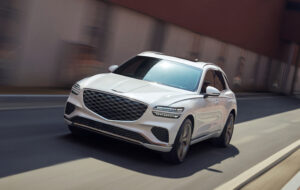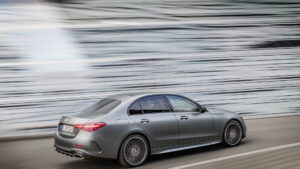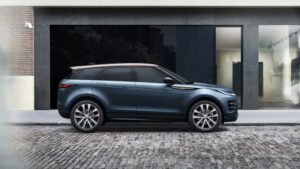
Multi-car insurance puts every car in your household on one policy with one renewal date, and for a two-car premium driveway it can shave real money off the total bill. It is not automatically cheaper, though, and putting a Range Rover and a Porsche under one insurer changes how claims, no-claims discount and excess interact. Our view: price up both routes every year, because the winner flips more often than the marketing suggests.
What real owners say (CDE data)
CDE reviewed owner discussion on PistonHeads and MoneySavingExpert about multi-car policies for premium two-car households, cross-checked against the Admiral, Aviva, LV and Direct Line scheme pages (June 2026).
- Most-praised aspects: one renewal date and one payment, a discount that grows as each car is added, and being able to cover a partner or an adult child elsewhere.
- Most-criticised aspects: the introductory discount fading at renewal, one provider not being competitive on every car, and a claim on one car nudging the whole policy at renewal.
- Reliability signal: owners who reprice both routes yearly report the better consistent saving; those who set and forget tend to overpay by the third year.
How a household multi-car policy actually works
A multi-car policy insures two or more cars registered to people in the same household under one agreement, with one renewal date and usually one payment. According to Which?’s guide to multi-car insurance, the cars do not all have to be in the same name, which is why it suits couples and families rather than a single driver. There are two shapes to it: a true single policy covering every car, or “linked” policies where each car keeps its own document but shares a discount for staying with one insurer. The practical pull is admin: one date to remember, one direct debit, and one phone call when something changes. The saving is a separate question, and the answer is not always yes.
No-claims discount: shared or individual?
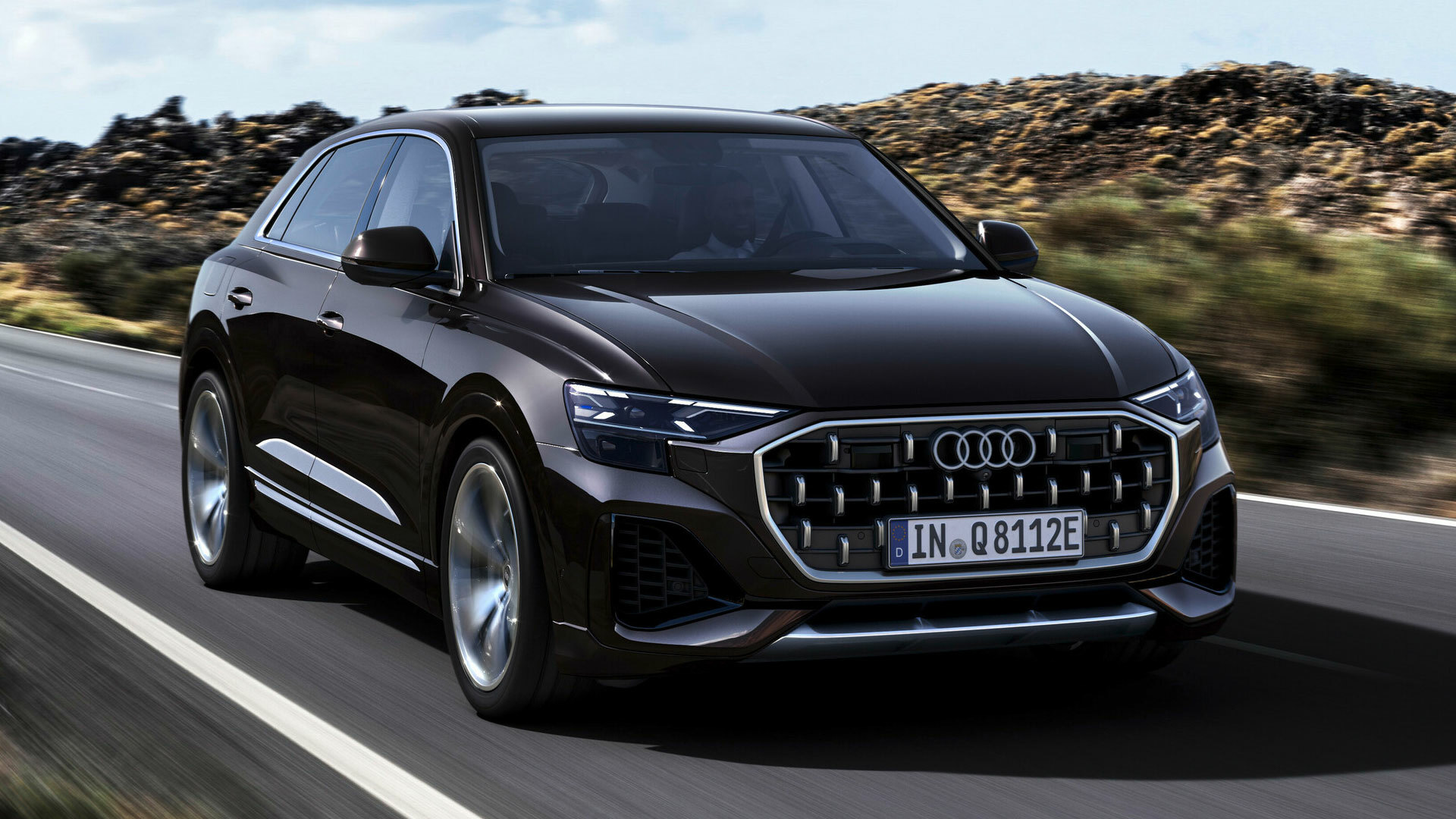
This is the detail that trips up most premium buyers. On the better schemes, each car and each driver keeps and builds their own no-claims discount rather than pooling it. Admiral’s own guidance states that each car on cover gets its own no-claims bonus for every claim-free year, and that if one driver has an accident it will not affect the other driver’s no-claims bonus. That separation matters when you own appreciating or high-value cars: a knock on the daily-driver Audi should not wipe out the years of clean history protecting the weekend Porsche. Always confirm in writing that the discount is held per car, not as one shared household figure, before you commit. Schemes differ, and a pooled-NCD product is a poor fit for a two-car premium garage.
Named drivers and mirroring across two premium cars
Most premium households drive each other’s cars, and a multi-car policy makes that tidy by letting you mirror named drivers across both vehicles without buying two separate add-ons. Put both partners on both cars and the insurer prices the real risk once rather than twice. Be honest about the main driver of each car, though: fronting, where a lower-risk person is logged as the main driver to cut a premium, can void a claim. If your second car is a performance model, the named-driver maths interacts with the kind of loadings we cover in our guide to BMW M and Audi RS insurance costs, so mirror the drivers but expect the quicker car to carry the heavier rate.
When multi-car insurance beats two standalone policies
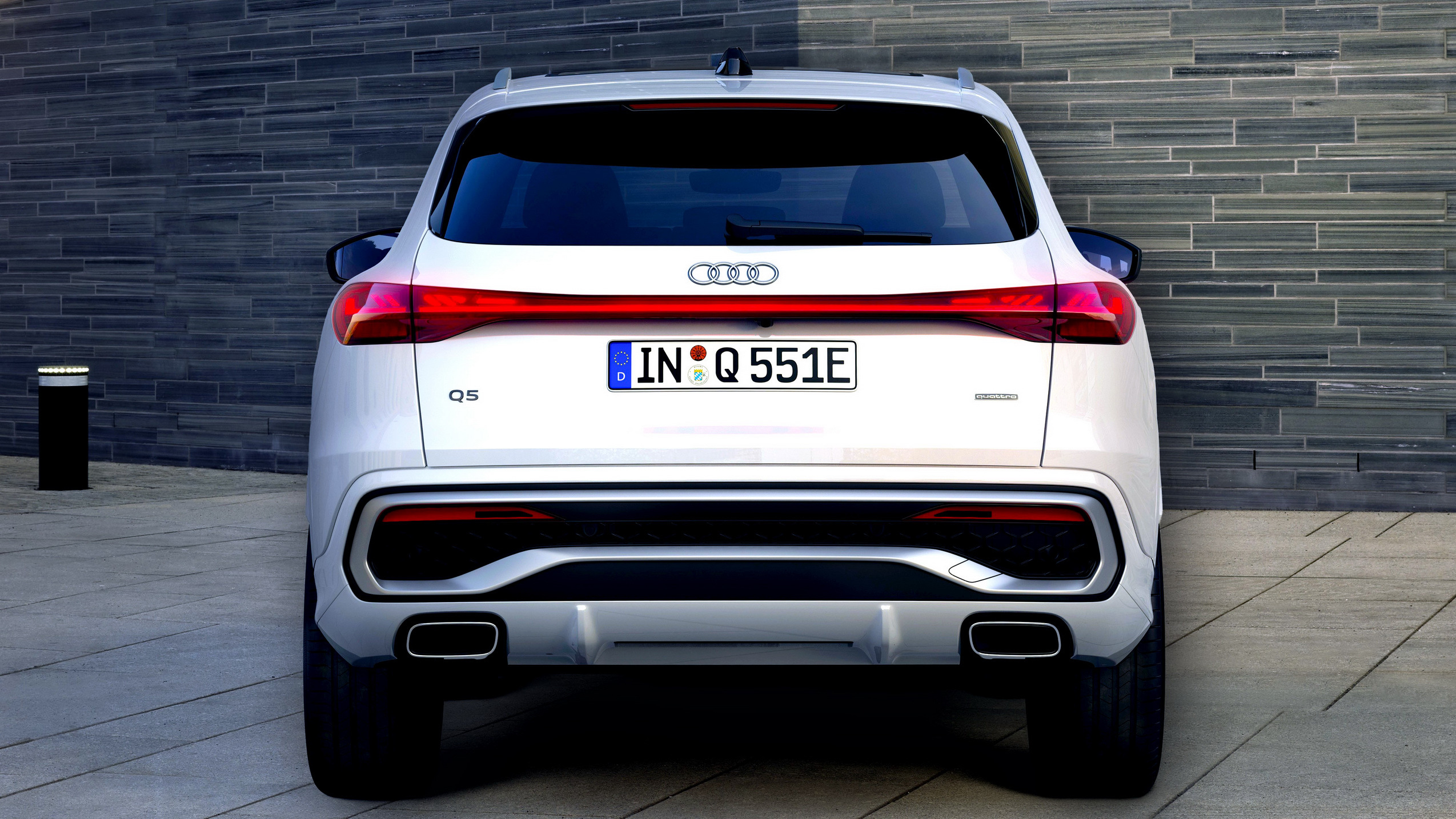
Multi-car insurance tends to win when you have more cars than drivers, when the cars sit at one address, and when at least one car is hard to place cheaply on its own. A premium two-car driveway, say a Range Rover plus a Porsche, often clears that bar because the high-value metal already attracts chunky standalone premiums, and bundling lets the insurer spread the risk. The 2005 launch of Admiral’s MultiCar made this mainstream, and Aviva, LV and the Direct Line group now run their own versions. The flip side: comparison sites largely do not quote multi-car, so you have to price it directly with each insurer and set it against the individual quotes yourself. If your high-value car needs agreed value rather than market value cover, check the multi-car product still offers it, because not all do.
The pitfalls on premium metal
Three things bite. First, it is not always cheapest: the headline multi-car discount can be an introductory hook that thins out at renewal, so the third-year price often beats the first only on paper. Second, you are tying every car to one insurer, which is fine until that insurer is uncompetitive on one of your cars, or weak on the specialist cover a 911 or a high-value SUV needs. Third, claims interact: a claim on the cheap runabout can lift the whole policy at the next renewal, and shared excess structures can sting. For owners of cars over the £50,000 mark, the declarations and approved-repairer rules in our guide to high-value car insurance still apply on a multi-car policy, and a bundled quote does not relax them.
Which UK providers offer it, and how they differ
Admiral pioneered MultiCar in the UK and lets you cover two cars or more in your name, with cover extending to immediate family at different addresses per its MultiCar scheme page, which suits a household with an adult child away at university. Aviva runs a multi-car discount for two or more cars registered at the same address, added at each car’s renewal. LV and the Direct Line group offer their own family or multi-car structures. The differences that matter for premium owners are the per-car no-claims handling, whether agreed value is available, the approved-repairer network for JLR or Porsche, and how each treats a modified or performance car. None of that shows on a comparison table, so read the policy wording, not the banner discount.
A worked example: Range Rover plus Porsche
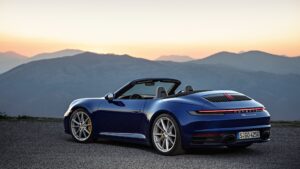
Take an indicative household: a Range Rover Sport as the family car and a Porsche 911 as the weekend car, both at one address, both partners driving each. These are illustrative ranges, not quotes, because your real numbers depend on postcode, age, mileage and history. Insured separately, a premium SUV can sit in the four-figure annual bracket on its own, as our breakdown of Range Rover insurance costs explains, and a 911 adds another substantial premium. Bundle them and a typical multi-car discount runs around 10% to 15% off the combined total, which on two premium cars is real money, often a few hundred pounds. The honest test is to get the standalone price for each car, then ask each insurer for the multi-car figure, and only bundle if the bundle genuinely wins. Specialist insurers like those in our Hagerty UK versus Adrian Flux comparison may still beat a mainstream multi-car deal on the Porsche alone.
What to check before you bundle
Before you move two premium cars onto one policy, confirm five things in writing. One: no-claims discount is held per car and per driver, not pooled. Two: agreed value is available if either car needs it. Three: the approved-repairer network covers your brands, JLR and Porsche included. Four: the renewal price is competitive on each car, not just the bundle. Five: the excess structure is per car and clear. If a provider cannot give you straight answers on all five, it is not the right home for high-value metal. The same diligence we apply to premium EV insurance and to Tesla insurance costs applies here: the repair bill and the parts supply chain drive the premium, so the cover wording matters more than the discount headline.
A note on scope: this is general consumer guidance, not personalised financial, tax or insurance advice. The figures here are illustrative and depend on your salary, tax band, employer scheme and personal circumstances. Check the current HMRC, FCA and MoneyHelper guidance and speak to a regulated adviser before you commit.
Our take
Multi-car insurance is a strong default for a premium two-car household, but only as a price you test, never one you assume. Our view: it earns its place when you have one address, more cars than drivers, and at least one car that is expensive to place on its own, which describes most Range Rover plus Porsche driveways. The admin win is genuine and the discount can be worth a few hundred pounds. Walk away if the scheme pools your no-claims discount, drops agreed value, or cannot quote competitively on each car individually. The thing that flips our recommendation is renewal behaviour: a bundle that looked great in year one can quietly drift, so reprice both routes every single year. The buyer who wins is the one with boring paperwork who checks the numbers annually, not the one who set it once and forgot.
Is multi-car insurance always cheaper than two policies?
Does a claim on one car affect the others on a multi-car policy?
Can the two cars be at different addresses?
Which UK insurers offer multi-car cover for premium cars?
Can I keep agreed value cover on a multi-car policy?
How do I avoid overpaying on a multi-car policy over time?
Where to price up the cover next
To price up the cover properly, work through these checks. Get a standalone quote for each car on the mainstream comparison sites first, so you have a benchmark. Then go direct to Admiral, Aviva, LV and Direct Line for their multi-car figures, because comparison sites rarely show them. Read each policy wording on no-claims handling, agreed value and approved repairers before you compare on price. Check the Financial Conduct Authority register to confirm any broker or insurer is authorised. For high-value cars, get a specialist standalone quote from a classic or performance insurer as a sense check against the bundle. Use the MoneyHelper and Association of British Insurers guidance on declaring modifications and values, and revisit the whole exercise at every renewal, not just when something goes wrong.
Buyer action
Where to check next
Use this as the final check before paying a deposit, signing finance paperwork or relying on a headline monthly figure.