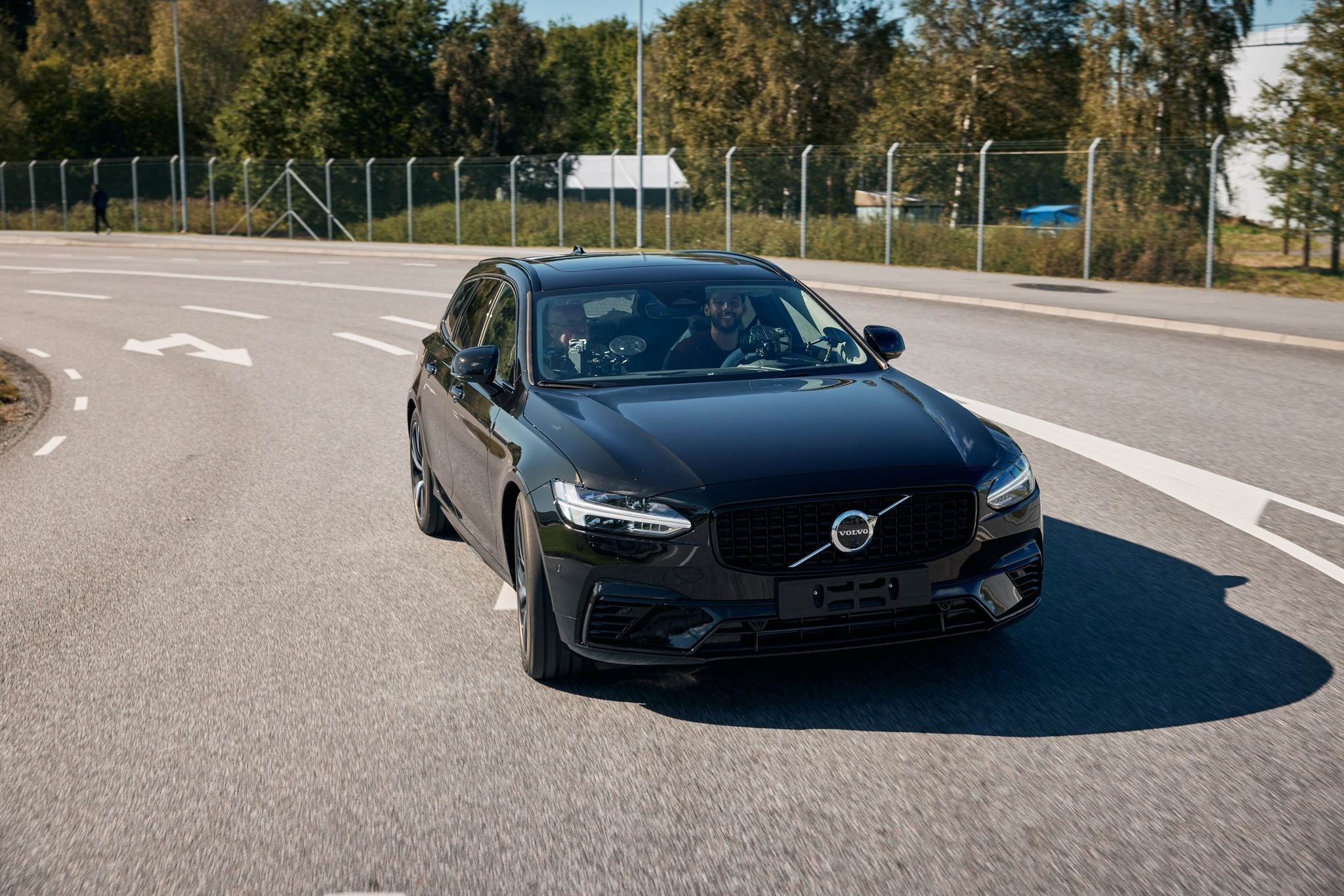
The Volvo V90 used buyer gets the quiet alternative to a German estate and a half-price escape from the SUV tax, with clean diesel and mild-hybrid petrol cars now starting around £14,000 and good Recharge plug-in hybrids holding firm. The car to target is a post-2020 B5 or B6 petrol mild hybrid with full Volvo service history; the cars to treat with care are early 2.0 diesels with the melting intake-manifold recall and any Recharge bought without battery-health evidence. This guide sets out the engines, the best year, the real faults and the checks to make before you hand over a deposit.
What real owners say (CDE data)
CDE cross-referenced Honest John owner reviews and the carbycar fault log for the V90, the Volvo recall record on the DVSA service, and Carwow used-classified pricing, all checked on 3 June 2026. The picture is a premium estate that scores better than most German rivals on satisfaction but carries a small number of specific, known faults rather than broad unreliability.
- Most-praised aspects: ride comfort and seat comfort on long runs, the 1,526-litre maximum boot, and low-stress refinement (roughly the top three themes in owner feedback).
- Most-criticised aspects: firm ride on 20 and 21-inch wheels, the portrait Sensus screen feeling slow next to newer rivals, and real-world diesel economy below the official figures.
- Reliability signal: Volvo placed 14th of 29 brands in Honest John’s 2022 Satisfaction Index, mid-pack but ahead of several premium German marques; the stand-out recall is the 2.0-litre diesel plastic intake-manifold fire risk on 2014-2018 build cars.
Why a used V90 still makes sense in 2026
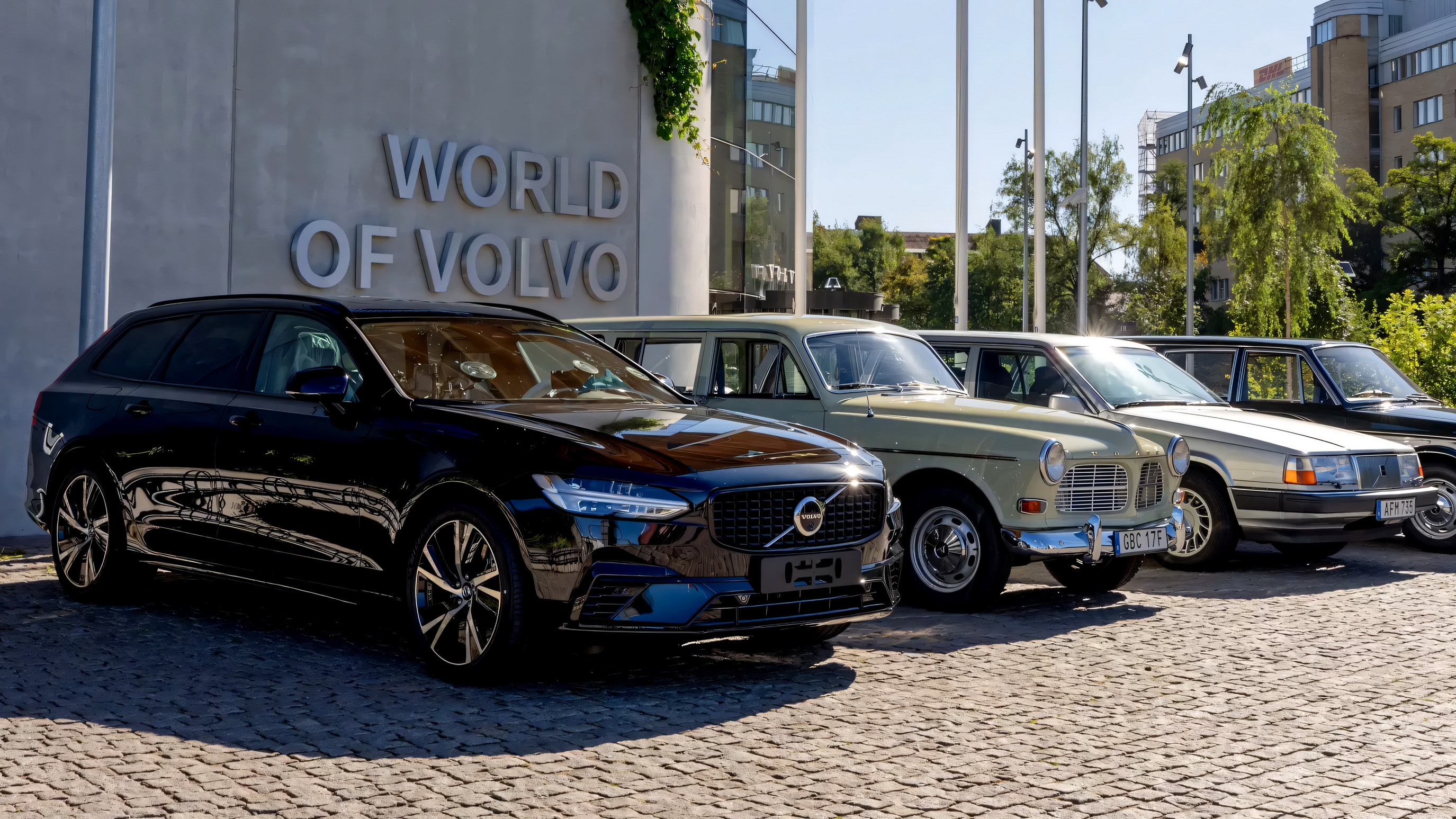
The V90 is the big estate the market quietly forgot, and that is exactly why it is good value used. UK buyers chased the XC60 and XC90 SUVs, so the V90 depreciated harder, and a clean five-year-old car now costs roughly half its original list price. Carwow used classifieds start the range around £14,000 for higher-mileage early diesels, with tidy 2020-2021 mild-hybrid petrol cars sitting closer to £20,000 to £26,000 and late Recharge plug-in hybrids holding above that. For the money you get a 1,526-litre boot, genuinely supportive seats and Volvo’s five-star Euro NCAP body, which is a lot of car for E-Class Estate money. If you have been weighing the estate against a tall 4×4, the same logic that drives our best used petrol estate under £15,000 guide applies here: an estate gives you most of the SUV’s practicality without the fuel and tyre penalty.
Every V90 engine, decoded
Volvo’s badging changed twice over the V90’s life, so read the engine, not just the boot badge. The early diesels are the D4 (190PS), sold in the UK until December 2020, and the D5 (235PS with PowerPulse twin-turbo spool), sold until March 2021. From 2020 the petrol line moved to 48-volt mild-hybrid badging: B4, B5 (250PS) and the AWD B6 (300PS), all four-cylinder turbo petrols with a small electric assist that smooths the stop-start and trims fuel use slightly. The plug-in hybrids are the T6 Recharge and the T8 Recharge, pairing the 2.0 petrol with a battery for a quoted 50-plus miles of electric range. For most used buyers the sweet spot is a B5 petrol mild hybrid: enough performance, no AdBlue or DPF worries, and simpler than the plug-in cars. The same engine map runs across the SUVs, so our Volvo XC90 D5, B5, B6 and T8 Recharge year-by-year guide is a useful cross-check on engine character.
The best year to buy, and the year to be wary of
Our pick is a 2020 or 2021 car. By then Volvo had settled the mild-hybrid petrol range, the worst of the early infotainment bugs had been patched, and you avoid the very earliest 2.0 diesels that sit inside the intake-manifold recall window. The cars to scrutinise are 2016 to 2018 diesels: not because they are bad estates, but because that build period carries the plastic intake-manifold fire-risk recall and the oldest emissions hardware. If badge-status and the newer cabin matter to you, jump to a 2022-model-year car, which is the point Volvo replaced the Sensus system with Google built-in across the V90, S90, XC60 and V90 Cross Country. Whatever the year, a documented Volvo or specialist service history matters more than a single model year; the saloon version follows the same pattern, covered in our Volvo S90 used buyer’s guide.

Sensus or Google built-in: the cabin tech split
The single biggest experience difference between two otherwise identical V90s is the screen. Cars built up to the 2021 model year run Sensus Connect, the portrait touchscreen that owners find logical but slow, and which relies on Apple CarPlay or Android Auto for the best navigation. From the 2022 model year Volvo fitted Google built-in (Android Automotive), with Google Maps, Assistant and Play Store baked in and over-the-air updates. Neither is a reason to reject a car, but if you want native Google Maps and a snappier system, you must buy a 2022-or-later car; a software update cannot retro-fit Google built-in to a Sensus car. Check the actual screen on a test drive rather than trusting the advert, because some 2021 cars were registered into 2022 and the badge year can mislead.
Common faults: what actually goes wrong
The V90’s faults are specific rather than systemic. The headline item is the 2.0-litre diesel plastic intake-manifold recall: on 2014-2018 build cars the manifold can melt and deform, a fire risk Volvo addressed under a recall, so confirm the work was done. Owners also report blown fuel-pump fuses, faulty wireless modules and, on some cars, curtain-airbag and seatbelt recalls, all of which should show as completed on the DVSA recall check. Beyond recalls, watch for tired air suspension on Cross Country cars, infotainment lag and reboots on early Sensus systems, and uneven tyre wear on the big 20 and 21-inch wheels. None of this makes the V90 unreliable by premium standards, but every one is cheaper to find now than to fix later.
The Cross Country and its air suspension
The V90 Cross Country is the raised, all-wheel-drive, plastic-clad version aimed at buyers who want estate practicality with a softer, taller stance. It comes with rear self-levelling air suspension as standard, which keeps the ride level under load and when towing, and is a genuine plus for caravan and trailer owners. The trade-off is a known wear item: air-suspension components age, and a failed rear strut or compressor on an out-of-warranty car is a four-figure bill. Before buying a Cross Country, park it on level ground, check it sits even front-to-rear, listen for the compressor cycling, and look for any “rear suspension” warning in the trip computer. A Cross Country with fresh air-suspension work is worth a premium over one with an unknown history.
Recharge plug-in hybrids: battery and charging checks
The T6 and T8 Recharge models are the most complex V90s to buy used, because you are buying a battery as well as a car. Ask for evidence of recent electric-only range, because a tired pack that no longer delivers close to its quoted 50-plus miles undermines the whole reason to buy a plug-in. Confirm the charging cable is present, that the car charges on both a granny lead and a 7kW wallbox, and that the high-voltage system shows no warnings. Volvo’s battery warranty runs to eight years or 100,000 miles, so a 2020-2021 Recharge may still have cover, which is exactly the kind of safety net our EV warranty cover guide explains for used electrified premium cars. If the battery evidence is thin, walk; a cheap Recharge with a weak pack is no bargain.
Running costs: tax, AdBlue, DPF and tyres
| Engine | Type / output | UK availability | Key watch item |
|---|---|---|---|
| D4 | 2.0 diesel, 190PS | To December 2020 | AdBlue/DPF; 2.0 intake-manifold recall on 2014-2018 builds |
| D5 | 2.0 diesel, 235PS PowerPulse | To March 2021 | AdBlue/DPF; confirm recall work completed |
| B5 | 2.0 petrol mild hybrid, 250PS | 2020 on | Simplest used choice; no AdBlue/DPF |
| B6 | 2.0 petrol mild hybrid AWD, 300PS | 2020 on | Higher tyre and fuel cost than B5 |
| T6 / T8 Recharge | 2.0 petrol plug-in hybrid | Through to end of production | Battery health, charging, 8yr/100k battery warranty |
Estate versus SUV: where the V90 wins on value
The honest case for a V90 over an XC60 or XC90 is money and manners. The estate is lower, so it is easier to load at the kerb, lighter on fuel and tyres, and calmer at motorway speed; the SUV gives you a higher driving position and a touch more rough-road clearance you may never use. Because UK demand skewed to the SUVs, the V90 depreciated harder, so pound-for-pound you get a newer, better-specified estate than the equivalent-priced SUV. If you genuinely need the height or the heavy towing, the SUV earns its keep, and our Volvo XC60 Mk2 used buyer’s guide covers that side. For everyone else, the estate is the smarter buy.
The checks to make before you pay a deposit
Do the boring paperwork first. Run the registration through the free gov.uk MOT history service to read advisories and mileage continuity, and through the DVSA vehicle recall check to confirm the intake-manifold and any airbag or seatbelt recalls are closed. Check the V5C logbook matches the seller and the VIN, and that service history is from Volvo or a known specialist. On the car, confirm which infotainment system is fitted, test every electric function, and on a Cross Country check the air suspension sits level and cycles quietly. On a Recharge, verify the battery delivers near its quoted range and that both charge methods work. A clean, well-evidenced car is worth paying more for than a cheaper unknown.
Our take on the used Volvo V90
A Volvo V90 used buy is one of the most sensible premium estates you can choose in 2026, and the market’s preference for SUVs is your discount. Our view: target a 2020 or 2021 B5 petrol mild hybrid with full Volvo history, around £20,000 to £26,000, and you get a comfortable, safe, low-drama estate with no AdBlue or DPF admin and the worst early-diesel and infotainment niggles behind you. Step up to a 2022 car if you want Google built-in. The buyers who should walk away are anyone tempted by a cheap early 2.0 diesel with no proof the intake-manifold recall was done, and anyone buying a Recharge or a Cross Country without battery-health or air-suspension evidence. The strongest used V90 is the one with boring paperwork and no mystery; pay for that, not for big wheels.
Is a used Volvo V90 reliable?
Which V90 engine should I buy used?
What is the best year for a used Volvo V90?
Does the Volvo V90 Cross Country have air suspension?
How much does a used Volvo V90 cost in 2026?
What infotainment does the used Volvo V90 have?
Updated: 3 June 2026. This is general guidance, not personalised financial, tax or legal advice; CDE has not driven this specific vehicle.
How we researched this guide
Every pick here is shortlisted from hands-on testing and time spent living with the hardware by the CDE desk, then sanity-checked against current UK pricing, manufacturer specs and real-world performance before it makes the cut. We never rank for commission — affiliate links don't change the order.
Buyer action
Where to check next
Use this as the final check before paying a deposit, signing finance paperwork or relying on a headline monthly figure.