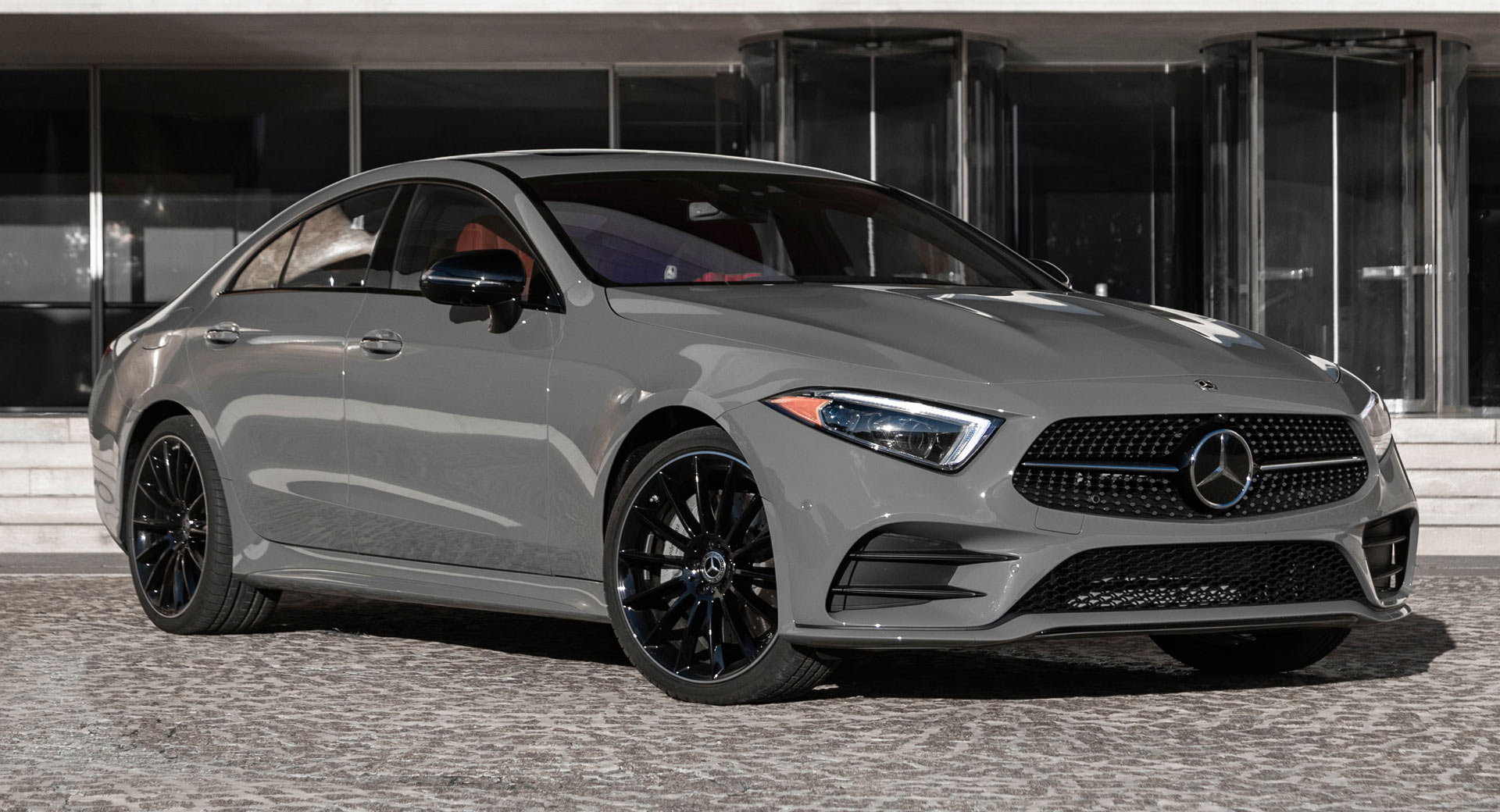
The Mercedes CLS (C257, 2018 to 2023) is the four-door coupe that quietly does most of what an S-Class does for the money of a well-specified E-Class, and on the used market it now starts close to £22,000. Our verdict is simple: chase a 2019 to 2020 350d 4MATIC with a clean air-suspension history, walk away from anything with a vague service file, and treat the entry 300d four-cylinder as the value buy rather than the one to brag about.
What real owners say (CDE data)
CDE cross-referenced the Honest John CarByCar fault log, What Car’s used CLS review and the full DVSA recall list for the CLS nameplate, gathered 2 June 2026. The picture is positive but conditional: the cabin and the straight-six refinement win praise, while a short list of expensive niggles is what you screen for before buying.
- Most-praised aspects: ride comfort and refinement on the six-cylinder diesels, cabin quality and the twin-screen MBUX layout, and real-world economy from the 350d.
- Most-criticised aspects, worst first: Air Body Control suspension failures and the bills that follow, then MBUX and head-unit glitches after software updates, then AdBlue and diesel emissions warnings on cars with patchy short-trip histories.
- Reliability signal: the DVSA database lists ten recalls under the CLS nameplate, of which several touch C257-era cars, including a March 2024 action on a 48V ground-cable bolt (fire and emissions risk, 2021 to 2023 build) and an August 2024 transmission wiring-connector recall covering 2017 to 2022 cars. What Car’s used review calls reliability a “mixed bag”, citing infotainment glitches and costly air-suspension failures.
The four-door coupe pitch, and where it bends
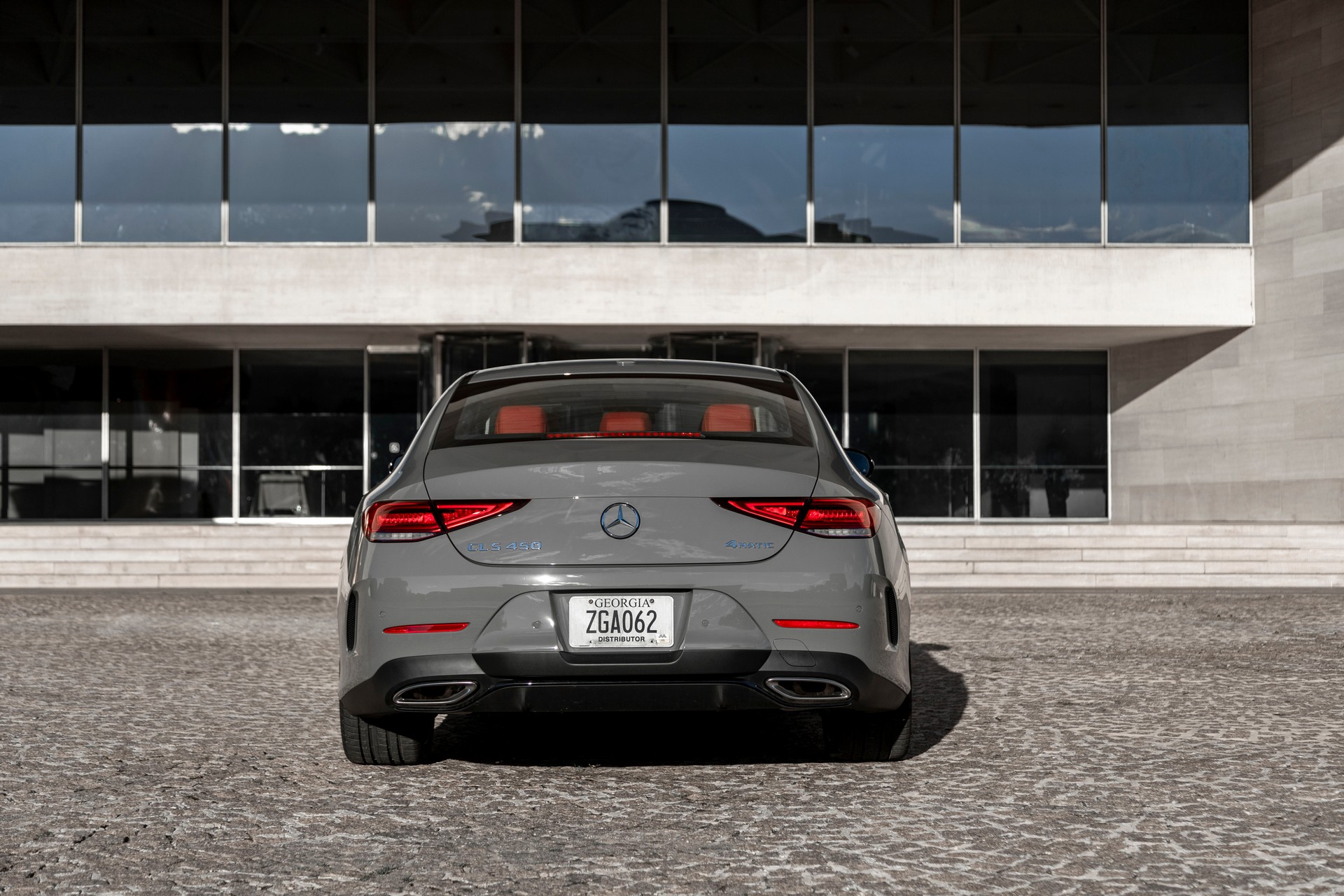
The CLS invented the four-door coupe class in 2004 and the C257 is the cleanest execution of it: a low, frameless-door saloon that shares its platform and most of its engines with the W213 E-Class but wears a swoopier roofline. You are paying for the silhouette, not extra space. The boot is competitive for the class but the tapering roof costs adult rear headroom that the more upright Mercedes E-Class W213 simply does not. If you regularly carry tall passengers in the back, that roofline is a genuine trade-off rather than a styling detail.
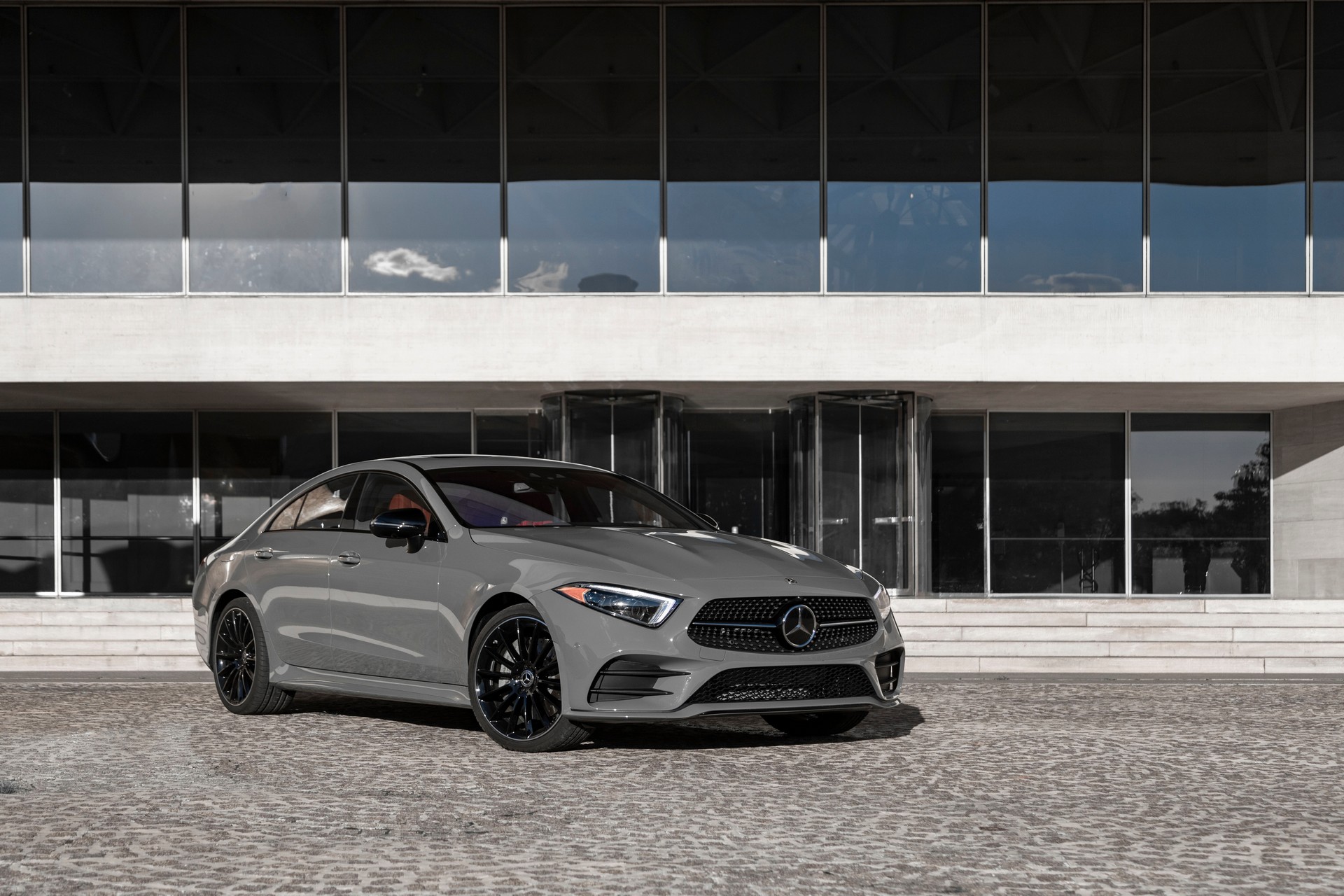
Where it earns its keep is the front cabin. The dual 12.3-inch screens, the turbine air vents and the option of 64-colour ambient lighting still feel special seven years on, and the driving position is closer to a grand tourer than a rep saloon. For a UK buyer cross-shopping a used executive car, the CLS is the one your neighbours notice; the E-Class is the one that swallows the dog and the buggy.
Engines: which straight-six diesel to chase
The diesel range is where most UK CLS sales landed, and the engine you want is the 350d 4MATIC. It uses the 2.9-litre OM656 twin-turbo straight-six with 286 PS, paired with the 9G-TRONIC automatic and a 48V mild-hybrid system. What Car names it the pick of the range for “performance, economy and refinement”, and owner-reported economy in the low-to-mid 40s mpg is realistic on a motorway run. The 400d shares that engine tuned to 340 PS, so it is quicker but rarely worth the price premium used.
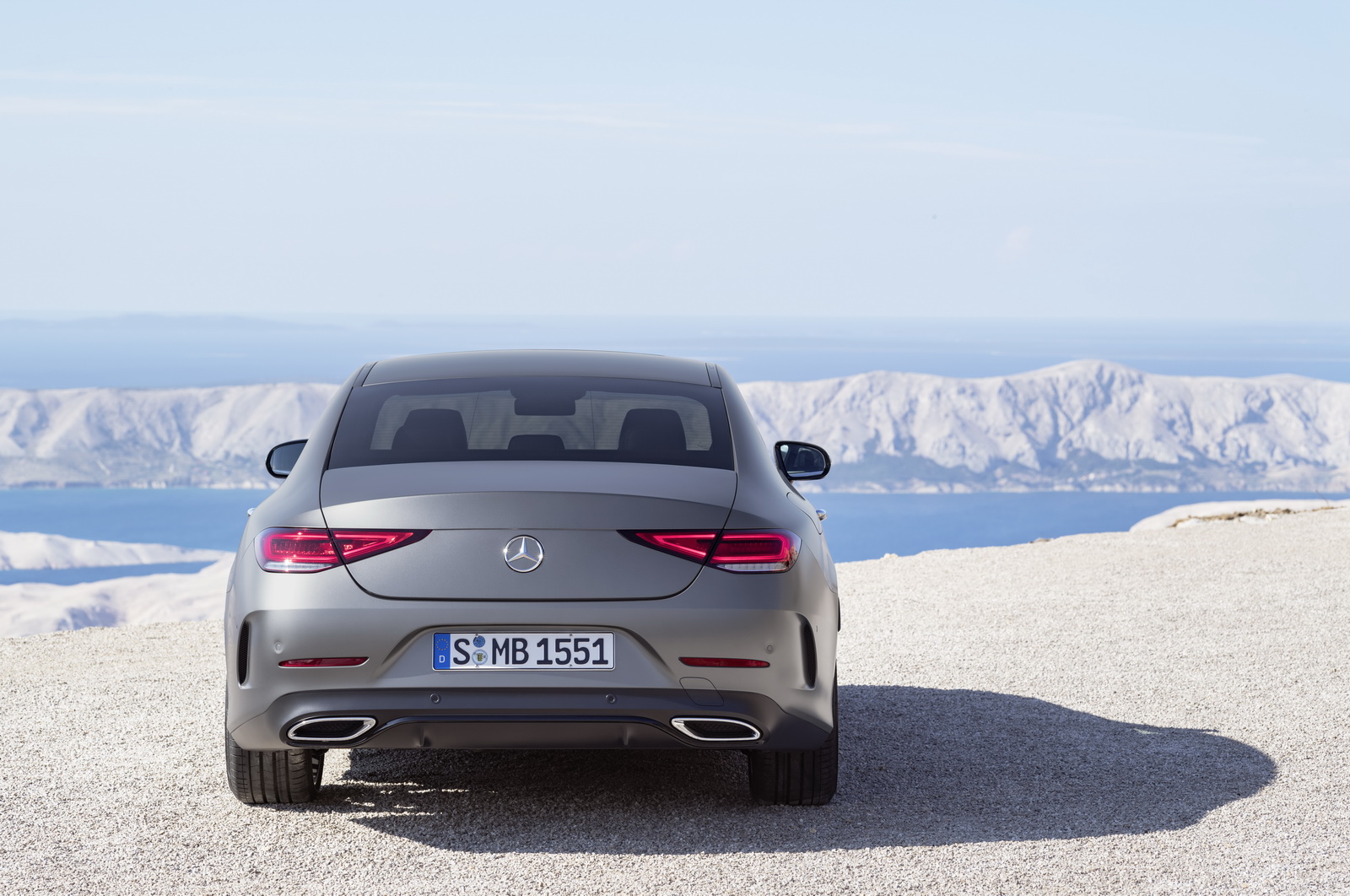
The entry 300d is the odd one out. It is a 2.0-litre OM654 four-cylinder making 245 PS, not a straight-six, so it sounds gruffer and feels less effortless, but it is the value buy: cheaper to insure, cheaper to tax and lighter over the nose. As a used proposition it makes sense if your budget is tight, in much the way the diesel-versus-petrol calculus plays out on the smaller Mercedes C-Class W205. For motorway-heavy mileage, the six-cylinder 350d is the long-term keeper.
Petrol and AMG: the CLS 450 and CLS 53 explained
If you want petrol, the CLS 450 4MATIC runs the 3.0-litre M256 straight-six with EQ Boost: 367 PS, a 48V integrated starter-generator that adds up to 21 PS in short bursts, and genuine smoothness. It is thirstier than the diesels, so it suits lower-mileage town and weekend use rather than a 25,000-mile-a-year commute.
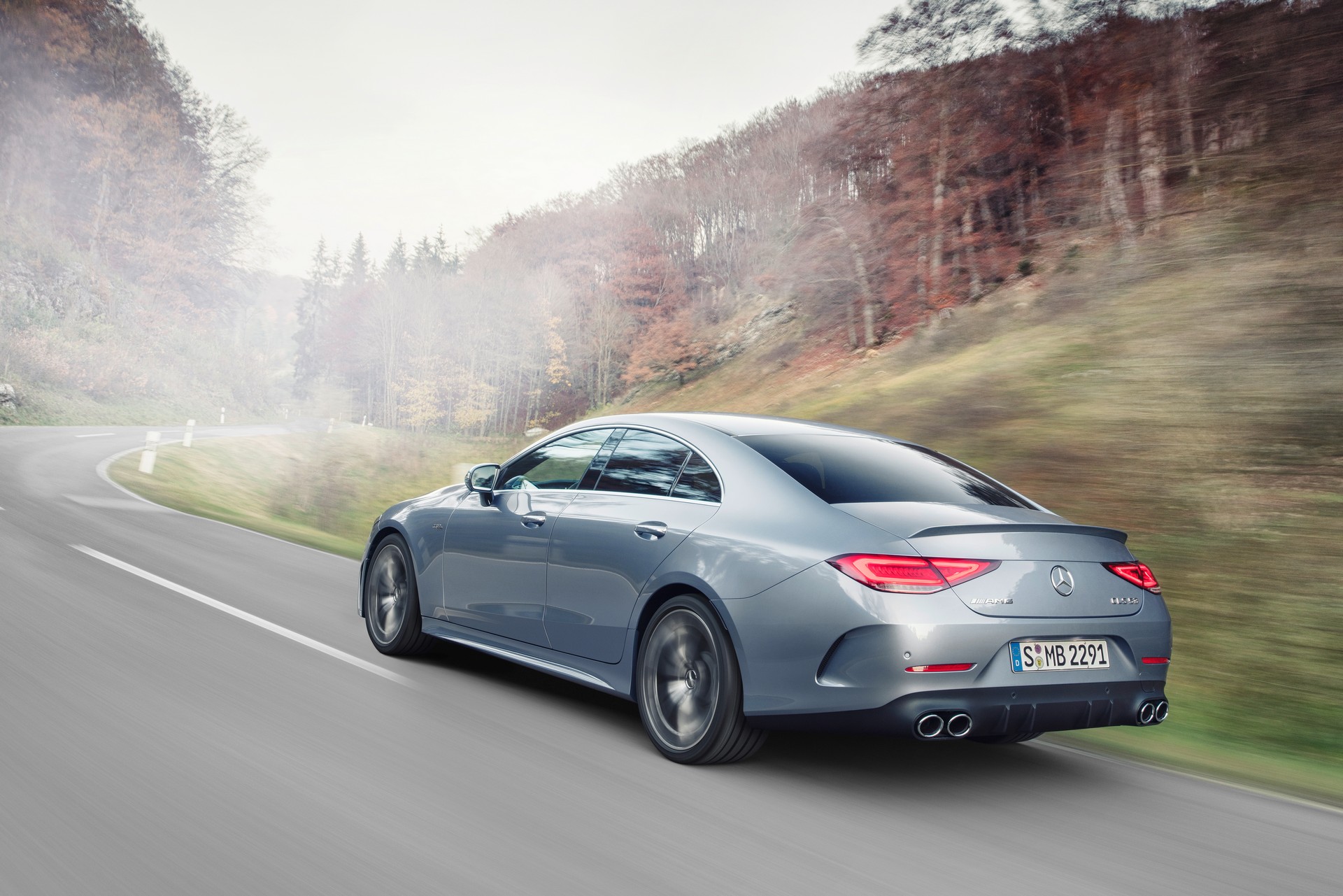
The Mercedes-AMG CLS 53 4MATIC+ takes the same M256 to 435 PS with an electric auxiliary compressor for near-instant response. It is the only proper AMG CLS in this generation (there is no V8 63 here), and it is a fast, comfortable cross-country car rather than a hard-edged sports saloon. Buy one for the drivetrain and the AMG cabin trim, but budget for higher insurance and tyres; the maths is closer to the running costs we set out for a used Audi A7 C8 in its hotter forms than to an everyday diesel.
Common faults that decide the deal
Four issues separate a good CLS from a money pit. The first is the optional Air Body Control air suspension. When a strut or compressor fails it is the most expensive single repair on the car, and a four-figure bill at an independent specialist is normal, more at a main dealer. On a test drive, the car should sit level overnight and rise smoothly; a corner that sags or a noisy compressor is your cue to renegotiate or walk.
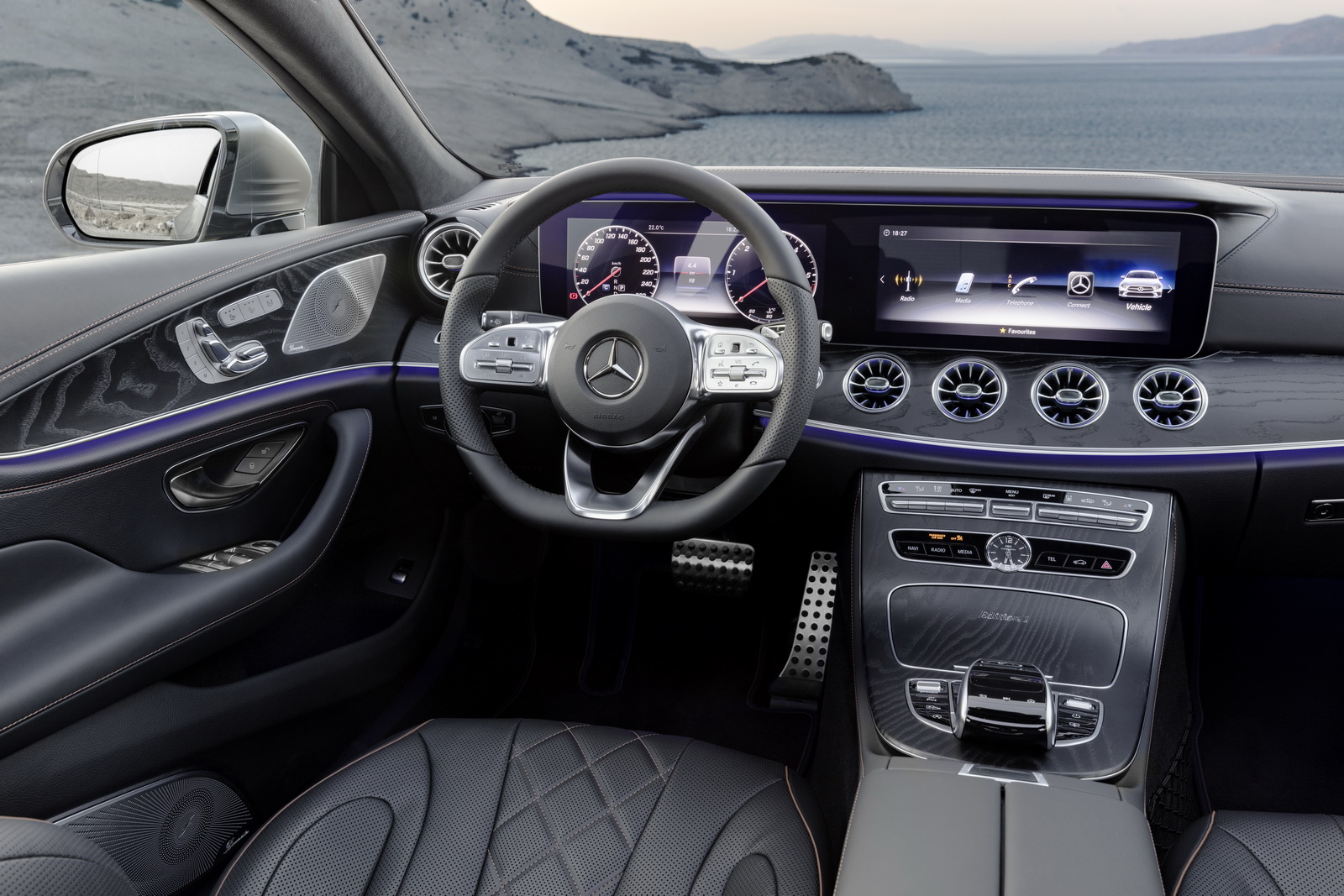
Second is MBUX. Owners report freezes, black screens and reversing-camera dropouts, often after a software update; some are fixed with a dealer reflash, others need a head-unit replacement. Third is the diesel emissions and AdBlue system: warnings, blocked AdBlue injectors and the occasional limp-home are common on cars that do mostly short trips, so favour a car with motorway history. Fourth is the 48V mild-hybrid starter-generator and its wiring, the subject of a 2024 DVSA recall; check the recall has been done. None of these is a deal-breaker on the right car, but each is a reason to demand a full Mercedes-Benz service file.
Best year to buy a Mercedes CLS used
The sweet spot is a 2019 or 2020 car. By then the early MBUX software gremlins had largely been patched in dealer updates and the drivetrains were settled, and crucially the six-cylinder 350d diesel was still on sale; it was dropped at the 2021 facelift, when the diesel line became the 220d, the uprated 300d and the 400d. The facelift itself brought minor trim and option changes rather than a mechanical overhaul, so do not pay a big premium for it alone. Avoid the very earliest 2018 cars unless the price reflects the higher chance of unresolved infotainment and software niggles, and unless the seller can show the recalls have been actioned.
Clean, full-history 350d 4MATIC examples from 2019 to 2020 are the cars that hold value and cost least to live with. A tidy 300d is the budget route in; an AMG 53 is the indulgence. If you specifically want a facelifted 2021 to 2023 car, the 400d is the six-cylinder diesel to target, since the 350d had gone by then. Whatever the year, the service book and a clear recall record matter more than the registration plate.
Specs and reliability signal by engine
The table below pulls the core C257 engine facts and the headline reliability signal from primary and trade sources, with the source links in the footer. Use it to sense-check any advert before you travel to view.
| Model | Engine | Power | 48V mild hybrid | Used-buyer note |
|---|---|---|---|---|
| CLS 300d | 2.0L OM654 4-cyl diesel | 245 PS | Yes | Value pick, gruffer, cheapest to run |
| CLS 350d 4MATIC | 2.9L OM656 straight-six diesel | 286 PS | Yes | The one to buy: refined, economical |
| CLS 400d 4MATIC | 2.9L OM656 straight-six diesel | 330 to 340 PS | Yes | Quicker, rarely worth the premium used |
| CLS 450 4MATIC | 3.0L M256 straight-six petrol | 367 PS | Yes (EQ Boost ISG) | Smooth petrol, thirstier, low-mileage use |
| Mercedes-AMG CLS 53 4MATIC+ | 3.0L M256 straight-six petrol | 435 PS | Yes (EQ Boost ISG) | Only AMG in C257, GT not sports saloon |
Running costs versus an E-Class
Mechanically the CLS and the W213 E-Class are close cousins, so servicing, brakes and the diesel running gear cost much the same. Two things push the CLS higher. First, frameless doors and the coupe glass make body and trim parts pricier if you damage them. Second, every C257 cost more than £40,000 new, so it carried the expensive-car VED supplement for the first six years from registration; on an older used car that surcharge has usually lapsed, but check the exact first-registration date before you assume it has.
According to the DVLA vehicle tax rate tables, the £40,000-plus list-price supplement applies for five years after the first standard renewal, which is why the registration date matters more than the model year on a premium used saloon. Insurance sits in the high groups, and the air suspension is the wildcard: budget for it the way buyers now budget for known weak points on a used Mercedes GLC X253. Set aside a contingency and a CLS is no more frightening than any premium German saloon; ignore the suspension and it can bite.
CLS vs E-Class vs Audi A7: who each suits
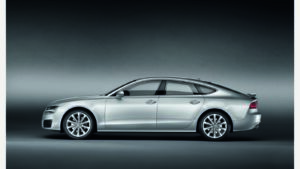
Three cars, three buyers. The E-Class is the rational choice: more rear room, a bigger boot, the same drivetrains, and lower used prices, which is exactly why we send most family buyers towards the E-Class versus Audi A6 comparison first. The Audi A7 Sportback counters with a hatchback tailgate and arguably the slicker cabin tech, plus a softer ride that some owners prefer to the firmer CLS. The CLS sits between them on style and ahead on kerb appeal.
Pick the CLS if the four-door coupe shape is the point and you can live with the back seat. Pick the A7 if you want the practicality of a hatch with similar badge appeal. Pick the E-Class if value and space win. On approved-used cover the three are broadly comparable, though the details differ, as our look at BMW, Audi and Mercedes approved-used warranties sets out.
Checks to make before you put a deposit down
Do these before any money changes hands:
- Run the registration through the DVSA recall checker and confirm the 48V wiring and any other recalls have been completed.
- Check the full MOT history on gov.uk for advisories on suspension, tyres and emissions, and for mileage that climbs sensibly.
- On the test drive, confirm the air suspension raises and lowers smoothly, the car has not dropped overnight, and there is no compressor drone.
- Sit through a full MBUX boot cycle: no black screens, no reversing-camera dropout, no warning lights that clear too conveniently.
- Demand a complete Mercedes-Benz or specialist service file, including AdBlue top-ups and any software updates.
- Confirm the first-registration date to work out whether the expensive-car VED supplement still applies, and read the small print on any add-on cover, the way you would weigh used car warranty exclusions.
Our take
Buy a Mercedes CLS used with your eyes open and it is one of the most charismatic premium saloons your money can stretch to. Our pick is a 2019 to 2020 350d 4MATIC with a full Mercedes-Benz history, a completed recall record and a recently checked Air Body Control system; that car gives you straight-six refinement, sensible economy and the four-door coupe shape without the worst of the depreciation, and it is the last window before the 350d was dropped at the 2021 facelift. The 300d is the honest budget route and the AMG 53 the treat for lower-mileage buyers. Walk away from any CLS with a thin service file, a sagging corner or unresolved MBUX faults, because those are the cars that turn a £25,000 saloon into a five-figure repair habit. If outright space and value matter more than the silhouette, the E-Class is the smarter buy and we would say so. For everyone else, the CLS is a confident, well-judged used purchase.
Updated: 3 June 2026. This is general guidance, not personalised financial, tax or legal advice; CDE has not driven this specific vehicle.
Which Mercedes CLS engine is the best used buy?
Is the Mercedes CLS air suspension reliable?
Does the C257 CLS have any outstanding recalls?
How does the used CLS compare with an E-Class?
Are MBUX glitches common on the used CLS?
What should I budget for a good used Mercedes CLS in 2026?
How we researched this guide
Every pick here is shortlisted from hands-on testing and time spent living with the hardware by the CDE desk, then sanity-checked against current UK pricing, manufacturer specs and real-world performance before it makes the cut. We never rank for commission — affiliate links don't change the order.
Buyer action
Where to check next
Use this as the final check before paying a deposit, signing finance paperwork or relying on a headline monthly figure.