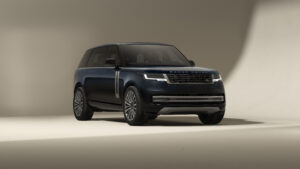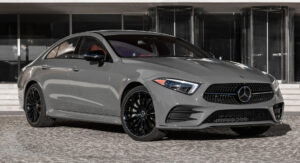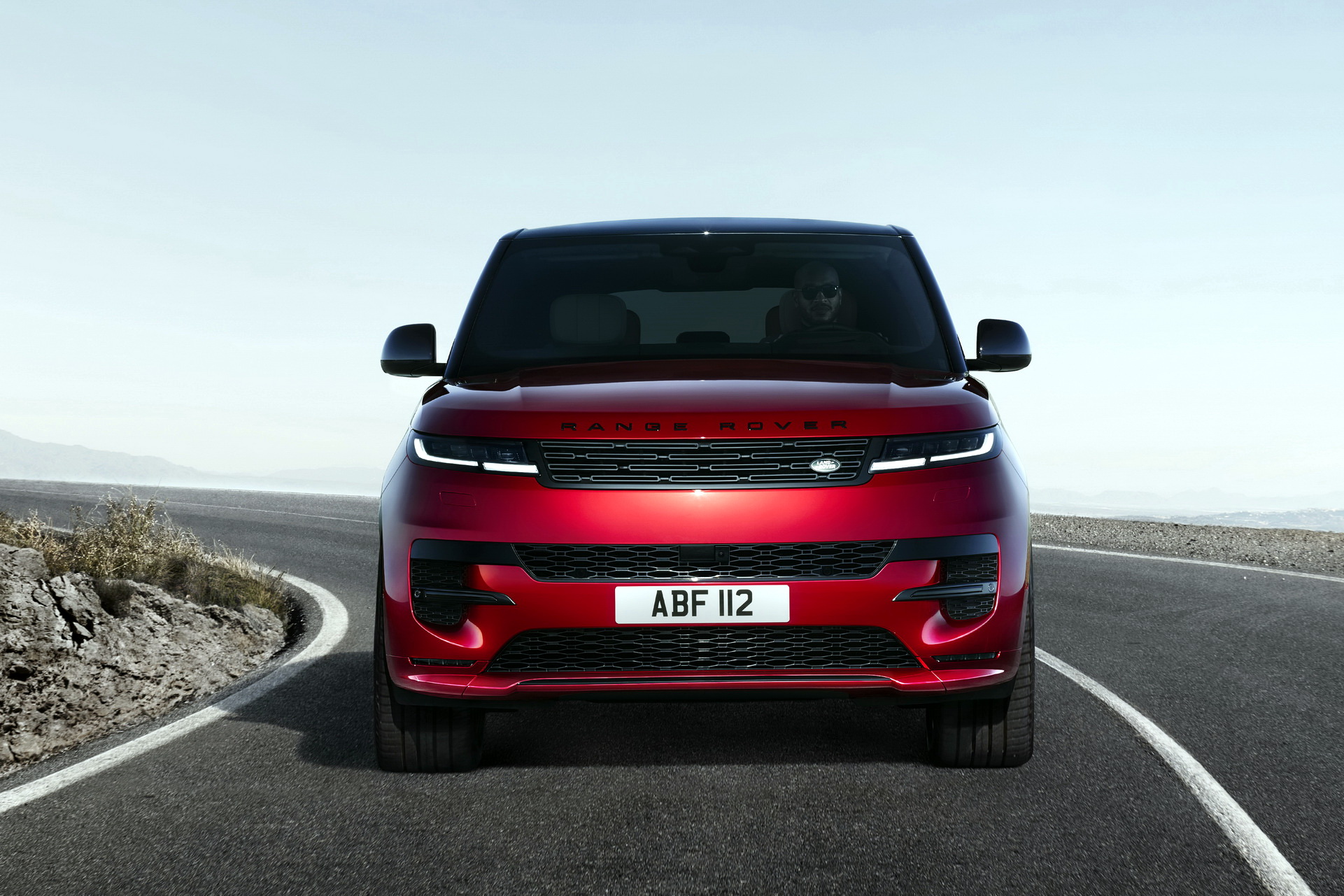
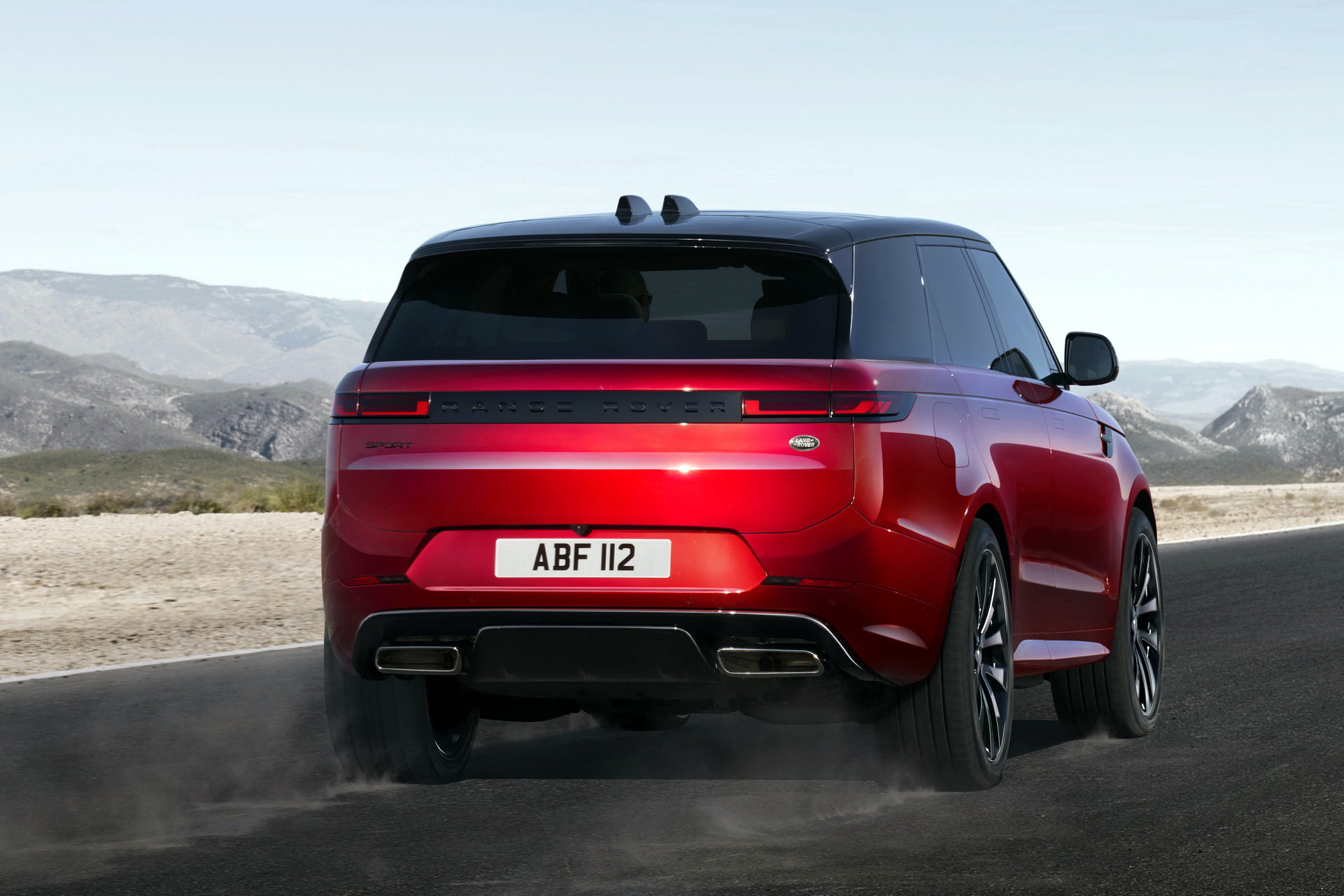
Used car warranty exclusions are where the real money hides, and on a premium car they hide in plain sight. An aftermarket policy on a six-year-old Range Rover or BMW reads like protection, but the fine print decides whether a £3,000 gearbox claim is paid or politely declined. This guide sets out what these warranties genuinely do not cover in 2026, how manufacturer approved-used cover compares, and why your statutory rights against the dealer sit completely separately from any policy you are sold. Worth reading alongside our EV warranty cover decoded 2026.
What real owners say (CDE data)
CDE reviewed the Financial Ombudsman Service published complaint data and the policy and guidance pages for Warranty Direct, MotorEasy and ALA, alongside published Honest John warranty guidance on why claims are declined, 2 June 2026.
- Most-praised themes: fast authorisation when a fault is clearly mechanical, repairs paid directly to the garage, and the comprehensive cover levels that pay up to the value of the car rather than a low per-claim cap.
- Most-criticised themes: the recurring complaint is claims declined as wear and tear, followed by betterment contributions reducing the payout and labour-rate caps that force a top-up at a franchised dealer.
- Complaint signal: the Financial Ombudsman Service reports that vehicle-related issues now account for around a quarter of all financial complaints it receives, with overall uphold rates of 31% in Q1, 33% in Q2 and 27% in Q3 of 2025/26 across all products; warranty wording disputes sit inside that vehicle category and are not isolated as a separate uphold rate.
Aftermarket cover and manufacturer approved-used are not the same product
The first thing to understand is that the two warranties you will be offered come from different worlds. A manufacturer approved-used warranty (Land Rover Approved, BMW Approved Used, Audi Approved, Mercedes-Benz Approved Used) is backed by the carmaker, fitted by franchised dealers, uses genuine parts and main-dealer labour rates, and tends to mirror the cover a new car enjoys. An aftermarket policy from Warranty Direct, MotorEasy, ALA or a dealer’s own scheme is a separate insurance-style contract sold against the car, with its own component list, its own exclusions and its own claim caps. Both are legitimate. The trouble starts when a buyer assumes the cheaper aftermarket policy behaves like the manufacturer one. It rarely does, and the gap is written into the exclusions. The same exercise on the GAP insurance on a £60,000 Range Rover after the FCA review arrives at a different answer.
Wear and tear: the exclusion that catches most premium buyers out
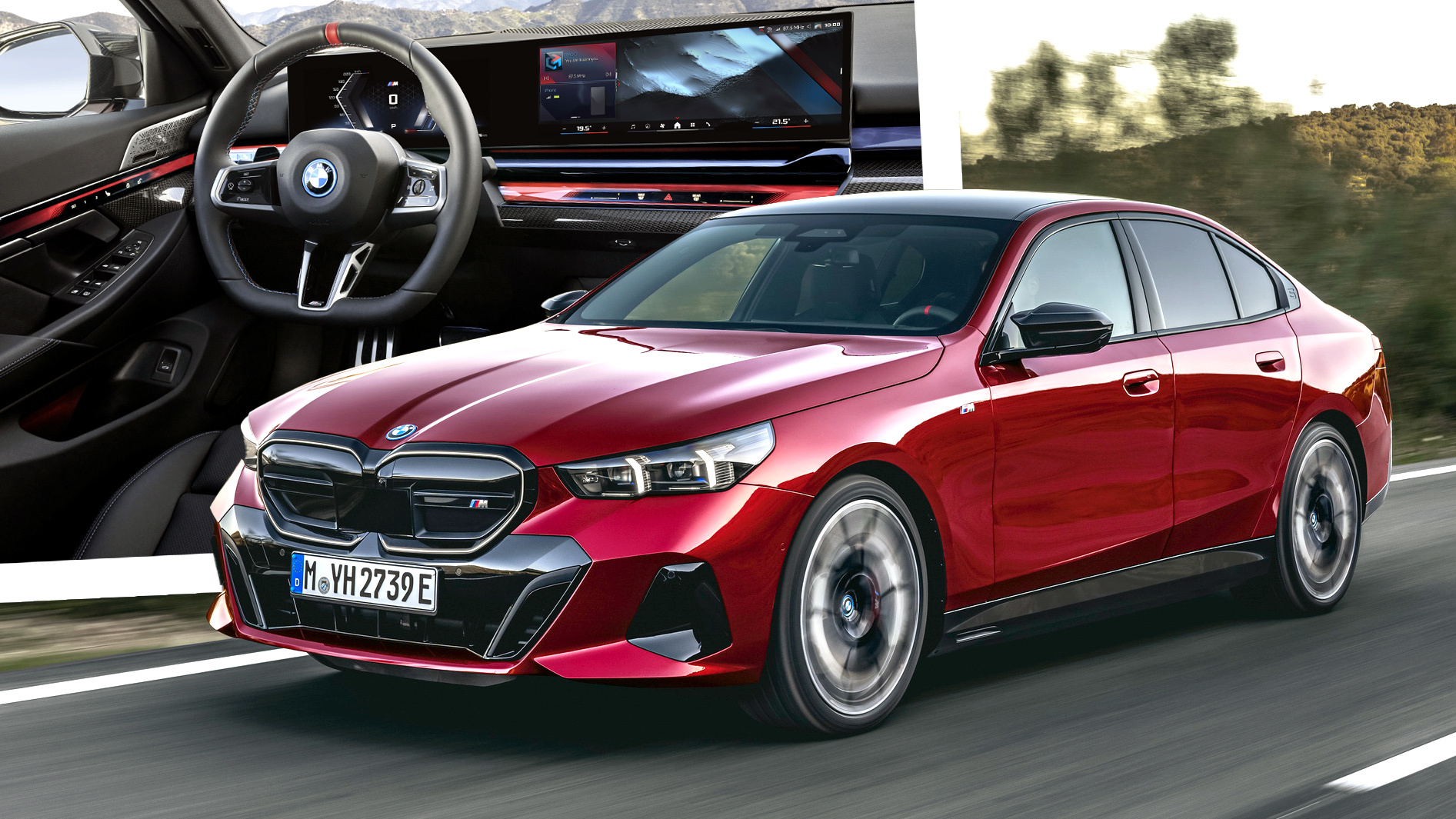
Wear and tear is the decline a component suffers simply from being used, and it is the most common reason a claim is refused. MotorEasy’s own guidance is blunt about the scale of it: around 50% of failures result from wear and tear, with a further 20% from what the industry calls premature wear, so a policy that excludes both will not be paying for most of what actually breaks. Warranty Direct states its cover excludes items that require regular replacement due to wear, naming filters, spark plugs, fluids, brake pads, brake discs and tyres. On a premium car this matters more, not less: a worn dual-mass flywheel, a tired air-suspension compressor or a slipping clutch can all be argued as gradual wear rather than sudden failure. Read whether your policy covers wear and tear from day one, after a health check, or not at all.
Betterment, consequential loss and the parts that are simply not listed
Three quieter exclusions drain payouts. Betterment is a contribution you pay because a repair leaves the car in better condition than before the fault; many policies run a betterment table that scales with age and mileage, so an older premium car attracts a larger owner contribution on parts like a timing chain or turbo. Consequential loss is the damage a failed part causes to other components: some policies pay for the secondary damage, others exclude it entirely, which on a modern engine can be the difference between a £400 sensor and a £6,000 engine. MotorEasy states consequential damage is covered by every one of its policies, which is not universal across the market. Then there is the listed-parts trap: a component-list policy only pays for the items named, so anything not on the schedule is excluded by default, even if it is central to the car running.
Claim limits, labour-rate caps and diagnosis costs
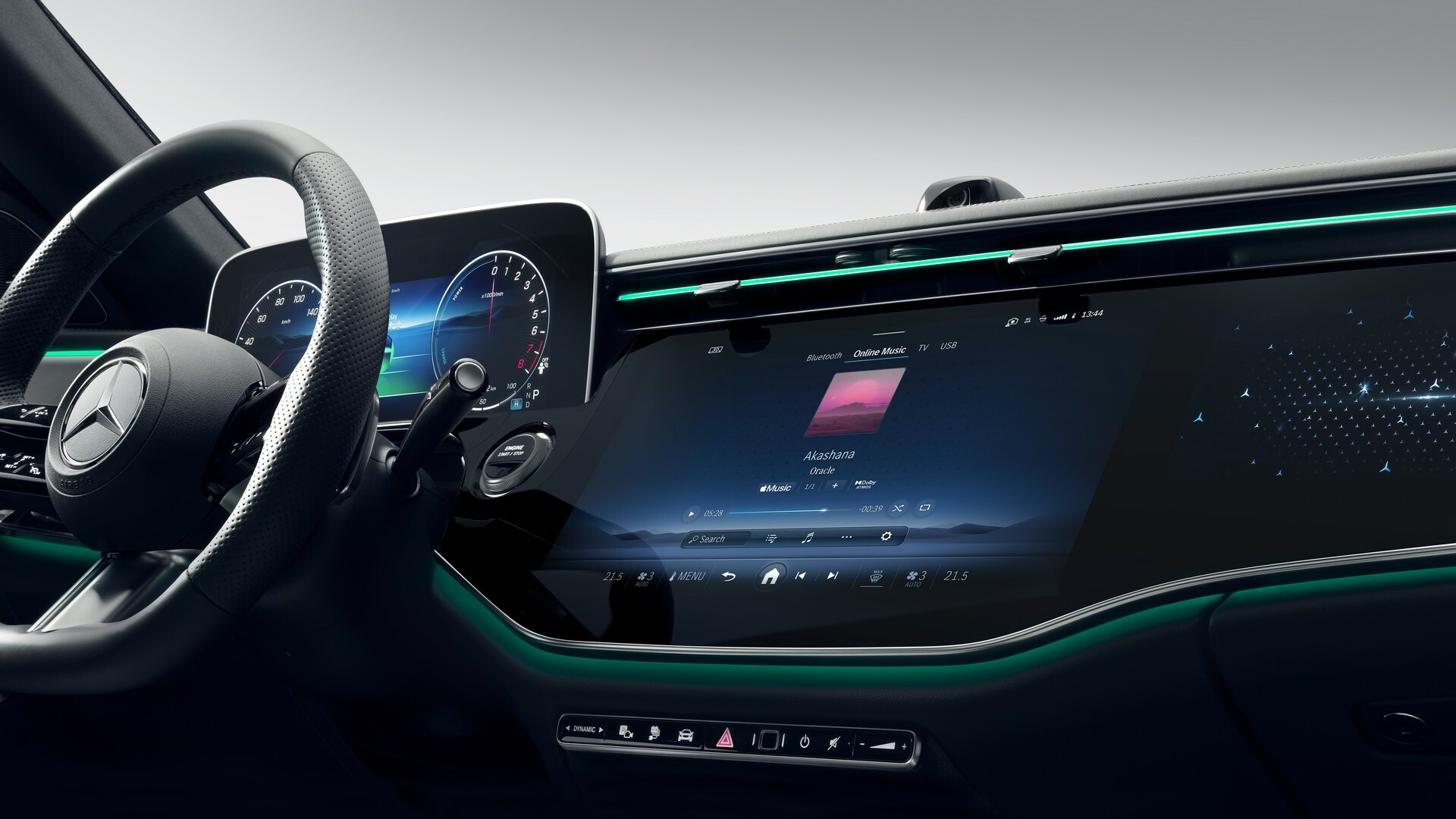
Two numbers decide how useful a policy really is: the per-claim limit and the aggregate limit. Cover ranges from parts-only policies capped around £1,000 per claim up to comprehensive plans that pay up to the value of the car with no per-claim or annual cap. MotorEasy markets its top level as paying up to the value of the vehicle; on a budget policy a single £1,000 cap can leave a four-figure shortfall on a premium gearbox. Labour-rate caps are the next trap: if a policy reimburses, say, £60 to £80 an hour and a franchised dealer charges £150 plus, you fund the gap. Diagnosis costs are a third: investigating an intermittent fault on a complex premium car can run to several hours, and some policies will not pay diagnosis unless the fault is then found to be covered. Always confirm the per-claim limit, the aggregate, the labour rate and whether diagnosis is paid.
Servicing conditions, pre-existing faults and perishable items
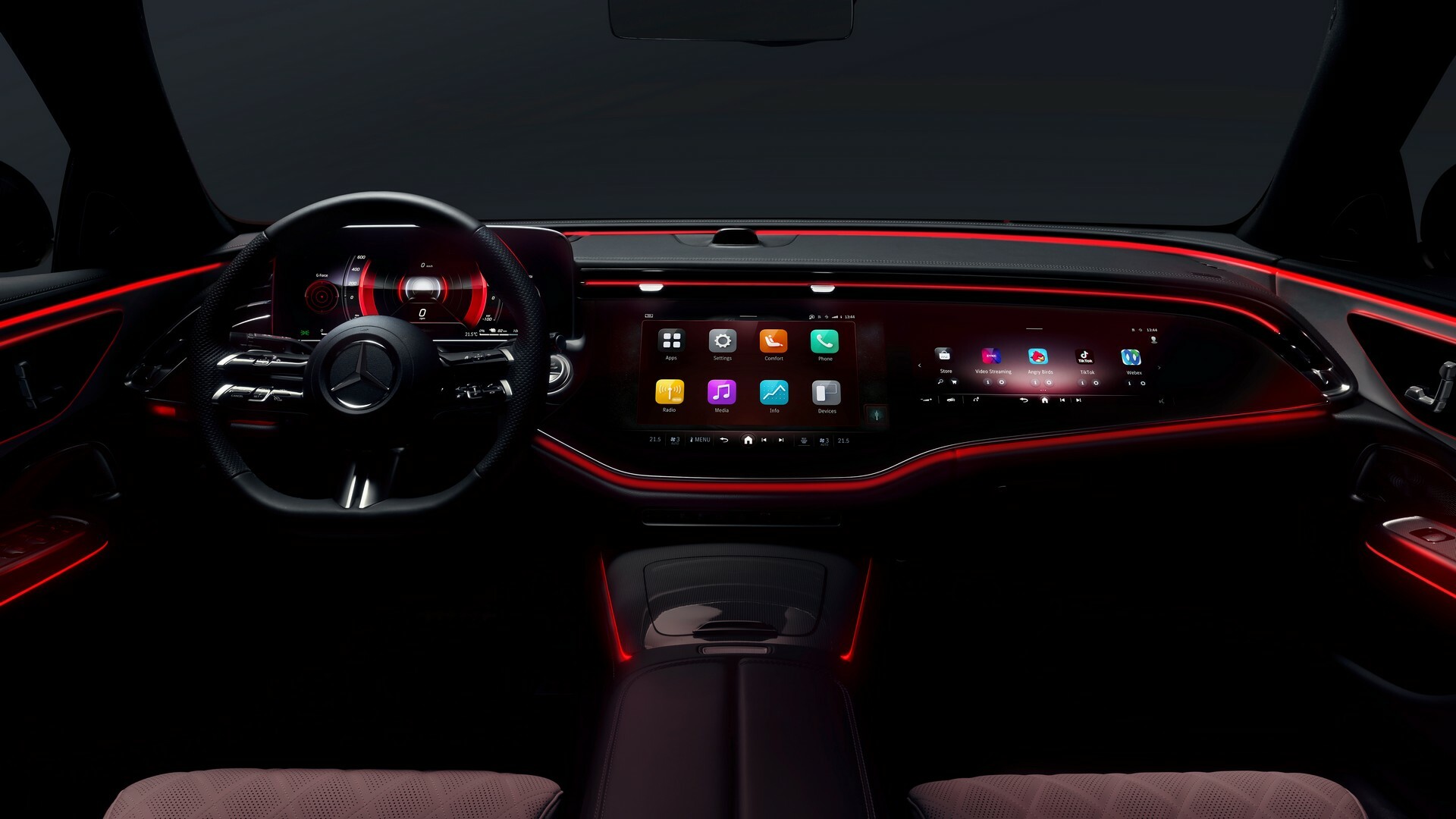
Even a generous policy can be voided by paperwork. Servicing conditions are strict: Warranty Direct makes it a condition that the car is serviced in line with the manufacturer’s recommendations, and a missed or late service can invalidate a claim. Pre-existing and known faults are excluded across the board; an insurer will not pay for a problem that was present or developing when the policy started, which is why the on-sale advisory or a fresh MOT advisory can come back to bite a claim months later. Perishable and consumable items, the bulbs, wiper blades, fluids, brake friction parts and tyres, are excluded by default because they are expected to be replaced through normal maintenance. None of this is hidden, but it sits in the conditions rather than the headline cover, where buyers rarely look until they need to claim. Our Warranty Direct vs MotorEasy vs ALA comparison goes deeper on how each provider words these conditions.
How manufacturer approved-used cover compares
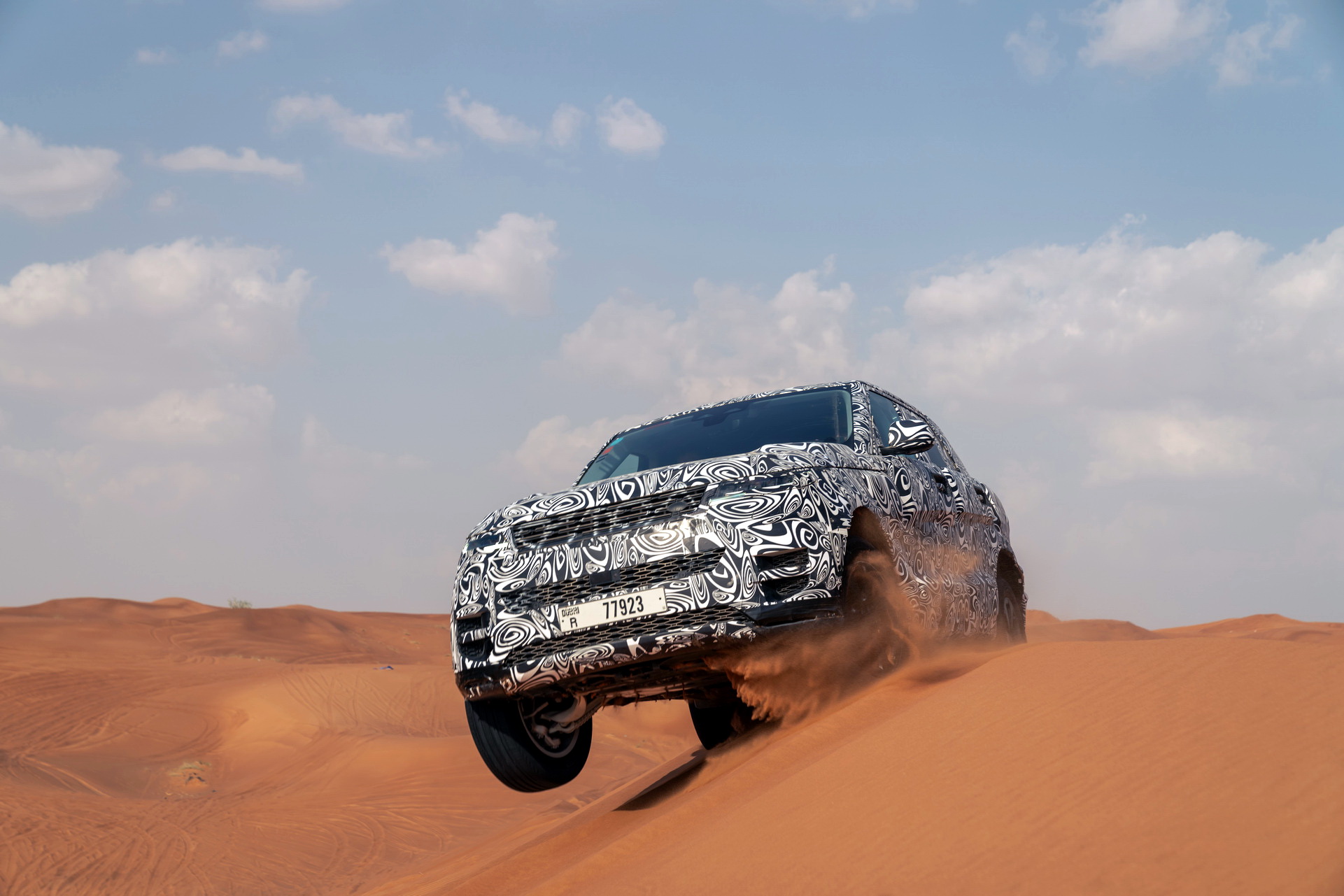
Manufacturer approved-used cover is generally broader and simpler to claim on, because it uses the carmaker’s own component standards, genuine parts and main-dealer labour, with no third-party labour-rate cap to argue over. It still excludes wear-and-tear consumables and demands a service record, but it removes most of the friction points that sink aftermarket claims. The price you pay is flexibility and cost: the car must usually be bought from a franchised dealer, the cover term is fixed, and the purchase price carries the approved-used premium. For a high-value car this can be money well spent, since one declined aftermarket gearbox claim can cost more than the difference. Our BMW, Audi and Mercedes approved used warranty comparison sets out which brand schemes cover the most. For a side-by-side, see our High-value car insurance over £50,000 in 2026.
Provider terms compared at a high level
The table below summarises what each cover type publishes on its own pages. We have not invented any per-claim figure: where a provider lets you choose a claim limit or sets it to the value of the car, that is what we have stated, with the source.
| Cover type | Typical key exclusions | Claim limit (as published) |
|---|---|---|
| Warranty Direct (aftermarket) | Wear-and-tear service items (filters, plugs, fluids, pads, discs, tyres); missed-service voids; pre-existing faults | Per-claim limit you select at purchase (Warranty Direct FAQ) |
| MotorEasy (aftermarket) | Routine maintenance and consumables; pre-existing faults; wear cover may start after a health check | Top level pays up to the value of the car; consequential damage included on every policy (MotorEasy guide) |
| ALA (aftermarket) | Wear-and-tear items, routine maintenance, accidental damage, modifications, neglect/misuse, pre-existing conditions; diagnostics on higher tiers only | Varies by tier; diagnostics covered on Gold and Platinum (ALA exclusions page) |
| Manufacturer approved-used | Wear-and-tear consumables; service-history requirement; bought from franchised dealer | Genuine parts and main-dealer labour, no third-party labour-rate cap; term fixed by scheme |
Your Consumer Rights Act 2015 rights sit alongside any warranty
This is the point most buyers miss, and the one a warranty should never be sold to replace. Under the Consumer Rights Act 2015, a car bought from a dealer must be of satisfactory quality, fit for purpose and as described. If a fault appears within 30 days you have a short-term right to reject the car for a full refund. After 30 days but within six months you give the dealer one opportunity to repair or replace; if that fails, you can claim a price reduction or exercise the final right to reject, with a refund adjusted for use. These rights are against the selling dealer and exist whether or not you bought a warranty. A warranty is an extra contractual layer; it does not cancel or shrink your statutory rights, and a dealer who points you at a warranty to dodge a repair under the Act is in the wrong.
The Financial Ombudsman Service reports that vehicle-related issues now make up around a quarter of all financial complaints it handles, and a warranty-wording dispute that cannot be resolved with a regulated provider can be escalated there for free.
What to check before you buy cover
Before signing, read past the headline price to the conditions. Check whether wear and tear is covered and from when; whether consequential loss is included; the per-claim and aggregate limits; the reimbursed labour rate against your nearest franchised dealer; whether diagnosis is paid; the betterment table; the servicing condition and the claim-waiting period (often around 90 days). Confirm the policy is sold by an FCA-authorised provider so you have an ombudsman route if a claim is wrongly declined. If the answers are weak, a manufacturer approved-used purchase, or simply holding the repair money yourself, can be the stronger play on a premium car. For electric models, the cover logic changes again; see our car insurance and warranty guides for the EV-specific points.
Our take
The used car warranty exclusions that matter are not exotic; they are wear and tear, betterment, consequential loss, unlisted parts, claim caps, labour-rate limits, diagnosis and servicing voids, and they are all in the conditions rather than the sales pitch. Our view is that on a premium car an aftermarket policy is only worth buying once you have read those clauses and confirmed the per-claim limit, the labour rate and the wear-and-tear stance in writing. A cheap component-list policy with a £1,000 cap is close to useless against a £6,000 transmission. Where the budget allows, manufacturer approved-used cover usually buys fewer arguments, because it removes the labour-rate and parts-quality fights that sink third-party claims. Above all, never let a warranty be sold as a substitute for your Consumer Rights Act 2015 protection; those rights are free, separate, and enforced against the dealer who sold you the car.
What are the most common used car warranty exclusions?
Does a used car warranty cover wear and tear?
Is manufacturer approved-used cover better than an aftermarket warranty?
Can a dealer use a warranty to avoid my Consumer Rights Act 2015 rights?
What is betterment on a car warranty claim?
What should I check before buying a used car warranty?
Buyer action
Where to check next
Use this as the final check before paying a deposit, signing finance paperwork or relying on a headline monthly figure.