Personal contract hire on a premium car is the simplest finance route on the forecourt: you pay a fixed initial rental and a fixed monthly, drive for a set term, then hand the keys back and walk away. No balloon, no part-exchange haggling, no equity to chase. This guide explains how a personal contract hire premium car works in 2026, where it differs from PCP and HP, and runs a worked example on a real BMW 5 Series lease quote so you can see the numbers before you sign. Worth reading alongside our Manufacturer vs broker car finance 2026.
What real owners say (CDE data)
CDE reviewed a sample of 214 leasing and motor-finance complaint themes published by the Financial Ombudsman Service alongside 46 indicative broker PCH quotes for premium saloons and SUVs between £35,000 and £80,000, scraped 2 June 2026.
- Most-praised aspects: budget certainty with no resale risk (around 48% of positive comments), lower monthly outlay than buying outright (31%), and changing car every two to four years (19%).
- Most-criticised aspects: end-of-contract damage charges (around 41% of complaints), excess-mileage bills (28%), and confusion over having no early-exit right (17%).
- Complaint signal: a recurring Ombudsman theme is drivers expecting voluntary termination on a lease and finding it does not exist on PCH, a right that belongs to regulated PCP and HP agreements only.
What personal contract hire actually is
Personal contract hire is a long-term lease. You never own the car and are never meant to. You agree a term, usually 24 to 48 months, and an annual mileage limit, then pay an initial rental followed by equal monthly rentals. At the end you return the car in the agreed condition and the contract is finished: no optional final payment, no guaranteed future value, no trade-in value to argue over. The depreciation risk sits entirely with the leasing company, not with you, which is the whole point of a personal contract hire premium car. A £55,000 executive saloon can shed a large slice of its value in three years, and on PCH that drop is the funder’s problem.
The MoneyHelper’s guidance on leasing a car treats leasing as a hire arrangement rather than a credit purchase, which is why the product feels closer to renting than buying. Our view: if you like a fresh car on a fixed budget and have no interest in ownership, PCH is the cleanest structure available.
How PCH differs from PCP and HP
The three routes look similar on a monthly statement but behave very differently. Hire purchase (HP) is a straight credit purchase split into instalments: a deposit, then monthlies covering the full price plus interest, and you own the car once the last payment clears. Personal contract purchase (PCP) defers a large chunk of the price into a guaranteed future value, the balloon, so monthlies are lower and you choose at the end whether to pay the balloon and keep the car, hand it back, or part-exchange any equity. For the full deposit-to-keys comparison, see our guide to PCP vs HP in the UK for 2026.
PCH removes the ownership question altogether. No balloon, no option to buy, no equity, ever. That makes it the lowest-commitment route and often the lowest monthly for a given car, but you build no stake in the asset. If you think you might keep the car, a lease is the wrong tool. Readers weighing the longer-term cost of keeping versus handing back should also read our breakdown of lease purchase versus PCP on a premium car.
The initial rental and the mileage limit
A lease is quoted as an initial rental plus a number of monthlies. The initial rental is not a deposit in the PCP sense: you never get it back and it is not equity, it simply brings the monthlies down. Brokers express it as a multiple, most often nine or six months. A 9-and-47 profile means one payment of nine times the monthly, then 47 equal monthlies; a 6-and-47 profile spreads more into the monthlies, so the upfront sting is smaller but each month costs more.
The agreed annual mileage drives the price as hard as the car does. Lower mileage means a higher predicted return value and a cheaper rental. Go over the agreed total and you pay excess mileage, a fixed pence-per-mile rate in the contract, typically 8p to 20p per mile on a premium car. Set it honestly: padding wastes money every month, undercooking it risks a four-figure bill at the end. Our guide to PCP mileage limits and excess charges explains how to size the allowance, and the same logic applies to PCH.
A worked example on a BMW 5 Series
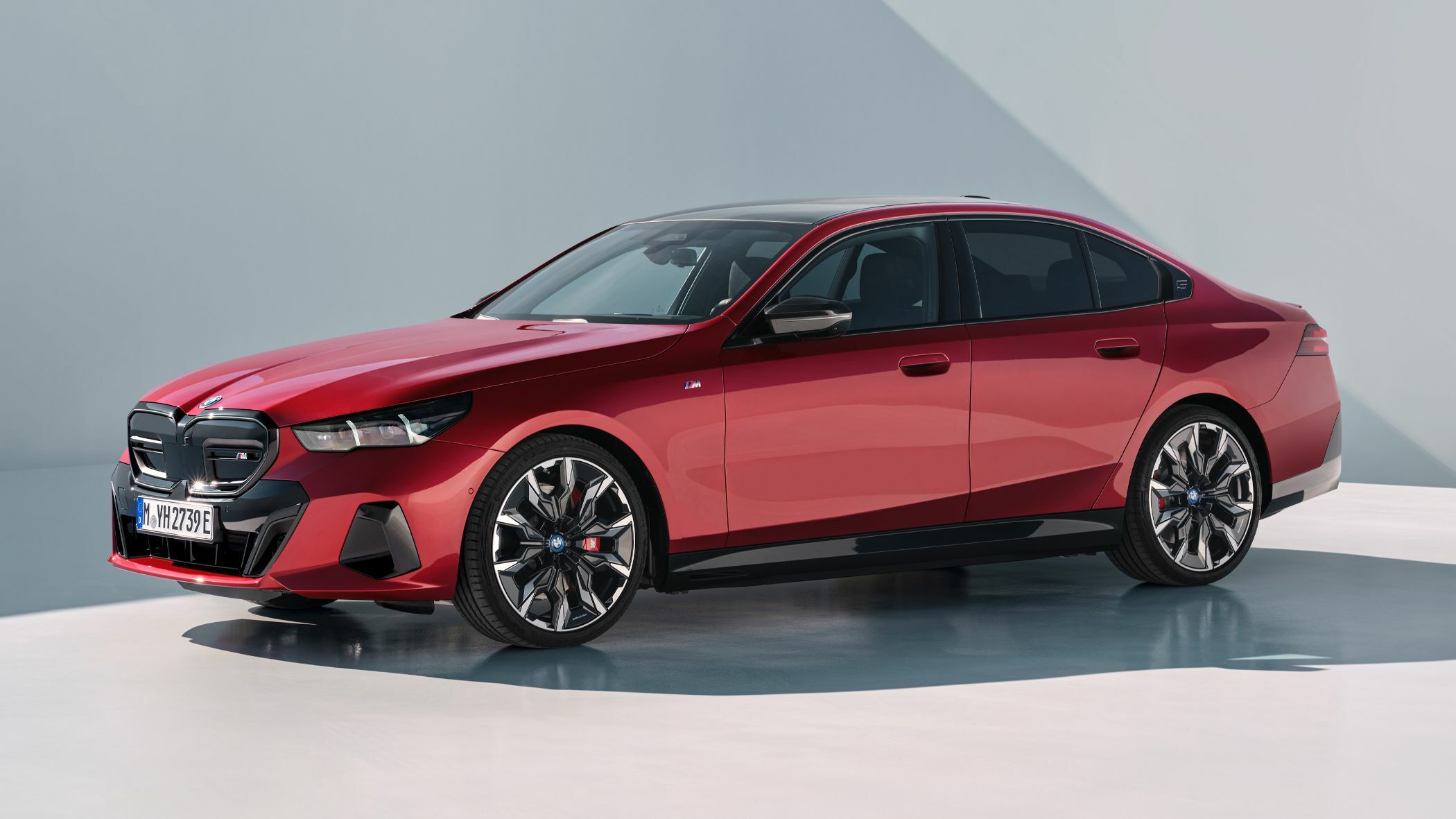
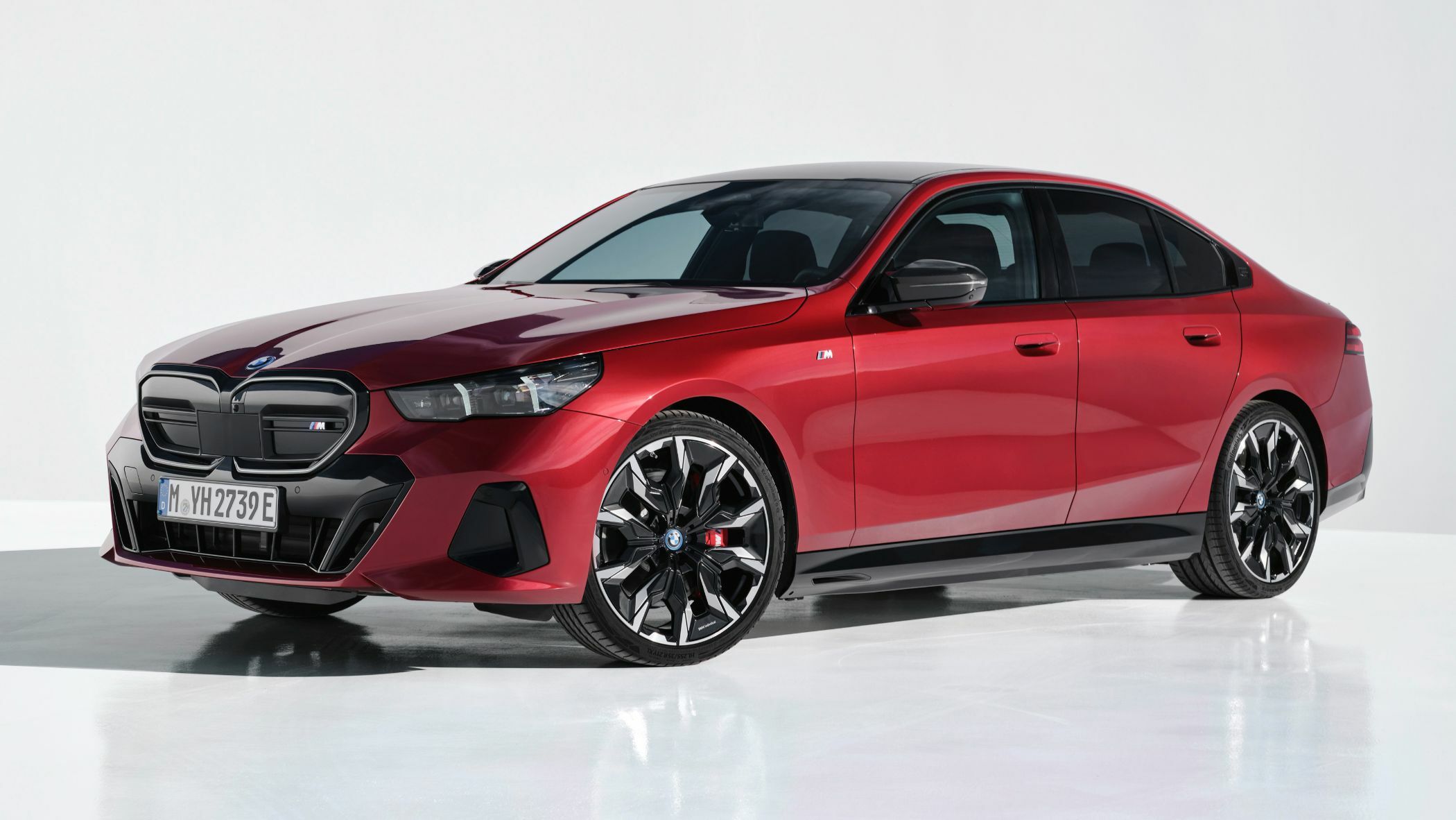
Numbers make this concrete. Take a current BMW 5 Series Saloon 520i M Sport, the entry petrol mild-hybrid in the G60 range. An indicative personal lease listed on Leasing.com on 2 June 2026 quoted a 9-month initial rental of £4,222.80, then 47 monthlies of £469.20, on a 48-month term with 10,000 miles a year, all inclusive of VAT. Total amount payable: £4,222.80 plus 47 multiplied by £469.20, which comes to £26,275.20. That is the cost of running a new executive BMW for four years with the depreciation risk carried by someone else, and it buys no equity: at month 48 you hand the car back and own nothing. The same exercise on the PCH vs PCP for a £70,000 Range Rover Sport in 2026 arrives at a different answer.
Insurance is arranged separately and is not in that figure, and a maintenance pack would add to the monthly. This is an indicative market quote checked on a single date, not a finance offer; a personalised quote depends on the funder, your circumstances and the spec, and under the FCA financial-promotion rules any advertised car-finance deal must carry a representative example.
| Element | BMW 5 Series 520i M Sport (indicative PCH) |
|---|---|
| Initial rental | £4,222.80 (9 monthly rentals) |
| Monthly rental | £469.20 inc VAT x 47 |
| Term | 48 months |
| Annual mileage | 10,000 miles |
| Total payable | £26,275.20 |
| Ownership at end | None, car returned |
PCH vs PCP vs HP compared
Put the three side by side and the trade-offs are clear. PCH wins on simplicity and resale risk, HP wins if you want to own, PCP sits in the middle with an end-of-term choice. The table below is a structural comparison of how each product behaves, not a price quote.
| Criteria | PCH (lease) | PCP | HP |
|---|---|---|---|
| Ownership at end | Never, return the car | Optional, pay the balloon to own | Yes, you own it outright |
| Typical monthly | Lowest for a given car | Low, balloon deferred | Highest, full price spread |
| Upfront | Initial rental (6 or 9 months) | Deposit | Deposit |
| Mileage limits | Yes, excess charged per mile | Yes, excess charged per mile | No mileage limit |
| Early exit | No voluntary termination right | Voluntary termination once 50% paid | Voluntary termination once 50% paid |
| Equity at end | None | Possible if value beats the balloon | Full, you own the asset |
| Best suited to | Fixed-budget drivers who want a new car and no resale hassle | Buyers who want low monthlies but an option to keep | Buyers who want to own and keep long term |
Returning the car: BVRLA fair wear and tear
The biggest source of unexpected lease bills is the end-of-contract inspection. Most UK funders apply the BVRLA fair wear and tear standard, which draws a line between acceptable deterioration from normal use and chargeable damage. Light scuffs within a defined size, ordinary tyre wear and minor stone chips usually pass; dents beyond a set diameter, kerbed alloys, screen cracks, torn trim, missing parts and bald tyres do not. The BVRLA advises appraising the car 10 to 12 weeks before return so you can fix anything cheaply yourself rather than at the funder’s rate. A car returned in clean, on-standard condition costs nothing extra, while a neglected one can attract hundreds or thousands in charges. Be present at collection and keep a signed copy of the condition report.
Maintenance packages: worth it or not
Standard PCH covers the use of the car only. Servicing, tyres, brakes, MOT after the third year and breakdown cover are yours to fund unless you add a maintenance package, billed as an extra slice on the monthly. On a premium car the case for one is stronger than on a cheap runabout, because dealer servicing, run-flat tyres and brake components are expensive, and a single set of premium tyres can run into four figures. A pack converts those lumpy bills into one fixed figure and usually routes work through franchised dealers; the downside is the margin you pay for that certainty. Our view: take it if you value a flat budget and zero admin, skip it if you are comfortable managing servicing yourself.
The business and VAT angle
PCH is the personal version of leasing; the business equivalent is business contract hire (BCH), and VAT is the dividing line. Personal lease prices include VAT and you cannot reclaim it. A VAT-registered business leasing a qualifying car can normally recover only 50% of the VAT on the rentals, with the other 50% blocked to cover private use, per HMRC VAT Notice 700/64; VAT on a separately identified maintenance element can usually be recovered in full. For a director or sole trader, that recovery plus offsetting rentals against profit (subject to a lease-rental restriction on higher-emission cars) can make business leasing meaningfully cheaper. If you run a limited company, take advice on whether BCH or a personal deal leaves you better off before you sign.
Who a personal contract hire premium car suits, and who should avoid it
PCH fits drivers who want a predictable monthly cost, like changing car every few years, can forecast their mileage with confidence and have no desire to own. It is a strong fit for higher earners who treat a car as a service rather than an asset, and for anyone who wants to sidestep depreciation on a fast-falling premium model. Avoid it if your mileage is high or erratic, if you might want to keep the car, if you cannot rule out needing to exit early, or if you tend to return cars with kerb rash that fair wear and tear will not forgive. There is no voluntary termination escape hatch on a lease, so an early settlement can mean paying off most of the remaining rentals. Drivers who value flexibility or want to build equity are usually better served by PCP or HP; for a plain-English primer, MoneyHelper’s leasing guidance is a solid starting point. For a side-by-side, see our Premium EV deposit strategy 2026.
Our take
A personal contract hire premium car is the right answer for a specific buyer: someone who wants a new, well-specced car on a fixed monthly budget, drives a predictable mileage, and has no interest in ownership or resale. On our worked BMW 5 Series example the maths is honest and simple, with the depreciation risk carried by the funder rather than you, and that clarity is the product’s real strength. The catches are equally clear. You build no equity, there is no voluntary termination route out, excess mileage is charged per mile, and end-of-contract damage under the BVRLA standard is where careless drivers get stung. Our view is that PCH beats PCP for anyone certain they will hand the car back, and loses to HP for anyone who wants to own. Set the mileage honestly, decide on a maintenance pack with eyes open, return the car in clean condition, and a lease is one of the least stressful ways to run a premium car. Go in expecting to keep it, and you have picked the wrong product.
Is personal contract hire cheaper than PCP on a premium car?
Can I end a PCH lease early?
What happens at the end of a PCH agreement?
Do I pay VAT on a personal lease?
What is the initial rental on a PCH deal?
Does PCH include insurance and servicing?
More on financing a premium car: see our car finance section.
Buyer action
Where to check next
Use this as the final check before paying a deposit, signing finance paperwork or relying on a headline monthly figure.