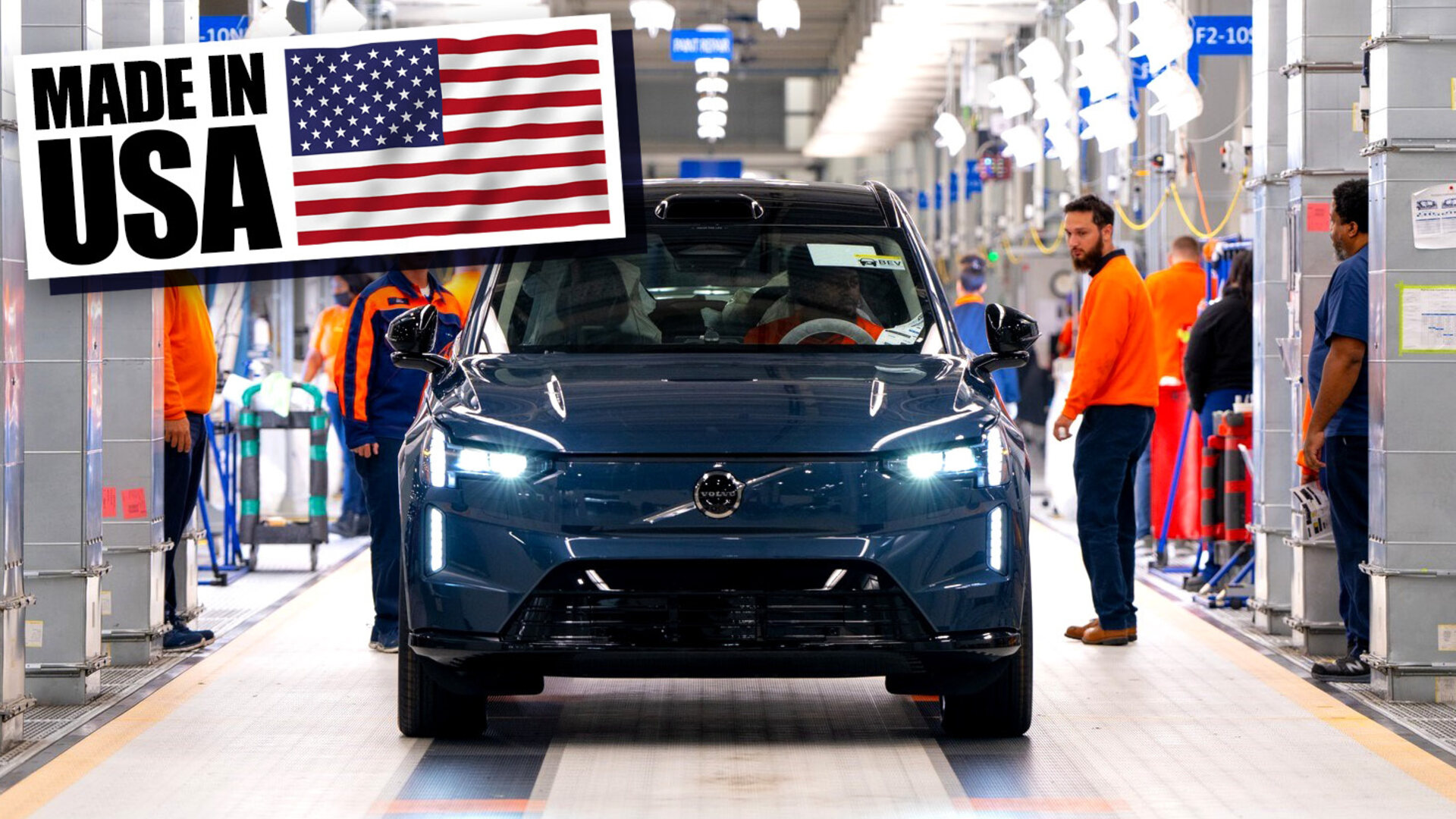
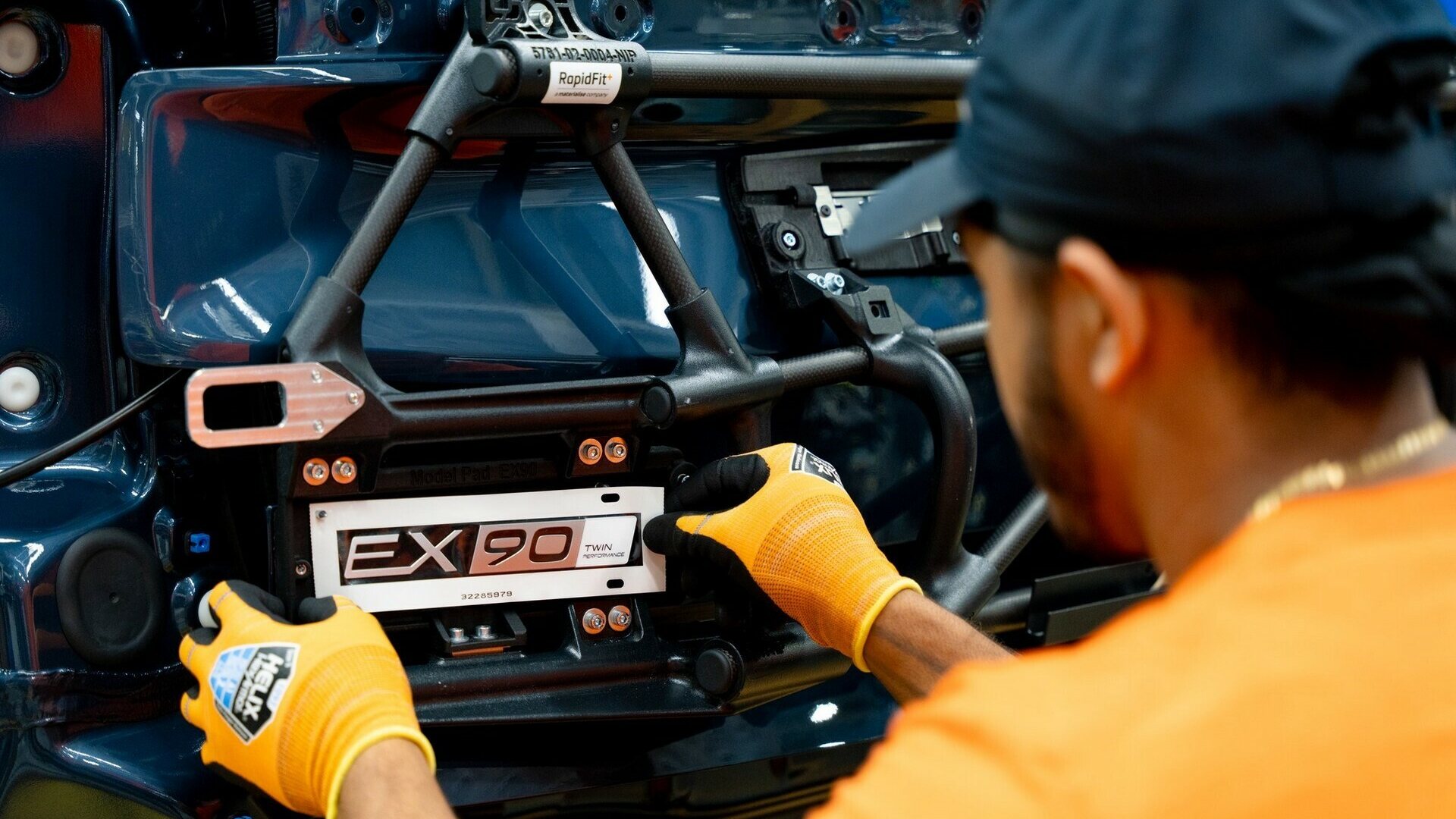
Volvo EX90 Twin Motor salary sacrifice math 2026: 4% BIK, scheme caps, net £660-£730/month for a higher-rate UK taxpayer. The 7-seat premium EV sal-sac play.
Volvo EX90 UK pricing 2026
Salary sacrifice on the EX90 hinges on three numbers: the OTR price, the P11D figure it generates, and where the chosen variant sits inside the £900-a-month gross-spend cap most UK schemes apply. The Twin Motor 408 PS is the entry to the lineup and the one most schemes will quote on first; the Performance and Ultra trims push P11D past £93,000 and stress the cap. The table below maps the configurator straight to the figure your scheme provider will use.
Volvo EX90 UK OTR pricing from the Volvo UK configurator and Carwow inventory, late May 2026:
| EX90 variant | UK OTR start | Battery / Range | P11D (approx.) |
|---|---|---|---|
| EX90 Twin Motor (408 PS) | £83,450 | 111 kWh / up to 374 mi WLTP | £82,900 |
| EX90 Twin Motor Performance (517 PS) | £93,560 | 111 kWh / up to 364 mi WLTP | £93,010 |
| EX90 Ultra Twin Motor Performance | £99,995 | 111 kWh / up to 364 mi WLTP | £99,445 |
BIK math 2026-27 to 2029-30 on a £82,900 P11D EX90
Per HMRC’s appropriate-percentage tables, EV BIK rises from 4% (2026-27) to 5% (2027-28), 7% (2028-29) and caps at 9% (2029-30). On the EX90 Twin Motor at £82,900 P11D the annual BIK figures for a higher-rate (40%) taxpayer:
| Tax year | EV BIK % | Taxable benefit (£82,900 P11D) | 40% higher-rate annual BIK | Monthly |
|---|---|---|---|---|
| 2026-27 | 4% | £3,316 | £1,326 | £110 |
| 2027-28 | 5% | £4,145 | £1,658 | £138 |
| 2028-29 | 7% | £5,803 | £2,321 | £193 |
| 2029-30 | 9% | £7,461 | £2,984 | £249 |

Scheme fit: where the EX90 falls in UK sal-sac caps
- Octopus EV standard scheme (£75,000 P11D cap): the EX90 Twin Motor (£82,900 P11D) sits above the cap and is NOT eligible on standard schemes. Some employer-bespoke Octopus EV plans extend the cap; verify with your scheme administrator.
- Loveelectric standard scheme (£75,000 P11D cap): same exclusion. Loveelectric Premium can accommodate above £75,000 on employer-bespoke arrangements.
- ElectriX (LV= / Allianz) higher tier: approximately £85,000 to £100,000 P11D cap. The EX90 Twin Motor at £82,900 fits cleanly.
- Tusker premium tier: caps up to £110,000+ on premium employer schemes. EX90 Twin Motor fits all premium-tier Tusker accounts; the Performance variants fit most.
For most UK higher-rate taxpayers the practical EX90 sal-sac story is: standard Twin Motor through Tusker or ElectriX; Performance variants through Tusker premium or a corporate-bespoke arrangement. See our Octopus EV vs Loveelectric vs Tusker scheme rules comparison for the current cap-by-provider table.
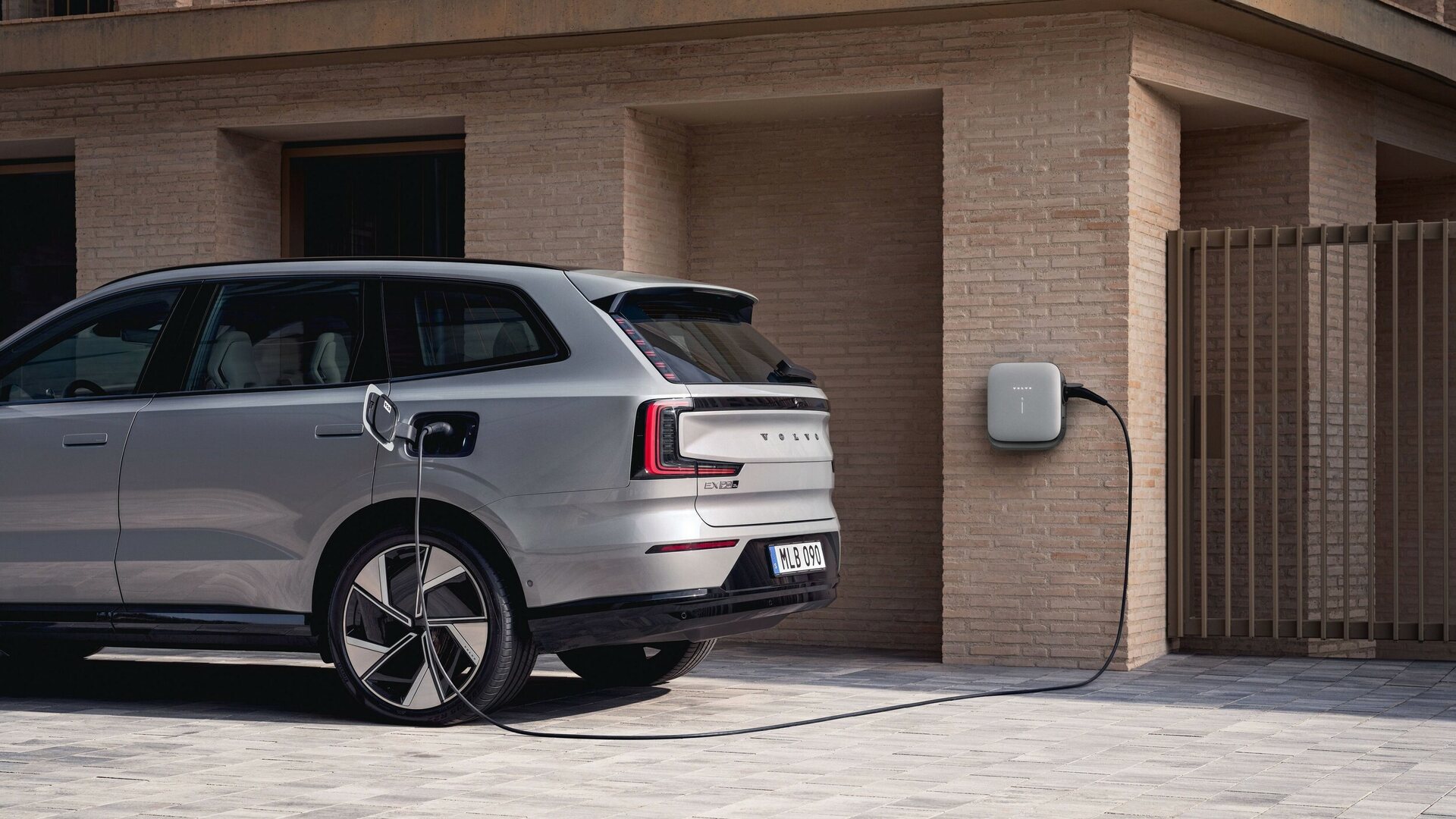
Gross sacrifice vs net cost: EX90 Twin Motor through Tusker
Indicative gross monthly sacrifice on an EX90 Twin Motor, 4-year contract, 10,000 miles/year, including insurance and maintenance, from Tusker premium-tier quotes (late May 2026): approximately £1,000 to £1,100/month. Translating £1,050/month gross sacrifice for a higher-rate (40%) UK taxpayer:
- Gross sacrifice: £1,050/month
- Income tax saved (40%): £420/month
- Employee NI saved (2% above primary threshold): £21/month
- Add back BIK tax (4% on £82,900 P11D, 40% taxed): £110/month
- NET cost to your take-home: roughly £719/month
Compare to a personal PCH on the same EX90 Twin Motor through Volvo Car Finance at roughly £900 to £1,050/month (depending on contract term, deposit and mileage). PCH is paid from post-tax income; the equivalent gross-salary cost for a higher-rate taxpayer is roughly £1,500 to £1,750/month. Sal-sac at £719/month net is approximately 50% to 55% cheaper than PCH on a like-for-like EX90 Twin Motor.
EX90 vs BMW iX vs Range Rover Electric vs Audi Q6 e-tron
- Volvo EX90 Twin Motor (£83,450 OTR, £82,900 P11D): 7-seat, 374-mi WLTP, true family-oriented EV. Tusker premium tier or ElectriX higher tier required.
- BMW iX xDrive40 (£77,000 to £85,000 depending on options, £76,500-£84,500 P11D): 5-seat, 257-mi WLTP. Fits Tusker premium tier. See our BMW iX sal-sac math.
- Range Rover Electric (estimated £125,000+ OTR, P11D >£120,000): 5-seat, true flagship; needs executive-tier scheme. See our Range Rover Electric launch piece.
- Audi Q6 e-tron quattro (£68,500 to £108,000): 5-seat, premium standard. The base Q6 e-tron under £75,000 P11D fits Octopus EV and Loveelectric standard schemes. See our Audi Q6 e-tron sal-sac math.
The EX90 is the only mainstream 7-seat premium EV in the UK at this P11D level. If you need three rows, this is the rational sal-sac choice; the Range Rover Electric is fundamentally larger and substantially more expensive, the BMW iX is 5-seat only, and the Audi Q6 e-tron is 5-seat only.
Our take
For a UK higher-rate or additional-rate UK taxpayer with three children, premium-tier sal-sac access (Tusker or ElectriX) and home charging, the Volvo EX90 Twin Motor at roughly £719/month net is the most credible 7-seat premium EV sal-sac in the UK market in 2026. The EX90 Performance is rarely worth the extra £10,000 of P11D unless your scheme cap allows; the Twin Motor’s 408 PS is abundant for any UK use-case. If you do not need 7 seats and your scheme caps under £75,000 P11D, the BMW iX xDrive40 or Audi Q6 e-tron quattro are the rational alternatives. Volvo’s 374-mile WLTP range on the EX90 Twin Motor is competitive against the BMW iX and beats the smaller Audi Q6 e-tron; the EX90’s standard equipment list (panoramic roof, Harman Kardon premium audio, semi-aniline leather) at the £83,450 entry point delivers strong specification-per-pound at this P11D level. If your employer only offers Octopus EV or Loveelectric standard schemes, the EX90 is out and the Audi Q6 e-tron at sub-£75,000 P11D is the rational substitute.
Is the Volvo EX90 eligible for UK salary sacrifice in 2026?
How much does the Volvo EX90 cost on UK salary sacrifice?
What is the BIK tax on a Volvo EX90 in 2026-27?
Volvo EX90 vs BMW iX vs Range Rover Electric for sal-sac?
Does the Volvo EX90 have a 7-seat layout as standard?
How fast can the Volvo EX90 DC charge?
Related reading on CDE
Buyer action
EV and salary-sacrifice checks
Use this as the final check before paying a deposit, signing finance paperwork or relying on a headline monthly figure.