UPDATED · News · 24 May 2026 · Car Deal Expert Editorial Team
Is recycling electric car batteries an emerging market?
Some people are worried that when the lithium-ion electric car batteries reach the end of their automotive life cycle, these green vehicles will create a massive wave of new litter. According to Green Car Reports, this concern has been raised over upcoming vehicles like the 2011 Nissan Leaf, 2011 Chevrolet Volt and 2012 Toyota Prius Plug-In Hybrid. However, since lithium-ion packs retain much of their energy capacity even after they can no longer operate an electric car, potential for recycling electric car batteries remains.
Recycling electric car batteries could become a huge green industry
By the end of the current decade, predicts Scientific American, recycling lithium-ion electric car batteries could help provide “energy accumulators for photovoltaic solar panels or wind turbines.” That translates into power that can be generated, stored and used all in the same place, which is very much in keeping with America’s green goals. An infrastructure for the electric car battery recycling industry will need to be built up, but Green Car Reports suggests following the lead of the lead-acid car battery recycling industry that’s already in place.
12-Volt lead-acid car batteries are the most recycled item in the world
That’s what Scientific American reports, and considering that 70 million or more cars are built each year with lead-acid batteries under the hood, that makes sense. The U.S. Environmental Protection Agency backs this up, too. Their records indicate that 100 million lead-acid car batteries are turned in each year, and 99 percent of those are recycled. About 97 percent of the lead is recyclable, while the sulfuric acid can be turned into sodium sulfate, which is used in fertilizer and dyes. Plastic cases can also be recycled easily, but the tricky part is the acid. The Blacksmith Institute says the waste product produced if a lead-acid battery is not dismantled properly contributes to one of Earth’s 10 worst pollutants. Thankfully, lithium-ion electric car batteries are “essentially non-toxic,” writes Green Car Reports.
Toyota has the right idea
Despite the massive difficulties the Japanese automaker has experienced due to sudden acceleration problems, Toyota is actually among the leaders in being prepared for the upcoming lithium-ion electric car battery recycling industry. This is largely due to the popularity of their Prius hybrid.
Related Video:
From the current CDE newsroom
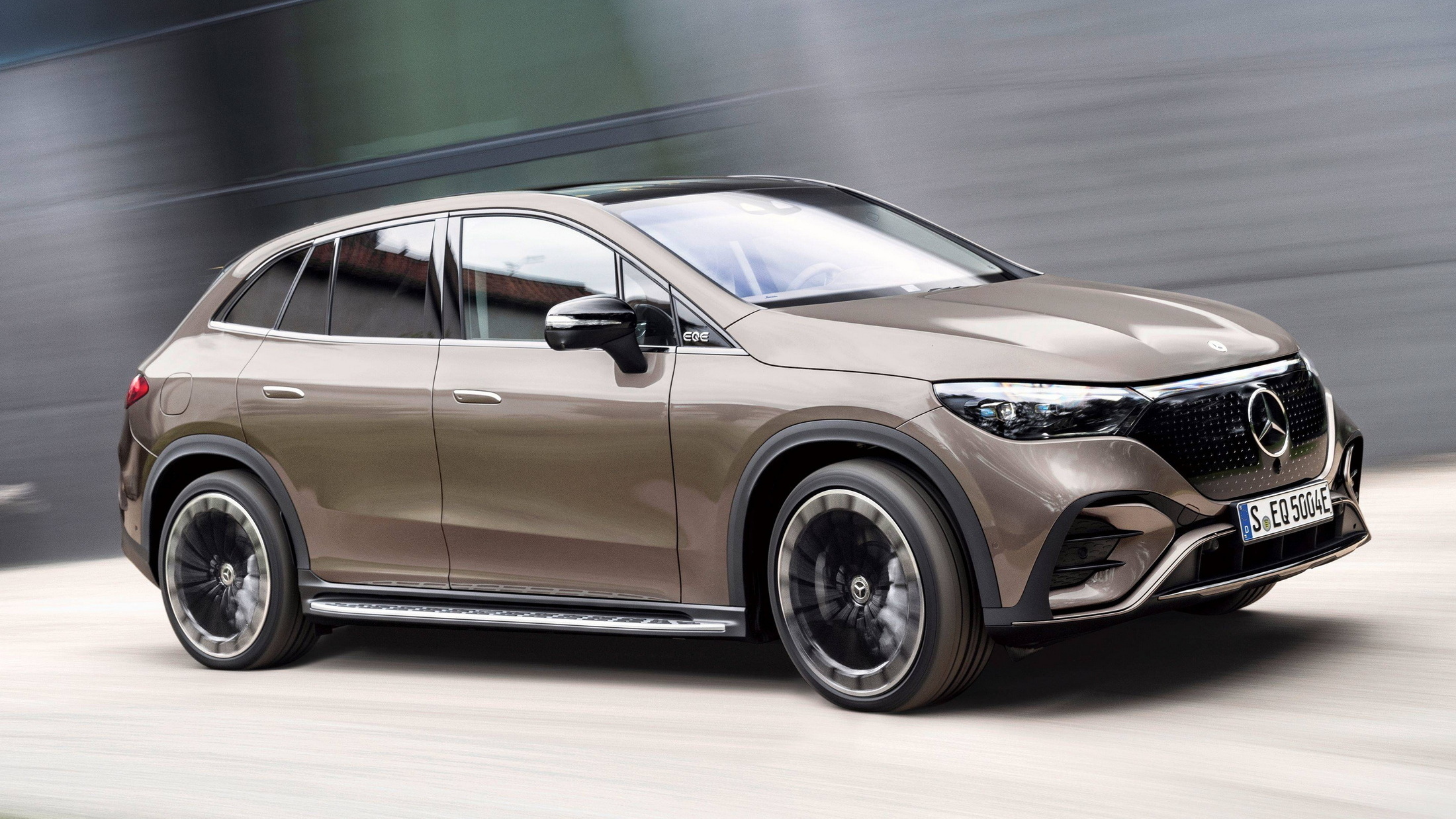 Mercedes EQE SUV salary sacrifice 2026: BiK, P11D and net monthly costMercedes EQE SUV salary sacrifice in 2026: 4% BiK, P11D and net monthly cost worked for 40% and 45% taxpayers ...
 BMW iX salary sacrifice 2026: net cost for a 40% and 45% taxpayerBMW iX salary sacrifice nets about £629 a month for a 40% taxpayer on the xDrive45, at the 4% 2026-27 BiK rate...
 Range Rover Electric: what buyers should know before the 2026 launchRange Rover Electric: 800V, 117kWh and a 61,000-strong waiting list are confirmed, but UK price and range are ...
Buyer action
EV and salary-sacrifice checks
Use this as the final check before paying a deposit, signing finance paperwork or relying on a headline monthly figure.