The Range Rover's £5,490 first-year tax, £620-a-year supplement and group 50 insurance, totted up in pounds for 2026 , and which version actually makes sense.
The first number that should worry a Range Rover buyer isn’t the £145,145 on the configurator , it’s the £5,490 that lands before the car has turned a year old. That’s the top first-year VED band for the highest-emitting cars in 2025/26, and a 530hp petrol Range Rover walks straight into it. As What Car? set out in its 2 January 2026 update to the luxury car tax rules, the showroom sticker is only where the spending starts.
I spend my days picking apart what cars actually cost once they’re on your driveway rather than in the brochure, and the Range Rover is one of the cleanest examples I know of a price tag that lies by omission. Not because Land Rover hides anything , the numbers are all public , but because almost nobody adds them up before they sign. So let me do it properly, in pounds, for 2026.
The list price is the smallest honest number on the page
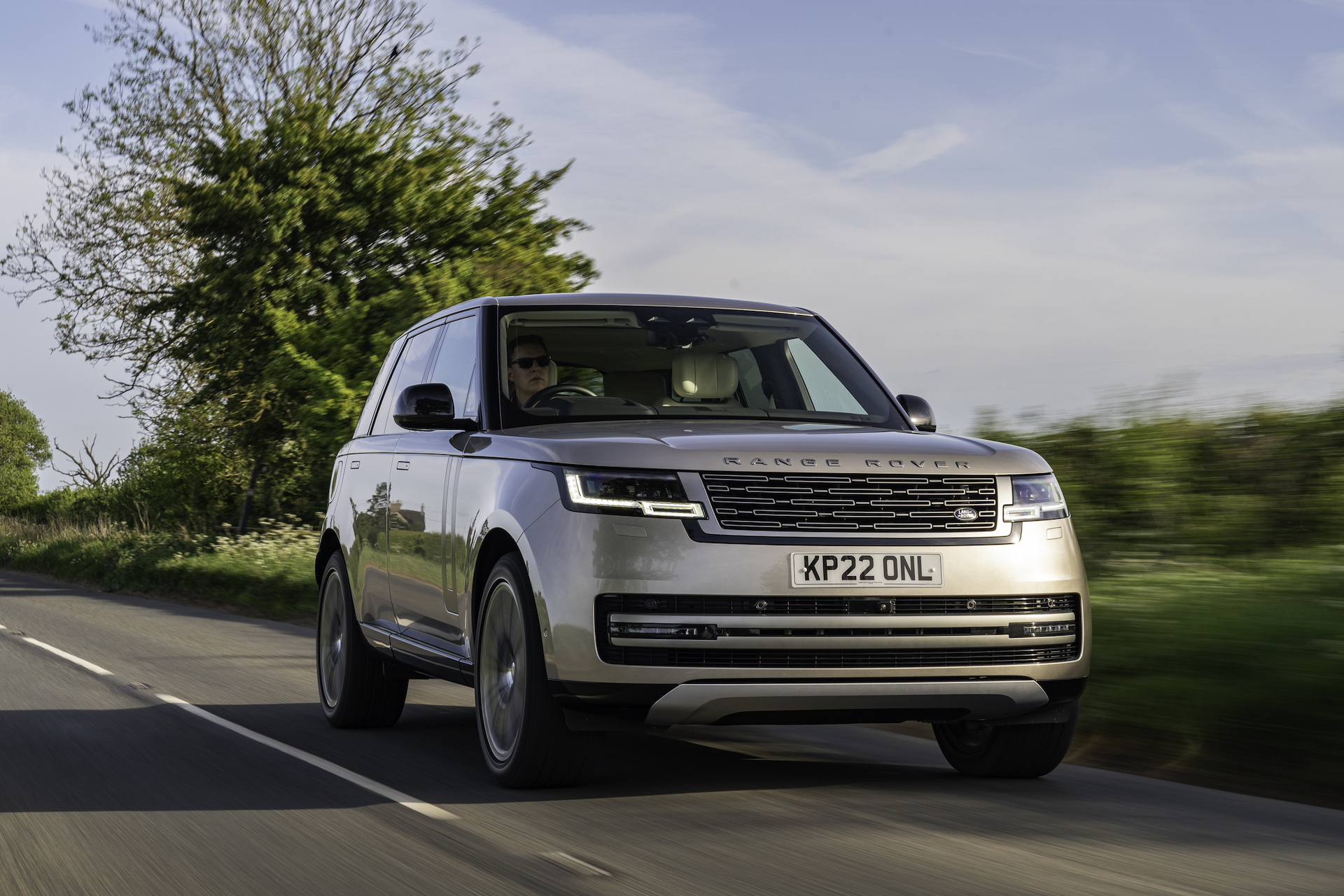
The current Range Rover spans an enormous range. Carwow lists the line-up from £107,530 to £252,810, with the SE D300 diesel in standard wheelbase opening the account at around £112,760 and the petrol P530 Autobiography sitting at £145,145. The official Range Rover configurator will happily take you well past £200,000 with a long wheelbase, the right cabin and a few of the more serious option packs.
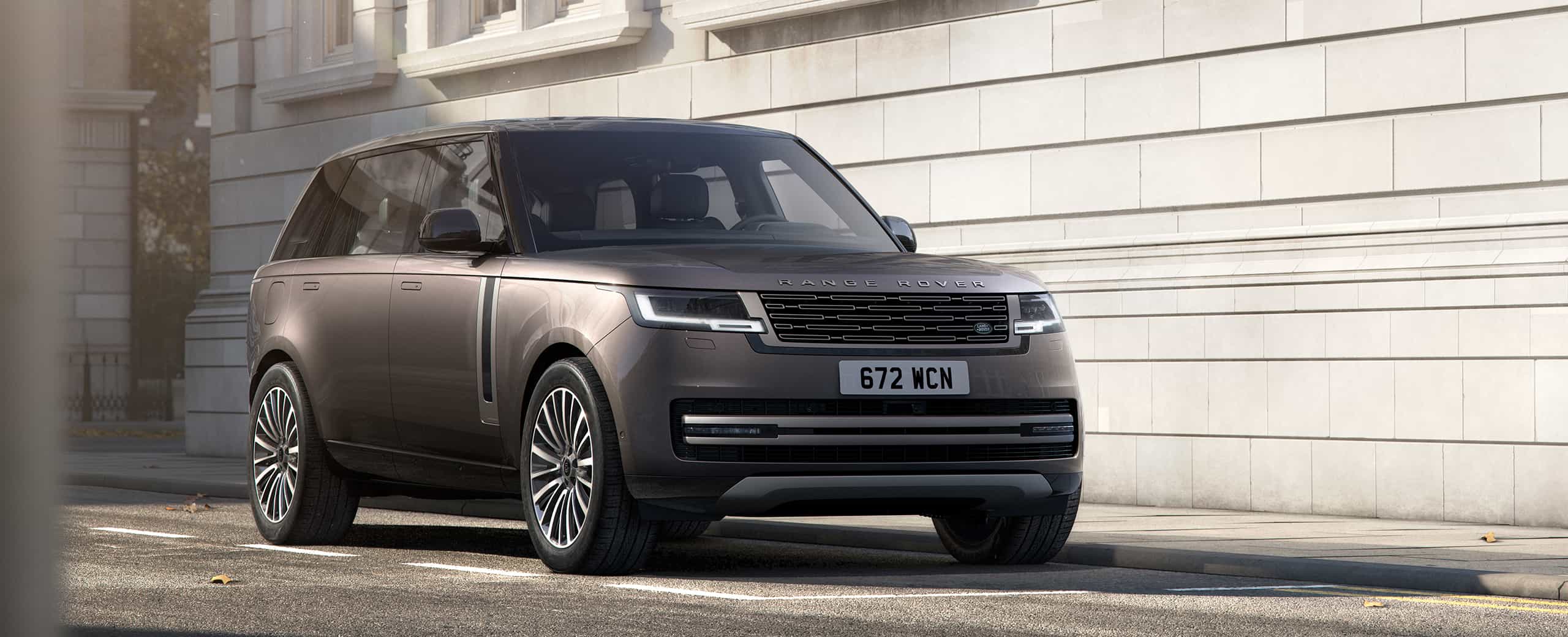
Whatever trim you land on, you are comfortably over the £40,000 threshold that triggers the expensive car supplement , and that single fact reshapes the next six years of ownership more than any spec choice you make.
| Running cost, 2025/26 | D300 diesel | P530 petrol |
|---|---|---|
| From-price (Carwow) | around £112,760 | £145,145 |
| First-year VED | Lower four-figure band (194g/km CO2) | £5,490 (top band, 255g/km+) |
| Expensive-car supplement, years 2-6 | £620/yr (£3,100 total) | £620/yr (£3,100 total) |
| Official economy | Up to 38.2mpg WLTP | Thirsty 4.4 V8 |
| Insurance group | 50 | 50 |
| Where I land | The one to buy, outright | Heart over head, worst on finance |
The £5,490 that arrives before you’ve broken it in
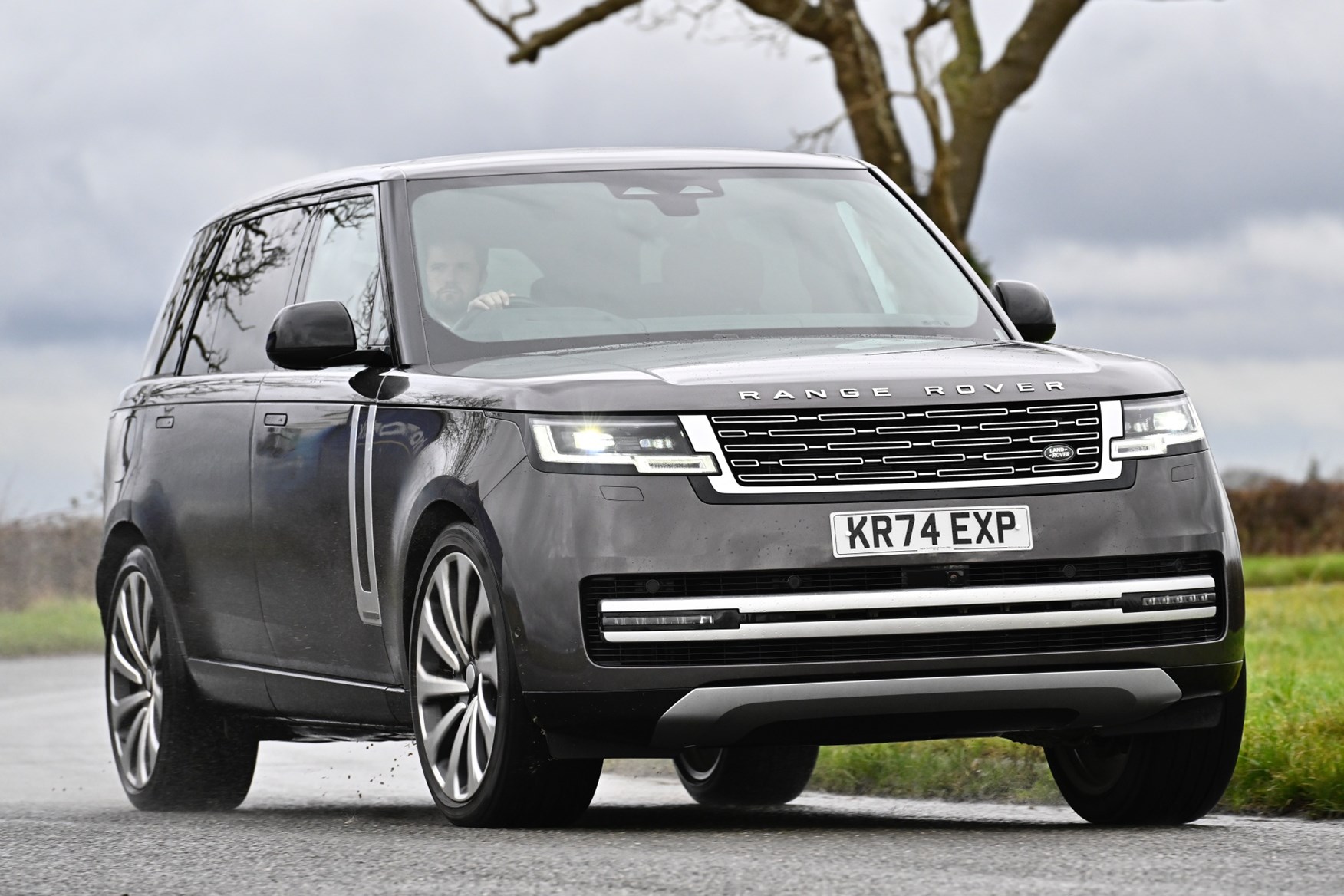
First-year VED , the showroom tax , is set entirely by CO2. The RAC’s 2026 car tax band guide puts the top rate at £5,490 for anything emitting over 255g/km in 2025/26, a figure that doubled from £2,745 at the last Budget. The 4.4-litre twin-turbo P530 is squarely in that bracket. So is most of the petrol range.
The diesel is the only version that gives you meaningful relief here. A D300 returns up to 38.2mpg on the WLTP combined cycle and emits 194g/km, which drops it into a lower , though still four-figure , first-year band. That’s the quiet reason most Range Rovers on UK roads still wear a diesel badge: it’s the single decision that shaves thousands off year one.
Then the bill that simply won’t leave
Here’s the part that catches people. The expensive car supplement isn’t a one-off. What Car? confirms it’s £425 a year, charged on top of the £195 standard rate for five consecutive years , years two through six of the car’s life. That’s £620 every single year, or £3,100 in supplement alone, purely for the crime of having cost more than £40,000 when new.
And the goalposts are moving. From April 2026 the supplement threshold rises to £50,000, but only for zero-emission cars, as What Car?’s luxury car tax guide explains. Petrol, diesel and hybrid Range Rovers stay pinned to the old £40,000 line. If you were quietly hoping a plug-in version might duck the charge, it won’t.
The Range Rover doesn’t have a price. It has a price, and then a standing order you didn’t notice you’d agreed to.
Insurance: group 50, and the premium is the polite part
Every Range Rover sits in insurance group 50 , the very top of the scale , the same as a BMW X7, while an Audi Q7 starts as low as group 45. Auto Express points to the obvious culprits: the purchase prices, the wall-to-wall equipment, and an aluminium-intensive body that’s expensive and awkward to repair after even a modest knock.
What makes me uneasy, though, isn’t the headline premium , it’s theft. Large Range Rovers have been among the most stolen cars in Britain for years, and that reputation feeds straight back into what insurers quote, what excess they demand, and increasingly whether they’ll cover you at all without a tracker and off-street parking. Two identical cars on two different postcodes can be thousands apart on premium. Get a real quote for your postcode before you fall in love with a configurator screen, because the insurance line is the one most likely to ambush you.
Fuel, and the petrol’s honesty problem
On fuel, the diesel is the only version that behaves like a car you’d run rather than a car you’d lease and forget. That 38.2mpg WLTP figure is genuinely usable, and on a long motorway run a careful diesel Range Rover will get close to it. The petrol P530 is a different conversation entirely: 530hp, a 4.4-litre twin-turbo V8, and real-world economy that turns every brimmed tank into a noticeable event. It’s a magnificent engine. It is not a sensible one.
For a plug-in route, the Range Rover’s PHEV offers the clearest tax case in the family. Its official CO2 sits low enough on the test cycle to drop first-year VED sharply and slash company-car BiK, provided you actually plug it in and keep the battery charged. Treat the lab economy figure as theoretical and the BiK saving as the real prize: as ever, the tax tail does a lot of the wagging here. It still pays the expensive-car supplement, mind, because it isn’t zero-emission.
Who should actually write this cheque
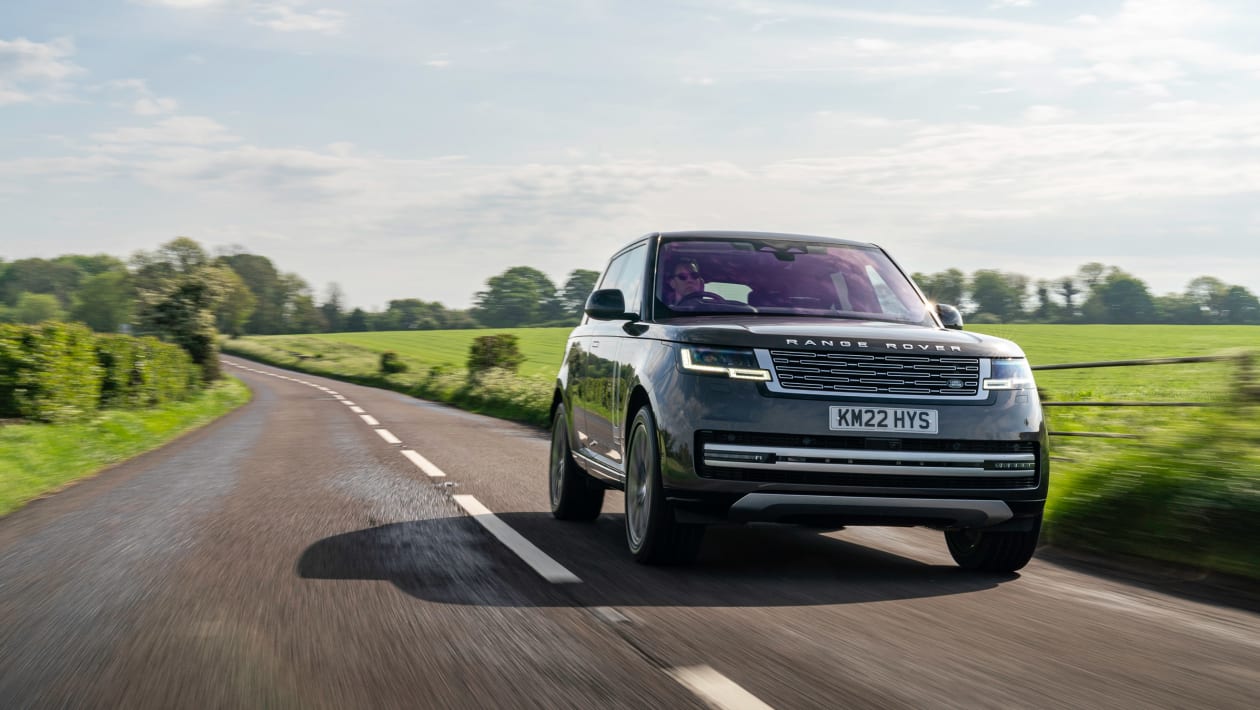
I’ll be plain about it. If you’re buying outright with money you’ve already earned and you want the best riding, most quietly authoritative luxury SUV on sale, the Range Rover earns its tier , this is a Selfridges-floor car, not a value calculation, and pretending otherwise misses the point of it. Buy the diesel, insure it somewhere it can sleep off the street, and the running costs become a known, survivable quantity rather than a series of shocks.
Where I’d hesitate is the petrol P530 on finance. The £5,490 first-year tax, the £620-a-year supplement running to the end of the decade, group 50 insurance and a thirst that never relents stack into a monthly reality that the brochure’s beautiful photography is specifically designed to keep you from totting up. None of it is hidden , every figure above is public , but it’s scattered across half a dozen pages precisely because, gathered in one place, it gives even committed buyers pause. The car that would change my mind is the diesel, bought outright, parked behind a gate. Everything else is the heart writing cheques the spreadsheet has to honour for six years.
Buyer action
Where to check next
Use this as the final check before paying a deposit, signing finance paperwork or relying on a headline monthly figure.