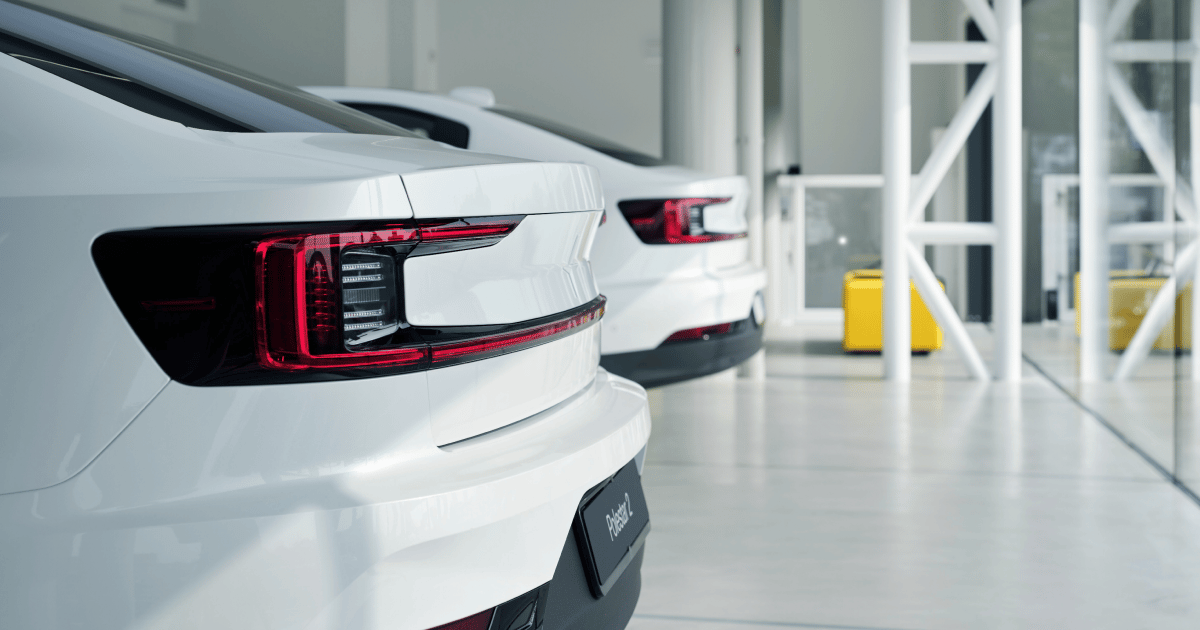
The Polestar 2 has managed something most premium electric cars never pull off on the used forecourt: it has become genuinely affordable to its tier without turning into a compromise. As I write in mid-2026, high-mileage cars are surfacing on Carwow from around £12,500, and a 402hp dual-motor Long Range example sits comfortably under £19,000 — a number that would have looked improbable when these left showrooms near £45,000. The slide has been building for a while: when PistonHeads ran the numbers in February 2024, the cheapest 402hp Long Range car in the UK classifieds was already just under £19,000, a 94,000-mile example admittedly, but a 402hp Scandinavian EV with a five-star safety record for the price of a mid-spec petrol crossover. Two years on, the floor has dropped further still. That is the story I want to unpick here, because a car falling this fast is either a gift or a warning, and with the Polestar 2 it is mostly the former.
Let me start with why the depreciation is so steep, because it matters to what you buy. Polestar sold hard on lease deals when these cars were new, which floods the market with three- and four-year-old cars all landing at once. That is bad news for the first owner and very good news for you. It is also why UK used values sit so far below the American ones, where a market that was never fed the same wall of ex-lease stock has held prices much higher. Same car, a five-figure gap, entirely down to how our market was supplied.
The 402hp car is the one Britain actually bought
Here is the detail that shapes any sensible search. Of the 67 UK cars PistonHeads counted in that survey, 47 were the 402hp dual-motor Long Range — so the powerful, all-wheel-drive version isn’t the rare unicorn you pay a premium to find. It is the default. The single-motor cars exist, and they’ll be cheaper to insure and marginally longer-legged, but the supply-and-demand reality is that the dual-motor car is plentiful, which keeps its price honest.
That changes the usual used-car instinct. Normally you’d expect to trade power for value; with the Polestar 2 you often don’t have to. A 402hp car that will out-accelerate a lot of hot hatchbacks, with a proper battery under it, is the volume choice rather than the aspirational one. If you’re the sort of buyer who has been eyeing the used electric shortlist I’d actually stand behind, this is the car that keeps sneaking to the top of it.
A 402hp Scandinavian EV with a five-star crash rating for the money most people spend on a used family petrol — that isn’t a bargain-bin story, it’s a depreciation curve doing you a favour.
Safety and the years that count
The reassurance underneath all this is that you’re not buying cheapness dressed up as value. The Polestar 2 took a five-star Euro NCAP rating in 2021, and that score carries across the 2020 to 2023 cars you’ll be shopping. So the early, most-depreciated examples — the ones where the money looks almost too good — are structurally the same well-protected car as the newer ones. You are not trading safety for the low price. That is a rarer thing on a used EV than it sounds, and it’s the single biggest reason I’d steer a family buyer here rather than towards an older EV with a weaker crash record.

Why the 2023 facelift is worth chasing
If your budget stretches, the car to hunt is a post-facelift 2023 example. Polestar dropped in an 82kWh battery that year, and it transformed the everyday case for the car: WLTP range on the dual-motor jumped to 368 miles, up from 303 on the earlier pack. That is not a rounding-error improvement. It is the difference between a car you plan long journeys around and one you simply get in and drive.
Real-world range never matches WLTP, and Auto Express is blunt about that in its used Polestar 2 review, but it rates the car’s real-world figures as genuinely usable rather than optimistic — which is the compliment that matters. My rule of thumb: buy the earliest car if it’s a town-and-commute machine, and pay up for the 82kWh 2023 car if you regularly do the kind of mileage where a coffee-stop charge turns into a lunch-stop one. The gap in usefulness is worth the gap in price.
Buy outright, or is the lease still the smarter play?
This is where I’d make you stop and do the maths, because Polestar has muddied it deliberately. Back in that February 2024 window, Polestar UK was advertising a four-year PCH deal on single-motor cars: £7,000 down, then 47 monthly payments of £581, with a 10,000-mile annual limit and a 14p charge for every mile over it. Add that up and you’re past £34,000 across the term for a single-motor car you hand back at the end — against under £19,000 to own a more powerful dual-motor car outright. Those lease figures were an advertised 2024 promotion, not a live offer, and any lease or finance quote you are given today will depend on your circumstances, mileage and status; treat the table below as an illustration of the gap, not a rate you’ll be handed.
| What you’re weighing | Buy used dual-motor | 4-year PCH (2024 advertised deal, single-motor) |
|---|---|---|
| Upfront | ~£19,000, and the car is yours | £7,000 deposit |
| Monthly | None once bought | 47 × £581 |
| Mileage terms | No limit | 10,000/yr, 14p per excess mile |
| Roughly over four years | Under £19,000 | Over £34,000 |
| Power | 402hp, all-wheel drive | Single-motor |
| At the end | You still own a car | You hand it back |
| What it buys you | The sharper spend on paper | Newest battery, full warranty, no degradation worry |
Put like that, buying used looks like the obvious win, and for a lot of people it is. But the lease buys you the newest battery, a full warranty, and none of the used-EV anxiety about degradation or a surprise repair bill. The honest answer is that it’s a risk-appetite question, not a pure cost one — the same tension I dug into when weighing up where to actually buy a used executive car. If a fixed monthly cost and zero downside risk is worth roughly £15,000 to you over four years, lease. If it isn’t — and for most buyers reading a used guide, it isn’t — the used dual-motor car is the sharper spend by a distance.
How low the floor has really gone
The reason I’m this bullish is that prices have kept sliding since that PistonHeads snapshot. That February 2024 survey already had the cheapest 402hp Long Range car under £19,000; two years on, the high-mileage examples I flagged at the top are sitting in the classifieds nearer £12,500 to £13,000, so the entry point has drifted down rather than bounced back. It is a five-figure number that would have looked improbable when these cars left showrooms near £45,000, and while ex-lease stock keeps landing there is little in the market to suggest it reverses soon.
The caveats are the ones you’d apply to any high-mileage EV: get a battery health check, treat a car with a fat service history as worth a real premium, and don’t let a rock-bottom price talk you into a neglected example just because the badge is desirable. A tired Polestar 2 is still a repair bill in a nice suit. But a well-kept dual-motor car bought on evidence rather than optimism is, right now, one of the most car-for-your-money decisions in the UK EV market — and it slots neatly against the pricier picks in my used executive saloon comparison without asking you to spend saloon money.
Where I land on it
I don’t reach for the word “recommend” lightly on a used EV, because too many of them are a gamble dressed up as a saving. The Polestar 2 isn’t one of those. The depreciation that hammered the first owners has handed second-hand buyers a fast, safe, properly built car at a price the rest of the world would find hard to believe — and unlike a lot of cheap EVs, nothing about it feels cut-price once you’re behind the wheel. Buy the 402hp dual-motor car, because Britain bought it in numbers and the price reflects that; stretch to the 82kWh 2023 facelift if your mileage justifies it; and walk past any example without a clean battery report, however tempting the ticket. Do that, and you’re not settling for a used EV — you’re getting the better end of somebody else’s expensive lease.
Buyer action
EV and salary-sacrifice checks
Use this as the final check before paying a deposit, signing finance paperwork or relying on a headline monthly figure.