
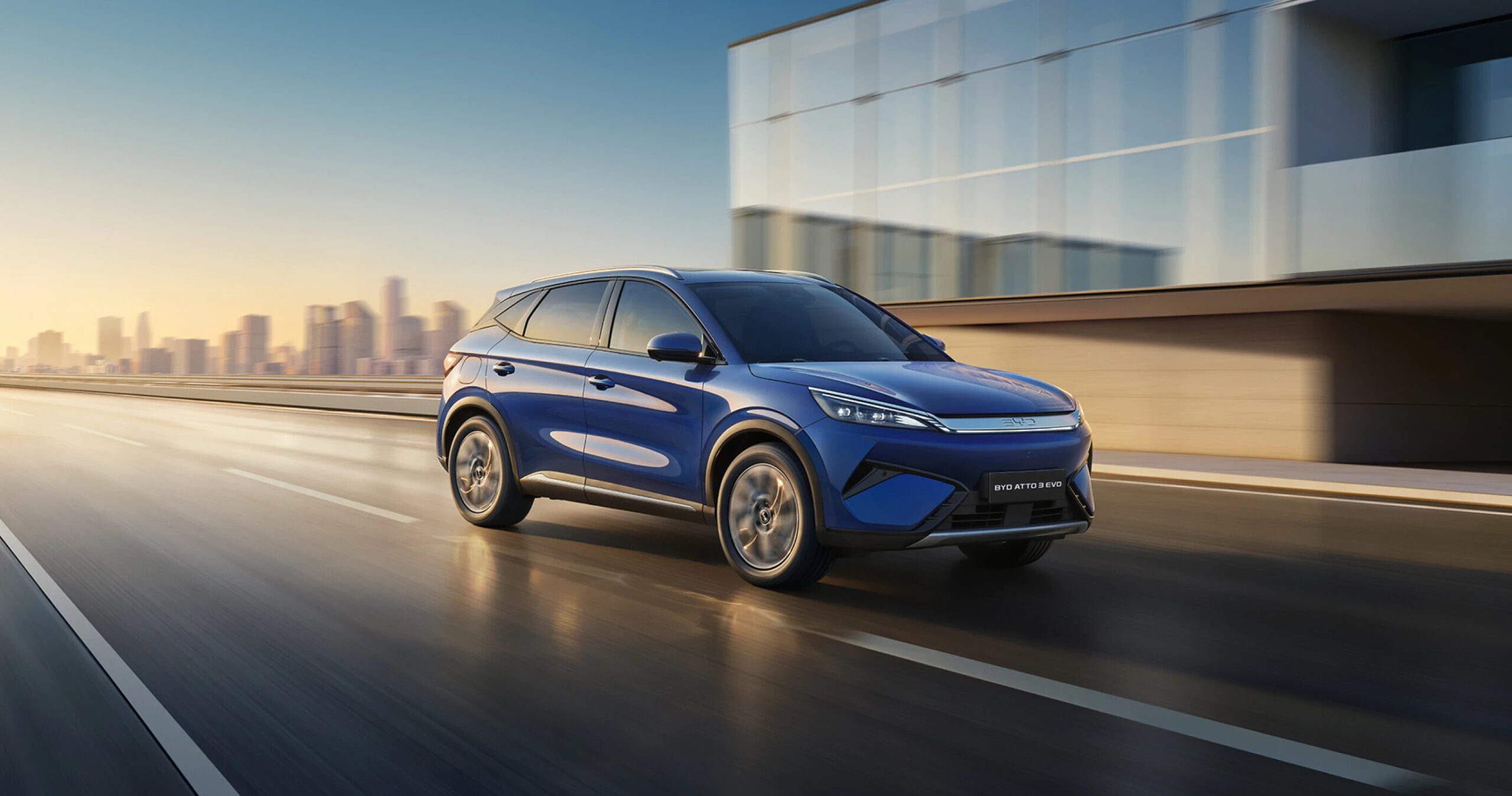
The BYD Atto 3 is the car that the question “do Chinese EVs hold their value?” was practically invented for, and in 2026 there is finally a clear answer. The arrival of the updated Atto 3 Evo this spring turned every pre-Evo Atto 3 into “the old model” overnight, the classic trigger for a used-value drop, and the listings show it: original cars now sit well below the new car’s price floor. So is a cheap one-year-old Atto 3 a genuine bargain for a savvy buyer, or a warning about how hard these cars fall? The honest answer is a bit of both, and in this guide I lay out the numbers so you can decide.
What the Evo did to used Atto 3 values (BYD Atto 3)
I have put BYD’s UK pricing for the new Atto 3 Evo next to used listings for the original car, and I am using market-wide electric-vehicle residual data only where it is clearly labelled as such, not as an Atto-3-specific figure.
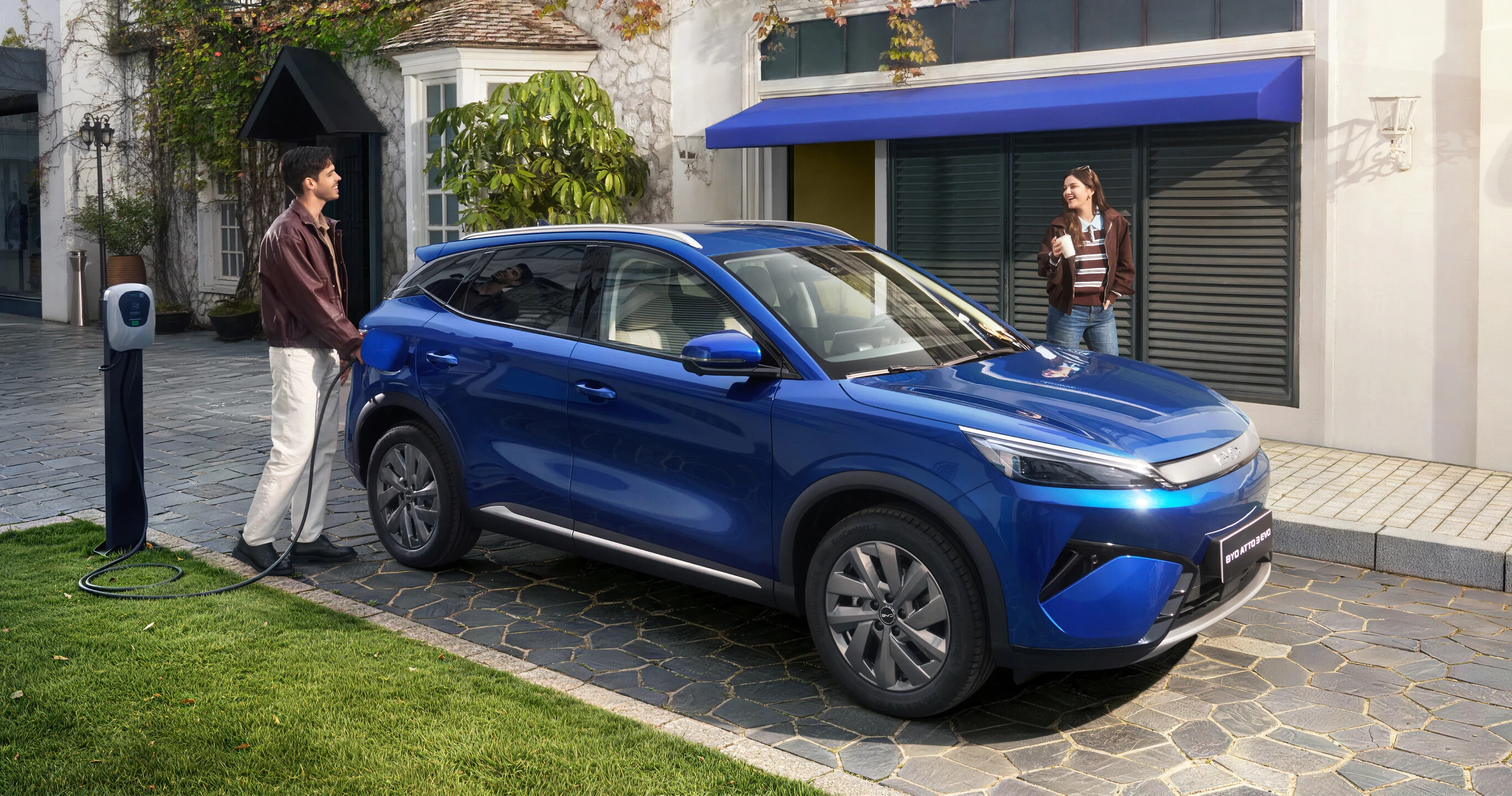
- The replacement: the original Atto 3 launched in the UK in 2023 and was replaced in 2026 by the Atto 3 Evo, with orders opening on 2 April 2026 from £38,990 for the Design and £42,730 for the Excellence.
- The used drop: used original Atto 3s have advertised from roughly £19,400 up to about £37,495, so the originals now sit well under the new Evo’s £38,990 floor.
- The market context: UK battery-electric cars retained around 35.5 per cent of list price after 36 months, per Autovista24, a market-wide figure rather than an Atto-3-specific residual.
BYD Atto 3: why the Evo launch hit the old one
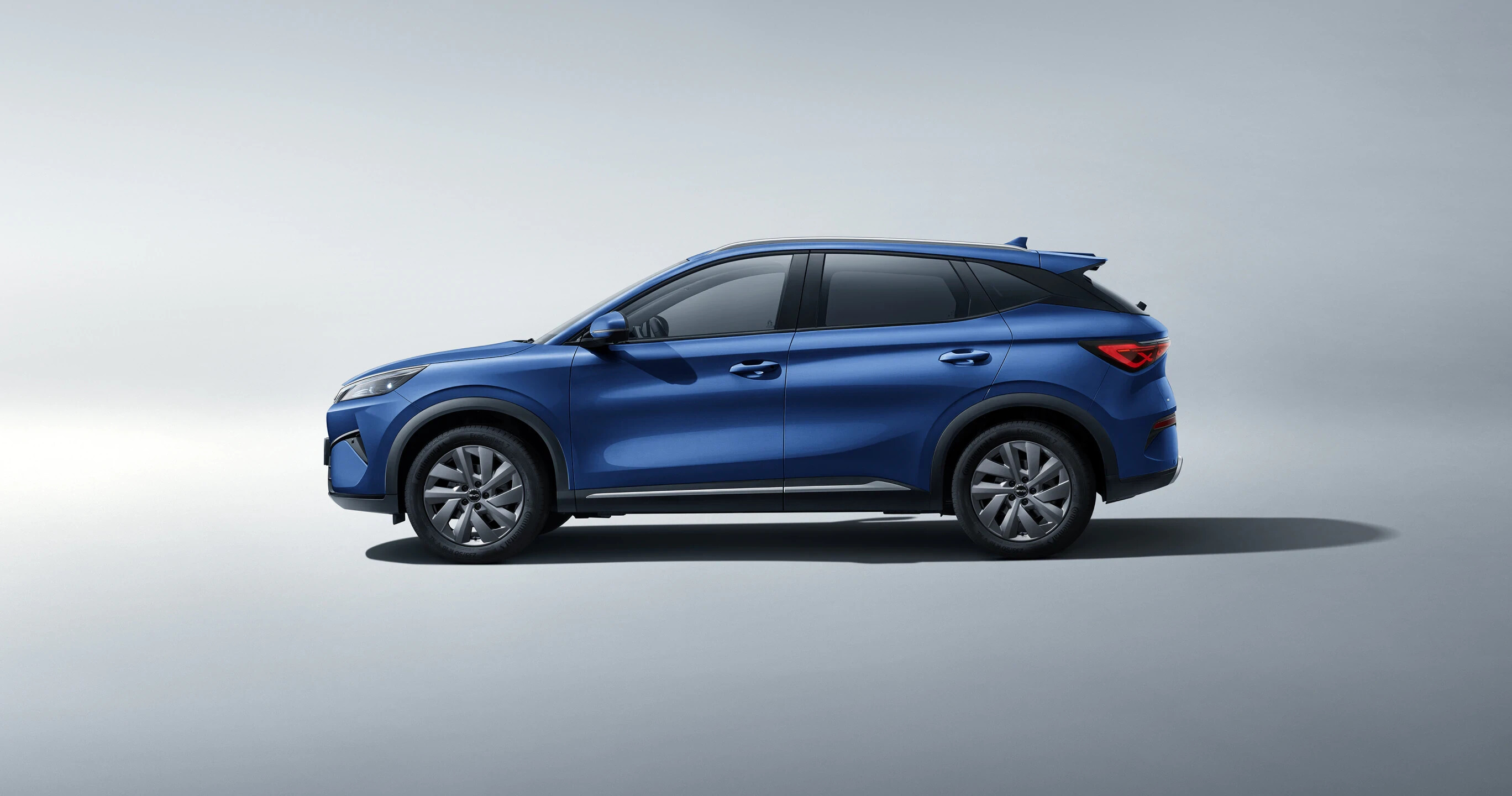
The mechanism is simple and it is not unique to BYD, though it lands harder here. When a manufacturer launches a visibly updated version of a car, the previous model instantly becomes “the old one” in buyers’ eyes, and its used value steps down to reflect that. The Atto 3 Evo arrived in spring 2026 with the improvements you would expect, and from the moment it went on sale every original Atto 3 on a forecourt was competing against a newer, better car at a known price. With the Evo starting at £38,990, a used original advertised from under £20,000 looks cheap, but that gap is exactly the point: it is the market repricing the old car against the new one. For a buyer this is not necessarily bad news, it is opportunity, but you have to understand that you are buying the superseded model and price it accordingly. My Atto 3 versus Hyundai Kona Electric comparison puts the car itself in context.
What a used original Atto 3 costs now
The numbers are where it gets interesting for a value-focused buyer. Used original Atto 3s have been advertised from roughly £19,400 at the cheaper, higher-mileage end up to around £37,495 for the freshest, lowest-mileage cars, against a new Evo that now starts at £38,990. So even the dearest used original undercuts the cheapest new Evo, and the cheapest used cars are less than half the new price. For a family wanting a practical, well-equipped electric SUV and willing to own the superseded model, that is a lot of car for the money. The caveat, and it is the recurring one with used EVs, is that those are asking prices rather than trade valuations, and a car advertised at £19,400 may be higher-mileage or in less perfect condition than one at the top of the range. Treat the spread as the shape of the market, pull live listings for the exact specification and mileage you want, and remember that the very cheapest cars are cheap for a reason worth investigating.
Is the depreciation a bargain or a warning?
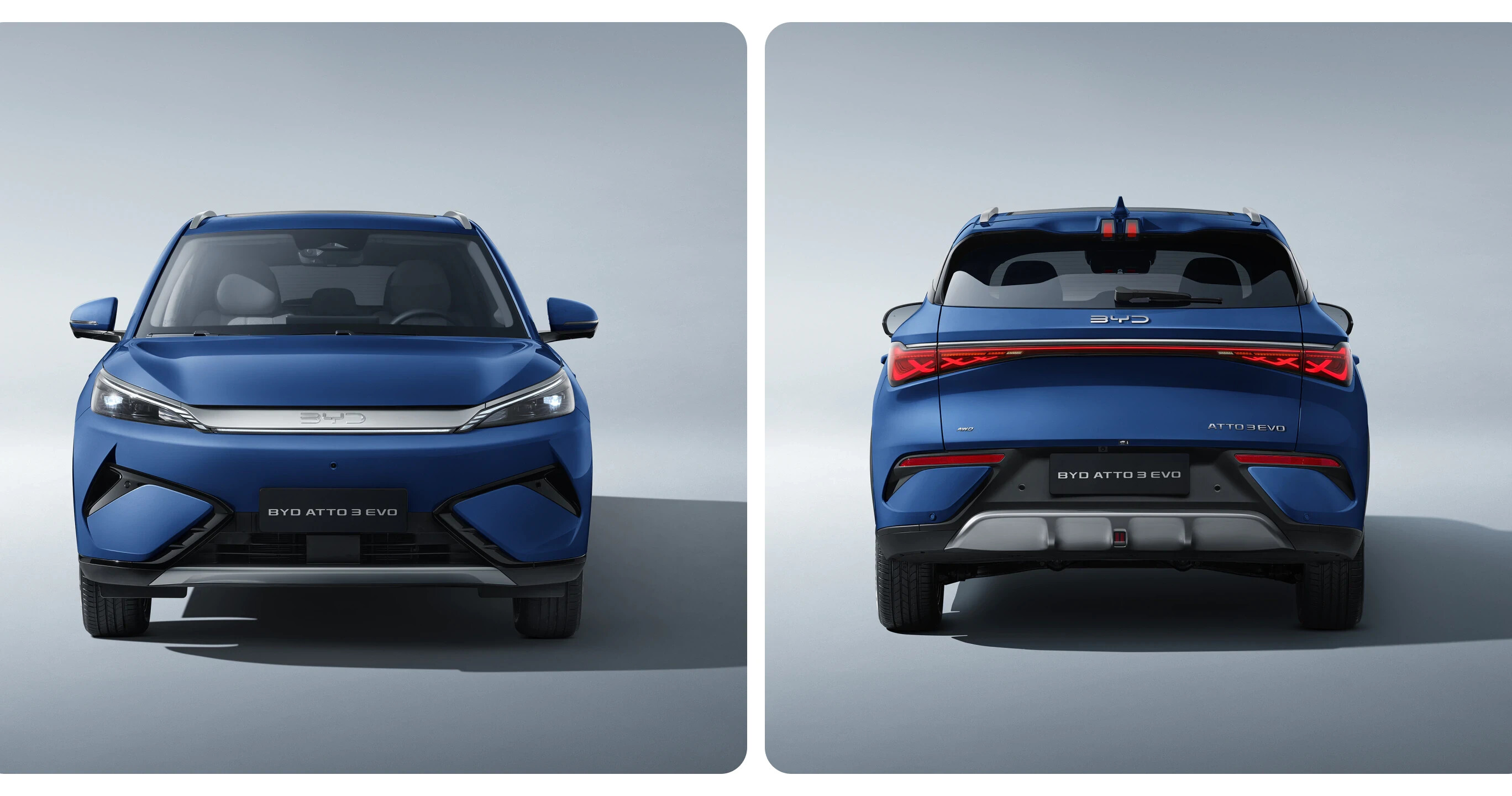
Here is the honest answer, and it is not the comfortable one for anyone who bought an Atto 3 new. The original has clearly taken a heavy hit: market-wide, UK battery-electric cars retained only around 35.5 per cent of their list price after three years, per Autovista24, and the Atto 3, as a non-premium Chinese EV in a fast-moving segment now superseded by its own replacement, looks to be at or below that kind of trajectory rather than beating it. If you bought new, that is a painful lesson; if you are buying used, it is the entire opportunity. The depreciation that hurt the first owner is precisely what makes a used Atto 3 cheap for you, and provided the car is sound and you keep it for years rather than flipping it, the further fall from here should be gentler than the cliff the first owner already went over. So the answer is both: it is a warning about buying cars like this new, and a bargain if you buy one used with your eyes open. My guide on which EVs hold value and which crater sets the wider pattern.
The Chinese-EV resale question, honestly
It is worth addressing the worry behind every search for this car directly. Do Chinese EVs depreciate harder than established brands? On the current evidence the honest answer is that newer entrants without a long resale track record, and with rapid model churn, do tend to give up value faster in the early years, and the Atto 3’s story fits that. But two things temper the gloom. First, the whole EV market took a residual hit over the past couple of years, not just the Chinese brands, and the market has begun to stabilise in 2026. Second, BYD is now a serious, growing presence in the UK rather than a here-today brand, which supports parts, servicing and confidence in a way a fly-by-night importer would not. So the resale weakness is real and you should price it in, but it is a reason to buy used rather than new, not a reason to avoid the car altogether. If you are weighing the brand, my pieces on the BYD Dolphin and the BYD Seal against the Tesla Model 3 widen the picture.
What to check on a used Atto 3
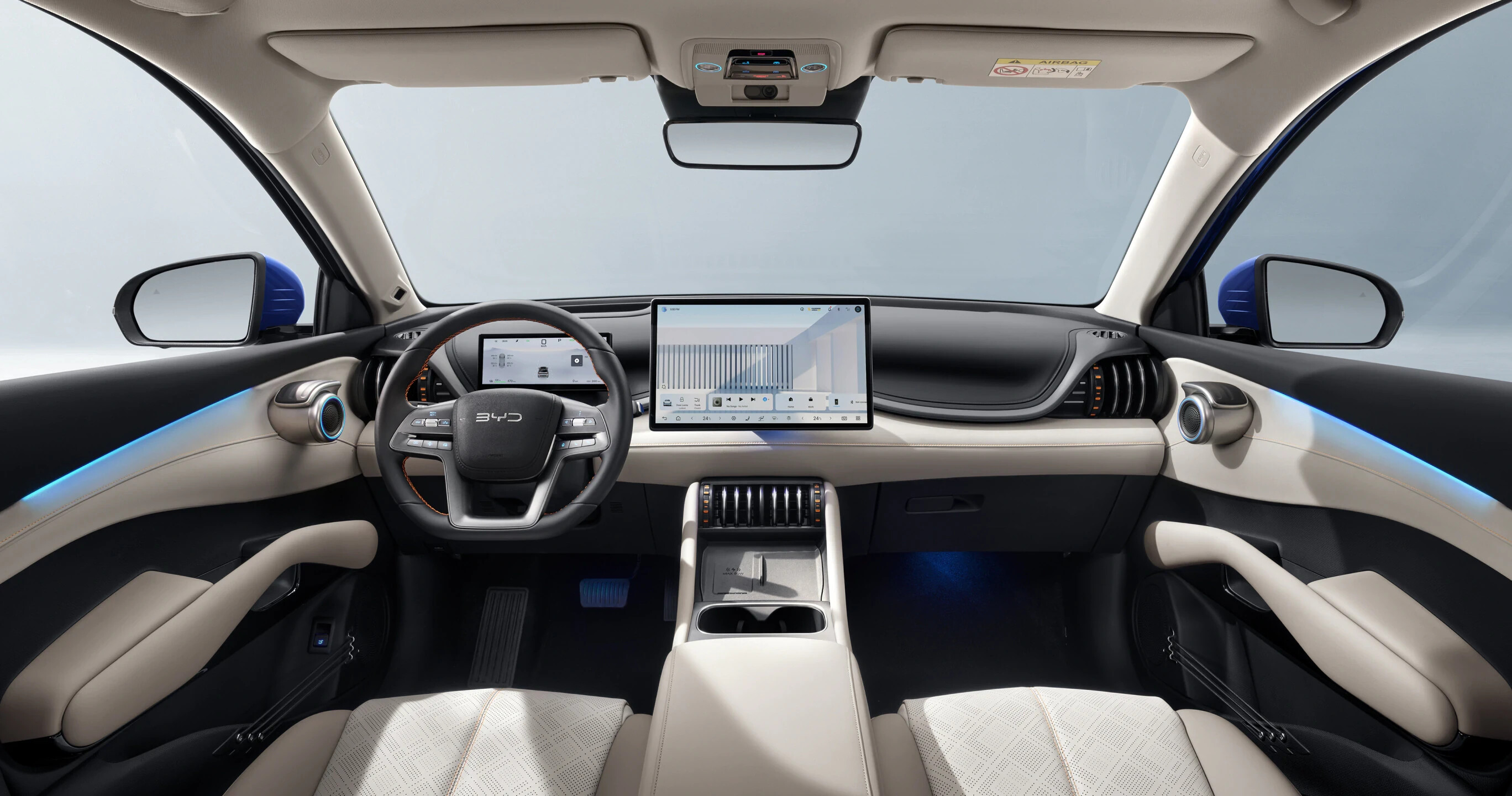
Buy on the EV checklist and a couple of brand-specific points. Ask for a battery state-of-health readout; BYD’s Blade battery has a good reputation for stability, but you still want to see the number for the mileage. Confirm the charging history, that the cables are present and that the car charges properly on a test, and check the maximum charging speed matches the specification, since charging performance is one area the Evo improved over the original. Go through the infotainment, including the rotating touchscreen, and the driver-assistance systems, as software is where owners most often grumble. Then the usual used checks: tyres, alloys, panel condition and a full service history. Because BYD’s UK dealer network is younger than the established brands’, confirm where you would have the car serviced and that warranty support is straightforward in your area. None of this is a dealbreaker, it is due diligence, and on a car this cheap relative to new, a sound example is a genuinely strong buy.
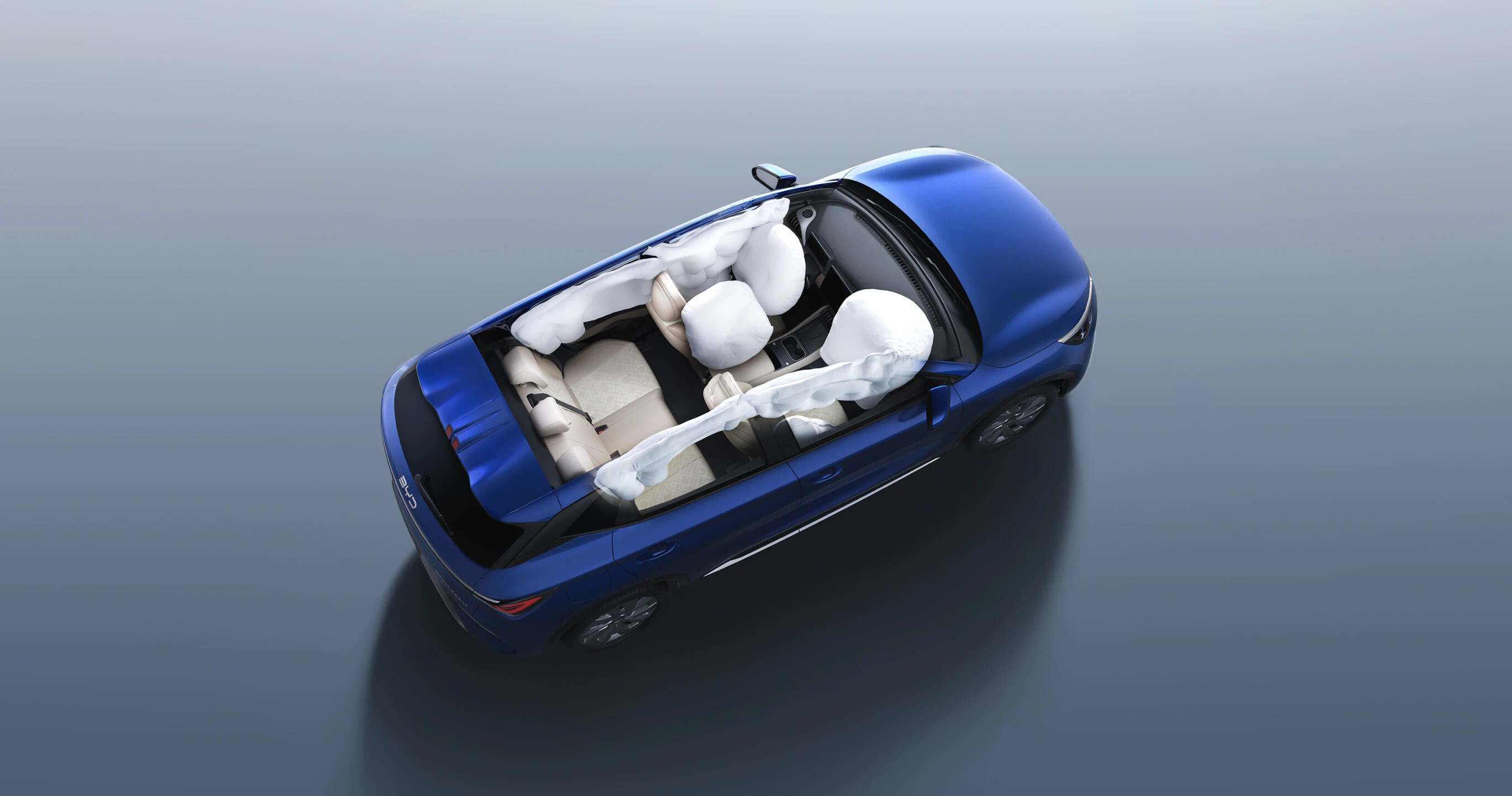
One point in the Atto 3’s favour on the safety and battery front is the Blade battery design, which has a strong reputation for thermal stability and is part of why these cars have held up well in crash and safety testing. It is not a reason to skip the state-of-health check, but it is reassurance that the most expensive component is built to last, which matters when you are buying a used electric car at a heavily discounted price.
Where to buy and check next
Shop a used Atto 3 across BYD approved-used where available, Auto Trader and the major used platforms, and weigh an approved-used car with a warranty against a cheaper private sale. Pull current Auto Trader and Parkers valuations for the exact year, mileage and trim so you are anchored to real numbers rather than the wide headline spread, and on any car get a clear battery state-of-health answer before you commit. Get an independent history check on a private buy to confirm there is no outstanding finance or accident record, and view in daylight to inspect paint and panels. Confirm the battery warranty terms in writing, since on an EV that is the cover that matters most, and check your nearest BYD service point. If you can charge at home, model your real running costs on an overnight tariff, because that is where a cheap used Atto 3 turns its low purchase price into genuinely low motoring costs.
The used Atto 3 I would actually buy
The used BYD Atto 3 is a clear case of one buyer’s loss being another’s gain. My read is that it has depreciated hard, harder than an established brand and right in line with the wider weakness in Chinese-EV and used-EV residuals, so if you bought one new the lesson is an expensive one. But for a used buyer that very weakness is the opportunity: a practical, well-equipped electric SUV from under £20,000, against an £38,990 new Evo, is a lot of car for the money if it checks out. I would buy a sound, low-to-medium-mileage original with a verified battery, keep it for years rather than flipping it so the early depreciation works for you rather than against you, and I would not worry unduly about BYD’s longevity now that it is an established UK presence. The buyer I would caution is anyone without home charging or anyone planning to sell again quickly, who will feel the resale weakness. Everyone else with a driveway should treat the Atto 3’s depreciation as a discount, not a deterrent.
My score: 7.5/10
Does the BYD Atto 3 hold its value?
How much is a used BYD Atto 3?
Is a used BYD Atto 3 a good buy?
What is the difference between the Atto 3 and the Atto 3 Evo?
Do Chinese electric cars depreciate faster?
Editorial standards
More on EV Depreciation
Buying Guides
Vauxhall Mokka Electric used: beat the year-one drop
Buying Guides
Nissan Ariya used: the depreciation bargain

Buying Guides
Used Porsche Taycan: The £40k CPO Bargain of 2026
Buying Guides