
The Skoda Superb Estate is the car the sensible part of your brain keeps pointing at, and a one-year-old example is where it makes the most financial sense of all. You get one of the most spacious, comfortable and cheap-to-run long-distance cars on sale, minus the heavy first-year depreciation the original owner swallowed. This is the value case in plain pounds: how far the price falls in twelve months, which version to target, and what Skoda’s approved-used programme actually adds over a private buy.
What a year of depreciation does to the price
CDE compared current Skoda UK pricing with UK used listings on 13 June 2026. The numbers make the one-year-old case on their own.
- New: the Superb Estate lists from around £38,135 up to £51,390, with the iV plug-in hybrid estate from about £41,465.
- Used: examples start from roughly £24,249, with recent low-mileage cars sitting well below new RRP.
- Warranty: new cars get three years (two unlimited-mileage plus a third capped at 60,000 miles); Skoda Plus approved used adds a minimum 12 months’ cover.
Why a one-year-old Skoda Superb Estate is the sensible buy
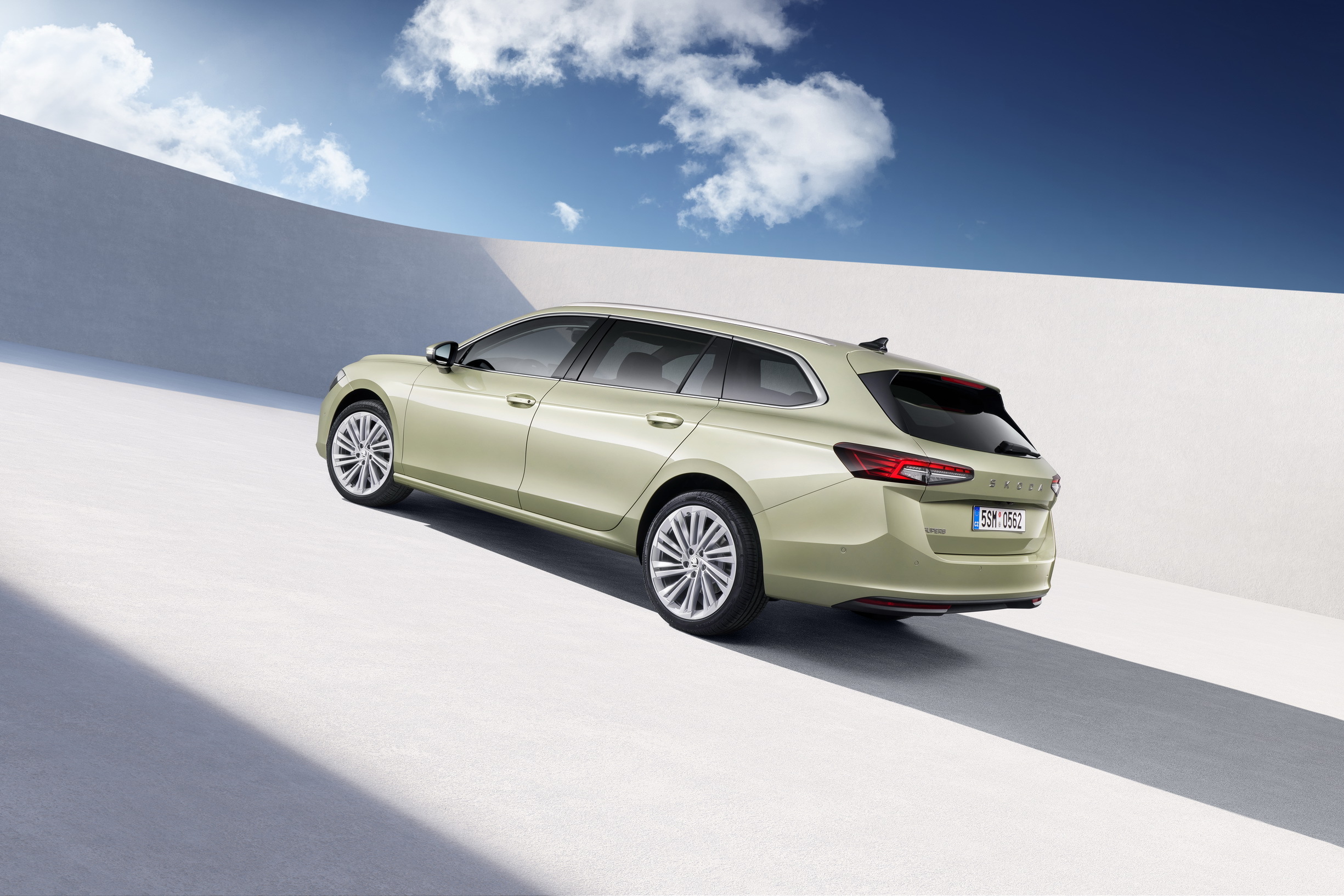
The Superb Estate’s whole appeal is rational: a cavernous boot, limousine rear space, genuine 600-mile diesel range and running costs that shame cars costing far more. Buy it a year old and you keep all of that while letting someone else absorb the steepest drop in value, which on a £40,000-plus car is real money. A twelve-month-old example with low mileage is mechanically as-new, still well inside its warranty, and thousands of pounds cheaper than the showroom car parked next to it. For a long-distance family or business driver, that is close to the definition of a smart purchase.
It is the same logic that makes a used Volvo V60 or Volvo V90 estate so appealing, but the Superb undercuts both on price while matching them on space. If your head is torn between estate and SUV, our used Audi Q7 guide shows how much more an equivalent SUV costs to run.
The price gap: new versus a year old
Run the figures and the gap is the whole argument. A new Superb Estate lists from around £38,135, climbing past £51,000 for a loaded high-spec or plug-in hybrid car, while used examples start from roughly £24,249 and recent low-mileage cars sit comfortably below the new RRP. The exact saving depends on trim and mileage, but a one-year-old Superb Estate routinely costs several thousand pounds less than its new equivalent for a car that drives identically. That first-year drop is money the original buyer lost and you do not have to.
The catch, if you can call it one, is that strong used demand for the Superb keeps prices firm, so do not expect to steal one; expect to pay a fair price for a car that holds its value reasonably well thereafter. That stability is itself a point in its favour, and it mirrors the residual strength we flag on the used Kia Sportage and Toyota Yaris Cross.
Which trim and engine to target
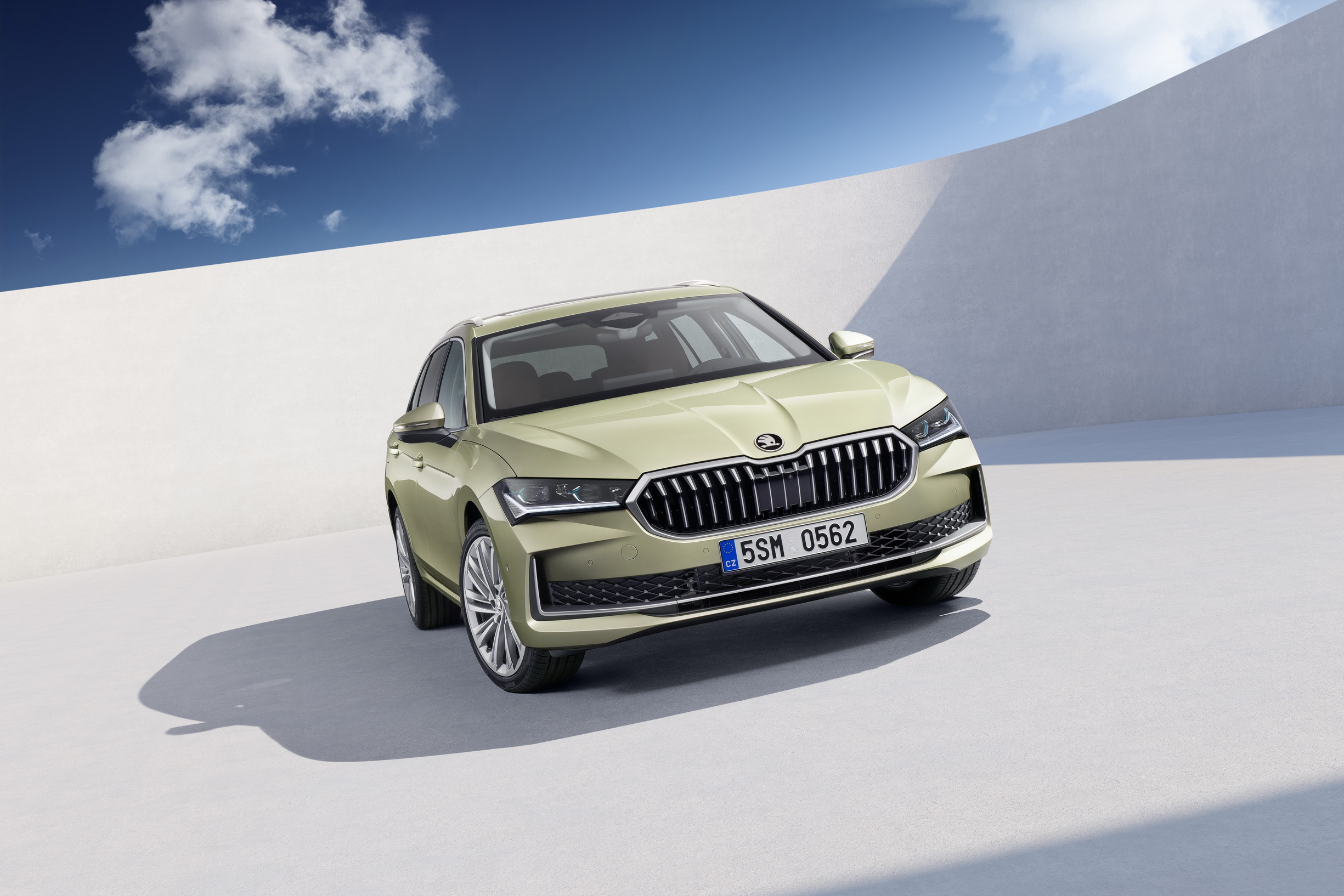
For high-mileage drivers the 2.0 TDI diesel remains the Superb’s natural fit: it is the long-range cruiser the car was built to be, returning strong real-world economy on a motorway run. The 1.5 TSI petrol with mild-hybrid assistance suits lower-mileage buyers who want a cheaper purchase and quieter town manners. The iV plug-in hybrid estate makes sense mainly for company-car drivers chasing low tax or those with a short, chargeable commute; if you cannot plug it in regularly, the diesel is the smarter pick. On trim, the mid-range SE L and SportLine cars carry the equipment most people actually want, including the better seats and screens, without the top-spec premium.
Cross-check the specific year’s reliability and recall record on an independent source such as Honest John before committing, and feel for any DSG gearbox hesitation on the test drive, the one area worth probing on these VW Group automatics.

What Skoda Plus approved used adds
Buying through Skoda Plus rather than privately buys you a minimum 12 months’ warranty and 12 months’ roadside assistance as standard, on top of a multi-point inspection. On a one-year-old car the balance of the original three-year manufacturer warranty may also still be running, which can stack with or sit behind the approved-used cover, so ask the dealer to spell out exactly what applies and for how long rather than assuming. The premium over a private sale buys the inspection, the warranty and the comeback if something goes wrong, which on a complex modern estate is worth having.
Running costs and why the Skoda Superb Estate adds up
This is where the Superb quietly wins. The diesel’s real-world economy on a long run is genuinely excellent, servicing is mainstream-Skoda money rather than premium-badge money, insurance groups are sensible for the size of car, and parts are cheap and plentiful thanks to the shared VW Group underpinnings. Compared with a similarly sized premium estate or SUV, the Superb costs noticeably less to keep on the road year after year, which is the saving that compounds long after the purchase-price gap is forgotten. For a buyer who covers serious miles, that running-cost advantage can outweigh almost everything else.
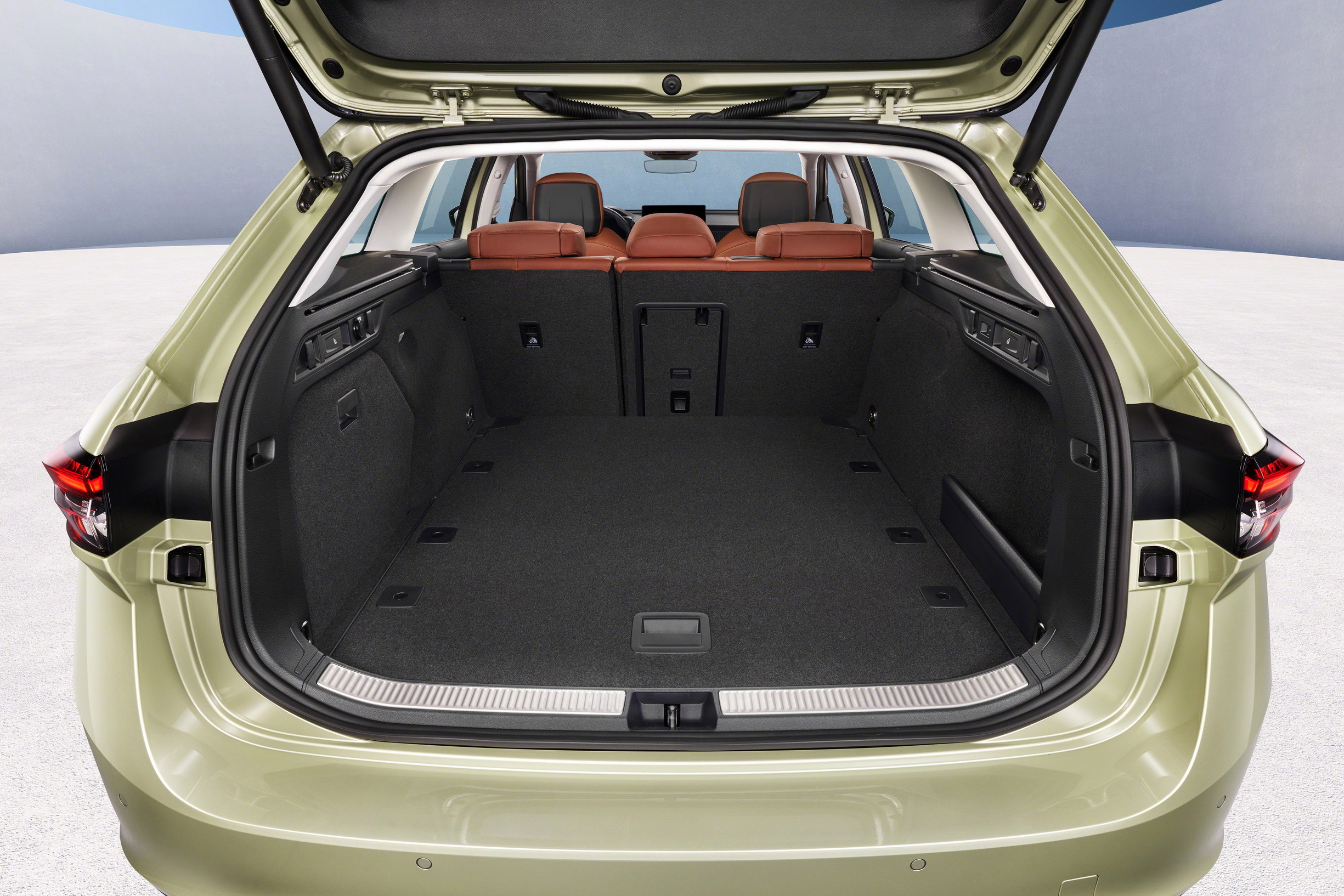
The practicality deserves a paragraph of its own, because it is the other half of the value story. The Superb Estate offers one of the largest load bays in its class, easily swallowing a family’s holiday luggage, a large dog crate or the kind of flat-pack run that defeats most rivals, and the rear seat space is closer to a limousine than a family estate. That usability is exactly why it holds value: it does a genuine do-everything job that buyers keep coming back to. Pair that with the running costs above and you have a car that is cheap to buy used, cheap to keep, and big enough that you rarely wish you had bought something larger.

What Car?’s review below is a good sense-check on the current Superb’s space and value before you start shortlisting one-year-old cars.
Where to check before you buy
- Compare one-year-old prices against the current new RRP for the same trim to see the real saving.
- Match the engine to your mileage: diesel for long-distance, 1.5 TSI for town, iV only if you can charge.
- If buying Skoda Plus, get the warranty term and any remaining manufacturer cover confirmed in writing.
- Test the DSG automatic for low-speed hesitation and check full service history.
- Run the free gov.uk MOT history and a recall check on the registration.
- Factor servicing and tyre costs; they are low for the class but not zero.
Our take
The one-year-old Skoda Superb Estate is about as close to a no-brainer as the used market offers for a long-distance family or business driver. You get a vast, comfortable, genuinely cheap-to-run estate for several thousand pounds less than new, with warranty still in place and residuals that hold up well afterwards. We would target a low-mileage 2.0 TDI in SE L or SportLine trim, buy it through Skoda Plus for the warranty and inspection unless a private car is dramatically cheaper, and check the DSG and the service history on the day. The only buyers it does not suit are those who genuinely need an SUV’s height or want a premium badge; everyone else is paying more elsewhere for less car. Our score: 8.5/10 as a used buy.
How much does a used Skoda Superb Estate cost?
Which Superb Estate engine should I buy?
What does Skoda Plus approved used include?
Is the Skoda Superb Estate cheap to run?
What should I check on a used Superb Estate?
How we researched this guide
Every pick here is shortlisted from hands-on testing and time spent living with the hardware by the CDE desk, then sanity-checked against current UK pricing, manufacturer specs and real-world performance before it makes the cut. We never rank for commission — affiliate links don't change the order.
Editorial standards
More on Approved Used

Buying Guides
Mercedes A-Class: the smart 3-year approved-used buy


Buying Guides
Range Rover Evoque Approved Used: 2026 Buyer’s Guide



Buying Guides