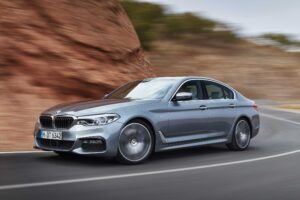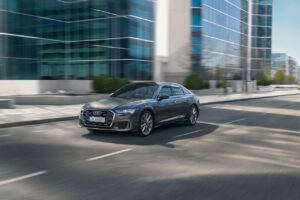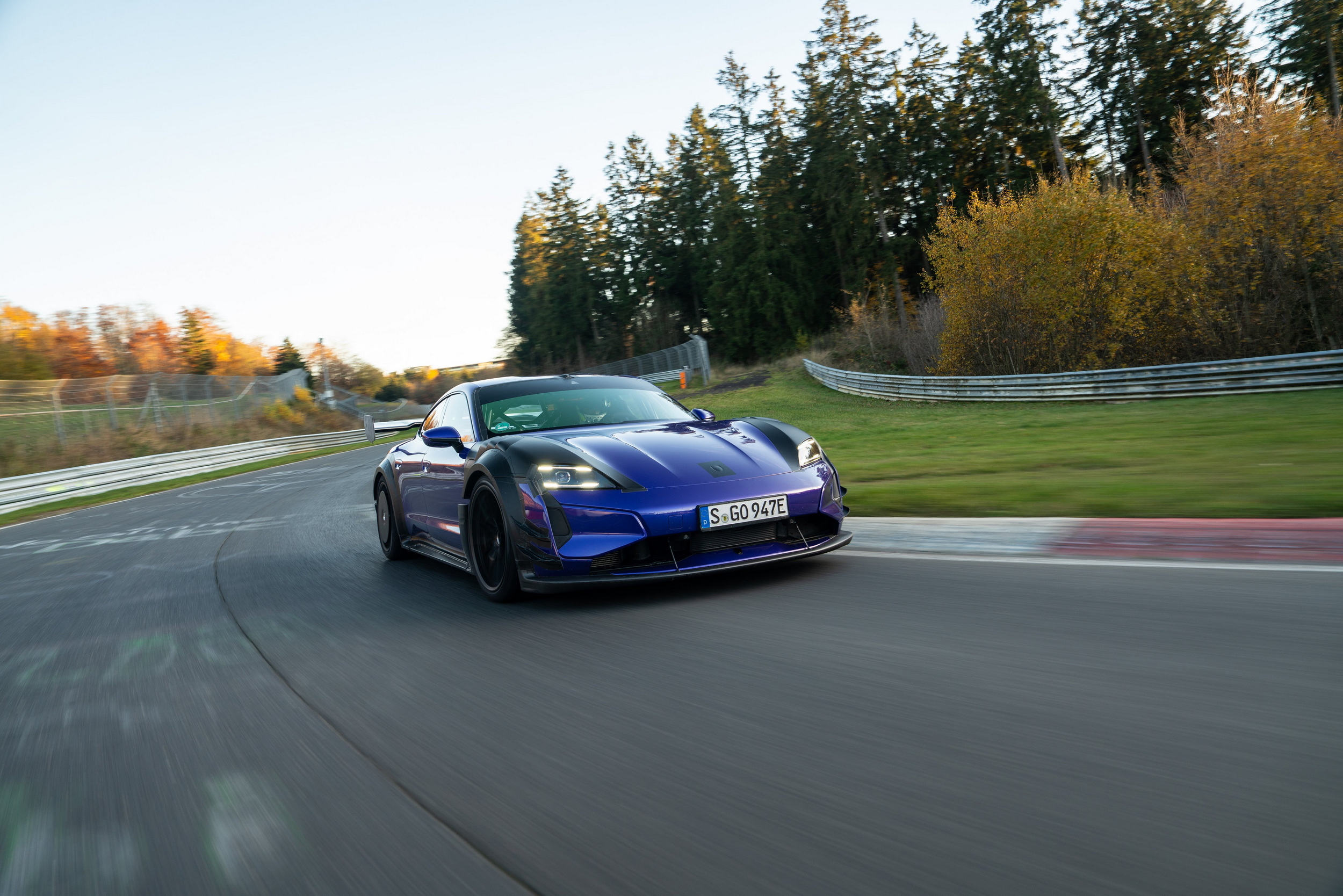
Premium EV depreciation has been the defining risk in this market since 2023, and the picture in 2026 is finally less brutal: after two years of heavy falls, used electric values are steadying, which changes who should buy new and who should let a first owner absorb the early hit. Our view is simple. The smart money on a Porsche Taycan, BMW iX, Polestar or Tesla is now the two-to-three-year-old car, bought against a transferable battery warranty, not the showroom example losing the most in year one.
This is general information, not personal financial, tax or legal advice; figures depend on your circumstances and the rates current when you read this. CDE has not independently driven or inspected every individual vehicle referenced. Always confirm current rates with the cited gov.uk, HMRC or FCA source before you commit.
What real owners say (CDE data)
A live used-market snapshot for two of the cars in this guide, taken today to show where entry prices currently sit.
- Porsche Taycan (used, Auto Trader): 776 in stock, from £29,970.
- Polestar 2 (used, cinch): 48 in stock, from £14,249 including the £99 admin fee.
Prices checked 20 July 2026.
- Most-praised aspects: strong two-to-three-year-old value once the first-owner drop is absorbed; transferable 8-year battery warranties; performance and refinement that hold up against newer rivals.
- Most-criticised aspects: brutal year-one losses on heavily optioned cars; nervousness about out-of-warranty battery or drive-unit repair bills; Tesla price moves unsettling used values.
- Reliability and value signal: Carwow analysis (Siobhan Doyle, 30 September 2025) put premium EVs such as the Porsche Taycan at roughly 55 to 77 percent retained after three years against about 39 percent for the average EV; Auto Trader reports three-to-five-year-old used EVs were the fastest-selling segment at 25 days to sell in April 2026.
Why used electric values stopped falling off a cliff
The crash is over, even if the headlines have not caught up. The Auto Trader Retail Price Index for April 2026 shows the average used EV across all segments at £23,555, up 3 percent month-on-month and flat year-on-year, with cars selling in 28 days against 31 a year earlier. That whole-market average is dominated by mainstream hatchbacks, not the £40,000-plus cars in this guide, so treat it as context rather than a premium price. The on-topic signal is the speed of sale: three-to-five-year-old EVs were the quickest-selling segment at 25 days. Marc Palmer, Auto Trader’s Head of Strategy and Insights, noted that “different parts of the market are moving at pace, with demand evolving in different ways across segments.” Tightening supply of cars built during the Covid-era production dip is now pushing residuals the other way.
The first-owner hit is where the real money goes
The pattern that matters for buyers is front-loaded loss. Carwow’s value-retention work (Siobhan Doyle, 30 September 2025) found the average EV keeps only around 39 percent of its value after three years, against 52 to 56 percent for petrol, diesel and hybrid cars. Premium electric performers do markedly better, retaining roughly 55 to 77 percent over three years, but the steepest part of that curve still lands in the first twelve to eighteen months. A heavily specified Taycan or iX can shed five figures before its first MOT is even due. That is painful for the original buyer and a gift for the second. Our view is that the used premium EV is one of the better-value propositions in the 2026 market precisely because someone else has already paid for the worst of the depreciation.
| Segment | Value retained after 3 years / ~36,000 miles |
|---|---|
| Average EV (all segments) | around 39% |
| Petrol, diesel and hybrid (for comparison) | 52% to 56% |
| Premium EVs (Porsche Taycan and similar) | 55% to 77% |
Porsche Taycan: heavy early loss, then it settles
The Taycan is the clearest example of buy-used logic. It depreciates faster than a petrol 911, yet holds value better than most rival EVs, and Carwow’s data places it among the premium cars retaining 55 to 77 percent after three years. The 2026 model-year update stretched rear-drive range to as much as 700 km WLTP with the Performance Battery Plus and added optional E-Shift virtual gears, a reminder that the newest cars keep improving and that the value lands with the second owner rather than the first. The reassurance underneath that number is the warranty: Porsche covers the high-voltage battery for 8 years or 100,000 miles and guarantees at least 70 percent usable capacity over that term. Our view is that a two-to-three-year-old Taycan, ideally a Cross Turismo or a sensibly specified rear-drive car rather than a maxed-out Turbo, is one of the strongest value buys in this class. We would pay more for full Porsche service history and less for big wheels and showy options, because those add-ons are exactly what tanks hardest, and our used Porsche Taycan guide sets out the battery, brake and warranty checks in detail. The buyer who orders new and sells at three years takes the bruise; you do not have to.
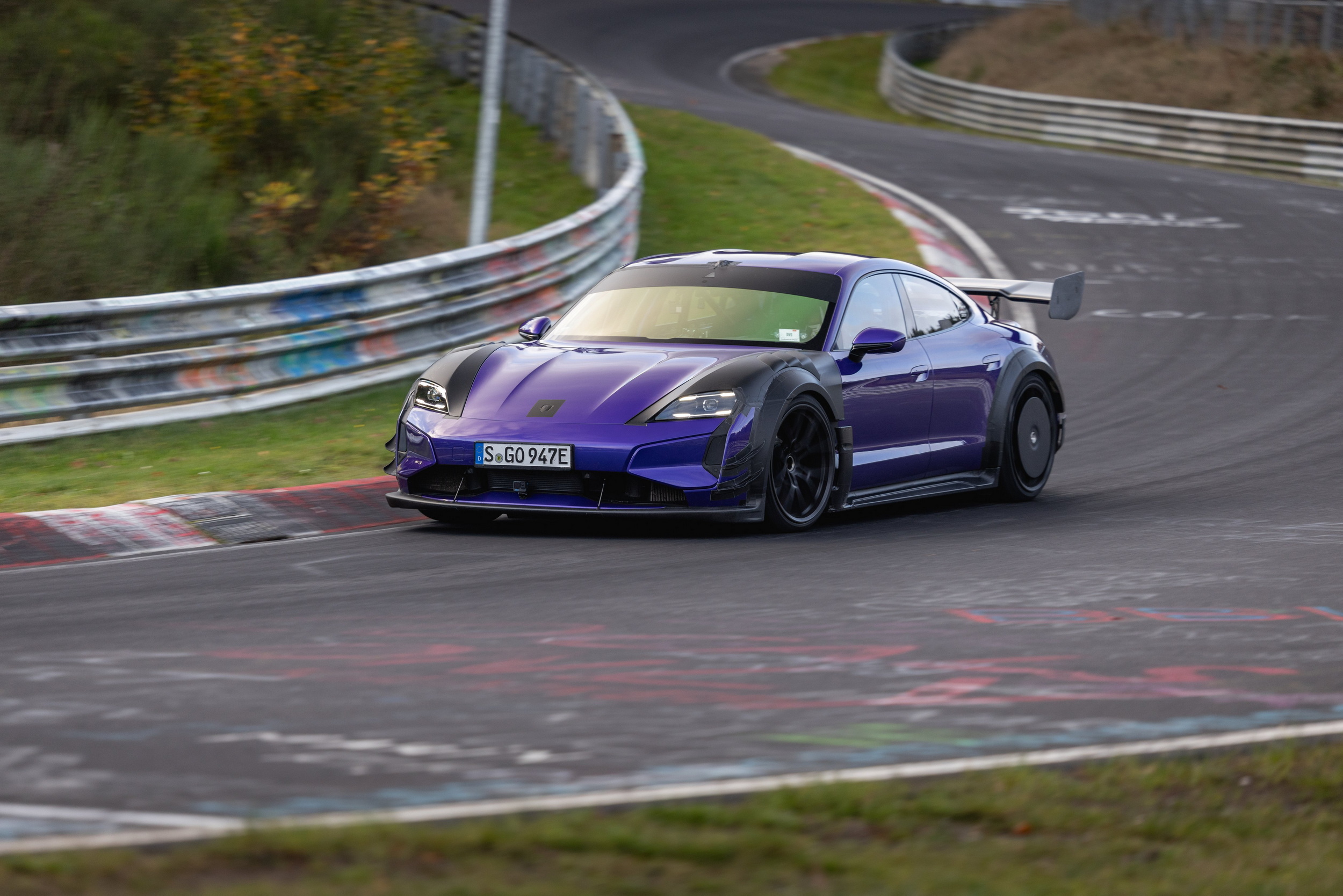
BMW iX and the executive crossover crowd
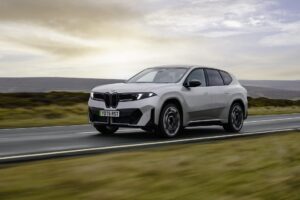
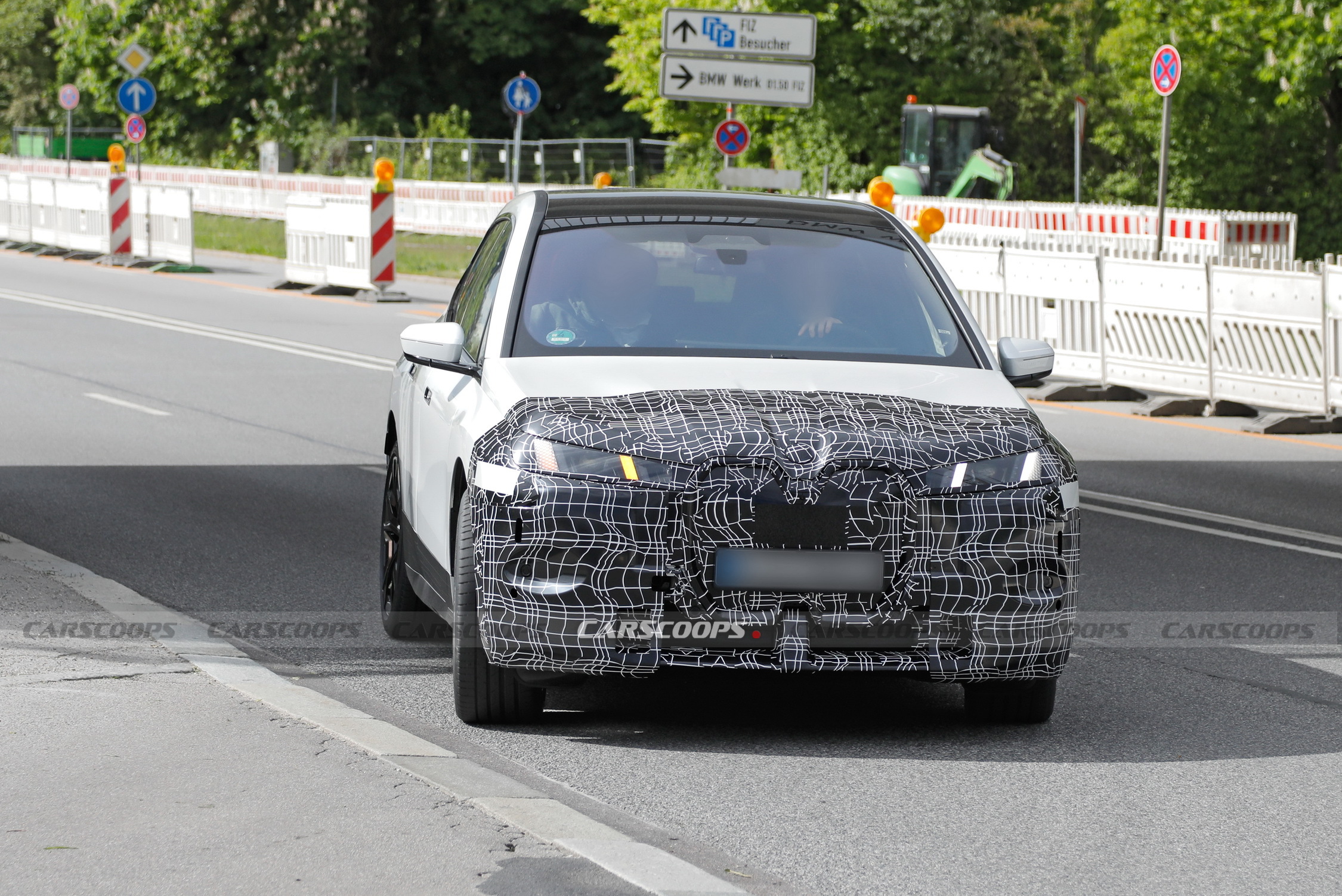
The iX sits in the most contested part of the premium electric SUV market, which is good news if you are buying used. Large electric crossovers from BMW, Mercedes and Audi were registered in volume on company schemes from 2022, so three-year-old examples are now arriving in numbers, and plentiful supply softens used prices. The counterweight is the same 8-year, 100,000-mile, 70 percent capacity guarantee BMW applies to the high-voltage battery, transferable to you as the next owner. Our view on the iX is to let the lease and salary-sacrifice fleets absorb the first-owner loss, then buy the three-year car with documented battery health. If you are weighing the new-car route instead, the maths in our BMW iX salary sacrifice net-cost breakdown shows why so many of these cars reach the used market through payroll schemes in the first place.
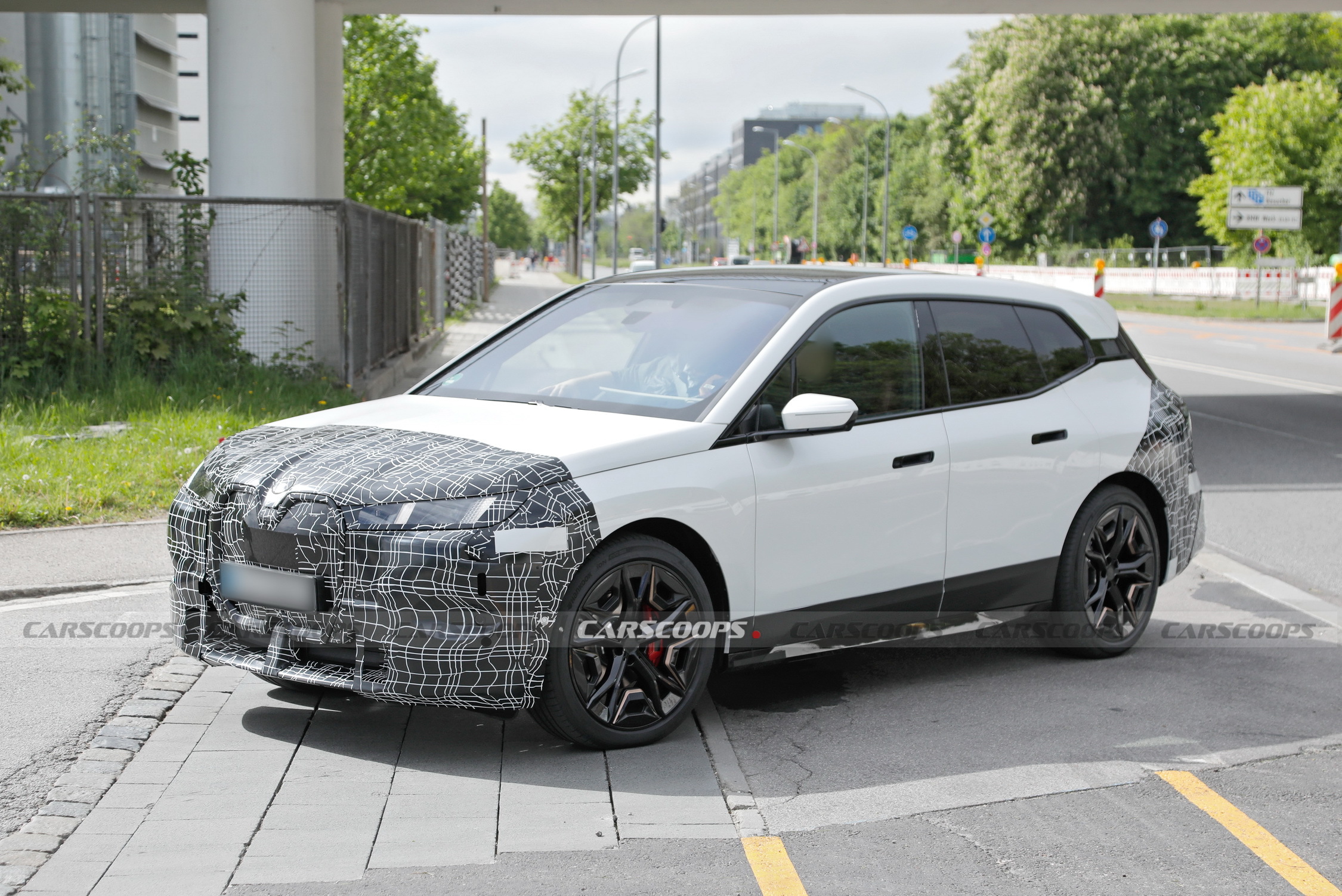
Tesla: price cuts that drag used values
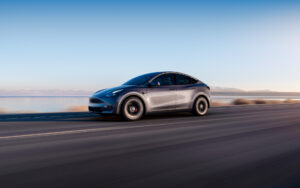
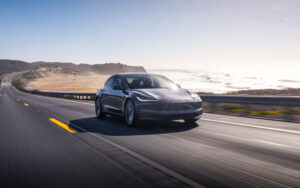
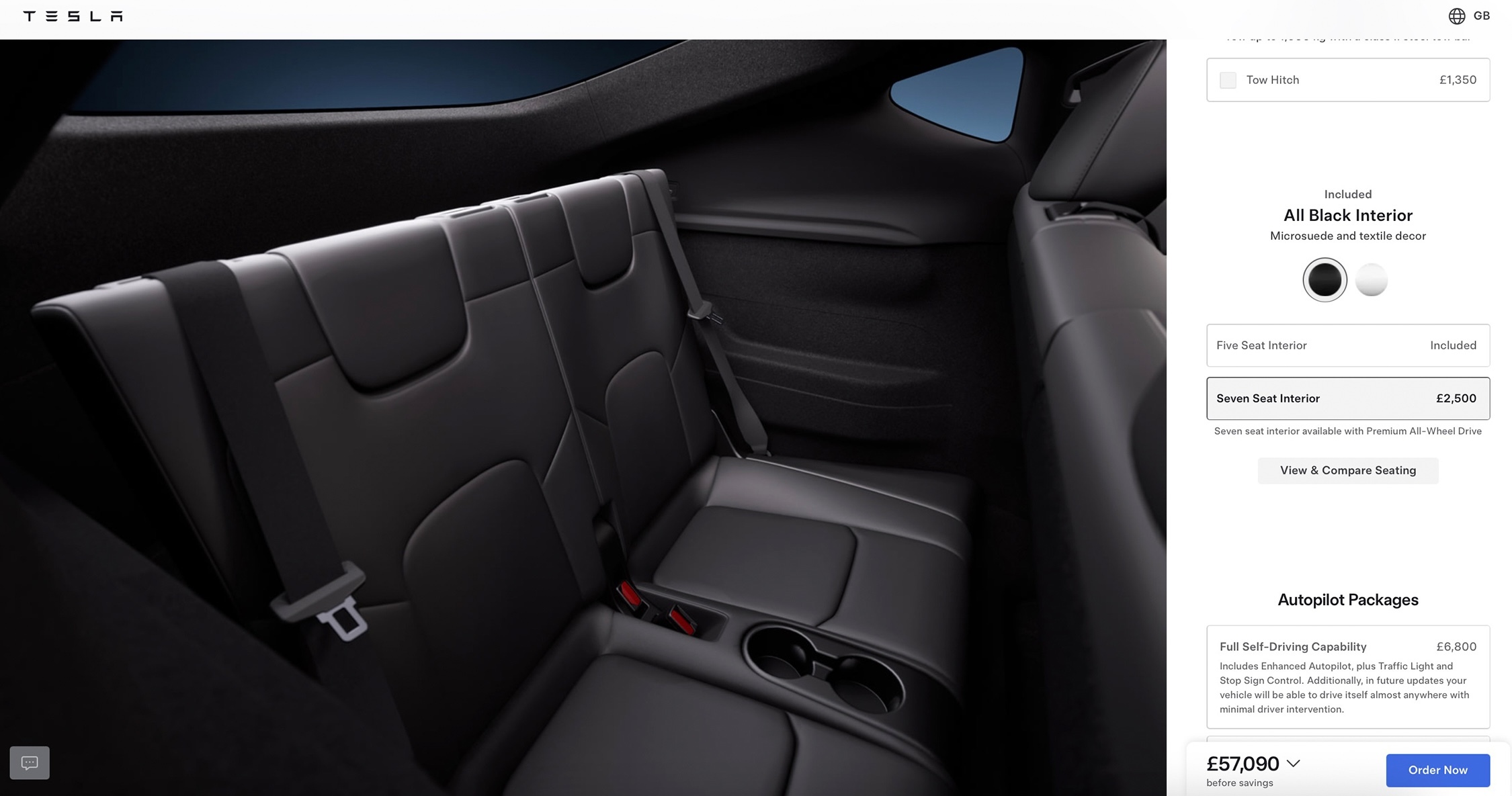
Tesla is the awkward case. The problem is not the cars, which retain capacity well, but the pricing: when Tesla cuts the price of a new Model Y or Model 3, every used example loses ground overnight because buyers anchor to the new sticker. That mechanic has dragged used Tesla residuals harder than the rest of this group over the past two years, and it is a risk you carry as a Tesla owner that you largely avoid with a fixed-allocation Porsche. It played out again in early 2026, when Tesla launched a new entry Model 3 Standard from £37,990, roughly £2,000 below the previous base car, which drags higher-trim used examples down with it. The safety net is a strong battery warranty: Tesla covers the Model Y and Model 3 battery for 8 years and 100,000 to 120,000 miles depending on trim, with a 70 percent retention guarantee per Tesla’s UK warranty terms. Our view is to buy a used Tesla only on a sharp price after a recent cut, never just before one, and to track the new-car price before you commit. Our used Tesla Model 3 buyer’s guide walks through the year-by-year checks.
Polestar and the residual middle ground
Polestar sits between the value extremes. The Polestar 2 and 4 lack the badge gravity of a Porsche, so they shed value steadily, but they avoid the Tesla price-cut whiplash and undercut German rivals on used forecourts, which makes them quietly sensible used buys. The same protection applies: Polestar warrants the battery for 8 years or 100,000 miles and will repair or replace it if state of health drops below 70 percent in that window, with the cover transferring to subsequent owners. Our view is that a used Polestar 2 is among the best-value ways into a premium-feeling EV, provided the price reflects its weaker badge residual rather than a German rival’s. If you are still deciding between buying outright and running one through payroll, our Polestar 4 salary sacrifice breakdown and the wider CDE EV coverage set out the trade-offs.
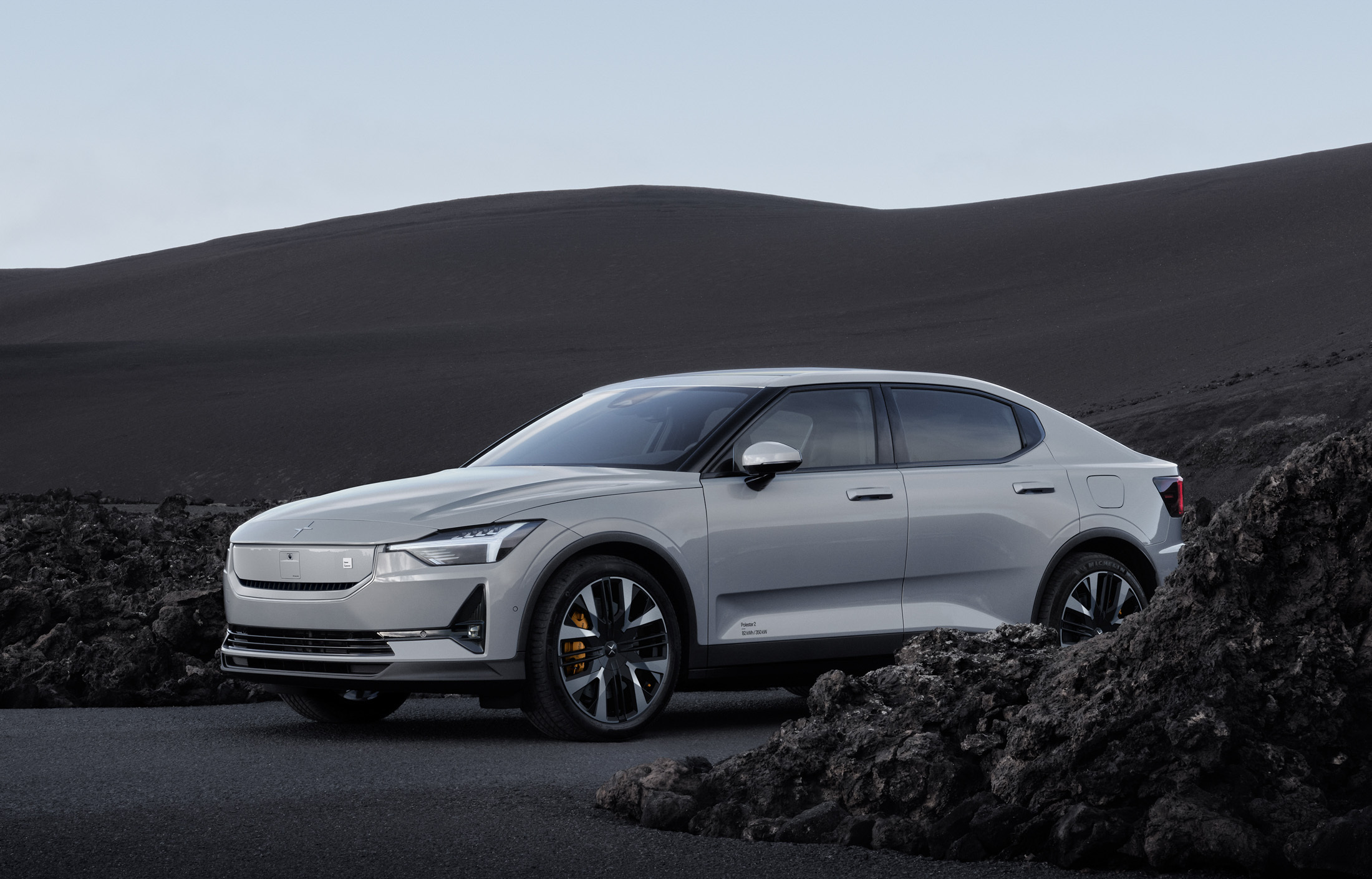
Battery warranty is the real floor under premium EV depreciation
Strip away the brand noise and one factor underpins every used premium EV value: the high-voltage battery warranty. Across Porsche, BMW, Tesla and Polestar the headline terms are near-identical, 8 years or 100,000 miles with a guarantee of at least 70 percent usable capacity, and crucially that cover transfers to you as a used buyer. That single fact is why a three-year-old premium EV is a defensible purchase rather than a gamble: the most expensive component carries years of factory protection. We would always confirm the in-service date, because the clock runs from first registration, and we would insist on a battery state-of-health report before deposit.
| Car | Battery warranty | Capacity guarantee |
|---|---|---|
| Porsche Taycan | 8 years / 100,000 miles | 70% usable capacity |
| BMW iX | 8 years / 100,000 miles | 70% net capacity |
| Tesla Model Y / 3 | 8 years / 100,000 to 120,000 miles | 70% retention |
| Polestar 2 / 4 | 8 years / 100,000 miles | 70% state of health |
For a plain-English walk through why used electric values moved the way they did, and which models took the biggest hit, this Carwow explainer is a useful primer before you start shortlisting.
How to check value before you put a deposit down
Before committing to any used premium EV, work through a short checklist. Pull the gov.uk MOT history and the DVSA recall and vehicle-information lookup to confirm the car is clean. Confirm the first-registration date so you know exactly how much battery warranty remains, and ask the seller for a battery state-of-health report. Track the current new-car price for the same model, particularly on a Tesla, so a future price cut does not blindside your equity. Compare live used pricing across Auto Trader and a specialist marketplace before you negotiate. For finance and consumer protection, the FCA’s consumer pages and MoneyHelper’s car-buying guidance set out your rights on PCP and HP, and if you are buying on PCP our explainer on guaranteed future value and the balloon payment shows how a falling residual feeds straight into your equity. Where a manufacturer Approved Used scheme is offered, it usually extends warranty cover, which protects residual value on resale.
Premium EV depreciation has shifted from a reason to stay away to a reason to buy used. The market has stopped falling, three-to-five-year-old cars are selling fastest, and the worst of the loss now lands on the first owner who orders new and sells at three years. Our position: let someone else absorb that hit. The strongest value buys are a two-to-three-year-old Porsche Taycan and a well-documented Polestar 2, both holding up against rivals and backed by transferable 8-year battery cover. The BMW iX is a sound used pick on plentiful supply, provided you buy the three-year car rather than the new one. We would be most cautious with Tesla, not because the cars are weak but because a single new-car price cut can wipe out your equity overnight; buy one only on a sharp price just after a cut. Across all four, the boring car with full history, modest options and a clean battery report is the one that holds value.
Are premium EV values still falling in 2026?
Which premium EV holds its value best used?
Why do used Tesla values move around so much?
Does the battery warranty transfer to a used buyer?
Is it better to buy a premium EV new or two years old?
What should I check before buying a used premium EV?
Buyer action
Finance checks before you sign
Use this as the final check before paying a deposit, signing finance paperwork or relying on a headline monthly figure.