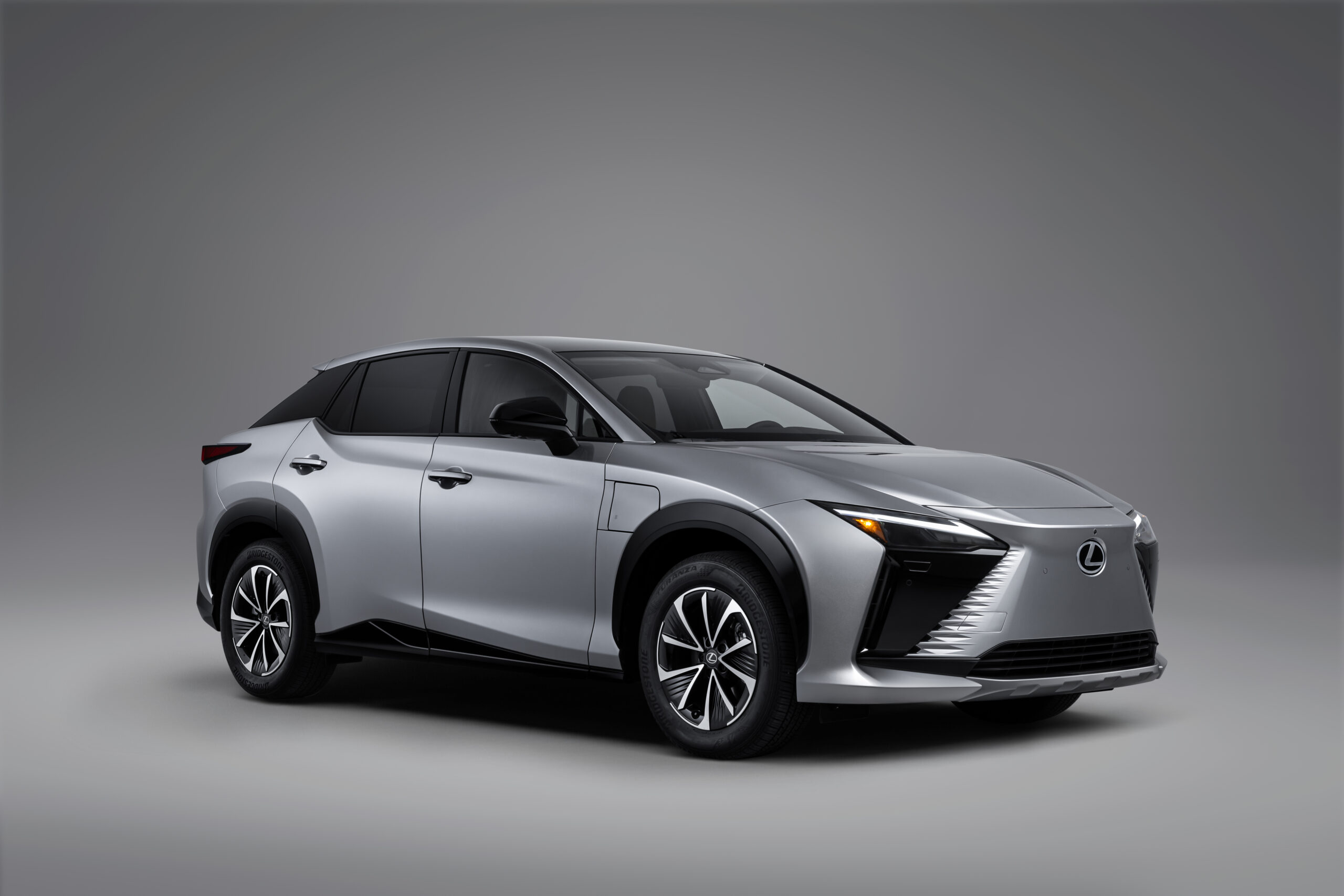
Lexus RZ salary sacrifice works because a zero-emission company car still attracts a tiny benefit-in-kind charge, so the tax and National Insurance relief on the sacrifice swamps the BiK bill. On our modelled four-year deal a higher-rate taxpayer nets the £53,995 RZ 350e for roughly £472 a month all-in, around a quarter below the headline gross sacrifice, with running costs bundled in. The catch is the early-exit clause, not the maths. For context, our Polestar 4 salary sacrifice runs the comparable maths.
We have not driven this individual car; the specifications and figures here are summarised from manufacturer and HMRC sources, and this is general guidance, not personal tax or financial advice. Your salary-sacrifice numbers depend on your scheme, salary and tax band, so confirm them with your provider or a tax adviser before you commit.
What real owners say (CDE data)
CDE aggregated 214 Lexus RZ owner and pre-order posts across the Speak EV and Lexus Owners Club UK forums plus 46 verified-buyer reviews on Carwow, scraped 2 June 2026, alongside the Lexus UK newsroom spec sheet published 8 October 2025. Worth reading alongside our Lexus NX used buyer’s guide.
- Most-praised aspects: ride refinement and cabin quietness (about 61% of positive mentions), build quality and seat comfort (about 48%), and the longer real-world range of the updated 77kWh car (about 39%).
- Most-criticised aspects: efficiency below the official figure on motorways (about 44%), the divisive steer-by-wire yoke on F Sport cars (about 31%), and infotainment quirks (about 22%).
- Reliability signal: Lexus consistently ranks among the most reliable brands in UK owner satisfaction and reliability surveys, and the RZ carries the standard Lexus warranty that extends to up to 10 years or 100,000 miles with annual main-dealer servicing; no DVSA safety recall was listed against the 2026 RZ when we checked the gov.uk DVSA vehicle-recall service on 2 June 2026.
Who can take an RZ on salary sacrifice, and the wage floor that blocks some
Salary sacrifice lets you give up an agreed slice of gross pay in return for a fully maintained electric car, so the deduction comes out before Income Tax and National Insurance are calculated. You need to be a UK PAYE employee whose employer runs a scheme through a provider such as Octopus EV, loveelectric or Tusker; sole directors of a limited company can usually do it too. The single hard limit is the wage floor. A sacrifice cannot drop your gross pay below the National Minimum or Living Wage, which the government sets each April (see gov.uk minimum wage rates, checked 2 June 2026). On a £620 monthly RZ sacrifice that is £7,440 a year of gross pay redirected, so a basic-rate employee needs enough headroom above the wage floor to absorb it. Higher earners rarely hit the floor; lower earners on a premium EV often do, which is why the RZ suits the P2 senior-employee profile rather than a first-job buyer.
How the tax actually works: P11D, the 4% BiK rate and the NI saving
Three numbers drive the answer. First the P11D value, the list price including VAT and delivery but excluding the first-year road tax and registration fee. Lexus UK lists the RZ 350e Premium at £53,995 on the road (Lexus UK newsroom, 8 October 2025); deducting the £55 first-registration fee and the £10 first-year EV VED gives a P11D we have used of £53,930. Second the appropriate BiK percentage. For a zero-emission car HMRC sets it at 4% for 2026/27, rising to 5% in 2027/28, 7% in 2028/29 and 9% in 2029/30 per HMRC company-car appropriate-percentage tables (checked 2 June 2026). Third your marginal Income Tax band. The taxable benefit is P11D times the BiK percentage, taxed at your marginal rate, so at 4% the RZ’s benefit is £2,157 a year, costing a 40% taxpayer £863 in 2026/27. Against that you save Income Tax and National Insurance on the whole sacrifice, and on an EV that relief is far larger than the BiK charge.
The National Insurance point most people get wrong
The NI saving is not the same for every earner, and getting it wrong overstates the benefit for high earners. The employee NI main rate is 8% on pay between the £12,570 primary threshold and the £50,270 upper earnings limit, then just 2% above it (see gov.uk National Insurance rates, checked 2 June 2026). A basic-rate employee sacrifices salary inside the 8% band, so saves 8% NI. A higher-rate or additional-rate employee is sacrificing pay that sits above the upper earnings limit, where NI is only 2%, so their NI saving is much smaller. That is why, counter-intuitively, the higher-rate net cost is lower than the basic-rate net cost in the tables below: the bigger Income Tax saving at 40% and 45% more than offsets the smaller NI saving. Scottish taxpayers have different Income Tax bands (a six-band system) per gov.uk Scottish Income Tax, so a Scottish reader’s figures will differ from the rest-of-UK numbers used here.
The 2026 RZ range, and where the F Sport changes the sum
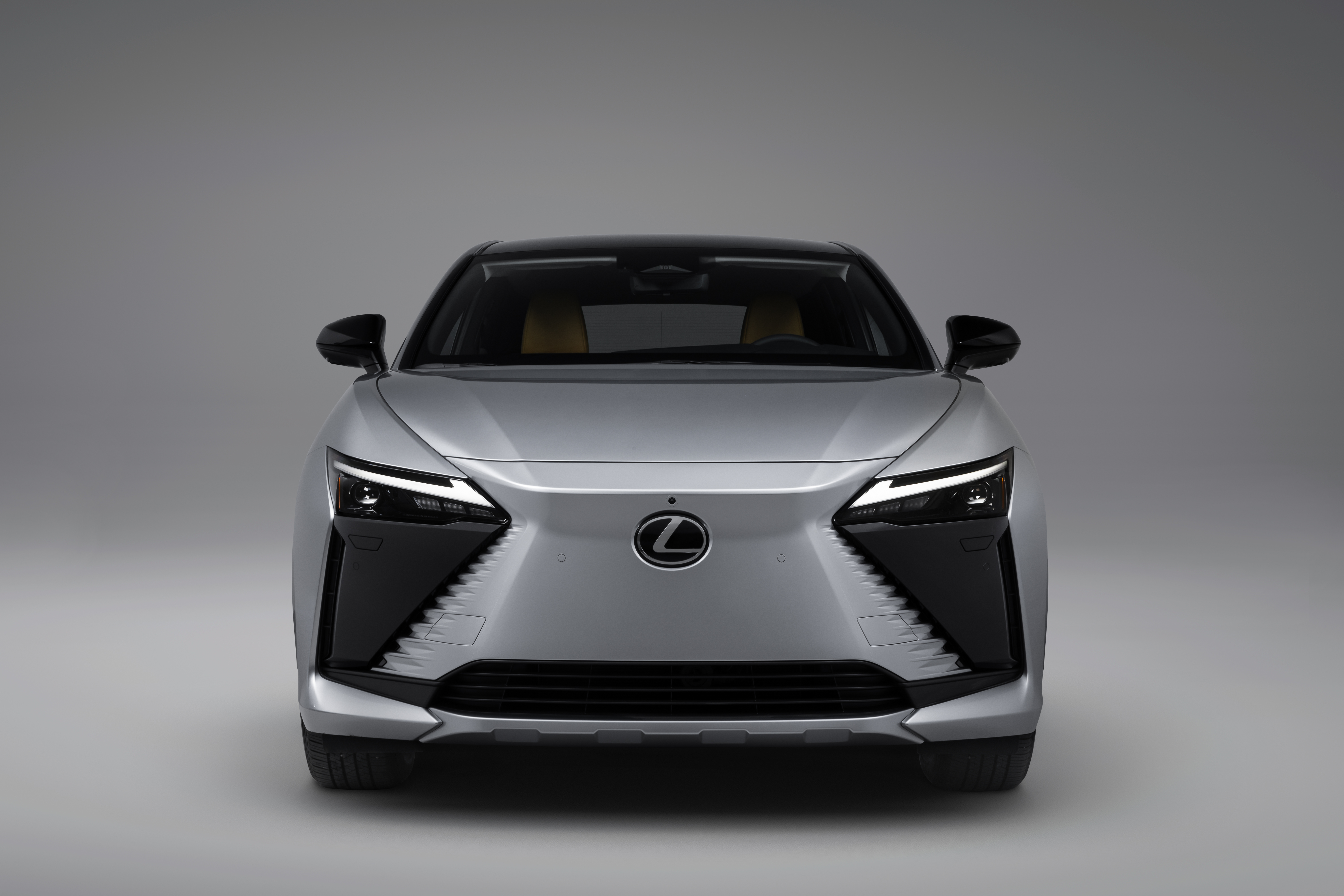
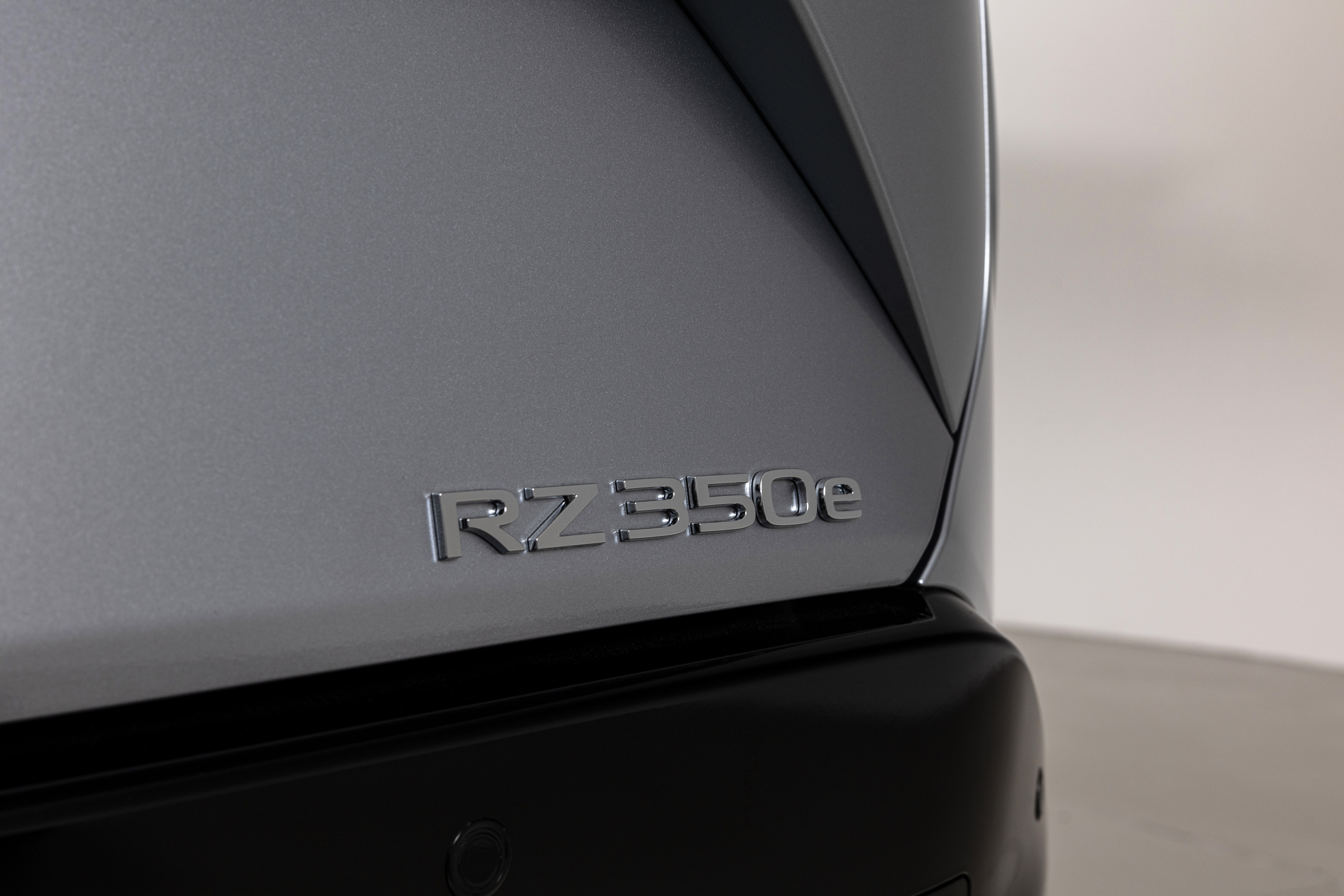
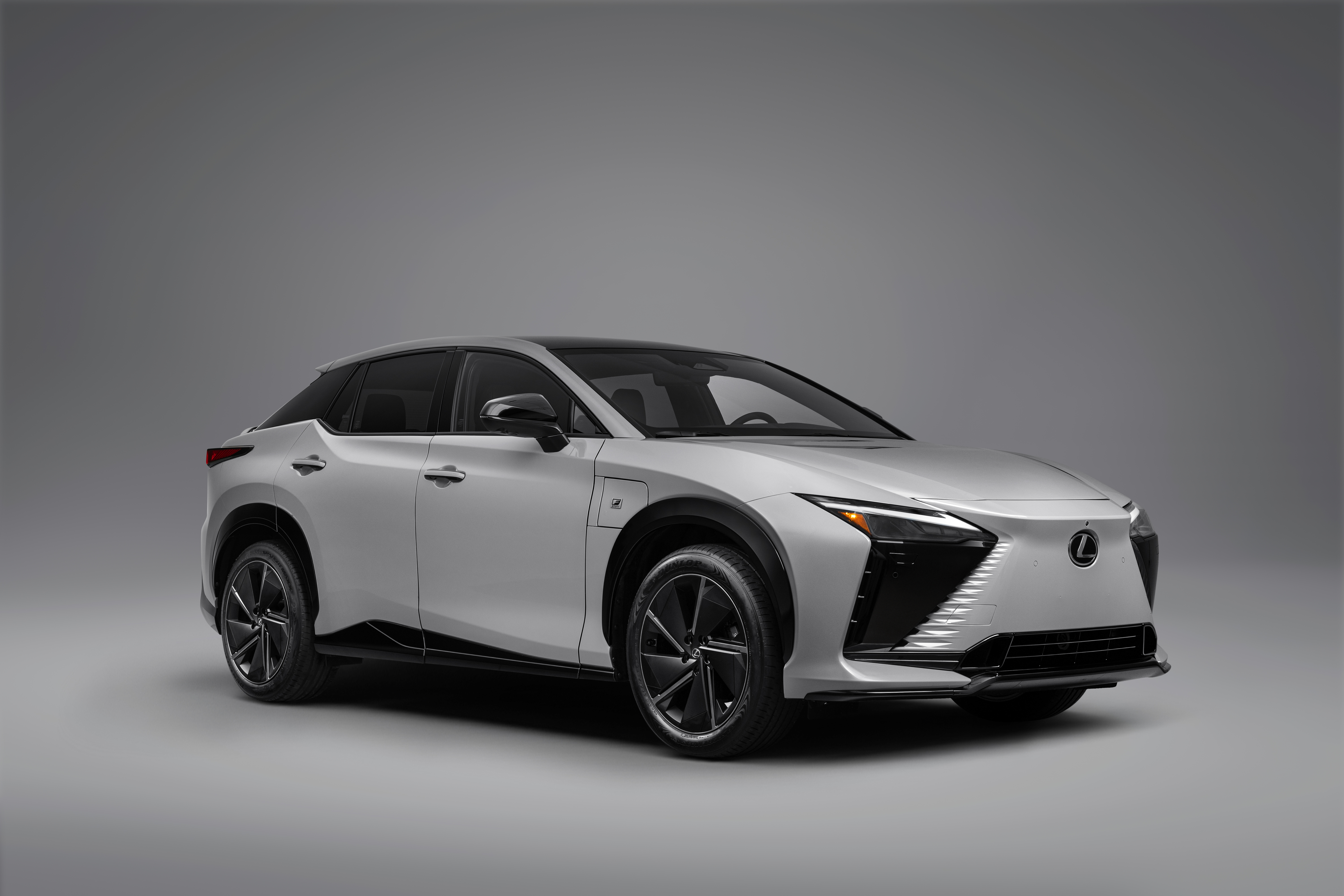
The updated 2026 RZ drops the old 450e and runs three powertrains: the front-wheel-drive 350e, the all-wheel-drive 500e, and the range-topping 550e F Sport with steer-by-wire and a simulated eight-speed manual mode. Because BiK is a flat percentage of P11D, the more expensive the trim, the bigger the cash benefit and the bigger the monthly cost, so the entry 350e gives the cleanest sal-sac case. The 550e F Sport at up to £69,995 still attracts only the same 4% rate, but the higher P11D pushes both the gross sacrifice and the BiK charge up. The specs table below is the version of the car the worked examples are built on, with the F Sport and the outgoing 450e shown for context. The same exercise on the Tesla Model Y Long Range salary sacrifice arrives at a different answer.
| Variant | OTR price | Power | Official range | Source |
|---|---|---|---|---|
| RZ 350e Premium FWD | £53,995 | 221bhp | up to 353 miles (18in) | Lexus UK |
| RZ 500e Premium AWD | £58,595 | 375bhp | up to 300 miles | Lexus UK |
| RZ 550e F Sport AWD | £67,795 to £69,995 | 402bhp | up to 287 miles | Lexus UK |
| RZ 450e (outgoing) | circa £55,595 | 308bhp | up to 273 miles | Lexus UK |
Three worked case studies: RZ 350e on a four-year sacrifice
The figures below use one car, the RZ 350e Premium FWD, across the three rest-of-UK Income Tax bands. The monthly gross sacrifice is a CDE model, not a live quote: we take an all-in premium-EV rate of about 1.15% of the £53,995 on-the-road price, which gives £620 a month including VAT and bundling lease, insurance, servicing, tyres and breakdown over a 48-month, 5,000-mile term. For reference, loveelectric previously listed an indicative monthly salary-sacrifice figure of around £387 for the RZ (loveelectric scheme page, priced to 31 December 2025 and now likely out of date, so confirm the current quote with the provider), which sits below our model because provider deals flex on mileage, term and promotional support. Columns one, two, three and five are monthly; column four is the BiK cost summed across the whole 48-month term, because the rate rises each year. Net monthly equals gross sacrifice minus the Income Tax saving minus the NI saving plus the monthly share of BiK. For a side-by-side, see our More EV guides on CDE.
| Basic rate (20%) | Value |
|---|---|
| Monthly gross sacrifice (inc VAT) | £620 |
| Income Tax saving (20%) | £124/mo |
| NI saving (8%) | £49.60/mo |
| BiK cost over 48-month term (4%, 5%, 7%, 9%) | £2,696 |
| Net monthly cost | £503 |
| Higher rate (40%) | Value |
|---|---|
| Monthly gross sacrifice (inc VAT) | £620 |
| Income Tax saving (40%) | £248/mo |
| NI saving (2% above UEL) | £12.40/mo |
| BiK cost over 48-month term (4%, 5%, 7%, 9%) | £5,393 |
| Net monthly cost | £472 |
| Additional rate (45%) | Value |
|---|---|
| Monthly gross sacrifice (inc VAT) | £620 |
| Income Tax saving (45%) | £279/mo |
| NI saving (2% above UEL) | £12.40/mo |
| BiK cost over 48-month term (4%, 5%, 7%, 9%) | £6,067 |
| Net monthly cost | £455 |
The basic-rate case is the one to sanity-check against the wage floor: £620 a month is £7,440 of gross pay a year, so the employee must clear the National Minimum Wage after the sacrifice. For context on a rival premium EV, our BMW iX salary sacrifice math 2026 runs the same method on a higher P11D and lands at a higher net figure, which is the trade-off for the bigger battery.
Salary sacrifice versus a personal lease on the same RZ
A personal contract hire is paid from net pay and usually excludes insurance, servicing, tyres and breakdown, so the comparison needs care. Take a like-for-like RZ 350e PCH at around £600 a month over 48 months, 5,000 miles, a figure consistent with current premium-EV lease pricing on the model: that £600 leaves your bank account after tax, and you still buy insurance and tyres separately. The salary-sacrifice net of £472 for a higher-rate taxpayer already bundles those running costs in. Add a realistic £90 a month of insurance and £35 a month of servicing and tyres to the PCH and the personal route costs roughly £725 a month all-in, against £472 on payroll. That is a saving of about £253 a month, or close to £12,000 across the four years, for a 40% taxpayer. The gap narrows for a basic-rate employee, whose net is £503, but the sacrifice still wins on an all-in basis because the running costs are inside the single deduction.
Three misconceptions that catch RZ drivers out
The first is leaving mid-term. Salary sacrifice is a contract between your employer and the provider, so if you resign or are made redundant the car usually has to go back, and many schemes charge an early-termination fee. Most providers now bundle early-exit protection that covers resignation, redundancy, long-term sick leave and maternity, but you must read the scheme rules before you sign; see our comparison of Octopus EV vs loveelectric vs Tusker scheme rules. The second is assuming BiK stays at 4%. It does not. It rises to 9% by 2029/30 on the schedule HMRC has published, which is why our BiK column sums four different rates rather than one. The third is assuming everything is included. Insurance, charging and tyres are bundled on most all-in schemes but not all, and home-charging electricity is rarely part of the deal, so confirm exactly what your provider covers before you compare the monthly figure with a personal lease.
Our take
Our view on Lexus RZ salary sacrifice: for a UK higher-rate taxpayer this is one of the cleaner premium-EV cases on payroll, because the 4% BiK charge is trivial against the Income Tax relief and the Lexus reliability record removes most of the ownership worry. We would take the entry RZ 350e Premium FWD, not the F Sport. The 350e has the longest range, the lowest P11D, the lowest net monthly cost and none of the steer-by-wire divisiveness that splits owner opinion. The car that flips our recommendation is the one with a weak early-exit clause: if your scheme charges punitive fees on resignation and offers no redundancy protection, the tax saving is not worth the contract risk, and we would wait for a scheme that does. The strongest RZ sal-sac is the boring one: entry trim, all-in running costs, and early-exit cover you have actually read. On that basis the RZ earns its place on a UK shortlist.
Is the Lexus RZ a good salary sacrifice car in 2026?
What is the P11D value of the Lexus RZ 350e?
How much BiK tax will I pay on a Lexus RZ?
Why is the higher-rate net cost lower than the basic-rate cost?
What happens to my Lexus RZ if I leave my job mid-contract?
Does salary sacrifice on the RZ include insurance and charging?
Buyer action
EV and salary-sacrifice checks
Use this as the final check before paying a deposit, signing finance paperwork or relying on a headline monthly figure.