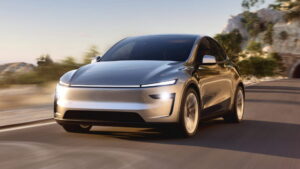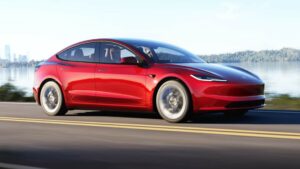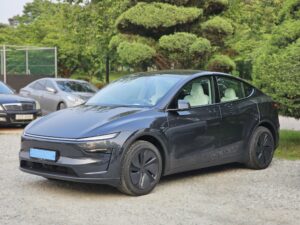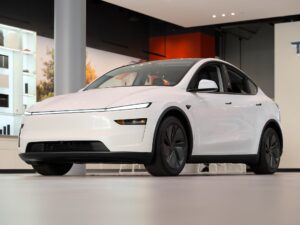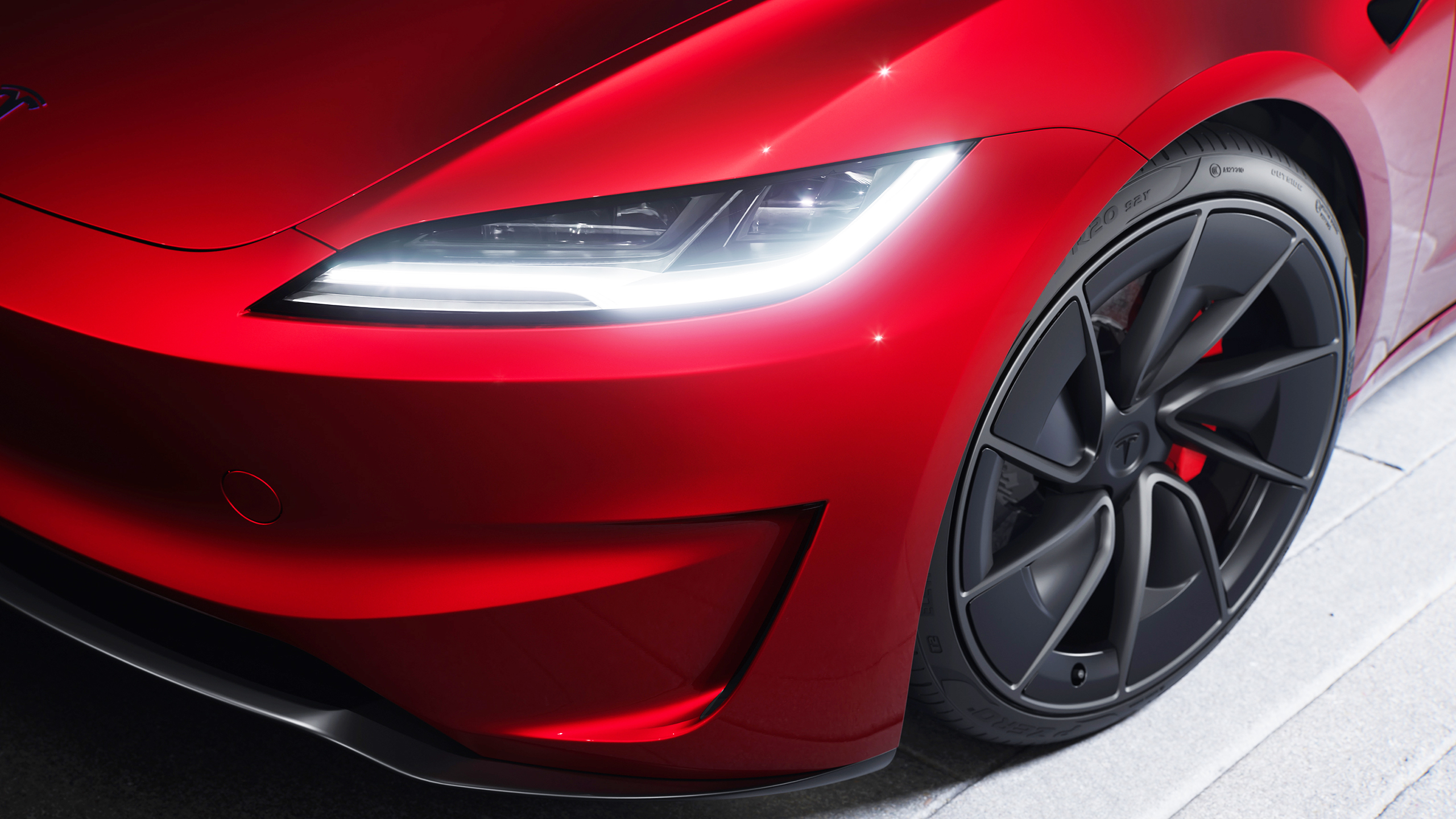
Tesla insurance costs catch a lot of new owners out: the cars are quick, clean and cheap to fuel, but the premiums often land well above what drivers expect from an electric saloon or SUV. This guide explains why Tesla cover runs high in the UK, where the money actually goes, and the practical moves that bring a Model 3 or Model Y quote down. Our short answer: it is repair cost and write-off risk, not speeding tickets, that drive the premium, and shopping it properly with the right insurer makes a real difference.
What the insurance data shows on Teslas
CDE looked at how electric cars, and Teslas in particular, are rated and priced in the UK, drawing on Thatcham repair-cost work, ABI EV claims trends and broker guidance. The consistent theme is that Teslas are quick to write off and expensive to repair, which the premium reflects.
- Repair cost: structural battery packs, aluminium and casting-heavy construction and camera-based driver aids make even moderate damage costly to put right.
- Write-off tendency: insurers have flagged that EVs, Teslas among them, are sometimes written off rather than repaired when battery or structural damage is suspected.
- Repair network: approved-repairer capacity and parts availability can lengthen repairs, and longer courtesy-car and storage periods feed into pricing.
Why Tesla premiums run high in the UK
The instinct is to assume insurers punish performance, but the bigger story is repairability. A Tesla’s battery pack is part of the structure, the bodies use a lot of aluminium and large castings, and the driver-assistance suite relies on cameras that need careful recalibration after even a minor front-end knock. All of that makes repairs slow and expensive, and in some cases pushes a damaged car towards a write-off rather than a fix. Insurers price that risk in, and because a high-voltage pack write-off is so costly, they build a margin for it into every quote rather than gambling on a cheap repair that may not be possible. Add a repair network that can be stretched, which lengthens courtesy-car and storage costs, and you have a premium that sits above a comparable petrol or diesel car despite the Tesla being cheaper to fuel and service. Speed plays a part, but the body shop does most of the work on your premium. The same repair-cost logic drives our BMW M and Audi RS insurance guide.
Does Tesla offer its own insurance in the UK?
This is a common point of confusion. Tesla’s own-brand insurance, with usage-based pricing tied to the car’s safety-score telematics, is established in parts of the United States but is not a mainstream option for most UK buyers. In practice, UK Tesla owners insure through ordinary and specialist insurers like any other car. That means the usual levers apply, and it means you should shop around rather than assume a single Tesla-branded product will be cheapest. The good news is that EV-friendly insurers have grown more comfortable with Teslas as the cars have become common, so the market is more competitive than it was a few years ago, which also helps anyone weighing a premium EV finance and deposit strategy.
How to cut your Tesla insurance premium
Tesla premiums respond well to a few sensible moves. Shop widely, including EV-specialist and broker quotes, rather than taking the first comparison-site figure, because pricing on these cars varies sharply between insurers. Use the car’s own security: Sentry Mode, PIN-to-drive and a faraday pouch for the key card all help, and garaged or off-street parking reduces the quote. Be honest but realistic about mileage, because a lower agreed annual mileage cuts the premium, and consider a higher voluntary excess if you can fund it. Keep your no-claims protected, and check whether the policy includes the things that matter on an EV: battery cover, charging-cable and wall-box cover, and a sensible courtesy-car arrangement given Tesla repair times. Our premium EV insurance guide goes deeper on the EV-specific clauses worth checking.
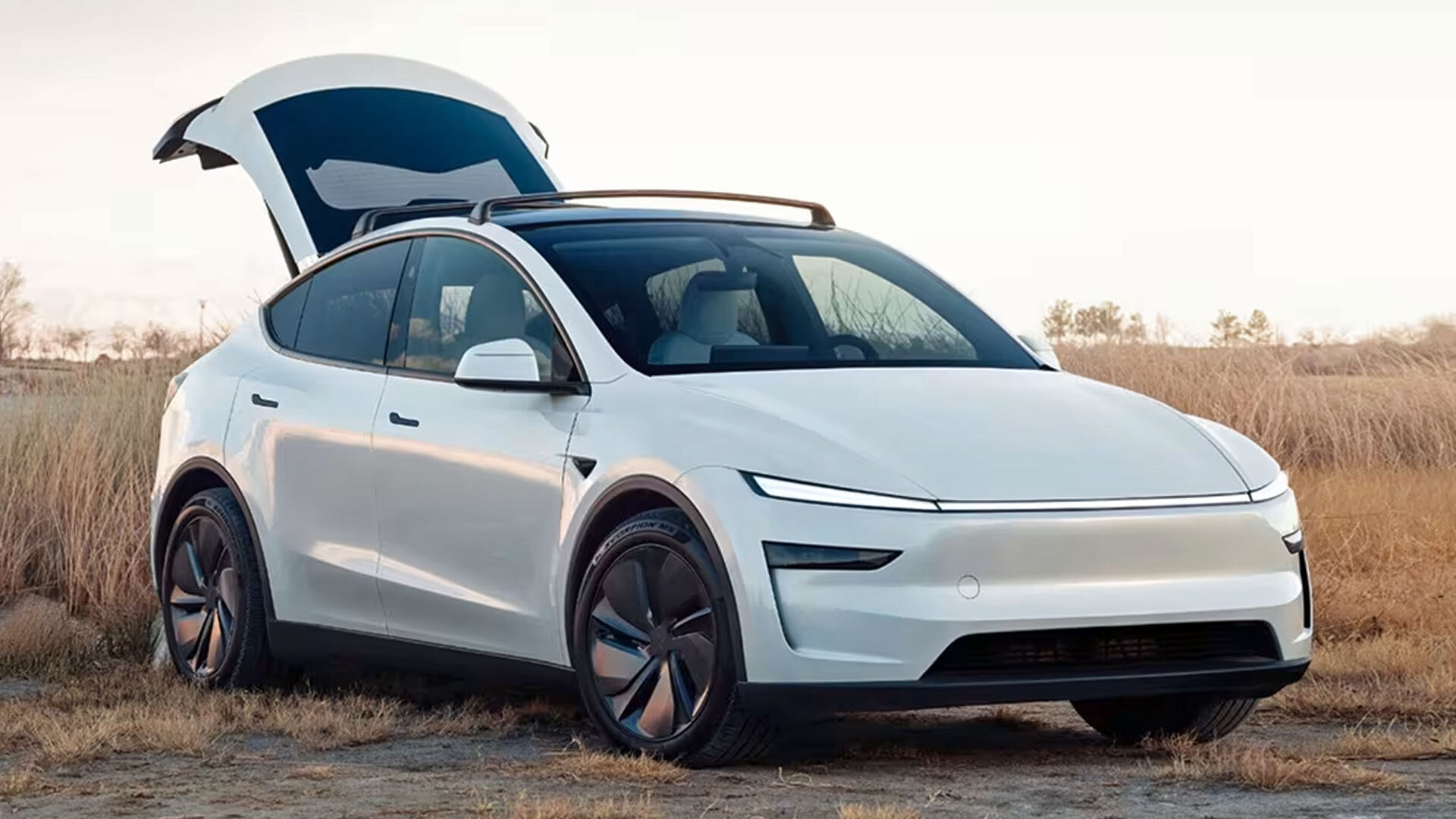
For a sense of the car most of these premiums cover and how it drives, this independent UK review is a useful watch.
The EV-specific clauses Tesla owners should check
An EV policy needs a closer read than a petrol one. Confirm the battery is covered, including accidental damage, because a damaged pack is the single most expensive thing on the car. Check that home and public charging equipment, and the cables, are included, since these are easily damaged or stolen. Look at the courtesy-car terms, because Tesla repairs can run longer than a typical bodyshop job and you may need a car for weeks rather than days. If you finance the car, weigh whether GAP cover makes sense given EV depreciation, an issue we cover in our GAP insurance after the FCA review guide. None of these is exotic, but they are where a cheap-looking Tesla policy can turn out to be a false economy.
Where to check your Tesla cover next
Before you buy or renew, run these checks so the cover fits the car:
- Get quotes from EV-friendly and specialist insurers as well as the comparison sites, because Tesla pricing varies widely.
- Confirm the policy covers the battery, including accidental damage, plus charging cables and home wall-box.
- Check the courtesy-car terms against realistic Tesla repair times, which can be longer than average.
- Use the car’s security: Sentry Mode, PIN-to-drive, a faraday pouch and garaged parking.
- Set an honest but lower annual mileage and consider a higher voluntary excess to trim the premium.
- If financing, weigh GAP cover given EV depreciation, and compare against the figures in our finance guides.
- Use neutral guidance from Which? car insurance and the security ratings behind Thatcham Research when comparing.
Our take
Our view is that Tesla insurance is dearer than owners expect for rational reasons, and the people who overpay are usually the ones who took the first quote and skipped the EV-specific detail. We would always gather several quotes including EV specialists, lean on the car’s built-in security, and read the battery, charging and courtesy-car clauses before signing, because those are where a Tesla policy is won or lost. We would not chase the cheapest headline figure if it skimps on battery cover or leaves you without a car for the weeks a Tesla repair can take. Budget for the premium honestly as part of the running-cost sum, treat it as the trade-off for cheap fuel and servicing, and a Model 3 or Model Y is perfectly affordable to run; assume the cover will be ordinary and it will surprise you.