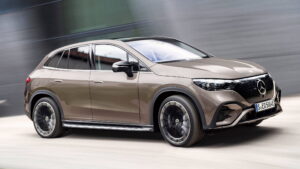
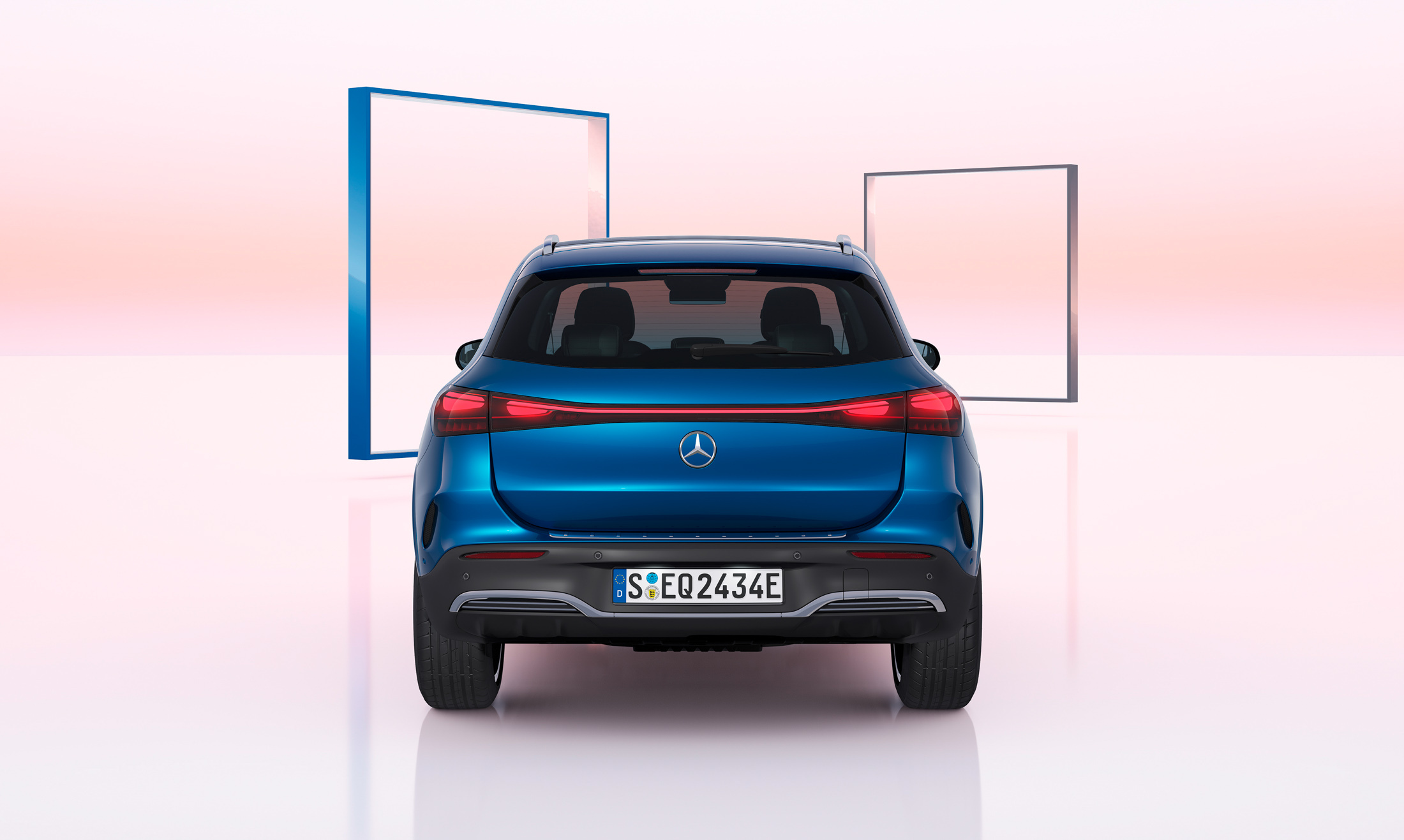
The Mercedes EQA is the badge-conscious buyer’s way into salary sacrifice: a three-pointed star on the bonnet for a net monthly cost that a higher-rate taxpayer will find hard to argue with. This guide works through the 2026/27 tax-year maths on the EQA 250+, with figures for the 20%, 40% and 45% bands, and is honest about where the EQA trails its rivals. Our short answer: if you want a premium-badge electric SUV through payroll and value comfort over outright range, the EQA makes a strong case, but check the range and the rival quotes before you commit.
What the numbers and reviewers say (CDE data)
CDE built the figures below from the published HMRC zero-emission company-car rate, current income-tax and National Insurance bands, and the EQA’s UK list pricing, then cross-checked the car against What Car and Carwow testing. The tax case is strong; the EQA’s own weaknesses are range and value against sharper rivals.
- Where it wins: the 4% benefit-in-kind rate for 2026/27, a genuinely premium Mercedes cabin, quiet and comfortable manners, and a useful range boost on the post-2024 facelift.
- Where it loses: the facelift 250+ claims up to 348 miles WLTP but lower trims trail rivals, the boot is modest, and the list price runs ahead of a comparably specced Tesla Model Y or BMW iX1.
- Tax signal: the benefit-in-kind rate climbs in steps after 2026/27, so the saving versus a petrol company car is at its widest right now.

Salary sacrifice in plain terms, and the catch
Salary sacrifice swaps a slice of your gross pay for a fully insured, maintained electric car leased through your employer’s scheme. Because the money comes out before income tax and National Insurance, you are taxed only on a small benefit-in-kind charge rather than the full salary, which is what makes a premium EV land at an affordable net figure. It is open to most UK PAYE employees whose employer runs a scheme, but the sacrifice cannot pull your gross pay below the National Minimum or Living Wage, so the EQA’s price tag rules it out for lower earners. Treat the figures here as general guidance and get your own scheme quote and accountant’s view before committing.
The tax: P11D, the 4% rate and your NI saving
The benefit-in-kind charge drives the saving. It is the car’s P11D value times the appropriate percentage for its emissions times your marginal income-tax rate. Per HMRC’s company-car tax tables, the zero-emission rate is 4% for 2026/27 (checked 30 May 2026). On an EQA 250+ with a P11D of roughly £52,000, that is a taxable benefit of about £2,080 a year. You also save employee National Insurance on the sacrificed amount at the current NI rates, 8% below the upper earnings limit and 2% above it. Scottish taxpayers use their own income-tax bands, so their saving differs.
Worked example: the EQA 250+ across the tax bands
The table uses an illustrative gross sacrifice of £585 a month for an EQA 250+ on a three-year, 10,000-mile term, inclusive of insurance, maintenance and tyres. Your scheme’s quote will vary with term, mileage and provider, so treat this as the shape of the deal. Net monthly cost is the gross sacrifice, less the income tax and NI you stop paying, plus the small benefit-in-kind charge.
| Tax band | Gross sacrifice/mo | Income tax saved/mo | NI saved/mo | BiK cost/mo | Net cost/mo |
|---|---|---|---|---|---|
| 20% basic rate | £585 | £117 | £47 | £35 | around £456 |
| 40% higher rate | £585 | £234 | £12 | £69 | around £408 |
| 45% additional rate | £585 | £263 | £12 | £78 | around £388 |
The pattern rewards higher earners: the relief comes at your marginal rate while the benefit-in-kind charge stays small, so a 45% taxpayer pays less net than a basic-rate colleague for the same EQA. For a cheaper premium-badge alternative on the same scheme, our BMW iX1 salary sacrifice maths runs the identical calculation on a lower-P11D rival.
EQA versus the Model Y and iX1 on the same scheme
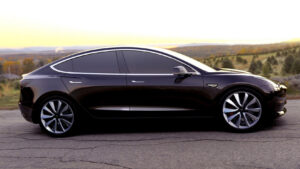
This is where you should shop the badge against the rivals. The EQA’s net monthly figure is competitive, but a Tesla Model Y often undercuts it on both list price and range, and the BMW iX1 carries a lower P11D, which trims the benefit-in-kind charge. What the EQA gives you in return is the most traditionally luxurious cabin of the three and the calmest manners, a trade-off our salary-sacrifice scheme comparison is worth reading alongside. If badge and comfort matter more to you than outright range or the lowest possible number, the EQA earns its place; if you want maximum miles per pound, compare it directly against our Tesla Model Y salary sacrifice maths before you order.
The traps: range, early exit and what is included
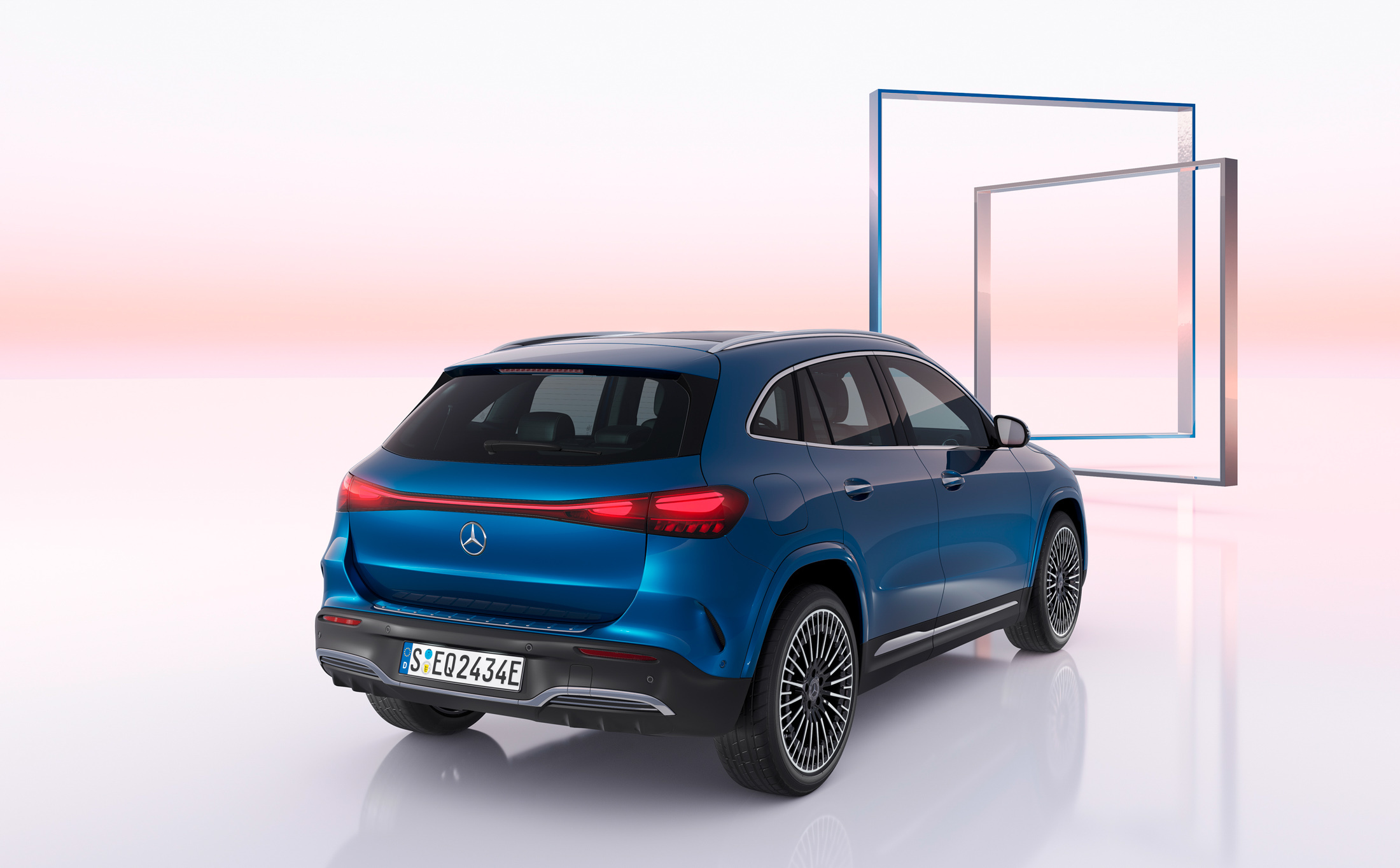
Three things to watch with an EQA on sacrifice. First, range: the headline 348-mile figure is the facelift 250+ on a good day, and real-world winter range on a busier trim will be lower, so be honest about your mileage before you size the deal. Second, early exit: if you leave your employer mid-term you may face early-termination protection or a charge, so read the scheme’s leaver terms, especially if your job feels uncertain. Third, check what the quote covers; most premium schemes bundle insurance, servicing, maintenance and tyres, but the home charger and electricity are usually yours to fund. None is a deal-breaker, but each is the difference between a smart order and a surprise.
For a sense of how the EQA drives and where it sits against the Model Y, this independent UK review is a useful watch before you commit to a scheme order.
Where to check the EQA salary-sacrifice numbers next
Before you place a scheme order, run these checks so the figures hold for you:
- Ask your employer which provider runs the scheme and request a live EQA 250+ quote on your preferred term and mileage.
- Confirm the benefit-in-kind rate for the tax year you start in against HMRC’s company-car tables.
- Pull a like-for-like quote on a Tesla Model Y and a BMW iX1 so you can see the EQA’s premium for the badge.
- Check the scheme’s leaver and early-termination terms and whether early-exit protection is included.
- Confirm what the monthly cost covers, and whether a home charger is part of the deal.
- If you are a Scottish taxpayer, recalculate using the Scottish income-tax bands.
Our take
For a higher-rate or additional-rate taxpayer who wants a Mercedes through payroll, the EQA on salary sacrifice is a genuinely sensible choice, with one honest caveat. We would order the facelift 250+ rather than a lower trim, because it carries the best range and the strongest net figure, and we would only sign after pulling a Model Y and iX1 quote on the same scheme, because the EQA does ask you to pay a little for the badge. Our view is that the tax case is strong and the cabin justifies some of the premium, but if your priority is maximum range per pound, a rival such as the one in our Polestar 2 salary sacrifice guide will beat it. Order the EQA because you want a calm, classy Mercedes EV and the numbers stack up, not because you assumed it was the cheapest way in; check that assumption first.