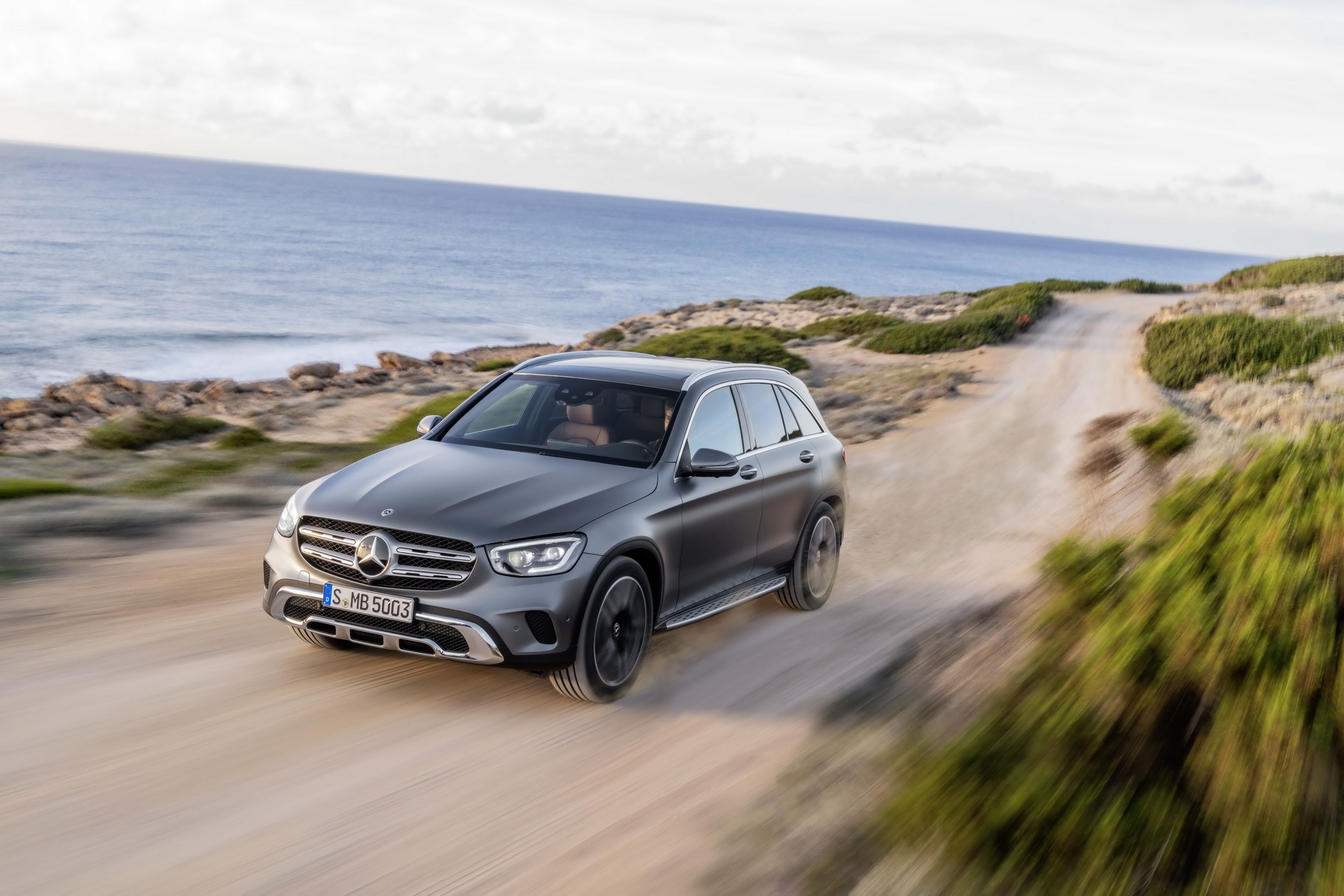
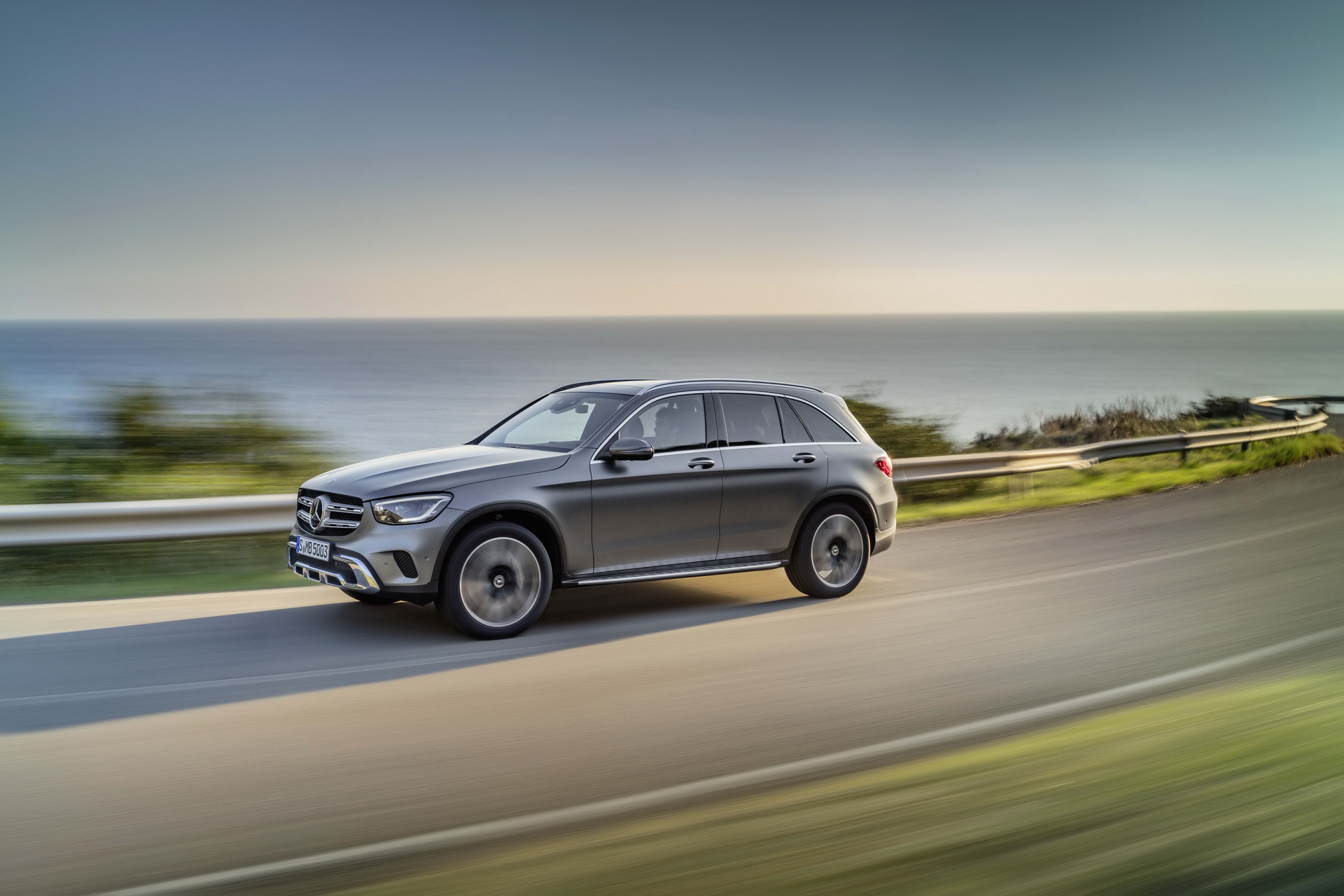
The Mercedes GLC X253 is the premium SUV most buyers actually want: comfortable, classy and far cheaper to run than the Range Rover badge above it suggests. This guide covers which engine and year to target, the electrical and infotainment gremlins that genuinely matter, and the checks that tell a cared-for car from a tired one. Our short answer: a post-2019 facelift 300d 4Matic with MBUX and full Mercedes history is the rational buy, and a cheap pre-facelift car with patchy paperwork is the one to leave on the forecourt.
What the owner and reliability data shows
Mercedes sits mid-pack in UK reliability surveys, better than Land Rover but behind Lexus and Volvo, and owner feedback on the X253 GLC is broadly happy with a clear cluster of electrical niggles. CDE cross-referenced What Car and Honest John owner reviews with the free DVSA recall record for the GLC to build the picture below; the recurring faults are mostly sensor and software irritations rather than drivetrain disasters.
- Most praised: ride comfort, cabin quality and quietness, the smooth 9G-Tronic gearbox, strong diesel economy on a run.
- Most criticised: electrical and sensor faults, infotainment glitches on pre-facelift COMAND cars, firm ride on big AMG Line wheels.
- Reliability signal: dependable engines and gearbox when serviced; complaints centre on electrical gremlins, diesel emissions hardware on short-tripped cars and optional air suspension wear, not the core mechanicals.
Which engine to choose: 220d, 300d, 300 petrol and 350e
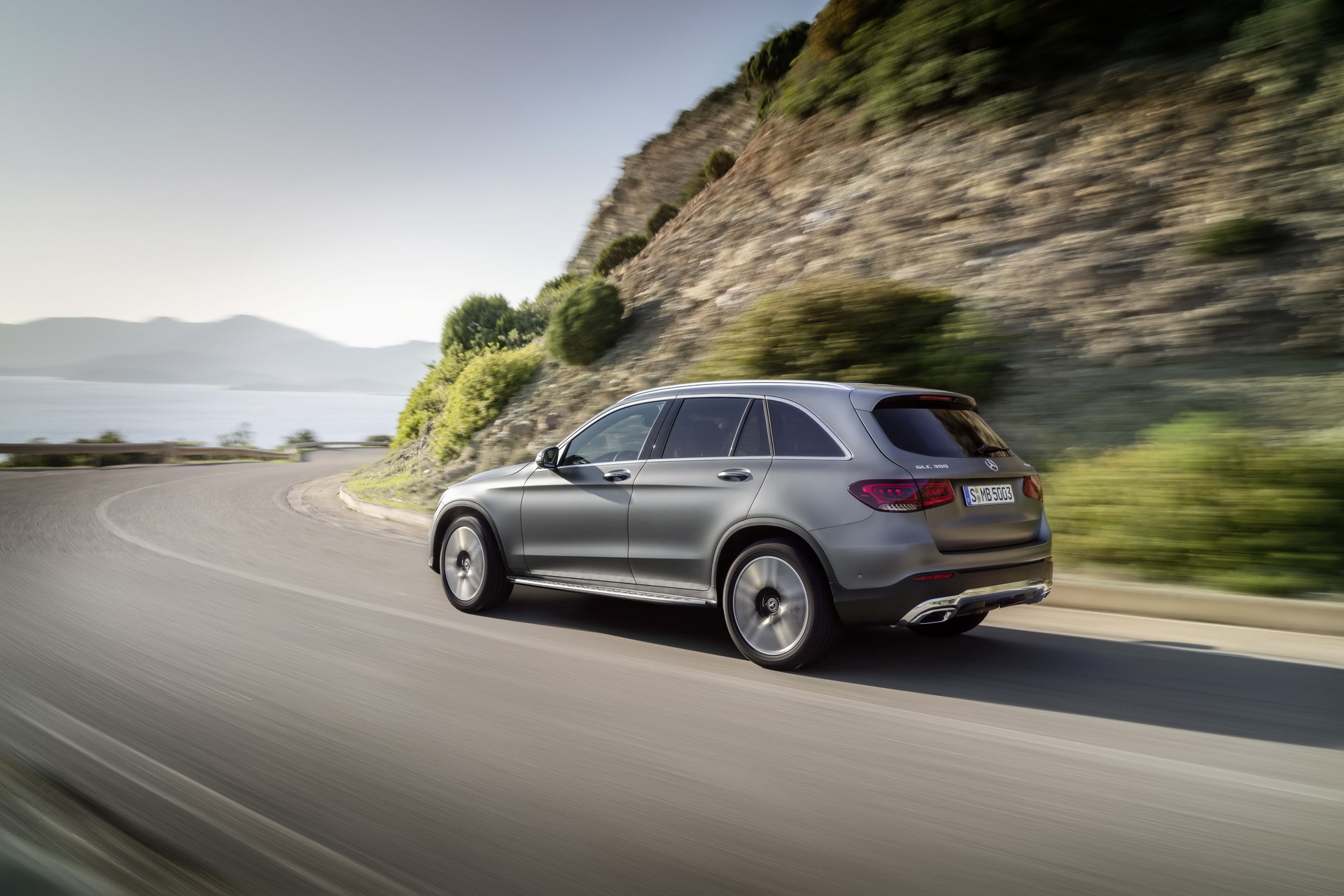
The X253 range is broad, but most private buyers only need to weigh four units. The 220d and 300d use Mercedes’ 2.0-litre four-cylinder diesel (the later OM654 from the 2019 facelift is the smoother, cleaner one) and are the high-mileage choice, with the 300d adding useful muscle for towing. The 300 petrol pairs a 2.0 turbo with mild-hybrid assistance and suits lower-mileage drivers who want to dodge diesel particulate worries. The 350e plug-in hybrid is the company-car tax pick but the most complex used proposition. The AMG GLC 43 and 63 are a different conversation: rapid, thirsty and dearer to maintain, for buyers who want the noise.
If you cover big motorway miles or tow, the 300d diesel still makes the most sense and returns real-world economy the petrols cannot match. If your driving is mostly short urban hops, lean petrol or 350e: a diesel that never warms up properly will eventually argue with its DPF and AdBlue system. The same head-versus-tax logic runs through our Mercedes GLE W167 used buyer’s guide one size up.
The faults that actually matter on a used Mercedes GLC
Start with the electrics, because that is where the GLC’s complaints concentrate. As What Car’s used GLC reliability data notes, owners report faulty sensors, parking and camera glitches, and the occasional infotainment freeze; most are fixable but they are worth knowing about before you buy. On the diesels, the DPF and AdBlue system are the usual age-related items on a short-tripped car, and the optional Air Body Control air suspension can be expensive if a strut fails, so check it raises and settles evenly. On the 350e, verify the high-voltage battery still charges and holds a usable range rather than assuming it does.
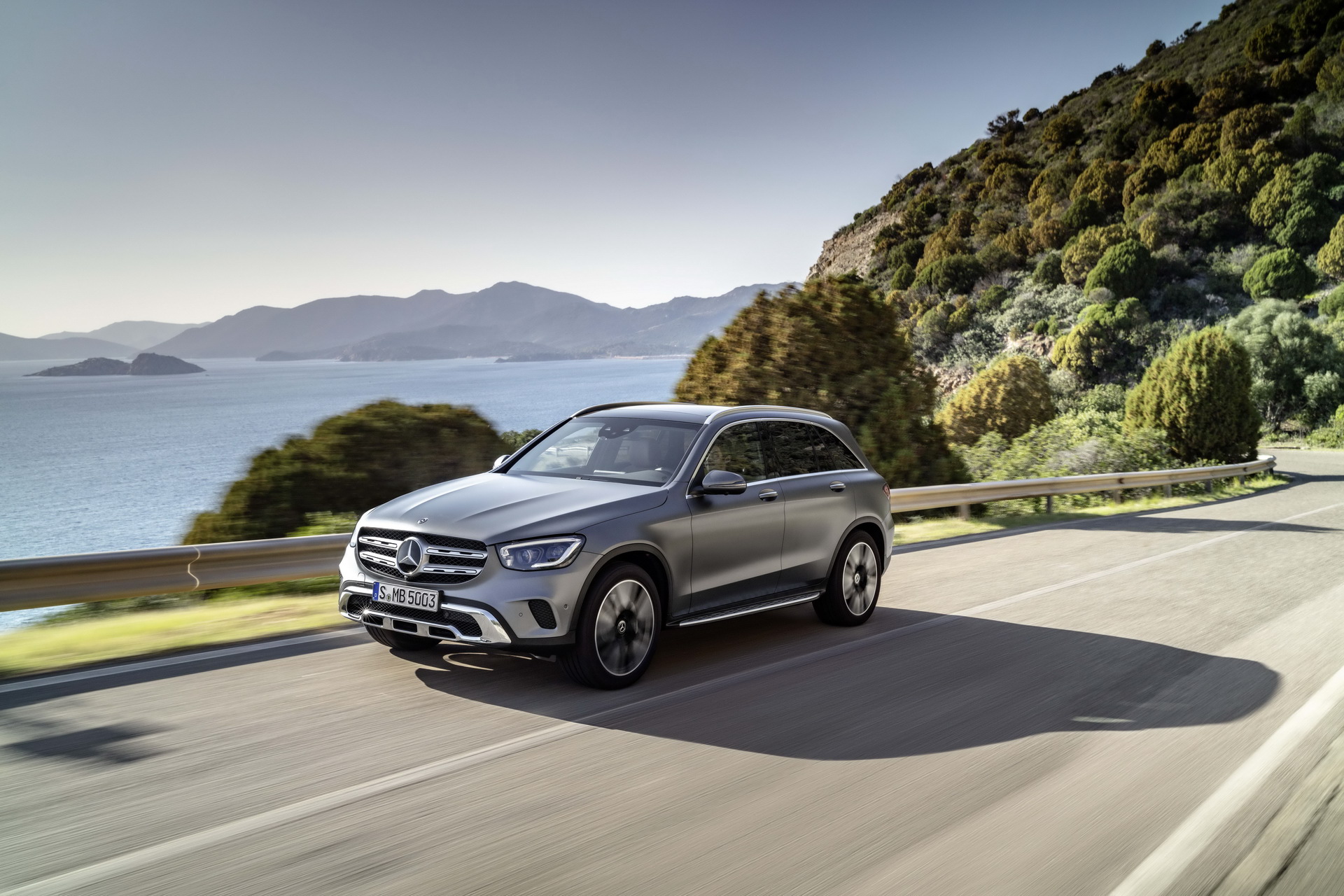
Infotainment is the clearest pre-versus-post-facelift dividing line. Cars up to 2019 run the older COMAND system with a rotary controller, which feels dated and is the source of many of the screen complaints; the 2019 facelift brought the much better MBUX touchscreen with the twin-screen dash. Work whichever system the car has for lag and failed updates. Finally, check the tailgate, doors and electric seats all function, because the GLC’s convenience electrics are exactly where neglected cars start to misbehave.
Best years and the cars to avoid
The sweet spot is a 2019-onward facelift car: you get the cleaner OM654 diesel or mild-hybrid petrols, the far better MBUX infotainment, and prices that have softened to genuine value. We would be most cautious with the earliest 2015-2016 cars on high miles and thin history, where the older COMAND system and any unloved air suspension can turn into bills, and with any 350e that cannot prove its battery health. An AMG GLC 43 or 63 is a brilliant thing, but only with a full main-dealer or specialist history, because the running costs bite hard if maintenance has been skipped.
Used prices, running costs and insurance in 2026
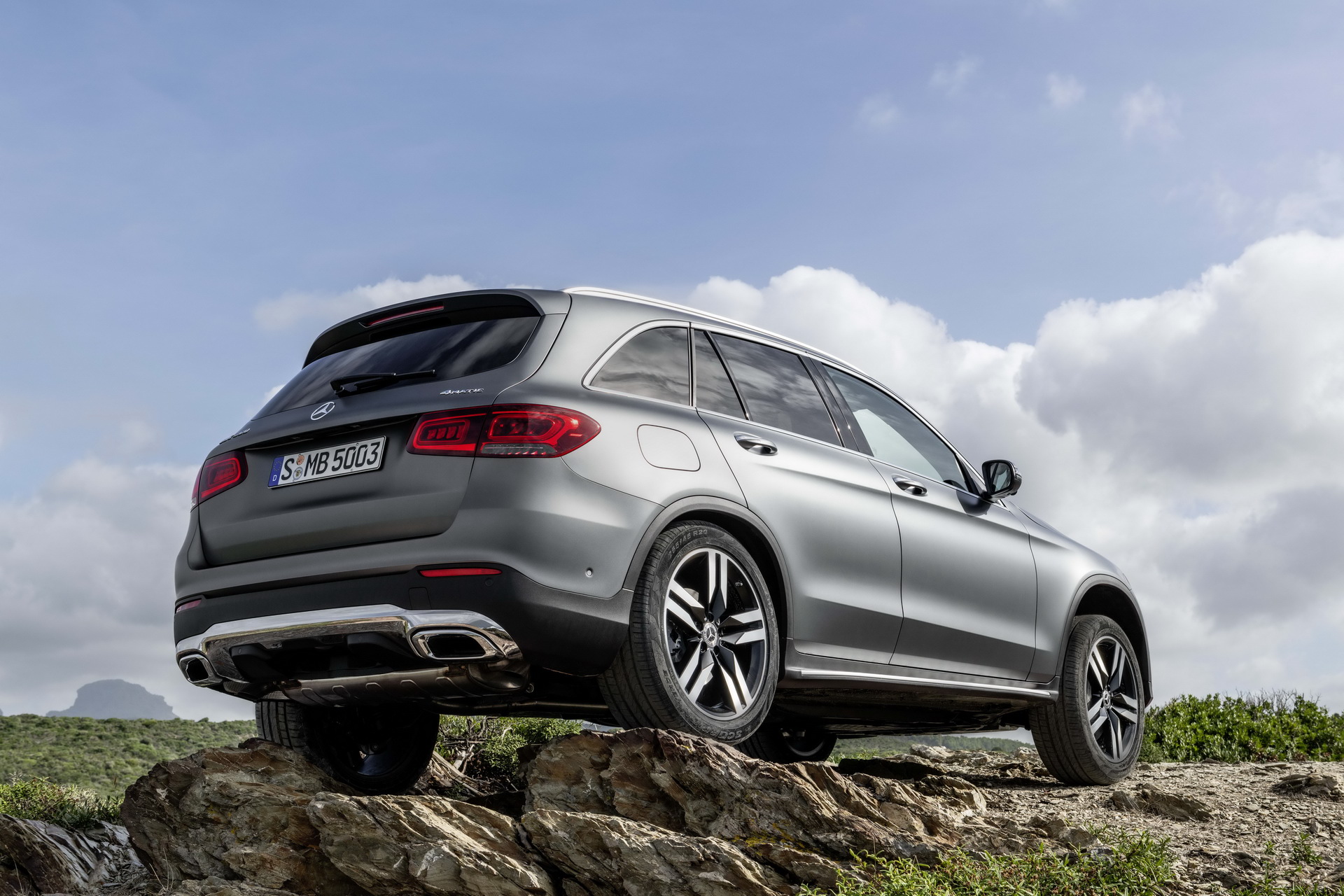
The GLC is cheaper to live with than the badge implies. Early 2016 220d cars now sit in the mid-teens, clean 2019-2020 facelift 300d examples land in the mid-to-high twenties, and a tidy AMG 43 commands the early thirties, on current Auto Trader and Carwow listings checked on 30 May 2026; compare the same engine, year and mileage across several adverts rather than the first car you see. Insurance groups run from the high-20s for a 220d to the mid-40s for an AMG. Mercedes service plans and a strong independent specialist network keep costs predictable once a car leaves the main dealer. If you are weighing extended cover, our used warranty comparison of Warranty Direct, MotorEasy and ALA applies just as well to a used GLC.
| Engine (X253) | Type | Best for |
|---|---|---|
| GLC 220d / 300d | 2.0 diesel (OM654 post-2019) | Motorway miles, towing, economy |
| GLC 300 | 2.0 mild-hybrid petrol | Lower mileage, no diesel worries |
| GLC 350e | 2.0 petrol PHEV | Company-car tax, short commutes |
| AMG GLC 43 / 63 | 3.0 V6 / 4.0 V8 biturbo | Performance, with the running costs to match |
Recalls and the pre-purchase checks to run
Mercedes has issued safety recalls touching the GLC over its life, covering items from emergency-call electronics to seat and fuel-system fixes on specific build ranges. None should cost you money to remedy, but you must confirm any outstanding work is closed. Run the registration through the free DVSA vehicle recall check on gov.uk and get written confirmation from the seller. Cross-reference the car’s behaviour against Honest John’s GLC owner reviews so you know which quirks are normal and which point to a neglected example.
To see how the GLC drives and where the cabin trade-offs lie, this independent UK review is worth a watch before you view one.
How the GLC compares with an X3, Q5 or XC60
This is where the GLC earns its shortlist place. Against a BMW X3 it trades the last word in handling for a more relaxed, better-isolated cabin; against an Audi Q5 it offers a plusher ride and arguably more presence. If you want the same comfort-first recipe with stronger predicted reliability, our Volvo XC60 Mk2 used buyer’s guide is the low-drama alternative, while the Mercedes E-Class versus Audi A6 comparison covers the executive-saloon route. The GLC remains the comfort pick of the premium mid-size SUVs, and the used market makes it a genuinely sensible buy.

The used Mercedes GLC checks to run before you pay a deposit
Do these in order and you will sidestep the only X253s worth avoiding:
- Pull the full service history and confirm regular oil services, plus AdBlue top-ups and any due major service on diesels.
- Work every screen, camera, sensor and parking aid, because electrical gremlins are this car’s signature fault.
- On the air suspension, if fitted, check it raises and sits level, with no sagging or warning lights.
- On a 350e, watch it accept a home-style charge, ask for the battery health and confirm the original cable is present.
- On any diesel, confirm a life of long runs rather than short hops, and check for DPF or AdBlue warnings on a cold start.
- Run the registration through the free DVSA recall check and get written confirmation of completed work.
- Compare the asking price against current Auto Trader and Carwow listings for the same engine, year and mileage.
Our take
If you want premium-SUV comfort and badge appeal without the reliability anxiety of a used Range Rover, the Mercedes GLC X253 is one of the easiest cars in the class to recommend. We would target a 2019-onward facelift 300d 4Matic with MBUX and full Mercedes history for the best balance of refinement, economy and used choice, or a 300 mild-hybrid petrol if your mileage is lower and mostly urban. We would think hard before buying a cheap pre-facelift car with the dated COMAND system and a thin service record, or any example whose convenience electrics throw warnings on the test drive, because those are the cars that turn a relaxing Mercedes into an irritating one. Buy on history first and screen-condition second, and the GLC rewards you with years of quiet, comfortable, low-stress miles.
Is the used Mercedes GLC X253 reliable?
Which used Mercedes GLC engine should I buy?
What goes wrong with a Mercedes GLC?
What is the best year for a used Mercedes GLC X253?
Are there recalls on the Mercedes GLC?
Related reading on CDE
- Mercedes GLE W167 used buyer’s guide: best engine, year and what to skip
- Volvo XC60 Mk2 used buyer’s guide: best engine, year and the bills to expect
- BMW X5 G05 used buyer’s guide: the year, the engine and what to avoid
How we researched this guide
Every pick here is shortlisted from hands-on testing and time spent living with the hardware by the CDE desk, then sanity-checked against current UK pricing, manufacturer specs and real-world performance before it makes the cut. We never rank for commission — affiliate links don't change the order.
Buyer action
Where to check next
Use this as the final check before paying a deposit, signing finance paperwork or relying on a headline monthly figure.